
We live in a culture obsessed with net worth, luxury, and material accumulation. Many spend their entire lives chasing vast fortunes, assuming that reaching the top of the financial ladder guarantees lasting peace, security, and happiness. But what happens when you actually reach that summit?
Examining history and the timeless spiritual laws governing human life reveals a striking lesson on the difference between material fortune, karmic debt, and true spiritual wealth.
The Tragic Isolation of Howard Hughes
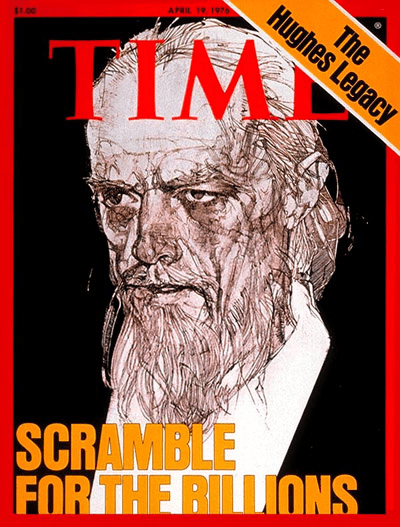
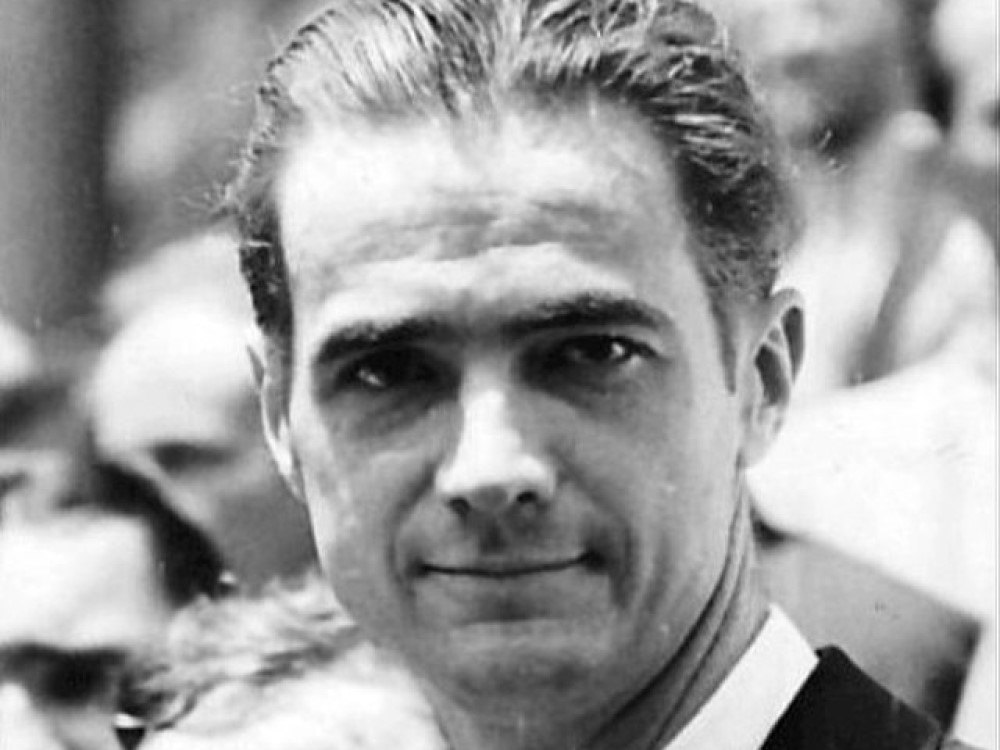
Howard Hughes was once the epitome of the American dream. He was an extraordinarily wealthy billionaire with vast business interests spanning aviation, real estate, weaponry, and entertainment. Beyond his riches, he was a talented engineer and an avid golfer. Handsome, famous, and exceedingly rich, he had access to every luxury money could buy and surrounded himself with beautiful women.
Yet, despite his astronomical fortune, the end of his life tells a deeply sobering story:
- Paralyzing Anxiety & Isolation: In his later years, Hughes became a complete recluse. Driven by an obsessive-compulsive fear of infection, he locked himself in a hermetically sealed facility where the air was constantly filtered and his clothes were “de-germed”.
- A Tragic End: He died aboard an airplane en route to a hospital. When he died, he was dirty, dishevelled, diseased, and suspected to have suffered a drug overdose administered by someone close to him.
- Unrecognizable Remains: His physical state was so deteriorated and unrecognizable that law enforcement authorities had to rely on fingerprints just to confirm his identity.
And what became of his vast fortune? Hughes could not take a single dollar with him. His passing triggered endless legal drama involving a fake will, intense lawsuits, and an estate eventually carved up among 22 cousins and an unknown wife.
What We Carry Forward: The Invisible Ledger of Karma
When a wealthy person dies, the world sees only the bank accounts and estates left behind. But ancient wisdom teaches that while we leave every cent behind, materialists carry a heavy invisible load with them: their karmic reactions.
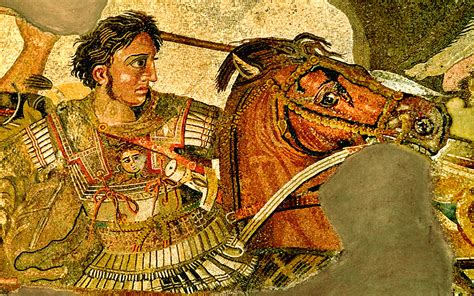
This dynamic is famously illustrated by Alexander the Great. On his deathbed, Alexander asked that his path to the grave be strewn with his treasures and that his hands be left dangling empty out of his coffin to show the world that even the greatest conqueror leaves empty-handed. Yet, while Alexander realized he could take none of his conquests with him, he failed to realize that he did carry the karmic reactions for the thousands of lives lost during his meaningless conquests.
Wealth Credits vs. Happiness Credits
It is a mistake to assume that having money automatically equals having a joyful life:
- Wealth Without Peace: A billionaire may possess the specific karmic credits required to accumulate vast monetary wealth, yet lack the karmic credits for basic health, mental tranquility, or genuine love. They live surrounded by gold, yet imprisoned by internal and external conflict, severe paranoia, fear, and disease.
- Fulfillment Without Riches: Conversely, a materialistically “poor” person may have very little money, yet possess karmic and spiritual credits that yield a far more fulfilling, peaceful life, blessed with warm relationships, restful sleep, and spiritual contentment.
Physical wealth and inner happiness are governed by completely different accounts. Money can buy luxuries, but it cannot buy a peaceful mind.
The science of action an reaction is tricky, and just because someone is clever at intellectual pursuits or expert at earning a lot of money doesn’t mean they can master the law of karma.
किं कर्म किमकर्मेति कवयोऽप्यत्र मोहिताः ।
तत्ते कर्म प्रवक्ष्यामि यज्ज्ञात्वा मोक्ष्यसेऽशुभात् ॥ १६ ॥kiṁ karma kim akarmeti
kavayo ’py atra mohitāḥ
tat te karma pravakṣyāmi
yaj jñātvā mokṣyase ’śubhātEven the intelligent are bewildered in determining what is action and what is inaction. Now I shall explain to you what action is, knowing which you shall be liberated from all misfortune.
Ancient Wisdom: Why Material Wealth Can Lock the Soul in Fear
The tragic trajectory of Howard Hughes isn’t an anomaly. It is a direct illustration of spiritual laws described thousands of years ago.
In the Bhagavad Gita, Lord Krishna explains how extreme attachment to material wealth and luxury clouds human judgment and blocks spiritual realization:
भोगैश्वर्यप्रसक्तानां तयापहृतचेतसाम् ।
व्यवसायात्मिका बुद्धिः समाधौ न विधीयते ॥ ४४ ॥bhogaiśvarya-prasaktānāṁ
tayāpahṛta-cetasām
vyavasāyātmikā buddhiḥ
samādhau na vidhīyateIn the minds of those who are too attached to sense enjoyment and material opulence, and who are bewildered by such things, the resolute determination for devotional service to the Supreme Lord does not take place.
https://vedabase.io/en/library/bg/2/44/
When the mind is scattered across endless material desires, intelligence becomes “many-branched” (BG 2.41), leading to perpetual anxiety, mistrust, and fear.
In contrast, Srimad Bhagavatam highlights where true relief and fearlessness are found:
एतन्निर्विद्यमानानामिच्छतामकुतोभयम् ।
योगिनां नृप निर्णीतं हरेर्नामानुकीर्तनम् ॥ ११ ॥etan nirvidyamānānām
icchatām akuto-bhayam
yogināṁ nṛpa nirṇītaṁ
harer nāmānukīrtanamO King, constant chanting of the holy name of the Lord after the ways of the great authorities is the doubtless and fearless way of success for all, including those who are free from all material desires, those who are desirous of all material enjoyment, and also those who are self-satisfied by dint of transcendental knowledge.
While material riches often lead to paranoia and disease of the mind, spiritual practice cures our inner ignorance. As Srila Rupa Goswami notes in Upadesamrta (7), Krishna’s holy names are transcendentally sweet like sugar candy. Even if our diseased “jaundice of ignorance” initially prevents us from tasting that sweetness, chanting carefully every day gradually restores our natural relish and cures the disease at its root.
The Alternate Path: Purandara Dasa, The Billionaire Who Gave It All Away
To understand how differently a life of immense wealth can turn out, consider Purandara Dasa (born Srinivasa Nayaka) over 500 years ago.
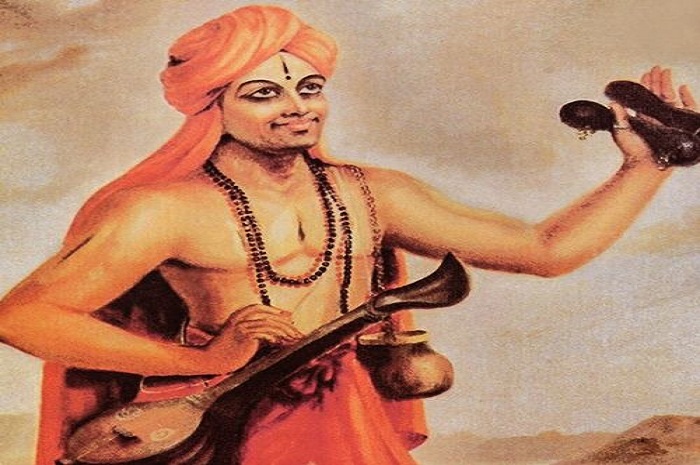
Srinivasa Nayaka was trained in the fine arts and spiritual texts, but he became a shrewd, calculating, and exceptionally wealthy diamond merchant. His vast enterprise included real estate, mortgages, and farmland. His fortune was estimated at 90 million gold coins (roughly 900,000 kilograms of gold)—which translates to over $116 Billion USD (or ₹11,14,000 Crore) in today’s terms!
Yet, after a famous divine intervention involving his wife Saraswati’s nose ring, Srinivasa experienced a profound awakening. Recognizing the temporary, hollow nature of material riches, he gave away his entire $68 billion fortune to focus exclusively on devotional service as a Haridasa. Initiated by the great saint Vyasa Tirtha, he became known as Purandara Dasa.
The Delicious Taste of Spiritual Wealth
Purandara Dasa went on to compose around 475,000 devotional songs (collectively known as Purandaropanishad) and became known as the Father of Carnatic Classical Music. Instead of hoarding gold, he relished the infinite sweetness of God’s names.
In his famous composition Rama Nama Payasake, he uses a brilliant culinary metaphor to explain how to prepare and enjoy true spiritual life:
- The Ingredients: Take the Milk of Rama’s name, add the Sugar of Krishna’s name, and mix in the Ghee of Vitthala’s name.
- The Preparation: Bring the wheat of single-mindedness, grind it with the stones of renunciation, draw out the fine flour of simplicity, and roll it into vermicelli.
- The Cooking: Put it in the pot of your heart with the green gram of faith, cook it down using your intelligence, and offer it to Hari!
While Howard Hughes died in fear, isolated in a sealed room, drugged to death while trying to keep out germs, Purandara Dasa lived a life filled with spontaneous song, deep bliss (ananda), and profound inner peace.
Conclusion: The Only Lasting Wealth
The contrast between Howard Hughes and Purandara Dasa presents us with a clear contrast:
| Howard Hughes | Purandara Dasa |
|---|---|
| Clung fiercely to his material wealth | Freely donated $116 billion in wealth for God |
| Lived his final years in fear, isolation, and paranoia | Lived in ecstatic devotion, song, and spiritual joy |
| Body unrecognizable at death; estate torn apart by lawsuits | Left behind an immortal legacy of love, wisdom, and music |
Material wealth, no matter how vast, is inherently temporary. It cannot purchase freedom from old age, disease, anxiety, or death, and we cannot carry a single cent across the threshold of passing.
The only wealth that endures beyond this body is spiritual wealth! Our connection with the Supreme, our character, and our practice of devotion is our only wealth. While money may taste sweet to a world bound by temporary desire, the holy names and loving service of God offer a taste that is infinitely more delicious, lasting, and truly eternal.
But even if you happen to be a millionaire or billionaire, even if on paper, why not win yourself the ultimate success? Start Chanting the Names of God Today, even if according to your tradition!
Or, can you please chant the Hare Krishna Mahamantra?

Discover more from Freedom through Genuine Spiritual Progress
Subscribe to get the latest posts sent to your email.


