The Fate of Billionaires: The $116 Billion Difference Between Wealth and Happiness

Does vast material wealth guarantee a fulfilled life, or does it simply buy a higher grade of anxiety?

In this article, we examine the stark contrast between two of history’s richest men: American tycoon Howard Hughes, who died in tragic isolation, disease, and paranoia despite his immense fortune, and Purandara Dasa, a 16th-century diamond merchant who surrendered an estimated $116 billion net worth to pursue a life of pure devotion and ecstatic joy.

Drawing on the deathbed realizations of Alexander the Great alongside timeless teachings from the Bhagavad Gita and Srimad Bhagavatam, this post explores:

The Invisible Ledger: Why we leave every dollar behind at death, yet carry our karmic reactions into our next destination.

Wealth vs. Happiness: How a person can have karmic credits for money without having the credits for peace of mind.

The Culinary Recipe for Spiritual Bliss: Purandara Dasa’s famous Rama Nama Payasake metaphor for cultivating divine sweetness.

Read on to discover why material riches are inherently fleeting, and why the only wealth that endures beyond this life is spiritual.

We live in a culture obsessed with net worth, luxury, and material accumulation. Many spend their entire lives chasing vast fortunes, assuming that reaching the top of the financial ladder guarantees lasting peace, security, and happiness. But what happens when you actually reach that summit?

Examining history and the timeless spiritual laws governing human life reveals a striking lesson on the difference between material fortune, karmic debt, and true spiritual wealth.

The Tragic Isolation of Howard Hughes

Howard Hughes was once the epitome of the American dream. He was an extraordinarily wealthy billionaire with vast business interests spanning aviation, real estate, weaponry, and entertainment. Beyond his riches, he was a talented engineer and an avid golfer. Handsome, famous, and exceedingly rich, he had access to every luxury money could buy and surrounded himself with beautiful women.
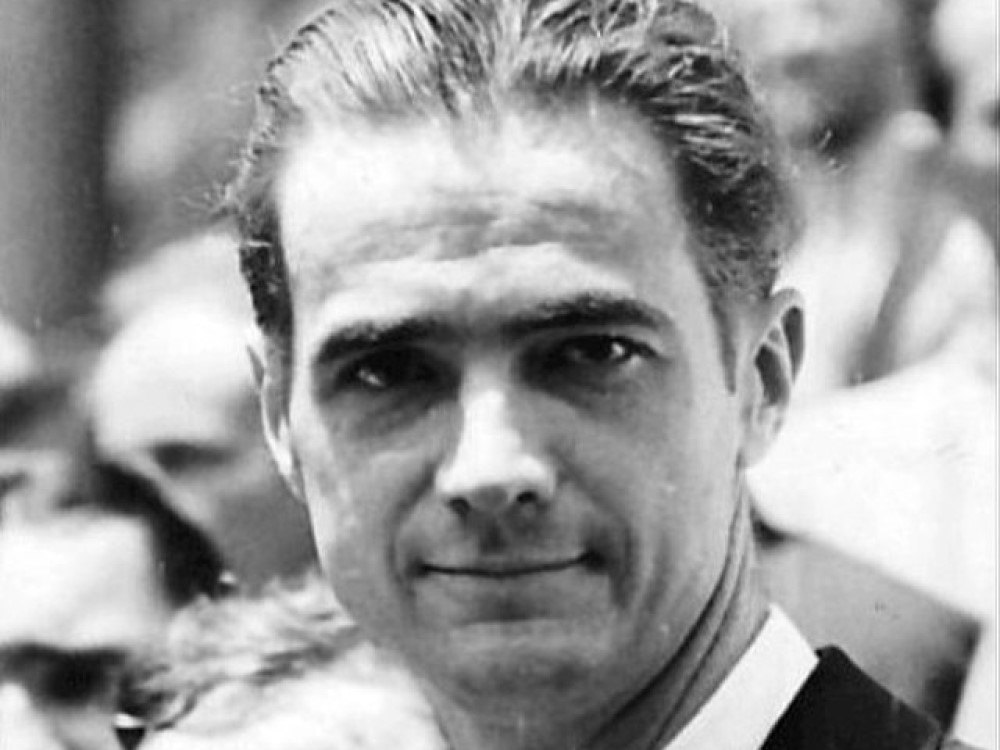
Howard Hughes in 1938

Yet, despite his astronomical fortune, the end of his life tells a deeply sobering story:

  • Paralyzing Anxiety & Isolation: In his later years, Hughes became a complete recluse. Driven by an obsessive-compulsive fear of infection, he locked himself in a hermetically sealed facility where the air was constantly filtered and his clothes were “de-germed”.
  • A Tragic End: He died aboard an airplane en route to a hospital. When he died, he was dirty, dishevelled, diseased, and suspected to have suffered a drug overdose administered by someone close to him.
  • Unrecognizable Remains: His physical state was so deteriorated and unrecognizable that law enforcement authorities had to rely on fingerprints just to confirm his identity.
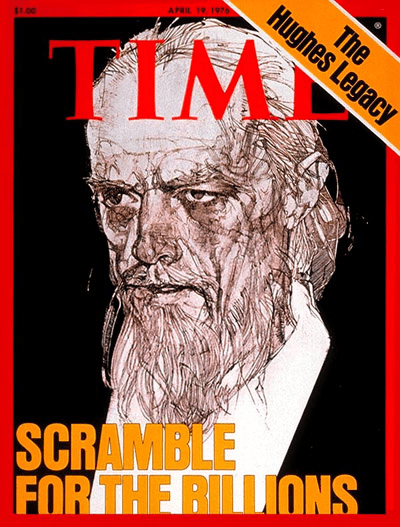
Howard Hughes, Ex-Billionaire

And what became of his vast fortune? Hughes could not take a single dollar with him. His passing triggered endless legal drama involving a fake will, intense lawsuits, and an estate eventually carved up among 22 cousins and an unknown wife.

What We Carry Forward: The Invisible Ledger of Karma

When a wealthy person dies, the world sees only the bank accounts and estates left behind. But ancient wisdom teaches that while we leave every cent behind, materialists carry a heavy invisible load with them: their karmic reactions.

This dynamic is famously illustrated by Alexander the Great. On his deathbed, Alexander asked that his path to the grave be strewn with his treasures and that his hands be left dangling empty out of his coffin to show the world that even the greatest conqueror leaves empty-handed. Yet, while Alexander realized he could take none of his conquests with him, he failed to realize that he did carry the karmic reactions for the thousands of lives lost during his meaningless conquests.
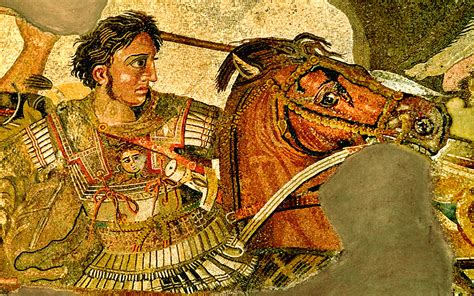
Alexander, the great murderer

Wealth Credits vs. Happiness Credits

It is a mistake to assume that having money automatically equals having a joyful life:

  • Wealth Without Peace: A billionaire may possess the specific karmic credits required to accumulate vast monetary wealth, yet lack the karmic credits for basic health, mental tranquility, or genuine love. They live surrounded by gold, yet imprisoned by internal and external conflict, severe paranoia, fear, and disease.
  • Fulfillment Without Riches: Conversely, a materialistically “poor” person may have very little money, yet possess karmic and spiritual credits that yield a far more fulfilling, peaceful life, blessed with warm relationships, restful sleep, and spiritual contentment.

Physical wealth and inner happiness are governed by completely different accounts. Money can buy luxuries, but it cannot buy a peaceful mind.

The science of action an reaction is tricky, and just because someone is clever at intellectual pursuits or expert at earning a lot of money doesn’t mean they can master the law of karma.

किं कर्म किमकर्मेति कवयोऽप्यत्र मोहिताः ।
तत्ते कर्म प्रवक्ष्यामि यज्ज्ञात्वा मोक्ष्यसेऽश‍ुभात् ॥ १६ ॥

kiṁ karma kim akarmeti
kavayo ’py atra mohitāḥ
tat te karma pravakṣyāmi
yaj jñātvā mokṣyase ’śubhāt

Even the intelligent are bewildered in determining what is action and what is inaction. Now I shall explain to you what action is, knowing which you shall be liberated from all misfortune.

https://vedabase.io/en/library/bg/4/16

Ancient Wisdom: Why Material Wealth Can Lock the Soul in Fear

The tragic trajectory of Howard Hughes isn’t an anomaly. It is a direct illustration of spiritual laws described thousands of years ago.

In the Bhagavad Gita, Lord Krishna explains how extreme attachment to material wealth and luxury clouds human judgment and blocks spiritual realization:

भोगैश्वर्यप्रसक्तानां तयापहृतचेतसाम् ।
व्यवसायात्मिका बुद्धिः समाधौ न विधीयते ॥ ४४ ॥

bhogaiśvarya-prasaktānāṁ
tayāpahṛta-cetasām
vyavasāyātmikā buddhiḥ
samādhau na vidhīyate

In the minds of those who are too attached to sense enjoyment and material opulence, and who are bewildered by such things, the resolute determination for devotional service to the Supreme Lord does not take place.
https://vedabase.io/en/library/bg/2/44/

When the mind is scattered across endless material desires, intelligence becomes “many-branched” (BG 2.41), leading to perpetual anxiety, mistrust, and fear.

In contrast, Srimad Bhagavatam highlights where true relief and fearlessness are found:

एतन्निर्विद्यमानानामिच्छतामकुतोभयम् ।
योगिनां नृप निर्णीतं हरेर्नामानुकीर्तनम् ॥ ११ ॥

etan nirvidyamānānām
icchatām akuto-bhayam
yogināṁ nṛpa nirṇītaṁ
harer nāmānukīrtanam

O King, constant chanting of the holy name of the Lord after the ways of the great authorities is the doubtless and fearless way of success for all, including those who are free from all material desires, those who are desirous of all material enjoyment, and also those who are self-satisfied by dint of transcendental knowledge.

https://vedabase.io/en/library/sb/2/1/11

While material riches often lead to paranoia and disease of the mind, spiritual practice cures our inner ignorance. As Srila Rupa Goswami notes in Upadesamrta (7), Krishna’s holy names are transcendentally sweet like sugar candy. Even if our diseased “jaundice of ignorance” initially prevents us from tasting that sweetness, chanting carefully every day gradually restores our natural relish and cures the disease at its root.

The Alternate Path: Purandara Dasa, The Billionaire Who Gave It All Away

To understand how differently a life of immense wealth can turn out, consider Purandara Dasa (born Srinivasa Nayaka) over 500 years ago.
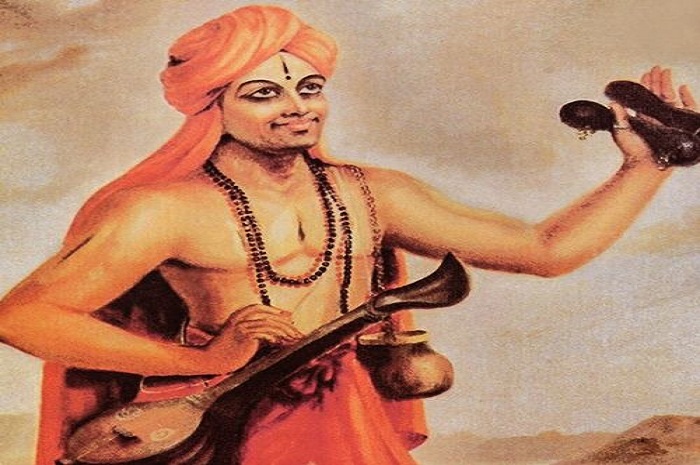
Purandara Dasa
Purandara Dasa

Srinivasa Nayaka was trained in the fine arts and spiritual texts, but he became a shrewd, calculating, and exceptionally wealthy diamond merchant. His vast enterprise included real estate, mortgages, and farmland. His fortune was estimated at 90 million gold coins (roughly 900,000 kilograms of gold)—which translates to over $116 Billion USD (or ₹11,14,000 Crore) in today’s terms!

Yet, after a famous divine intervention involving his wife Saraswati’s nose ring, Srinivasa experienced a profound awakening. Recognizing the temporary, hollow nature of material riches, he gave away his entire $68 billion fortune to focus exclusively on devotional service as a Haridasa. Initiated by the great saint Vyasa Tirtha, he became known as Purandara Dasa.

The Delicious Taste of Spiritual Wealth

Purandara Dasa went on to compose around 475,000 devotional songs (collectively known as Purandaropanishad) and became known as the Father of Carnatic Classical Music. Instead of hoarding gold, he relished the infinite sweetness of God’s names.

In his famous composition Rama Nama Payasake, he uses a brilliant culinary metaphor to explain how to prepare and enjoy true spiritual life:

  • The Ingredients: Take the Milk of Rama’s name, add the Sugar of Krishna’s name, and mix in the Ghee of Vitthala’s name.
  • The Preparation: Bring the wheat of single-mindedness, grind it with the stones of renunciation, draw out the fine flour of simplicity, and roll it into vermicelli.
  • The Cooking: Put it in the pot of your heart with the green gram of faith, cook it down using your intelligence, and offer it to Hari!

While Howard Hughes died in fear, isolated in a sealed room, drugged to death while trying to keep out germs, Purandara Dasa lived a life filled with spontaneous song, deep bliss (ananda), and profound inner peace.


Conclusion: The Only Lasting Wealth

The contrast between Howard Hughes and Purandara Dasa presents us with a clear contrast:

Howard HughesPurandara Dasa
Clung fiercely to his material wealthFreely donated $116 billion in wealth for God
Lived his final years in fear, isolation, and paranoiaLived in ecstatic devotion, song, and spiritual joy
Body unrecognizable at death; estate torn apart by lawsuitsLeft behind an immortal legacy of love, wisdom, and music

Material wealth, no matter how vast, is inherently temporary. It cannot purchase freedom from old age, disease, anxiety, or death, and we cannot carry a single cent across the threshold of passing.

The only wealth that endures beyond this body is spiritual wealth! Our connection with the Supreme, our character, and our practice of devotion is our only wealth. While money may taste sweet to a world bound by temporary desire, the holy names and loving service of God offer a taste that is infinitely more delicious, lasting, and truly eternal.

But even if you happen to be a millionaire or billionaire, even if on paper, why not win yourself the ultimate success? Start Chanting the Names of God Today, even if according to your tradition!

Or, can you please chant the Hare Krishna Mahamantra?

Hare Krishna Hare Krishna Krishna Krishna Hare Hare Hare Rama Hare Rama Rama Rama Hare Hare
The Hare Krishna Mahamantra

Delicious Names!

The Names of God are Unlimitedly Sweet. Purandara Dasa, who was a multi-billionaire, gave up the sweeter than honey money to taste the delicious names of God.

He wrote a beautiful song about the sweetness of the Lord’s Names…

To the Milk of Rama’s Name, add the Sugar of Krishna’s Name

Add the Ghee* of Vitthala’s Name, and Smack your Lips!

Bring the Wheat of Single-Mindedness, Grind with the Stones of Renunciation

Draw out the Fine Flour of Simplicity, and Roll into Thin Vermicelli

In the Pot of your Heart, with the Green Gram of your Faith

Cook it all down with your Intelligence, and Serve to Hari’s plate

Oh Joy Oh Bliss when you Experience, and Let Out Satisfied Burps

Then remember Our Lord Eternal Vitthala, the Form of Eternal Bliss!

In Feasting on the Holy Name, I offered a glimpse of how those dedicated to the spiritual path can avoid things like eating and sleeping.

Here in this article, I offer a tangible example of a great soul who actually could taste the holy name… and convey that to those of us who may not yet be tasting.

There are many great souls with a tangible taste of the Holy Name of God, for example, the great saint Rupa Goswami wrote this verse…

tuṇḍe tāṇḍavinī ratiṁ vitanute tuṇḍāvalī-labdhaye
karṇa-kroḍa-kaḍambinī ghaṭayate karṇārbudebhyaḥ spṛhām
cetaḥ-prāṅgaṇa-saṅginī vijayate sarvendriyāṇāṁ kṛtiṁ
no jāne janitā kiyadbhir amṛtaiḥ kṛṣṇeti varṇa-dvayī

“I do not know how much nectar the two syllables ‘Kṛṣ-ṇa’ have produced. When the holy name of Kṛṣṇa is chanted, it appears to dance within the mouth. We then desire many, many mouths. When that name enters the holes of the ears, we desire many millions of ears. And when the holy name dances in the courtyard of the heart, it conquers the activities of the mind, and therefore all the senses become inert.”https://vedabase.io/en/library/cc/antya/1/99/

Where I come from, we know a great saint named Purandara Dasa.

Purandara Dasa was born Srinivasa Nayaka, son of a rich diamond merchant. Srinivasa was trained in the fine arts and received a solid spiritual education, but as he grew up, he morphed into a ruthless businessman, business above all else, shrewd, calculating, though completely honest. He was a famed jeweller and he had business interests in mortgages, real estate, farmland, and much much more… all this over 500 years ago!

His net worth was said to be the equivalent of 90 million gold coins. If one gold coin was just 10 grams, then that means he owned the equivalent of 900,000 kilograms of gold. In today’s price of gold, Srinivasa Nayaka had an estimated net worth of slightly over USD 68 Billion, or with the current exchange rate!

For the sake of my readers in India, that is Five Lakh Forty Seven Thousand Crore Rupees as of today, or 5,47,000 Crore Rupees!

But, God had delicious plans for Srinivasa Nayaka! He appeared in very interesting disguises to Srinivasa Nayaka. Once there was an intriguing pastime of the nose ring of his wife, Saraswati… and completely bewildered and smitten, when our hero was hopelessly in love with God, he was instructed by God to give away all his wealth and focus exclusively on devotional service. Srinivasa Nayaka had to part with his dearest possession, his wealth, to gain the wealth of God!

How often do we find a Billionaire who gives away $68Bn of wealth and engage himself as a Haridasa, a fully surrendered servant of God?

Srinivasa Nayaka did that, and received initiation from Vyasa Tirtha, a pre-eminent saint in the line of Sri Madhwacharya. Sripad Vyasa Tirtha happens to the the grand-spiritual master of Sripad Madhavendra Puri of the Brahma-Madhwa-Gaudiya Sampradaya, into which this humble author has received initiation from Sripad Sankarshan Das Adhikari, disciple of Srila A. C. Bhaktivedanta Swami Prabhupada.

Initiated as Purandara Dasa, and given the “pen name” of “Purandara Vitthala”, Purandara Dasa is said to have composed more than 475,000 “kritis” or songs. Unfortunately for us, we have only a few known to us today, approximately 1000. Purandara Dasa, like many other pure devotees, Haridasas, spontaneously composed beautiful songs.

His songs are collectively referred to as “Purandaropanishad”… which can be translated as the eternal instructions that bring us closer to the Lord.

His songs explain the most esoteric of concepts in a very simple way, and even ordinary souls such as myself can understand, appreciate, and relish them. The result of meditating on his songs is that our devotional service becomes stronger.

One of my favourite songs of Purandara Dasa is about the most delicious Names of God…

The Names of God are sweeter to Purandara Dasa, whereas to ordinary souls, Money is sweeter than honey, but Purandara Dasa gave all his vast wealth away to obtain the wealth of the Names of God

Rama Nama Payasake – To the Milk of Rama’s Name…

In Kannada Script, the song looks like this:

ರಾಮನಾಮ ಪಾಯಸಕ್ಕೆ ಕೃಷ್ಣನಾಮ ಸಕ್ಕರೆ
ವಿಠಲನಾಮ ತುಪ್ಪವ ಬೆರೆಸಿ ಬಾಯಿ ಚಪ್ಪರಿಸಿರೊ

ಒಮ್ಮನ ಗೋಧಿಯ ತಂದು ವೈರಾಗ್ಯ ಕಲ್ಲಲಿ ಬೀಸಿ
ಸುಮ್ಮನ ಸಜ್ಜಿಗೆ ತೆಗೆದು ಸಣ್ಣ ಸೇವೆಗೆ ಹೊಸೆದು

ಹೃದಯವೆಂಬೊ ಪಾತ್ರೆಯೊಳಗೆ ಭಾವವೆಂಬೊ ಎಸರು ಇಟ್ಟು
ಬುದ್ದಿಯಿಂದ ಪಕ್ವವ ಮಾಡಿ ಹರಿವಾಣದೊಳಗೆ ನೀಡಿ

ಆನಂದ ಆನಂದವೆಂಬೊ ತೇಗು ಬಂದ ಪರಿಯಲಿ
ಆನಂದಮೂರುತಿ ನಮ್ಮ ಪುರಂದರವಿಠಲ ನೆನೆಯಿರೊ

raama naama paayasakke kRuShNanaama sakkare |
viThalanaama tuppava kalasi baayi capparisiro ||pa||

ommaana gOdhiya taMdu vairaagya kallili bIsi |
summane sajjigeya tegedu saNNa shaavigeya hosedu ||1||

hRudayaveMbo maDakeyalli bhaavaveMbo esaraniTTu |
buddhiyiMda paakamaaDi harivaaNake baDisikoMDu ||2||

aanaMda aanaMdaveMbo tEgu baMditu kANirO |
aanaMda mUruti namma puraMdara viThalana neneyiro ||3||

– Purandara Dasa

I will try to offer a translation for those who may not be conversant with Kannada…

To the Milk of Rama’s Name, add the Sugar of Krishna’s Name

Add the Ghee* of Vitthala’s Name, and Smack your Lips!

Bring the Wheat of Single-Mindedness, Grind with the Stones of Renunciation

Draw out the Fine Flour of Simplicity, and Roll into Thin Vermicelli

In the Pot of your Heart, with the Green Gram of your Faith

Cook it all down with your Intelligence, and Serve to Hari’s plate

Oh Joy Oh Bliss when you Experience, and Let Out Satisfied Burps

Then remember Our Lord Eternal Vitthala, the Form of Eternal Bliss!

– Purandara Dasa’s Rama Nama Payasake, translation by Mahabhagavata Dasa

* Ghee – Clarified Butter, a delicacy used to enhance the flavour of various dishes. Like most Bhakti experiences, it must be tasted and experienced in that way, there is no theoretical way to understand this flavour, the aroma, etc.

Now, my dear reader, please allow me to introduce the deep eternal spiritual truths contained in this simple 4-stanza song.

The Name of God is Sweet!

Is there any doubt about this Yes, beginners may not experience the sweetness, but it is not for lack of sweetness in the Lord’s names, but for the diseased tongue of the beginner to spiritual life… Rupa Goswami Says:

स्यात् कृष्णनामचरितादिसिताप्यविद्यापित्तोपतप्तरसनस्य न रोचिका नु ।
किन्त्वादरादनुदिनं खलु सैव जुष्टा स्वाद्वी क्रमाद्भवति तद्गदमूलहन्त्री ॥ ७ ॥

syāt kṛṣṇa-nāma-caritādi-sitāpy avidyā-
pittopatapta-rasanasya na rocikā nu
kintv ādarād anudinaṁ khalu saiva juṣṭā
svādvī kramād bhavati tad-gada-mūla-hantrī

The holy name, character, pastimes and activities of Kṛṣṇa are all transcendentally sweet like sugar candy. Although the tongue of one afflicted by the jaundice of avidyā [ignorance] cannot taste anything sweet, it is wonderful that simply by carefully chanting these sweet names every day, a natural relish awakens within his tongue, and his disease is gradually destroyed at the root.

https://vedabase.io/en/library/noi/7/

Single Mindedness is essential for Spiritual Perfection

For the attainment of any goal, focus is a requirement. The rarer and more distinguished the prize, the more single-minded focus is required.

Krishna says, in the Bhagavad Gita:

व्यवसायात्मिका बुद्धिरेकेह कुरूनन्दन ।
बहुशाखा ह्यनन्ताश्च बुद्धयोऽव्यवसायिनाम् ॥ ४१ ॥


vyavasāyātmikā buddhir
ekeha kuru-nandana
bahu-śākhā hy anantāś ca
buddhayo ’vyavasāyinām

Those who are on this path are resolute in purpose, and their aim is one. O beloved child of the Kurus, the intelligence of those who are irresolute is many-branched.

https://vedabase.io/en/library/bg/2/41/

Renunciation from Worldly Goals is required for someone seeking spiritual perfection

Krishna then continues, further on…

भोगैश्वर्यप्रसक्तानां तयापहृतचेतसाम् ।
व्यवसायात्मिका बुद्धिः समाधौ न विधीयते ॥ ४४ ॥


bhogaiśvarya-prasaktānāṁ
tayāpahṛta-cetasām
vyavasāyātmikā buddhiḥ
samādhau na vidhīyate

In the minds of those who are too attached to sense enjoyment and material opulence, and who are bewildered by such things, the resolute determination for devotional service to the Supreme Lord does not take place.

https://vedabase.io/en/library/bg/2/44/

Spiritual Life means Simplicity without any Duplicity

To some, spiritual life is extremely easy. To others it is the, most difficult thing.

Again, in the Bhagavad Gita describes the qualities of someone who is in spiritual life.

अमानित्वमदम्भित्वमहिंसा क्षान्तिरार्जवम्
आचार्योपासनं शौचं स्थैर्यमात्मविनिग्रह: ॥ ८ ॥


amānitvam adambhitvam ahiṁsā kṣāntir ārjavam
ācāryopāsanaṁ śaucaṁ sthairyam ātma-vinigrahaḥ


Humility; pridelessness; nonviolence; tolerance; simplicity; approaching a bona fide spiritual master; cleanliness; steadiness; self-control

https://vedabase.io/en/library/bg/13/8-12/

Simple for the simple, difficult for the crooked!

God lives in our Heart, so working on our heart is essential, it’s a very personal loving thing, not just dry intellectual pursuit!

तेषामेवानुकम्पार्थमहमज्ञानजं तम: ।
नाशयाम्यात्मभावस्थो ज्ञानदीपेन भास्वता ॥ ११ ॥


teṣām evānukampārtham
aham ajñāna-jaṁ tamaḥ
nāśayāmy ātma-bhāva-stho
jñāna-dīpena bhāsvatā

To show them special mercy, I, dwelling in their hearts, destroy with the shining lamp of knowledge the darkness born of ignorance.

https://vedabase.io/en/library/bg/10/11/

Faith in the Spiritual Process is a Necessary Ingredient

अश्रद्दधाना: पुरुषा धर्मस्यास्य परन्तप ।
अप्राप्य मां निवर्तन्ते मृत्युसंसारवर्त्मनि ॥ ३ ॥


aśraddadhānāḥ puruṣā
dharmasyāsya paran-tapa
aprāpya māṁ nivartante
mṛtyu-saṁsāra-vartmani

Those who are not faithful in this devotional service cannot attain Me, O conqueror of enemies. Therefore they return to the path of birth and death in this material world.

https://vedabase.io/en/library/bg/9/3/

Spiritual Progress is Made by those who endeavour Intelligently

इन्द्रियाणि पराण्याहुरिन्द्रियेभ्यः परं मनः ।
मनसस्तु परा बुद्धिर्यो बुद्धेः परतस्तु सः ॥ ४२ ॥


indriyāṇi parāṇy āhur
indriyebhyaḥ paraṁ manaḥ
manasas tu parā buddhir
yo buddheḥ paratas tu saḥ

The working senses are superior to dull matter; mind is higher than the senses; intelligence is still higher than the mind; and he [the soul] is even higher than the intelligence.

https://vedabase.io/en/library/bg/3/42/

In the purport to the above verse, Srila Prabhupada writes…

With intelligence one has to seek out the constitutional position of the soul and then engage the mind always in Kṛṣṇa consciousness. That solves the whole problem. A neophyte spiritualist is generally advised to keep aloof from the objects of the senses. But aside from that, one has to strengthen the mind by use of intelligence. If by intelligence one engages one’s mind in Kṛṣṇa consciousness, by complete surrender unto the Supreme Personality of Godhead, then, automatically, the mind becomes stronger, and even though the senses are very strong, like serpents, they will be no more effective than serpents with broken fangs. But even though the soul is the master of intelligence and mind, and the senses also, still, unless it is strengthened by association with Kṛṣṇa in Kṛṣṇa consciousness, there is every chance of falling down due to the agitated mind. – BG 3.42 purport by A. C. Bhaktivedanta Swami Prabhupada

Spiritual Perfection Must be Offered to God

Srila Prabhupada summarizes, in his Nectar of Devotion…

By the process of executing regulated devotional service, one is actually elevated to the transcendental stage, beyond the material modes of nature. At that time one’s heart becomes illuminated like the sun. The sun is far above the planetary systems, and there is no possibility of its being covered by any kind of cloud; similarly, when a devotee is purified like the sun, from his pure heart there is a diffusion of ecstatic love which is more glorious than the sunshine. Only at that time is the attachment to Kṛṣṇa perfect. Spontaneously, the devotee becomes eager to serve the Lord in his ecstatic love.

https://vedabase.io/en/library/nod/17/

There is no happiness like that from chanting God’s Holy names for anyone

In the Srimad Bhagavatam, we find this verse:

एतन्निर्विद्यमानानामिच्छतामकुतोभयम् ।
योगिनां नृप निर्णीतं हरेर्नामानुकीर्तनम् ॥ ११ ॥


etan nirvidyamānānām
icchatām akuto-bhayam
yogināṁ nṛpa nirṇītaṁ
harer nāmānukīrtanam


O King, constant chanting of the holy name of the Lord after the ways of the great authorities is the doubtless and fearless way of success for all, including those who are free from all material desires, those who are desirous of all material enjoyment, and also those who are self-satisfied by dint of transcendental knowledge.

https://vedabase.io/en/library/sb/2/1/11/

But we can see which taste is more delicious… the taste of untold wealth, or the taste of the Holy Names of God.

Purandara Dasa is the example.

Purandara Dasa is also known as the Father of Carnatic Classical Music, but above mere music is His simple devotion, which he expressed through music.

What will we give up to taste the most unlimitedly delicious sweet clear pure Names of God?

What if all you had to do was to chant this Mantra without giving anything else up?

Hare Krishna Hare Krishna Krishna Krishna Hare Hare Hare Rama Hare Rama Rama Rama Hare Hare

My Dear Reader, would you please chant this Mantra even just once?

Purandara Dasa is a Mahabhagavata, a mighty pure devotee of the Lord, and this Mahabhagavata Dasa aspires to be the servants of his servants, and hankers to taste their delicious remnants.

Taj Bibi – Mughal Queen, Pure Devotee of Krishna

Taj Bibi was a Mughal queen. A wife of the great Mughal Emperor Akbar himself. But she is also a great Vaishnava saint. Her devotional songs are sung to this day. Her tomb is in Vrindavan. How did she make the journey from a mere Mughal Queen to an exalted pure devotee of Krishna?

It is often misunderstood that Krishna is the “God of the Hindus”, or “Hindu God”, or worse “A Hindu god”.

Nothing could be further from the truth, first of all, God is neither Hindu nor Muslim nor Christian nor Jewish nor any other designation you can think of.

God is God.

What to speak of God, even the devotee of God is beyond all material designations!

The very definition of devotion to God by the great Vaishnava saint Srila Rupa Goswami makes this abundantly clear.

সর্বোপাধিবিনির্মুক্তং তৎপরত্বেন নির্মলম্ ।
হৃষীকেণ হৃষীকেশ-সেবনং ভক্তিরুচ্যতে ॥ ১৭০ ॥

sarvopādhi-vinirmuktaṁ
tat-paratvena nirmalam
hṛṣīkeṇa hṛṣīkeśa-
sevanaṁ bhaktir ucyate

“ ‘Bhakti, or devotional service, means engaging all our senses in the service of the Lord, the Supreme Personality of Godhead, the master of all the senses. When the spirit soul renders service unto the Supreme, there are two side effects. One is freed from all material designations, and one’s senses are purified simply by being employed in the service of the Lord.’

https://vedabase.io/en/library/cc/madhya/19/170/

In other words, devotion to God is not possible for someone who is under material designations like Hindu, Muslim, Christian, Jew, or Indian, Pakistani, Chinese, American, African, Canadian.

By corollary, anyone who identifies with any material designation, has no devotion to God.

And when someone truly awakens to the Love of God, then nothing can stop them. Not the religion of their birth, not their gender, not their social or economic status, or their education. When Love of God awakens, it is a force that no other power can stop.

स वै पुंसां परो धर्मो यतो भक्तिरधोक्षजे ।
अहैतुक्यप्रतिहता ययात्मा सुप्रसीदति ॥ ६ ॥

sa vai puṁsāṁ paro dharmo
yato bhaktir adhokṣaje
ahaituky apratihatā
yayātmā suprasīdati

The supreme occupation [dharma] for all humanity is that by which men can attain to loving devotional service unto the transcendent Lord. Such devotional service must be unmotivated and uninterrupted to completely satisfy the self.

https://vedabase.io/en/library/sb/1/2/6/

Take the example of Taj Bibi, a great saint in the Bhakti tradition.

I first heard of Taj Bibi in a Youtube lecture series on Sri Radha Govindaji by His Holiness Indradyumna Swami, a former US Marine turned Vaishnava monk. He is a wonderful, inspiring, saintly Vaishnava.

Taj Bibi was born in a devout and well educated Muslim family. She was the daughter of a Maulvi, a Muslim priest well-connected to the Emperor Akbar. Practically, her father was one of Akbar’s spiritual advisors.

Growing up, she had a fascination for Allah that went beyond the instruction of the Quran. She wanted to see and serve Allah personally. She asked repeatedly if Allah could be seen… and all the Muslim religious leaders told her that if she went to Mecca and Medina on Hajj then she could see Allah. But she was dissuaded for being too young.

She was also exceedingly beautiful. When her father, Fadan Khan died, the Emperor Akbar married her and she became a respected Mughal Queen.

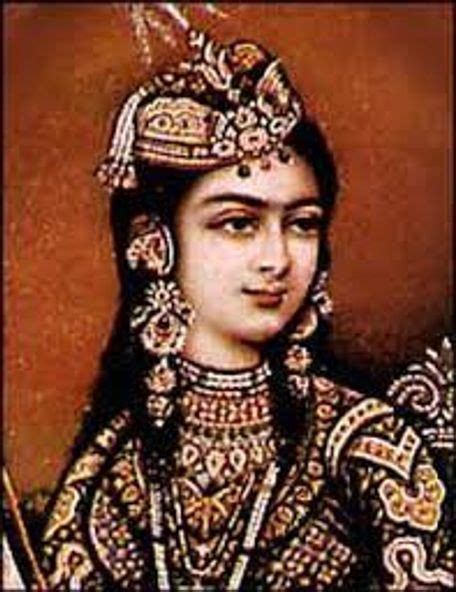
Taj Bibi, Mughal Queen and Vaishnava Saint

One day, on her way to Agra to see Emperor Akbar, she heard the bells of the famous Govindaji temple in Vrindavan. She asked her palanquin bearers what the sound was.

Little Allah!

Those are the bells of the temple of Govindaji, came the reply. She then asked who Govindaji was. The head Muslim Palanquin bearer answered “Oh, he is a little god of the Hindus”. Taj Bibi exclaimed “Oh! Chhota Allah”, which means “Little Allah”. She insisted on being taken to the temple.

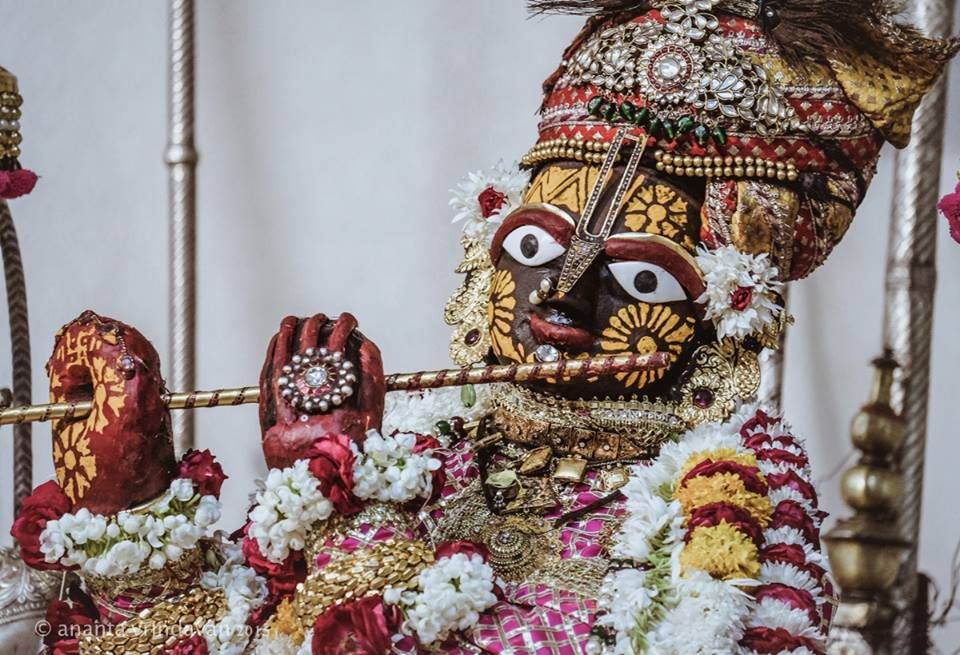
Sri Govindaji, who now resides in Jaipur, Rajasthan. He was originally in Vrindavan, but the Mughal Emperor Aurangzeb wanted to desecrate the temple. After a spell-binding adventure, Sri Govindaji reached Jaipur over 400 years ago.

When she reached there, because she was Muslim, she wasn’t allowed entry into the temple. So she sat at the doorway, mesmerized by the sight of Govindaji. She sat there and sang and sang and sang.

The palanquin bearers reminded her that the Emperor was waiting. She ordered the palanquin bearers to inform the emperor to release her from the marriage. Akbar, being an evolved spiritualist himself, agreed.

Taj Bibi then made Vrindavan her home and entered deep into the love of her Allah, she knew Allah as Krishna and saw Him personally in meditation every day.

She also received Vaishnava initiation from her spiritual master Sri Vitthalnath ji, a disciple of Sripada Vallabhacharya of the Pushtimarga Sampradaya.

She spent her life immersed in loving devotional service and wrote many many songs, written in the agony of separation from her beloved, Krishna, or Govindaji. Her songs are sung by devotees to this very day.

In fact, she left her mortal body behind one day, in the sacred land of Vrindavan, eager to catch Krishna who was close by, playing Holi (the festival of colours) with His dearest associates. She went to meet her Beloved in her spiritual form, leaving her mortal body behind.

Her tomb in Raman Reti bears witness to the life of this great saint who fell in love with Krishna despite being born a Muslim and being in the materially exalted position of being a queen of the great Mughal emperor Akbar.

The tomb of the great Mughal Queen and Vaishnava Saint, Taj Bibi.

Bhakti knows no barriers.

Not very long ago, when I gave a Bhagavatam class at ISKCON Hyderabad, there was one young lady who was asking me some very intense questions. I learned that she was a girl from a Muslim family, and her teachers were discouraging her from practicing Krishna Bhakti. I said to her that Allah was standing in front of her in the form of Sri Radha Madan Mohan, and He was visible as He is to those whose eyes are tinged with the salve of Love of God. She was clearly very moved by Sri Radha Madan Mohan, as she stood in front of Him with tears in her eyes.

And of course, many readers have expressed appreciation for the Muslim Brahmin in Hyderabad.

Allah stands in the form of Sri Radha Madan Mohan in ISKCON Hyderabad, for thoe who have the eyes to see Him.

And how can you develop the eyes to see God?

Chant the names of God, even if according to your own tradition. If you are actually chanting the names of God, then you will see God everywhere, including in His deity form, and in every genuine name of God, you will feel ecstatic love.

एतन्निर्विद्यमानानामिच्छतामकुतोभयम् ।
योगिनां नृप निर्णीतं हरेर्नामानुकीर्तनम् ॥ ११ ॥

etan nirvidyamānānām
icchatām akuto-bhayam
yogināṁ nṛpa nirṇītaṁ
harer nāmānukīrtanam

O King, constant chanting of the holy name of the Lord after the ways of the great authorities is the doubtless and fearless way of success for all, including those who are free from all material desires, those who are desirous of all material enjoyment, and also those who are self-satisfied by dint of transcendental knowledge.

https://vedabase.io/en/library/sb/2/1/11/

If you would like to taste genuine spiritual bliss, please chant this mantra constantly:

Hare Krishna Hare Krishna
Krishna Krishna Hare Hare
Hare Rama Hare Rama
Rama Rama Hare Hare

There are many great saints, born in Muslim families, but who developed great devotion to Krishna and are exemplary in their devotional service. I will write about some of them in due course of time.

Do you have a question? Feel free to write to me!