Ever felt like life’s a puzzle without a map? Batch 3 of our Bhagavad Gita 100-101 series is now open! From the basics of the soul and karma to a full 18-chapter deep dive, this online journey offers timeless wisdom for modern life.
Classes are free (donations accepted), interactive with personal Q&A, and include recordings and slides. Our round-robin format means you can jump in anytime!
Join us alternate Fridays at 8:30 PM EST. Your roadmap to clarity starts here.
Enroll now: dasadas.com/courses
Ever feel like life is a complex puzzle, but you’re missing the box lid with the picture on it? You are looking for a spiritual anchor. Or you just want to understand why things happen. The Bhagavad Gita As It Is offers a timeless framework. It helps with navigating our world and transcend it to reach perfection.
We are thrilled to announce the opening of Batch 3 for our 100 and 101 series in March 2026. These courses are designed to take you from “curious beginner” to “informed practitioner” through 26, well-paced, structured, easy-to-digest sessions.
Krishna Guides Arjuna at Kurukshetra during the greatest battle of his life.
Bhagavad Gita Online Course BG 100: The Foundation (Level 0)
The “Big Picture” for those starting their journey.
This 6-session online course explores the core philosophical pillars of the Gita. If you’ve ever asked “Who am I?”, “Why is there suffering””, “Why do good things happen to bad people”. or “Why is time moving so fast?”, this is for you.
🎯 What: Online course discussing the main topics of Bhagavad Gita.
⏰ When: Alternate Friday Nights @ 8:30 PM EST (Toronto/New York time)
🌍 Not in EST?(Global Students: You can use Time.is to compare 8:30 PM Toronto time to your local city.)
🎓 The Curriculum:
100.1 Overview: Context, main topics, and modern relevance.
100.2 Jiva (The Soul): Who are you?
100.3 Prakriti (Material Nature): Where are you?
100.4 Karma (Action & Reaction): What are you doing and why?
100.5 Kala (Time): How does time affect you?
100.6 Bhagavan (The Supreme Origin): Why should you care?
Upon completion, registrants are automatically enrolled into BG 101.
Bhagavad Gita Online Course BG 100: The Foundation (Level 0)BG 101: The Chapter Summaries (Level 1)
A journey through all 18 chapters.
This 20-session course offers summaries of every chapter, providing a clear path through the dialogue between Krishna and Arjuna.
🎯 What: Online course offering detailed summaries of the entire text
⏰ When: Alternate Friday Nights @ 8:30 PM EST
🌍 Not in EST?(Global Students: You can use Time.is to compare 8:30 PM Toronto time to your local city.)
🎓 The Curriculum:
101.1 – Ch 1: Observing the Armies
101.2.1 & 101.2.2 – Ch 2: Contents of the Gītā Summarized (Parts 1 & 2)
101.3 – Ch 3: Karma-yoga
101.4 – Ch 4: Transcendental Knowledge
101.5 – Ch 5: Karma-yoga – Action in Kṛṣṇa Consciousness
101.6 – Ch 6: Dhyāna-yoga
101.7 – Ch 7: Knowledge of the Absolute
101.8 – Ch 8: Attaining the Supreme
101.9 – Ch 9: The Most Confidential Knowledge
101.10 – Ch 10: The Opulence of the Absolute
101.11 – Ch 11: The Universal Form
101.12 – Ch 12: Devotional Service
101.13 – Ch 13: Nature, the Enjoyer and Consciousness
101.14 – Ch 14: The Three Modes of Material Nature
101.15 – Ch 15: The Yoga of the Supreme Person
101.16 – Ch 16: The Divine and Demoniac Natures
101.17 – Ch 17: The Divisions of Faith
101.18.1 & 101.18.2 – Ch 18: The Perfection of Renunciation (Parts 1 & 2)
Everything You Need to Succeed
We’ve designed this course to be as supportive as possible. Every enrolled student receives:
📅 Calendar Invites: Once registered, students will receive a recurring calendar invite to ensure you never miss a session.
💬 Personal Q&A: Every class reserves dedicated time for a personal Q&A session. This is your opportunity to ask questions, clarify points, and discuss the practical application of the knowledge.
🎥Class Recordings: Re-watch at your own pace (minus the personal Q&A).
📊Course Slides: Access the visual materials to review key verses.
📝 Knowledge Quizzes: Link to an online quiz after each session to test your understanding.
Cost & Donations
In the spirit of sharing this wisdom freely, this course is offered free of charge. We believe that spiritual education should be accessible to everyone.
If you feel inspired to give, donations are gratefully accepted.
All contributions are used directly to spread the knowledge of the Bhagavad Gita. This helps those who otherwise can not afford a copy of the Bhagavad Gita As It Is.
The “Round Robin” Advantage
Don’t worry about “missing the bus.” Both BG 100 and BG 101 run on a continuous round-robin schedule.Join Anytime! You can enroll right now and jump into the current session. The course rotates in a way that it will revisit parts you missed. You can attend the full series at your own pace.
In 2025, after an ecstatic Srila Prabhupada marathon in North America, I was able to serve in several cities. I will return to India from February to March 2026, visiting various pilgrimage sites and engaging in spiritual activities at ISKCON temples. Meetings are best scheduled for the morning at the respective ISKCON temples. Hare Krishna!
Hare Krishna!
After an ecstatic 2025 Srila Prabhupada marathon in North America, I served in various cities. These cities include Toronto, Ottawa, Barrie, and Waterloo. It is a privilege to return to India, Sri Bharat Bhumi in February – March 2026.
20 – 27 February 2026, Vrindavan
28 February – 5 March 2026, Hyderabad
6-9 March 2026, Ahobilam
10 – 12 March 2026, ISKCON Juhu, Mumbai
12 – 16 March 2026, ISKCON NVCC, Pune
14 March 2026, Sri Nira Narasimha Yatra, Nira Narsingpur, Pune District
17-19 March 2026, Hyderabad
During this time, there will be:
Visits to places of pilgrimage
Hearing and Chanting about Krishna and His devotees
Distribution of Spiritual Literature, such as Bhagavad Gita As It Is
Service at Krishna’s temples
Anyone who wants to meet, the best time is during the morning hours 4:30AM-9:00AM at the respective ISKCON temple. Any meeting or engagement outside this, please check with me before.
Please bless me for a successful pilgrimage and service tour.
This outline details the upcoming classes in India, with dates and locations specified. Any adjustments will be reflected on the webpage but will not trigger email notifications; registered participants will receive updates via WhatsApp. Locations include Hyderabad, Pune, and Mumbai, with some sessions providing audio recordings only and limited attendance. Additional information will be updated as available.
Hare Krishna!
This is an outline of the upcoming classes in India. Any changes will be updated on this page, but will not result in an update email. WhatsApp updates will be sent to those registered for that.
Join us for an enlightening session on Srimad Bhagavatam verses 8.7.40-42 with HG Mahabhagavat Das. This uplifting discussion highlights Lord Shiva’s selfless compassion and the importance of benevolence for all living entities. Don’t miss this opportunity to deepen your understanding on August 21, 2025, at 7:20 AM ET!
A class recording will be shared after.
Hare Krishna 🙏 Bhakti sanga Japa Conference Call Presents.
SPEAKER: HG Mahabhagavat Das
TOPIC:*Srimad Bhagavatam verse 8.7.40-42
DATE📆: Thursday, 21st August 2025
TIME⌚: 7:20 AM. ET USA/ 6:20 AM. CT USA/ 4:20 AM PST USA/ 12:20 PM UK/ 7:20 PM MYT/ 4:50 PM IST
puṁsaḥ — with a person; kṛpayataḥ — engaged in benevolent activities; bhadre — O most gentle Bhavānī; sarva–ātmā — the Supersoul; prīyate — becomes pleased; hariḥ — the Supreme Personality of Godhead; prīte — because of His pleasure; harau — the Supreme Lord, Hari; bhagavati — the Personality of Godhead; prīye — also become pleased; aham — I; sa–cara–acaraḥ — with all others, moving and nonmoving; tasmāt — therefore; idam — this; garam — poison; bhuñje — let me drink; prajānām — of the living entities; svastiḥ — welfare; astu — let there be; me — by me.
Translation
My dear gentle wife Bhavānī, when one performs benevolent activities for others, the Supreme Personality of Godhead, Hari, is very pleased. And when the Lord is pleased, I am also pleased, along with all other living creatures. Therefore, let me drink this poison, for all the living entities may thus become happy because of me.
Śrīla Śukadeva Gosvāmī continued: After informing Bhavānī in this way, Lord Śiva began to drink the poison, and Bhavānī, who knew perfectly well the capabilities of Lord Śiva, gave him her permission to do so.
Thereafter, Lord Śiva, who is dedicated to auspicious, benevolent work for humanity, compassionately took the whole quantity of poison in his palm and drank it.
Purport
Although there was such a great quantity of poison that it spread all over the universe, Lord Śiva had such great power that he reduced the poison to a small quantity so that he could hold it in his palm. One should not try to imitate Lord Śiva. Lord Śiva can do whatever he likes, but those who try to imitate Lord Śiva by smoking ganja and other poisonous things will certainly be killed because of such activities.
Special Programs in Ottawa, Toronto and nearby areas from May 30 – June 8 2025…
His Grace Sriman Sankarshan Das Adhikari, a disciple of Srila Prabhupada since 1971, has contributed significantly to ISKCON for over 50 years, authoring over 10 books and creating the popular Self Realization Course with 29,000 subscribers. Her Grace Vishnupriya Mataji, an ISKCON member since 1978, mentors many and excels in devotional arts.
Two wonderful visiting devotees will be giving a series of lectures in and around Ottawa, Canada. They will also lecture in Toronto, Canada. The programs are from May 30 – June 8, 2025.
Please attend these programs in person or online. Below a short summary of these two exalted personalities.
His Grace Sriman Sankarshan Das Adhikari, (Srila Gurudeva) is a disciple of His Divine Grace Srila A. C. Bhaktivedanta Swami Prabhupada since 1971 – he started chanting Hare Krishna in 1969. Having served in Srila Prabhupada’s ISKCON for over 50 years, he has rendered many valuable services. He has authored more than 10 books, including his autobiography “Divine Love Memoir“. His ultimate Self Realization Course features a daily thought and a Q&A. It also provides a weekly lesson on the Bhagavad Gita and the Bhagavata Online Academy. The course has over 29,000 subscribers worldwide. The course is translated into various languages including Hindi, Gujarati, Tamil, Russian, Lithuanian, Odia, etc. It is the longest running Internet course in the Bhakti Community Worldwide. Join today at www.joincourse.com.
Her Grace Vishnupriya Mataji (Srimati Gurumata), is a guide and mentor to thousands of souls around the world. She joined ISKCON in 1978. She adopted Krishna Consciousness as a schoolgirl. She dedicated herself fully to Srila Prabhupada’s ISKCON at a very young age. She is an expert in many devotional arts. These include deity worship and cooking for Krishna. She reads and explains Srila Prabhupada’s books in a most practical and profound way. She assists Sankarshan Prabhu with his services and also serves as the Temple President of ISKCON Austin.
How can we elevate those who are unfortunate and bereft of good sense? How can we make their lives auspicious and allow them to enjoy unending, ever increasing bliss for ever?
Hare Krishna!
In this most intriguing and enlightening conversation called the Srimad Bhagavatam, the tricky topics of attaining to the Supreme Absolute Truth are discussed in great detail.
In fact, the Bhagavatam says this “The highest truth is reality distinguished from illusion for the welfare of all.” SB 1.1.2 (fragment)
Relative truths may be good for some time, some place, and some circumstance, but that is not good enough because such partial truths leave out some section of living entities.
Join to find out!
TOPIC: ISKCON Mayapur English Bhagavatam Class
LOCATION: ISKCON Mayapur Campus, West Bengal, India
DATE📆: Monday, 2nd Sep 2024
TIME⌚: 10:30 PM. ET USA+Canada/ 8:30 PM. CT USA/ 8:30 PM PST USA/ 2:30 AM UK/ 11:30 AM MYT/ 8:00 AM IST
I will record audio, and the class will also be broadcast online on the ISKCON Mayapur English Channel.
दैवेन ते हतधियो भवत: प्रसङ्गा- त्सर्वाशुभोपशमनाद्विमुखेन्द्रिया ये । कुर्वन्ति कामसुखलेशलवाय दीना लोभाभिभूतमनसोऽकुशलानि शश्वत् ॥ ७ ॥
daivena te hata-dhiyo bhavataḥ prasaṅgāt sarvāśubhopaśamanād vimukhendriyā ye kurvanti kāma-sukha-leśa-lavāya dīnā lobhābhibhūta-manaso ’kuśalāni śaśvat
Synonyms daivena — by fate of misfortune; te — they; hata-dhiyaḥ — bereft of memory; bhavataḥ — of You; prasaṅgāt — from the topics; sarva — all; aśubha — inauspiciousness; upaśamanāt — curbing down; vimukha — turned against; indriyāḥ — senses; ye — those; kurvanti — act; kāma — sense gratification; sukha — happiness; leśa — brief; lavāya — for a moment only; dīnāḥ — poor fellows; lobha-abhibhūta — overwhelmed by greed; manasaḥ — of one whose mind; akuśalāni — inauspicious activities; śaśvat — always.
Translation O my Lord, persons who are bereft of the all-auspicious performance of chanting and hearing about Your transcendental activities are certainly unfortunate and are also bereft of good sense. They engage in inauspicious activities, enjoying sense gratification for a very little while.
Purport The next question is why people are against such auspicious activities as chanting and hearing the glories and pastimes of the Lord, which can bring total freedom from the cares and anxieties of material existence. The only answer to this question is that they are unfortunate because of supernatural control due to their offensive activities performed simply for the sake of sense gratification. The Lord’s pure devotees, however, take compassion upon such unfortunate persons and, in a missionary spirit, try to persuade them into the line of devotional service. Only by the grace of pure devotees can such unfortunate men be elevated to the position of transcendental service.
Is there a festival that doesn’t exclude someone? Is there a festival that benefits everyone who comes across it? Is there such a festival at all?
Hare Krishna!
There are different kinds of festivals. Some celebrate their culture, some celebrate nationality, yet others celebrate a religious event.
Some festivals appeal to, say, Africans, or Indians, or Chinese people… yet other festivals appeal to those who like to drink a particular beverage or eat some particular food.
Some festivals are for children, some are for youth, some are for people pursuing a particular profession or professing a particular cause.
But is there a festival that is for all? Is there a festival that doesn’t exclude anyone?
If there is such a festival, it is called the Jagannatha Ratha Yatra, or the Chariot Festival of Lord Jagannath.
Ah, you may say, that’s an Indian festival… and that may be so, but for the last 50+ years, this festival has expanded to the Americas, Europe, Australia, Africa, every inhabited continent.
You might be forgiven for thinking this is a bunch of sentimental people pulling a cart with a rope, while singing, and dancing, and then feasting…
But there is a deep significance for anyone who comes across even just one of these festivals…
Someone may know nothing about Lord Jagannath or Krishna or any other spiritual matters
Someone may be a highly advanced spiritualists, practically at the cusp of spiritual perfection…
And someone may be someone in between…
This festival has something for everyone, the highest possible opportunity. What is that?
Join to find out!
TOPIC: ISKCON Ottawa Sunday Feast Class
LOCATION: 212 Somerset St E, Ottawa, Canada K1N 6V4
DATE📆: Sunday, 21st July 2024
TIME⌚: 3:30 PM. ET USA+Canada/ 2:30 PM. CT USA/ 12:30 PM PST USA/ 8:30 PM UK/ 4:30 AM MYT/ 2:00 AM IST
I will record audio, and the class will also be broadcast online on zoom.
One who knows the transcendental nature of My appearance and activities does not, upon leaving the body, take his birth again in this material world, but attains My eternal abode, O Arjuna.
Purport
The Lord’s descent from His transcendental abode is already explained in the sixth verse. One who can understand the truth of the appearance of the Personality of Godhead is already liberated from material bondage, and therefore he returns to the kingdom of God immediately after quitting this present material body. Such liberation of the living entity from material bondage is not at all easy. The impersonalists and the yogīs attain liberation only after much trouble and many, many births. Even then, the liberation they achieve – merging into the impersonal brahma-jyotir of the Lord – is only partial, and there is the risk of returning to this material world. But the devotee, simply by understanding the transcendental nature of the body and activities of the Lord, attains the abode of the Lord after ending this body and does not run the risk of returning to this material world. In the Brahma-saṁhitā (5.33) it is stated that the Lord has many, many forms and incarnations: advaitam acyutam anādim ananta-rūpam. Although there are many transcendental forms of the Lord, they are still one and the same Supreme Personality of Godhead. One has to understand this fact with conviction, although it is incomprehensible to mundane scholars and empiric philosophers. As stated in the Vedas (Puruṣa-bodhinī Upaniṣad):
“The one Supreme Personality of Godhead is eternally engaged in many, many transcendental forms in relationships with His unalloyed devotees.” This Vedic version is confirmed in this verse of the Gītā personally by the Lord. He who accepts this truth on the strength of the authority of the Vedas and of the Supreme Personality of Godhead and who does not waste time in philosophical speculations attains the highest perfectional stage of liberation. Simply by accepting this truth on faith, one can, without a doubt, attain liberation. The Vedic version tat tvam asi is actually applied in this case. Anyone who understands Lord Kṛṣṇa to be the Supreme, or who says unto the Lord, “You are the same Supreme Brahman, the Personality of Godhead,” is certainly liberated instantly, and consequently his entrance into the transcendental association of the Lord is guaranteed. In other words, such a faithful devotee of the Lord attains perfection, and this is confirmed by the following Vedic assertion:
tam eva viditvāti mṛtyum eti nānyaḥ panthā vidyate ’yanāya
“One can attain the perfect stage of liberation from birth and death simply by knowing the Lord, the Supreme Personality of Godhead, and there is no other way to achieve this perfection.” (Śvetāśvatara Upaniṣad 3.8) That there is no alternative means that anyone who does not understand Lord Kṛṣṇa as the Supreme Personality of Godhead is surely in the mode of ignorance and consequently he will not attain salvation simply, so to speak, by licking the outer surface of the bottle of honey, or by interpreting the Bhagavad-gītā according to mundane scholarship. Such empiric philosophers may assume very important roles in the material world, but they are not necessarily eligible for liberation. Such puffed-up mundane scholars have to wait for the causeless mercy of the devotee of the Lord. One should therefore cultivate Kṛṣṇa consciousness with faith and knowledge, and in this way attain perfection.
Ambitions are something everyone has, someone has high ambitions, someone has low ambitions, someone has ordinary ambitions, someone has extraordinary ambitions.
Someone wants to be very famous… someone wants to be very rich… someone wants to be very knowledgeable… someone aspires for strength and power…. someone may have a combination of different categories of ambitions.
But if we take all ambitions into account, what is the ultimate goal of all ambitions?
What is a worthy ambition and what is an unworthy ambition?
If we take “ambitions” as a broad category, then what is the ultimate goal of all ambitions?
Hare Krishna!
Ambitions are something everyone has, someone has high ambitions, someone has low ambitions, someone has ordinary ambitions, someone has extraordinary ambitions.
Someone wants to be very famous… someone wants to be very rich… someone wants to be very knowledgeable… someone aspires for strength and power…. someone may have a combination of different categories of ambitions.
Why does someone have any ambition?
What is a worthy ambition and what is an unworthy ambition?
If we take “ambitions” as a broad category, then what is the ultimate goal of all ambitions?
What is the ultimate goal of all ambition?
TOPIC: Srimad Bhagavatam verse 6.18.75
DATE📆: Sunday, 21st July 2024
TIME⌚: 7:30 AM. ET USA+Canada/ 6:30 AM. CT USA/ 4:30 AM PST USA/ 12:30 PM UK/ 8:30 PM MYT/ 5:00 PM IST
The class will be available on ISKCON Toronto’s Youtube Channel, and I will also record audio separately.
Please join online if you’re interested in joining this class, or let me know if you want to get a link to the recording.
Diti Vows to Kill King Indra
This chapter gives the history of Diti, the wife of Kaśyapa, and how she followed a vow to have a son who would kill Indra. It also describes how Indra attempted to foil her plan by cutting to pieces the son within her womb.
In relation to Tvaṣṭā and his descendants, there is a description of the dynasty of the Ādityas (sons of Aditi) and other demigods. Pṛśni, the wife of Aditi’s fifth son named Savitā, had three daughters — Sāvitrī, Vyāhṛti and Trayī — and very exalted sons named Agnihotra, Paśu, Soma, Cāturmāsya and the five Mahāyajñas. Siddhi, the wife of Bhaga, had three sons, named Mahimā, Vibhu and Prabhu, and she also had one daughter, whose name was Āśī. Dhātā had four wives — Kuhū, Sinīvālī, Rākā and Anumati — who had four sons, named Sāyam, Darśa, Prātaḥ and Pūrṇamāsa respectively. Kriyā, the wife of Vidhātā, gave birth to the five Purīṣyas, who are representatives of five kinds of fire-gods. Bhṛgu, the mind-born son of Brahmā, took his birth again from Carṣaṇī, the wife of Varuṇa, and the great sage Vālmīki appeared from Varuṇa’s semen. Agastya and Vasiṣṭha were two sons of Varuṇa and Mitra. Upon seeing the beauty of Urvaśī, Mitra and Varuṇa discharged semen, which they kept in an earthen pot. From that pot, Agastya and Vasiṣṭha appeared. Mitra had a wife named Revatī, who gave birth to three sons — Utsarga, Ariṣṭa and Pippala. Aditi had twelve sons, of whom Indra was the eleventh. Indra’s wife was named Paulomī (Śacīdevī). She gave birth to three sons — Jayanta, Ṛṣabha and Mīḍhuṣa. By His own powers, the Supreme Personality of Godhead appeared as Vāmanadeva. From His wife, whose name was Kīrti, appeared a son named Bṛhatśloka. Bṛhatśloka’s first son was known as Saubhaga. This is a description of the sons of Aditi. A description of Āditya Urukrama, who is an incarnation of the Supreme Personality of Godhead, will be offered in the Eighth Canto.
The demons born of Diti are also described in this chapter. In the dynasty of Diti appeared the great saintly devotee Prahlāda and also Bali, Prahlāda’s grandson. Hiraṇyakaśipu and Hiraṇyākṣa were the first sons of Diti. Hiraṇyakaśipu and his wife, whose name was Kayādhu, had four sons — Saṁhlāda, Anuhlāda, Hlāda and Prahlāda. They also had one daughter, whose name was Siṁhikā. In association with the demon Vipracit, Siṁhikā bore a son named Rāhu, whose head was severed by the Supreme Personality of Godhead. Kṛti, the wife of Saṁhlāda, bore a son named Pañcajana. Hlāda’s wife, whose name was Dhamani, gave birth to two sons — Vātāpi and Ilvala. Ilvala put Vātāpi into the form of a ram and gave him to Agastya to eat. Anuhlāda, in the womb of his wife, Sūryā, begot two sons, named Bāṣkala and Mahiṣa. Prahlāda’s son was known as Virocana, and his grandson was known as Bali Mahārāja. Bali Mahārāja had one hundred sons, of whom Bāṇa was the eldest.
After describing the dynasty of the Ādityas and the other demigods, Śukadeva Gosvāmī describes Diti’s sons known as the Maruts and how they were elevated to the position of demigods. Just to help Indra, Lord Viṣṇu had killed Hiraṇyākṣa and Hiraṇyakaśipu. Because of this, Diti was very envious, and she was eager to have a son who could kill Indra. By her service, she enchanted Kaśyapa Muni in order to beg from him a greater son to do this. In corroboration of the Vedic injunction vidvāṁsam api karṣati, Kaśyapa Muni was attracted to his beautiful wife and promised to grant her any request. When, however, she requested a son who would kill Indra, he condemned himself, and he advised his wife Diti to follow the Vaiṣṇava ritualistic ceremonies to purify herself. When Diti, following the instructions of Kaśyapa, engaged in devotional service, Indra could understand her purpose, and he began observing all her activities. One day, Indra had the opportunity to see her deviating from devotional service. Thus he entered her womb and cut her son into forty-nine parts. In this way the forty-nine kinds of air known as the Maruts appeared, but because Diti had performed the Vaiṣṇava ritualistic ceremonies, all the sons became Vaiṣṇavas.
The ultimate goal of all ambitions is to become a servant of the Supreme Personality of Godhead. If an intelligent man serves the most dear Lord, who gives Himself to His devotees, how can he desire material happiness, which is available even in hell?
Purport
An intelligent man will never aspire to become a devotee to achieve material happiness. That is the test of a devotee. As Śrī Caitanya Mahāprabhu teaches:
na dhanaṁ na janaṁ na sundarīṁ kavitāṁ vā jagad-īśa kāmaye mama janmani janmanīśvare bhavatād bhaktir ahaitukī tvayi
“O almighty Lord, I have no desire to accumulate wealth, nor do I desire beautiful women, nor do I want any number of followers. I only want Your causeless devotional service birth after birth.” A pure devotee never begs the Lord for material happiness in the shape of riches, followers, a good wife or even mukti. The Lord promises, however, yoga-kṣemaṁ vahāmy aham: “I voluntarily bring everything necessary for My service.”
When one tries to offer wisdom to an envious fool, the fool only becomes angry just as feeding a poisonous snake only increases his venom. Hiranyakashipu, the world’s topmost atheist was furious with his saintly son Prahlada, and prepared to kill his five year old son with his own sword. What happened at that time?
Hare Krishna!
The Bhakti Sanga Japa Group connects Krishna conscious devotees from across the world, be it a neophyte, serious sadhaka, or just someone with a casual interest in spirituality, through online conference calls! Bhakti Sanga group facilitates devotee association with several classes and japa sessions during the day. Classes include lectures on Srimad Bhagavatam, Sri Caitanya Caritamrta, Children’s sessions on scriptures, festival/holy days and assorted spiritual topics. The Bhakti Sanga group provides an informal setting where devotees can seek answers regarding their sadhana, spiritual topics and practices. Come experience Krishna consciousness in the association of devotees, from the very convenience of your home, just a phone call away!
TOPIC: Srimad Bhagavatam verse 7.8.14-15
DATE📆: Tuesday, 11th June 2024
TIME⌚: 7:20 AM. ET USA/ 6:20 AM. CT USA/ 4:20 AM PST USA/ 12:20 PM UK/ 8:20 PM MYT/ 4:50 PM IST
The class will be available on Zoom and later uploaded online on their Youtube Channel.
Please join online if you’re interested in joining this class, or let me know if you want to get a link to the recording.
Lord Nṛsiṁhadeva Slays the King of the Demons
As described in this chapter, Hiraṇyakaśipu was ready to kill his own son Prahlāda Mahārāja, but the Supreme Personality of Godhead appeared in front of the demon as Śrī Nṛkeśarī, half lion and half man, and killed him.
Following the instructions of Prahlāda Mahārāja, all the sons of the demons became attached to Lord Viṣṇu, the Supreme Personality of Godhead. When this attachment became pronounced, their teachers, Ṣaṇḍa and Amarka, were very much afraid that the boys would become more and more devoted to the Lord. In a helpless condition, they approached Hiraṇyakaśipu and described in detail the effect of Prahlāda’s preaching. After hearing of this, Hiraṇyakaśipu decided to kill his son Prahlāda. Hiraṇyakaśipu was so angry that Prahlāda Mahārāja fell down at his feet and said many things just to pacify him, but he was unsuccessful in satisfying his demoniac father. Hiraṇyakaśipu, as a typical demon, began to advertise himself as being greater than the Supreme Personality of Godhead, but Prahlāda Mahārāja challenged him, saying that Hiraṇyakaśipu was not God, and began to glorify the Supreme Personality of Godhead, declaring that the Lord is all-pervading, that everything is under Him, and that no one is equal to or greater than Him. Thus he requested his father to be submissive to the omnipotent Supreme Lord.
The more Prahlāda Mahārāja glorified the Supreme Personality of Godhead, the more angry and agitated the demon became. Hiraṇyakaśipu asked his Vaiṣṇava son whether his God existed within the columns of the palace, and Prahlāda Mahārāja immediately accepted that since the Lord is present everywhere, He was also present within the columns. When Hiraṇyakaśipu heard this philosophy from his young son, he derided the boy’s statement as just the talk of a child and forcefully struck the pillar with his fist.
As soon as Hiraṇyakaśipu struck the column, there issued forth a tumultuous sound. At first Hiraṇyakaśipu, the King of the demons, could not see anything but the pillar, but to substantiate Prahlāda’s statements, the Lord came out of the pillar in His wonderful incarnation as Narasiṁha, half lion and half man. Hiraṇyakaśipu could immediately understand that the extraordinarily wonderful form of the Lord was surely meant for his death, and thus he prepared to fight with the form of half lion and half man. The Lord performed His pastimes by fighting with the demon for some time, and in the evening, on the border between day and night, the Lord captured the demon, threw him on His lap, and killed him by piercing his abdomen with His nails. The Lord not only killed Hiraṇyakaśipu, the King of the demons, but also killed many of his followers. When there was no one else to fight, the Lord, roaring with anger, sat down on Hiraṇyakaśipu’s throne.
The entire universe was thus relieved of the rule of Hiraṇyakaśipu, and everyone was jubilant in transcendental bliss. Then all the demigods, headed by Lord Brahmā, approached the Lord. These included the great saintly persons, the Pitās, the Siddhas, the Vidyādharas, the Nāgas, the Manus, the prajāpatis, the Gandharvas, the Cāraṇas, the Yakṣas, the Kimpuruṣas, the Vaitālikas, the Kinnaras and also many other varieties of beings in human form. All of them stood not far from the Supreme Personality of Godhead and began offering their prayers unto the Lord, whose spiritual effulgence was brilliant as He sat on the throne.
ŚB 7.8.14
एवं दुरुक्तैर्मुहुरर्दयन् रुषा सुतं महाभागवतं महासुर: । खड्गं प्रगृह्योत्पतितो वरासनात् स्तम्भं तताडातिबल: स्वमुष्टिना ॥ १४ ॥ evaṁ duruktair muhur ardayan ruṣā sutaṁ mahā-bhāgavataṁ mahāsuraḥ khaḍgaṁ pragṛhyotpatito varāsanāt stambhaṁ tatāḍātibalaḥ sva-muṣṭinā Synonyms evam — thus; duruktaiḥ — by harsh words; muhuḥ — constantly; ardayan — chastising; ruṣā — with unnecessary anger; sutam — his son; mahā-bhāgavatam — who was a most exalted devotee; mahā-asuraḥ — Hiraṇyakaśipu, the great demon; khaḍgam — sword; pragṛhya — taking up; utpatitaḥ — having gotten up; vara-āsanāt — from his exalted throne; stambham — the column; tatāḍa — struck; ati-balaḥ — very strong; sva-muṣṭinā — by his fist.
Translation Being obsessed with anger, Hiraṇyakaśipu, who was very great in bodily strength, thus chastised his exalted devotee-son Prahlāda with harsh words. Cursing him again and again, Hiraṇyakaśipu took up his sword, got up from his royal throne, and with great anger struck his fist against the column.
तदैव तस्मिन्निनदोऽतिभीषणो बभूव येनाण्डकटाहमस्फुटत् । यं वै स्वधिष्ण्योपगतं त्वजादय: श्रुत्वा स्वधामात्ययमङ्ग मेनिरे ॥ १५ ॥ tadaiva tasmin ninado ’tibhīṣaṇo babhūva yenāṇḍa-kaṭāham asphuṭat yaṁ vai sva-dhiṣṇyopagataṁ tv ajādayaḥ śrutvā sva-dhāmātyayam aṅga menire Synonyms tadā — at that time; eva — just; tasmin — within (the pillar); ninadaḥ — a sound; ati-bhīṣaṇaḥ — very fearful; babhūva — there was; yena — by which; aṇḍa-kaṭāham — the covering of the universe; asphuṭat — appeared to crack; yam — which; vai — indeed; sva-dhiṣṇya-upagatam — reaching their respective abodes; tu — but; aja-ādayaḥ — the demigods, headed by Lord Brahmā; śrutvā — hearing; sva-dhāma-atyayam — the destruction of their abodes; aṅga — my dear Yudhiṣṭhira; menire — thought.
Translation Then from within the pillar came a fearful sound, which appeared to crack the covering of the universe. O my dear Yudhiṣṭhira, this sound reached even the abodes of the demigods like Lord Brahmā, and when the demigods heard it, they thought, “Oh, now our planets are being destroyed!”
Purport As we sometimes become very much afraid at the sound of a thunderbolt, perhaps thinking that our houses will be destroyed, the great demigods like Lord Brahmā feared the thundering sound that came from the pillar in front of Hiraṇyakaśipu.
Jayananda Prabhu, or formally Jayananada Das Brahmachari is a legendary Vaishnava for anyone familiar with the Hare Krishna movement.
A disciple of His Divine Grace A. C. Bhaktivedanta Swami Prabhupada, Jayananda Prabhu became dear to everyone he met.
I once met an old hippie in Puerto Rico who had met Jayananda, and this old gentleman couldn’t stop talking about him, well over 50 years after he’d last met him!
Often referred to as “Johnny Ananda” Or “Joy Ananda”, even “Jolly Ananda”, Jayananda’s infectious enthusiasm brought many lost souls to the spiritual path. His deep humility continues to inspire millions around the world even today, over 50 years after his departure.
Jayananda Prabhu was not a “big leader” or a “Guru”, and didn’t hold any official position. But anyone who served with him revers him to this day.
Jayananda Prabhu, or formally Jayananada Dasa Brahmachari or Sri Srimad Jayananda Prabhu, is a legendary Vaishnava for anyone familiar with the Hare Krishna movement.
A disciple of His Divine Grace A. C. Bhaktivedanta Swami Prabhupada, Jayananda Prabhu became dear to everyone he met, even to those who were initially antagonistic towards him!
I once met an old hippie in Puerto Rico who had met Jayananda, and this old gentleman couldn’t stop talking about him, “the saint in your movement” well over 50 years after he’d last met him! A hard-nosed city official famous for browbeating the devotees, refusing permission, hassling them, when she learned that Jayananda had departed, broke down and cried!
Often referred to as “Johnny Ananda” Or “Joy Ananda”, even “Jolly Ananda”, Jayananda’s infectious enthusiasm brought many lost souls to the spiritual path, starting with lines like “hey, can you hold this nail for me?” while under a cart with only feet visible. His deep humility and pioneering service continues to inspire millions around the world even today, over 50 years after his departure.
Jayananda Prabhu was not a “big leader” or a “Guru”, and didn’t hold any official position. But anyone who served with him reveres him to this day.
These are some of Jayananda Prabhu’s divine qualities:
Attraction for Sri Krishna
Ever Enthusiastic
Deep Humility
Service Attitude
Freedom from Fault-finding
Loved – Dear to Everyone
Inclusive – Expert at Engaging Everyone
Frugality
Driven to Organize Ratha Yatra
Solid Relationship with Guru
Fearlessness
Ever Surrendered to Guru and Krishna
In this ISKCON Oakville Sunday Feast Class, we will learn more about this divine personality who departed young, before his spiritual master, starting with a prayer for his mercy.
Jayananda Prabhu earned a degree as a Mechanical Engineer, but preferred to drive a cab instead!
He gave everything he had to his spiritual master, because “I knew he didn’t want to cheat me so I wanted to work for him.”. And work he did!
This is what Srila Prabhupada wrote in his Preface to the Nectar of Devotion:
The Nectar of Devotion is specifically presented for persons who are now engaged in the Kṛṣṇa consciousness movement. I beg to offer my sincere thanks to all my friends and disciples who are helping me to push forward the Kṛṣṇa consciousness movement in the Western countries, and I beg to acknowledge, with thanks, the contribution made by my beloved disciple Śrīman Jayānanda Brahmacārī. My thanks are due as well to the directors of ISKCON Press, who have taken so much care in publishing this great literature. Hare Kṛṣṇa.
In fact, Jayananda Prabhu is a great saint born in America, and we should aspire to follow in his footsteps, so we pray that he may be merciful unto us all.
Prahlada was a boy saint, all of 5 years old when his loving devotion attracted the Lord, known as Narasimha, to appear in His half-man half-lion incarnation. We will discuss the life, character, and instructions of Prahlada…
Hare Krishna!
ISKCON Kitchener-Waterloo-Cambridge is hosting a program on the occasion of Sri Narasimha Chaturdashi, the appearance of the half-man half-lion incarnation of God.
Prahlada dancing and chanting and instructing his classmates
DATE📆: Saturday, 25th May 2024
TIME⌚: 12:30 PM ET USA/ 11:30 AM CT USA/ 9:30 AM PST USA/ 6:00 PM UK/ 10:00 PM IST
PLACE: 405 King St N Waterloo, Ontario, Canada
The class will be available in person, broadcast online, and later as a recording. If you don’t know how to access the online broadcast, please contact.
Please join in person or online if you’re interested in joining this class, or let me know if you want to get a link to the recording.
Please read this summary from Srimad Bhagavatam Canto 7 (The Science of God), Chapters 5-10, for more information about the subject matter of the class.
Prahlāda Mahārāja, the Saintly Son of Hiraṇyakaśipu
Prahlāda Mahārāja did not carry out the orders of his teachers, for he was always engaged in worshiping Lord Viṣṇu. As described in this chapter, Hiraṇyakaśipu tried to kill Prahlāda Mahārāja, even by having a snake bite him and by putting him under the feet of elephants, yet he was unsuccessful.
Hiraṇyakaśipu’s spiritual master, Śukrācārya, had two sons named Ṣaṇḍa and Amarka, to whom Prahlāda Mahārāja was entrusted for education. Although the teachers tried to educate the boy Prahlāda in politics, economics and other material activities, he did not care for their instructions. Instead, he continued to be a pure devotee. Prahlāda Mahārāja never liked the idea of discriminating between one’s friends and enemies. Because he was spiritually inclined, he was equal toward everyone.
Once upon a time, Hiraṇyakaśipu inquired from his son what the best thing was that he had learned from his teachers. Prahlāda Mahārāja replied that a man engrossed in the material consciousness of duality, thinking, “This is mine, and that belongs to my enemy,” should give up his householder life and go to the forest to worship the Supreme Lord.
When Hiraṇyakaśipu heard from his son about devotional service, he decided that this small boy had been polluted by some friend in school. Thus he advised the teachers to take care of the boy so that he would not become a Kṛṣṇa conscious devotee. However, when the teachers inquired from Prahlāda Mahārāja why he was going against their teachings, Prahlāda Mahārāja taught the teachers that the mentality of ownership is false and that he was therefore trying to become an unalloyed devotee of Lord Viṣṇu. The teachers, being very angry at this answer, chastised and threatened the boy with many fearful conditions. They taught him to the best of their ability and then brought him before his father.
Hiraṇyakaśipu affectionately took his son Prahlāda on his lap and then inquired from him what the best thing was that he had learned from his teachers. As usual, Prahlāda Mahārāja began praising the nine processes of devotional service, such as śravaṇam and kīrtanam. Thus the King of the demons, Hiraṇyakaśipu, being extremely angry, chastised the teachers, Ṣaṇḍa and Amarka, for having wrongly trained Prahlāda Mahārāja. The so-called teachers informed the King that Prahlāda Mahārāja was automatically a devotee and did not listen to their instructions. When they proved themselves innocent, Hiraṇyakaśipu inquired from Prahlāda where he had learned viṣṇu-bhakti. Prahlāda Mahārāja replied that those who are attached to family life do not develop Kṛṣṇa consciousness, either personally or collectively. Instead, they suffer repeated birth and death in this material world and continue simply chewing the chewed. Prahlāda explained that the duty of every man is to take shelter of a pure devotee and thus become eligible to understand Kṛṣṇa consciousness.
Enraged at this answer, Hiraṇyakaśipu threw Prahlāda Mahārāja from his lap. Since Prahlāda was so treacherous that he had become a devotee of Viṣṇu, who had killed his uncle Hiraṇyākṣa, Hiraṇyakaśipu asked his assistants to kill him. The assistants of Hiraṇyakaśipu struck Prahlāda with sharp weapons, threw him under the feet of elephants, subjected him to hellish conditions, threw him from the peak of a mountain and tried to kill him in thousands of other ways, but they were unsuccessful. Hiraṇyakaśipu therefore became increasingly afraid of his son Prahlāda Mahārāja and arrested him. The sons of Hiraṇyakaśipu’s spiritual master, Śukrācārya, began teaching Prahlāda in their own way, but Prahlāda Mahārāja did not accept their instructions. While the teachers were absent from the classroom, Prahlāda Mahārāja began to preach Kṛṣṇa consciousness in the school, and by his instructions all his class friends, the sons of the demons, became devotees like him.
Prahlāda Instructs His Demoniac Schoolmates
This chapter describes Prahlāda Mahārāja’s instructions to his class friends. In speaking to his friends, who were all sons of demons, Prahlāda Mahārāja stressed that every living entity, especially in human society, must be interested in spiritual realization from the very beginning of life. When human beings are children, they should be taught that the Supreme Personality of Godhead is the worshipable Deity for everyone. One should not be very much interested in material enjoyment; instead, one should be satisfied with whatever material profits are easily obtainable, and because the duration of one’s life is very short, one should utilize every moment for spiritual advancement. One may wrongly think, “In the beginning of our lives let us enjoy material facilities, and in old age we may become Kṛṣṇa conscious.” Such materialistic thoughts are always useless because in old age one cannot be trained in the spiritual way of life. Therefore, from the very beginning of life, one should engage in devotional service (śravaṇaṁ kīrtanaṁ viṣṇoḥ). This is the duty of all living entities. Material education is infected by the three modes of nature, but spiritual education, for which there is a great need in human society, is transcendental. Prahlāda Mahārāja disclosed the secret of how he had received instructions from Nārada Muni. By accepting the lotus feet of Prahlāda Mahārāja, who is in the paramparā succession, one will be able to understand the mode of spiritual life. In accepting this mode of activity, there is no need for material qualifications.
After Prahlāda Mahārāja’s class friends had listened to Prahlāda Mahārāja, they inquired how he had become so learned and advanced. In this way the chapter ends.
What Prahlāda Learned in the Womb
In this chapter, to dissipate the doubts of his class friends, the sons of the demons, Prahlāda Mahārāja states how, within the womb of his mother, he had heard from the mouth of Nārada Muni, who had instructed him in bhāgavata-dharma.
When Hiraṇyakaśipu left his kingdom and went to the mountain known as Mandarācala to execute severe austerities, all the demons scattered. Hiraṇyakaśipu’s wife, Kayādhu, was pregnant at that time, and the demigods, mistakenly thinking that she carried another demon in her womb, arrested her. Their plan was that as soon as the child took birth they would kill him. While they were taking Kayādhu to the heavenly planets, they met Nārada Muni, who stopped them from taking her away and took her to his āśrama until Hiraṇyakaśipu’s return. In Nārada Muni’s āśrama, Kayādhu prayed for the protection of the baby in her womb, and Nārada Muni reassured her and gave her instructions on spiritual knowledge. Taking advantage of those instructions, Prahlāda Mahārāja, although a small baby within the womb, listened very carefully. The spirit soul is always apart from the material body. There is no change in the spiritual form of the living entity. Any person above the bodily conception of life is pure and can receive transcendental knowledge. This transcendental knowledge is devotional service, and Prahlāda Mahārāja, while living in the womb of his mother, received instructions in devotional service from Nārada Muni. Any person engaged in the service of the Lord through the instructions of a bona fide spiritual master is immediately liberated, and being free from the clutches of māyā, he is relieved of all ignorance and material desires. The duty of everyone is to take shelter of the Supreme Lord and thus become free from all material desires. Regardless of the material condition in which one is situated, one can achieve this perfection. Devotional service is not dependent on the material activities of austerity, penance, mystic yoga or piety. Even without such assets, one can achieve devotional service through the mercy of a pure devotee.Text 1: Nārada Muni said: Although Prahlāda Mahārāja was born in a family of asuras, he was the greatest of all devotees. Having thus been questioned by his class friends, the sons of the asuras, he remembered the words spoken to him by me and replied to his friends as follows.
Lord Nṛsiṁhadeva Slays the King of the Demons
As described in this chapter, Hiraṇyakaśipu was ready to kill his own son Prahlāda Mahārāja, but the Supreme Personality of Godhead appeared in front of the demon as Śrī Nṛkeśarī, half lion and half man, and killed him.
Following the instructions of Prahlāda Mahārāja, all the sons of the demons became attached to Lord Viṣṇu, the Supreme Personality of Godhead. When this attachment became pronounced, their teachers, Ṣaṇḍa and Amarka, were very much afraid that the boys would become more and more devoted to the Lord. In a helpless condition, they approached Hiraṇyakaśipu and described in detail the effect of Prahlāda’s preaching. After hearing of this, Hiraṇyakaśipu decided to kill his son Prahlāda. Hiraṇyakaśipu was so angry that Prahlāda Mahārāja fell down at his feet and said many things just to pacify him, but he was unsuccessful in satisfying his demoniac father. Hiraṇyakaśipu, as a typical demon, began to advertise himself as being greater than the Supreme Personality of Godhead, but Prahlāda Mahārāja challenged him, saying that Hiraṇyakaśipu was not God, and began to glorify the Supreme Personality of Godhead, declaring that the Lord is all-pervading, that everything is under Him, and that no one is equal to or greater than Him. Thus he requested his father to be submissive to the omnipotent Supreme Lord.
The more Prahlāda Mahārāja glorified the Supreme Personality of Godhead, the more angry and agitated the demon became. Hiraṇyakaśipu asked his Vaiṣṇava son whether his God existed within the columns of the palace, and Prahlāda Mahārāja immediately accepted that since the Lord is present everywhere, He was also present within the columns. When Hiraṇyakaśipu heard this philosophy from his young son, he derided the boy’s statement as just the talk of a child and forcefully struck the pillar with his fist.
As soon as Hiraṇyakaśipu struck the column, there issued forth a tumultuous sound. At first Hiraṇyakaśipu, the King of the demons, could not see anything but the pillar, but to substantiate Prahlāda’s statements, the Lord came out of the pillar in His wonderful incarnation as Narasiṁha, half lion and half man. Hiraṇyakaśipu could immediately understand that the extraordinarily wonderful form of the Lord was surely meant for his death, and thus he prepared to fight with the form of half lion and half man. The Lord performed His pastimes by fighting with the demon for some time, and in the evening, on the border between day and night, the Lord captured the demon, threw him on His lap, and killed him by piercing his abdomen with His nails. The Lord not only killed Hiraṇyakaśipu, the King of the demons, but also killed many of his followers. When there was no one else to fight, the Lord, roaring with anger, sat down on Hiraṇyakaśipu’s throne.
The entire universe was thus relieved of the rule of Hiraṇyakaśipu, and everyone was jubilant in transcendental bliss. Then all the demigods, headed by Lord Brahmā, approached the Lord. These included the great saintly persons, the Pitās, the Siddhas, the Vidyādharas, the Nāgas, the Manus, the prajāpatis, the Gandharvas, the Cāraṇas, the Yakṣas, the Kimpuruṣas, the Vaitālikas, the Kinnaras and also many other varieties of beings in human form. All of them stood not far from the Supreme Personality of Godhead and began offering their prayers unto the Lord, whose spiritual effulgence was brilliant as He sat on the throne.
Prahlāda Pacifies Lord Nṛsiṁhadeva with Prayers
As related in this chapter, Prahlāda Mahārāja, following the order of Lord Brahmā, pacified the Lord when the Lord was extremely angry after having killed Hiraṇyakaśipu.
After Hiraṇyakaśipu was killed, the Lord continued to be very angry, and the demigods, headed by Lord Brahmā, could not pacify Him. Even mother Lakṣmī, the goddess of fortune, the constant companion of Nārāyaṇa, could not dare come before Lord Nṛsiṁhadeva. Then Lord Brahmā asked Prahlāda Mahārāja to go forward and pacify the Lord’s anger. Prahlāda Mahārāja, being confident of the affection of his master, Lord Nṛsiṁhadeva, was not afraid at all. He very gravely appeared before the Lord’s lotus feet and offered Him respectful obeisances. Lord Nṛsiṁhadeva, being very much affectionate toward Prahlāda Mahārāja, put His hand on Prahlāda’s head, and because of being personally touched by the Lord, Prahlāda Mahārāja immediately achieved brahma-jñāna, spiritual knowledge. Thus he offered his prayers to the Lord in full spiritual knowledge and full devotional ecstasy. The instructions given by Prahlāda Mahārāja in the form of his prayers are as follows.
Prahlāda said, “I am not proud of being able to offer prayers to the Supreme Personality of Godhead. I simply take shelter of the mercy of the Lord, for without devotion one cannot appease Him. One cannot please the Supreme Personality of Godhead simply by dint of high parentage or great opulence, learning, austerity, penance or mystic power. Indeed, these are never pleasing to the Supreme Lord, for nothing can please Him but pure devotional service. Even if a nondevotee is a brāhmaṇa qualified with the twelve brahminical symptoms, he cannot be very dear to the Lord, whereas if a person born in a family of dog-eaters is a devotee, the Lord can accept his prayers. The Lord does not need anyone’s prayers, but if a devotee offers his prayers to the Lord, the devotee benefits greatly. Ignorant persons born in low families, therefore, can sincerely offer heartfelt prayers to the Lord, and the Lord will accept them. As soon as one offers his prayers to the Lord, he is immediately situated on the Brahman platform.”
Lord Nṛsiṁhadeva appeared for the benefit of all human society, not only for Prahlāda’s personal benefit. The fierce form of Lord Nṛsiṁhadeva may appear most awful to a nondevotee, but to the devotee the Lord is always affectionate as He is in other forms. Conditioned life in the material world is actually extremely fearful; indeed, a devotee is not afraid of anything else. Fear of material existence is due to false ego. Therefore the ultimate goal of life for every living entity is to attain the position of being servant of the servant of the Lord. The miserable condition of the living entities in the material world can be remedied only by the mercy of the Lord. Although there are so-called material protectors like Lord Brahmā and the other demigods, or even one’s own father, they are unable to do anything if one is neglected by the Supreme Personality of Godhead. However, one who has fully taken shelter of the Lord’s lotus feet can be saved from the onslaught of material nature. Therefore every living entity should be unattracted by material so-called happiness and should take shelter of the Lord by all means. That is the mission of human life. To be attracted by sense gratification is simply foolish. Whether one is a devotee of the Lord or is a nondevotee does not depend upon one’s birth in a high or low family. Even Lord Brahmā and the goddess of fortune cannot achieve the full favor of the Lord, whereas a devotee can very easily attain such devotional service. The Lord’s mercy is bestowed equally upon everyone, regardless of whether one is high or low. Because Prahlāda Mahārāja was blessed by Nārada Muni, Prahlāda became a great devotee. The Lord always saves the devotee from impersonalists and voidists. The Lord is present in everyone’s heart as the Supersoul to give the living being protection and all benefits. Thus the Lord acts sometimes as the killer and sometimes as the protector. One should not accuse the Lord for any discrepancies. It is His plan that we see varieties of life within this material world. All of them are ultimately His mercy.
Although the entire cosmic manifestation is nondifferent, the material world is nonetheless different from the spiritual world. Only by the mercy of the Supreme Lord can one understand how the wonderful material nature acts. For example, although Lord Brahmā appeared from the lotus seat that had grown from the abdomen of Garbhodakaśāyī Viṣṇu, he could not understand what to do after his appearance. He was attacked by two demons, Madhu and Kaiṭabha, who took away Vedic knowledge, but the Lord killed them and entrusted to Lord Brahmā the Vedic knowledge. Thus the Lord appears in every millennium in the societies of demigods, human beings, animals, saints and aquatics. All such incarnations are meant to protect the devotees and kill the demons, but this killing and protecting does not reflect any sense of partiality on the part of the Supreme Lord. The conditioned soul is always attracted by the external energy. Therefore he is subjected to lust and greed, and he suffers under the conditions of material nature. The Lord’s causeless mercy toward His devotee is the only means by which to get out of material existence. Anyone engaged in glorifying the Lord’s activities is always unafraid of this material world, whereas one who cannot glorify the Lord in that way is subjected to all lamentation.
Those interested in silently worshiping the Lord in solitary places may be eligible for liberation themselves, but a pure devotee is always aggrieved to see others suffering. Therefore, not caring for his own liberation, he always engages in preaching by glorifying the Lord. Prahlāda Mahārāja, therefore, had tried to deliver his class friends by preaching and had never remained silent. Although being silent, observing austerities and penances, learning the Vedic literature, undergoing ritualistic ceremonies, living in a solitary place and performing japa and transcendental meditation are approved means of liberation, they are meant for nondevotees or for cheaters who want to live at the expense of others. A pure devotee, however, being freed from all such deceptive activities, is able to see the Lord face to face.
The atomic theory of the composition of the cosmic manifestation is not factual. The Lord is the cause of everything, and therefore He is the cause of this creation. One should therefore always engage in devotional service by offering respectful obeisances to the Lord, offering prayers, working for the Lord, worshiping the Lord in the temple, always remembering the Lord and always hearing about His transcendental activities. Without these six kinds of activity, one cannot attain to devotional service.
Prahlāda Mahārāja thus offered his prayers to the Supreme Lord, begging His mercy at every step. Lord Nṛsiṁhadeva was pacified by Prahlāda Mahārāja’s prayers and wanted to give him benedictions by which Prahlāda could procure all kinds of material facilities. Prahlāda Mahārāja, however, was not misled by material facilities. Rather, he wanted to remain always a servant of the servant of the Lord.
Prahlāda, the Best Among Exalted Devotees
This chapter describes how the Supreme Personality of Godhead Nṛsiṁhadeva disappeared, after pleasing Prahlāda Mahārāja. It also describes a benediction given by Lord Śiva.
Lord Nṛsiṁhadeva wanted to bestow benedictions upon Prahlāda Mahārāja, one after another, but Prahlāda Mahārāja, thinking them impediments on the path of spiritual progress, did not accept any of them. Instead, he fully surrendered at the Lord’s lotus feet. He said: “If anyone engaged in the devotional service of the Lord prays for personal sense gratification, he cannot be called a pure devotee or even a devotee. He may be called only a merchant engaged in the business of give and take. Similarly, a master who wants to please his servant after taking service from him is also not a real master.” Prahlāda Mahārāja, therefore, did not ask anything from the Supreme Personality of Godhead. Rather, he said that if the Lord wanted to give him a benediction, he wanted the Lord to assure him that he would never be induced to take any benedictions for the sake of material desires. Exchanges of devotional service for lusty desires are always very prominent. As soon as lusty desires awaken, one’s senses, mind, life, soul, religious principles, patience, intelligence, shyness, beauty, strength, memory and truthfulness are all vanquished. One can render unalloyed devotional service only when there are no material desires in one’s mind.
The Supreme Personality of Godhead was greatly pleased with Prahlāda Mahārāja for his unalloyed devotion, yet the Lord provided him one material benediction — that he would be perfectly happy in this world and live his next life in Vaikuṇṭha. The Lord gave him the benediction that he would be the king of this material world until the end of the manvantara millennium and that although in this material world, he would have the facility to hear the glories of the Lord and depend fully on the Lord, performing service to Him in uncontaminated bhakti-yoga. The Lord advised Prahlāda to perform sacrifices through bhakti-yoga, for this is the duty of a king.
Prahlāda Mahārāja accepted whatever the Lord had offered him, and he prayed for the Lord to deliver his father. In response to this prayer, the Lord assured him that in the family of such a pure devotee as he, not only the devotee’s father but his forefathers for twenty-one generations are liberated. The Lord also asked Prahlāda to perform the ritualistic ceremonies appropriate after his father’s death.
Then Lord Brahmā, who was also present, offered many prayers to the Lord, expressing his obligation to the Lord for having offered benedictions to Prahlāda Mahārāja. The Lord advised Lord Brahmā not to offer benedictions to asuras as he had to Hiraṇyakaśipu, for such benedictions indulge them. Then Lord Nṛsiṁhadeva disappeared. On that day, Prahlāda Mahārāja was installed on the throne of the world by Lord Brahmā and Śukrācārya.
Thus Nārada Muni described the character of Prahlāda Mahārāja for Yudhiṣṭhira Mahārāja, and he further described the killing of Rāvaṇa by Lord Rāmacandra and the killing of Śiśupāla and Dantavakra in Dvāpara-yuga. Śiśupāla, of course, had merged into the existence of the Lord and thus achieved sāyujya-mukti. Nārada Muni praised Yudhiṣṭhira Mahārāja because the Supreme Lord, Kṛṣṇa, was the greatest well-wisher and friend of the Pāṇḍavas and almost always stayed in their house. Thus the fortune of the Pāṇḍavas was greater than that of Prahlāda Mahārāja.
Later, Nārada Muni described how the demon Maya Dānava constructed Tripura for the demons, who became very powerful and defeated the demigods. Because of this defeat, Lord Rudra, Śiva, dismantled Tripura; thus he became famous as Tripurāri. For this, Rudra is very much appreciated and worshiped by the demigods. This narration occurs at the end of the chapter.
Prahlada is a great saint. He learned everything he knew while he was still in the womb of his mother Kayadhu, from Narada Muni, the great spiritual master. And his devotion manifested when he was a small child… so much so that Prahlada is known as one of the great Mahajanas, the great pure teachers of the Science of God.
In this SB 7.7.37, Prahlada instructs that the real problem of life is birth and death. Do you want to know how to stop this continuously whirling wheel of birth and death?
Attend this class to find out, watch the recording, or if you are pressed for time, just read this article!
Hare Krishna!
The Bhakti Sanga Japa Group connects Krishna conscious devotees from across the world, be it a neophyte, serious sadhaka, or just someone with a casual interest in spirituality, through online conference calls! Bhakti Sanga group facilitates devotee association with several classes and japa sessions during the day. Classes include lectures on Srimad Bhagavatam, Sri Caitanya Caritamrta, Children’s sessions on scriptures, festival/holy days and assorted spiritual topics. The Bhakti Sanga group provides an informal setting where devotees can seek answers regarding their sadhana, spiritual topics and practices. Come experience Krishna consciousness in the association of devotees, from the very convenience of your home, just a phone call away!
DATE📆: Tuesday, 14th May 2024
TIME⌚: 7:20 AM. ET USA/ 6:20 AM. CT USA/ 4:20 AM PST USA/ 12:20 PM UK/ 8:20 PM MYT/ 4:50 PM IST
The class will be available on Zoom and later uploaded online on their Youtube Channel.
Please join online if you’re interested in joining this class, or let me know if you want to get a link to the recording.
Chapter SB 7.7 What Prahlāda Learned in the Womb – Summary
In this chapter, to dissipate the doubts of his class friends, the sons of the demons, Prahlāda Mahārāja states how, within the womb of his mother, he had heard from the mouth of Nārada Muni, who had instructed him in bhāgavata-dharma.
When Hiraṇyakaśipu left his kingdom and went to the mountain known as Mandarācala to execute severe austerities, all the demons scattered. Hiraṇyakaśipu’s wife, Kayādhu, was pregnant at that time, and the demigods, mistakenly thinking that she carried another demon in her womb, arrested her. Their plan was that as soon as the child took birth they would kill him. While they were taking Kayādhu to the heavenly planets, they met Nārada Muni, who stopped them from taking her away and took her to his āśrama until Hiraṇyakaśipu’s return. In Nārada Muni’s āśrama, Kayādhu prayed for the protection of the baby in her womb, and Nārada Muni reassured her and gave her instructions on spiritual knowledge. Taking advantage of those instructions, Prahlāda Mahārāja, although a small baby within the womb, listened very carefully. The spirit soul is always apart from the material body. There is no change in the spiritual form of the living entity. Any person above the bodily conception of life is pure and can receive transcendental knowledge. This transcendental knowledge is devotional service, and Prahlāda Mahārāja, while living in the womb of his mother, received instructions in devotional service from Nārada Muni. Any person engaged in the service of the Lord through the instructions of a bona fide spiritual master is immediately liberated, and being free from the clutches of māyā, he is relieved of all ignorance and material desires. The duty of everyone is to take shelter of the Supreme Lord and thus become free from all material desires. Regardless of the material condition in which one is situated, one can achieve this perfection. Devotional service is not dependent on the material activities of austerity, penance, mystic yoga or piety. Even without such assets, one can achieve devotional service through the mercy of a pure devotee.
adhokṣajālambham ihāśubhātmanaḥ śarīriṇaḥ saṁsṛti-cakra-śātanam tad brahma-nirvāṇa-sukhaṁ vidur budhās tato bhajadhvaṁ hṛdaye hṛd-īśvaram
Synonyms
adhokṣaja — with the Supreme Personality of Godhead, who is beyond the reach of the materialistic mind or experimental knowledge; ālambham — being constantly in contact; iha — in this material world; aśubha–ātmanaḥ — whose mind is materially contaminated; śarīriṇaḥ — of a living entity who has accepted a material body; saṁsṛti — of material existence; cakra — the cycle; śātanam — completely stopping; tat — that; brahma–nirvāṇa — connected with the Supreme Brahman, the Absolute Truth; sukham — transcendental happiness; viduḥ — understand; budhāḥ — those who are spiritually advanced; tataḥ — therefore; bhajadhvam — engage in devotional service; hṛdaye — within the core of the heart; hṛt–īśvaram — to the Supreme Personality of Godhead, the Supersoul within the heart.
Translation
The real problem of life is the repetition of birth and death, which is like a wheel rolling repeatedly up and down. This wheel, however, completely stops when one is in touch with the Supreme Personality of Godhead. In other words, by the transcendental bliss realized from constant engagement in devotional service, one is completely liberated from material existence. All learned men know this. Therefore, my dear friends, O sons of the asuras, immediately begin meditating upon and worshiping the Supersoul within everyone’s heart.
Purport
Generally it is understood that by merging into the existence of Brahman, the impersonal feature of the Absolute Truth, one becomes completely happy. The words brahma-nirvāṇa refer to connecting with the Absolute Truth, who is realized in three features: brahmeti paramātmeti bhagavān iti śabdyate. One feels brahma-sukha, spiritual happiness, by merging into the impersonal Brahman because the brahmajyoti is the effulgence of the Supreme Personality of Godhead. Yasya prabhā prabhavato jagad-aṇḍa-koṭi. Yasya prabhā, the impersonal Brahman, consists of the rays of Kṛṣṇa’s transcendental body. Therefore whatever transcendental bliss one feels from merging in Brahman is due to contact with Kṛṣṇa. Contact with Kṛṣṇa is perfect brahma-sukha. When the mind is in touch with the impersonal Brahman one becomes satisfied, but one must advance further to render service to the Supreme Personality of Godhead, for one’s remaining merged in the Brahman effulgence is not always assured. As it is said, āruhya kṛcchreṇa paraṁ padaṁ tataḥ patanty adho ’nādṛta-yuṣmad-aṅghrayaḥ: one may merge in the Brahman feature of the Absolute Truth, but there is a chance that one may fall because of not being acquainted with Adhokṣaja, or Vāsudeva. Of course, such brahma-sukha undoubtedly eliminates material happiness, but when one advances through impersonal Brahman and localized Paramātmā to approach the Supreme Personality of Godhead in relationship with Him as a servant, friend, parent or conjugal lover, one’s happiness becomes all-pervading. Then one automatically feels transcendental bliss, just as one becomes happy seeing the shining of the moon. One acquires natural happiness upon seeing the moon, but when one can see the Supreme Personality of Godhead, one’s transcendental happiness increases hundreds and thousands of times. As soon as one is very intimately connected with the Supreme Personality of Godhead, one surely becomes free from all material contamination. Yā nirvṛtis tanu-bhṛtām. This cessation of all material happiness is called nirvṛti or nirvāṇa. Śrīla Rūpa Gosvāmī says in Bhakti-rasāmṛta-sindhu (1.1.38):
brahmānando bhaved eṣa cet parārdha-guṇīkṛtaḥ naiti bhakti-sukhāmbhodheḥ paramāṇu-tulām api
“If brahmānanda, the bliss of merging in the Brahman effulgence, were multiplied one hundred trillion times, it would still not equal even an atomic fragment of the ocean of transcendental bliss felt in devotional service.”
brahma-bhūtaḥ prasannātmā na śocati na kāṅkṣati samaḥ sarveṣu bhūteṣu mad-bhaktiṁ labhate parām
“One who is transcendentally situated at once realizes the Supreme Brahman and becomes fully joyful. He never laments or desires to have anything; he is equally disposed toward all living entities. In that state he attains pure devotional service unto the Lord.” (Bg. 18.54) If one advances further from the brahma-nirvāṇa platform, one enters the stage of devotional service (mad-bhaktiṁ labhate parām). The word adhokṣajālambham refers to keeping the mind always engaged in the Absolute Truth, who is beyond the mind and material speculation. Sa vai manaḥ kṛṣṇa-padāravindayoḥ. This is the result of Deity worship. By constantly engaging in the service of the Lord and thinking of His lotus feet, one is automatically freed from all material contamination. Thus the word brahma-nirvāṇa-sukham indicates that when one is in touch with the Absolute Truth, material sense gratification is completely nullified.
The ISKCON Toronto Srimad Bhagavatam Class on 05 May 2024 at 7:30 AM (Eastern Time) will address the guidance of Lord Rishabhadeva on understanding our actions, the motivation behind them, and their consequences. The class will be recorded and shared. Join in person or online to explore how to avoid long-term pain for short-term gain, and how to find lasting happiness devoid of undesirable reactions.
Hare Krishna!
ISKCON Toronto Srimad Bhagavatam Class on 05 May 2024 7:30 AM (Eastern Time)
ISKCON Toronto, 243 Avenue Road, Toronto, ON, M5R 2J6
I will also record this class. Later on, I will send out a link of the recording to those who have expressed interest.
Please contact if you’re interested in this class.
Class Overview
Despite knowing that certain actions are not in one’s own best self-interest, why do people still act in that way? What impels them to hurt themselves?
This is one of the instructions spoken by Lord Rishabhadeva, an incarnation of Krishna, the Supreme Personality of Godhead. These instructions were given to his sons.
ŚB 5.5.4
नूनं प्रमत्त: कुरुते विकर्म यदिन्द्रियप्रीतय आपृणोति । न साधु मन्ये यत आत्मनोऽय- मसन्नपि क्लेशद आस देह: ॥ ४ ॥
nūnaṁ pramattaḥ kurute vikarma yad indriya-prītaya āpṛṇoti na sādhu manye yata ātmano ’yam asann api kleśada āsa dehaḥ
Synonyms nūnam — indeed; pramattaḥ — mad; kurute — performs; vikarma — sinful activities forbidden in the scriptures; yat — when; indriya-prītaye — for sense gratification; āpṛṇoti — engages; na — not; sādhu — befitting; manye — I think; yataḥ — by which; ātmanaḥ — of the soul; ayam — this; asan — being temporary; api — although; kleśa-daḥ — giving misery; āsa — became possible; dehaḥ — the body.
Translation When a person considers sense gratification the aim of life, he certainly becomes mad after materialistic living and engages in all kinds of sinful activity. He does not know that due to his past misdeeds he has already received a body which, although temporary, is the cause of his misery. Actually the living entity should not have taken on a material body, but he has been awarded the material body for sense gratification. Therefore I think it not befitting an intelligent man to involve himself again in the activities of sense gratification by which he perpetually gets material bodies one after another.
Purport Begging, borrowing and stealing to live for sense gratification is condemned in this verse because such consciousness leads one to a dark, hellish condition. The four sinful activities are illicit sex, meat-eating, intoxication and gambling. These are the means by which one gets another material body that is full of miseries. In the Vedas it is said: asaṅgo hy ayaṁ puruṣaḥ. The living entity is not really connected with this material world, but due to his tendency to enjoy the material senses he is put into the material condition. One should perfect his life by associating with devotees. He should not become further implicated in the material body.
In this exciting journey through Chapter 2 of the Bhagavad Gita, we delve into the essence of spiritual wisdom. Krishna compassionately guides Arjuna as he unveils profound truths about spirit, duty, devotion, and enlightenment. This immersive course offers a transformative experience, with online classes and accessible recordings. Join us for an enlightening exploration!
Hare Krishna!
We explored an introduction to the first part of Chapter 2, and now part 2 coming up.
Chapter 2 of the Bhagavad Gita is called “सांख्ययोग” / “Saankhya Yoga” – Contents of the Gita Summarized.
Krishna, the Perfect Teacher, summarizes the subject matter of the Bhagavad Gita in this course.
Arjuna, paralyzed by his material compassion, accepts Krishna as his spiritual master. Krishna first berates Arjuna, and then masterfully begins to instruct Arjuna.
Actually, Arjuna, as Krishna’s eternal associate, needs no instruction, but Arjuna is playing the part of the rest of us materially entangled souls so that Krishna can mercifully delivery the knowledge of the Bhagavad Gita to us, those whose need is great.
We explore how Krishna explains this knowledge from different perspectives… Krishna appeals to Arjuna’s sense of honour and chivalry as a warrior, then explains the fundamental spiritual truths regarding the soul, and in terms of the duty of the embodied soul, the art of work without attachment – karma yoga.
Krishna goes on to explain working in devotion, working in Love for the Supreme, Bhakti Yoga, with permanent and ever-increasing bliss beyond the short-lived results from the Vedic rituals.
Arjuna asks intelligent questions, and then Krishna describes the fully enlightened Bhakti Yogi, the perfect Jiva.
The topics introduced in this second chapter will be explained in detail in later chapters, and Chapter 2 serves as a key to the rest of the Gita.
We rely on the Bhagavad Gita As It Is with translations and purports by His Divine Grace A. C. Bhaktivedanta Swami Prabhupada, published by the Bhaktivedanta Book Trust, as our textbook.
Please contact if you’re interested in joining this course.
Next Class is online, on Friday May 3 / Saturday May 4, depending on your timezone. The class is online and recordings are available to everyone registered.
Thank you for engaging me in the study of Bhagavad Gita.
Sri Radha Kunda and Sri Shyam Kunda are sacred places of pilgrimage at Sri Govardhan, near Vrindavan. This class discusses the appearance pastime, and how to approach such a sacred site as this. There will also be a discussion as to what is stopping us from appreciating such spiritually elevated pastimes and topics, and what we can do to improve our spiritual standing.
Hare Krishna!
ISKCON Stouffville Program on 28 Apr 2024 5:15 PM (Eastern Time)
St. James Presbytarian Church, 6432 Main St, Stouffville, L4A 1G3
Appearance of Sri Radha Kunda
Sri Radha Kunda, along with Sri Shyam Kunda, are among the holiest places of pilgrimage for Vaishnavas. Located at the foot of Sri Govardhan near Vrindavan, they are most auspicious for any fortunate soul who can get a chance to visit them.
We will discuss the following at this class:
The Deliverance of the Demon Aristasura
The playful interactions of Krishna and the Gopis
The appearance of Sri Shyam Kunda
The appearance of Sri Radha Kunda
The disappearance and rediscovery of these sacred ponds
The depth of pastimes such as these, and why we don’t discuss them publicly except in an introductory form
Who cannot appreciate such pastimes
The condition of most of humanity at present
How to improve our spiritual life following the instructions of Srila Prabhupada.
The class will be recorded by ISKCON Stouffville and later uploaded online.
I will also record this class and broadcast it live. Later on, I will send out a link to the recording to those who have expressed interest.
Please contact if you’re interested in joining this class.
Hello, Hare Krishna! In the first 7 classes, we covered the Introduction to Bhagavad Gita, exploring Jiva, Prakriti, Karma, Kala, and Bhagavan. Moving on to individual chapter summaries, we will soon delve into Chapter 2. The course relies on the Bhagavad Gita As It Is with translations and purports by His Divine Grace A. C. Bhaktivedanta Swami Prabhupada. If interested, the next class is on Friday April 19 and Saturday April 20. Thank you for your engagement.
Hare Krishna!
After these first 7 introductory classes over the last 12 weeks…
Introduction to Bhagavad Gita
Jiva – the Spirit Soul
Prakriti – Material Nature
Karma – Work, Actions, Reactions
Kala – Time that Impels, Absolute & Relative
Bhagavan – Who is He and why should I care
Chapter 1 Summary – Arjuna Vishaada Yoga or Observing the Armies on the Battlefield of Kurukshetra
We are moving to individual chapter summaries. Chapter 2 Part 1 coming up.
Chapter 2 of the Bhagavad Gita called “सांख्ययोग” / “Saankhya Yoga” – Contents of the Gita Summarized.
Krishna, the Perfect Teacher, summarizes the subject matter of the Bhagavad Gita in this course.
We rely on the Bhagavad Gita As It Is with translations and purports by His Divine Grace A. C. Bhaktivedanta Swami Prabhupada, published by the Bhaktivedanta Book Trust, as our textbook.
Please contact if you’re interested in joining this course.
Next Class is on Friday April 19 / Saturday April 20, depending on your timezone. The class is online and recordings are available to everyone registered.
Thank you for engaging me in the study of Bhagavad Gita.
The introductory classes on Bhagavad Gita covered topics such as Jiva, Prakriti, Karma, Kala, and Bhagavan. Moving forward, individual chapter summaries will be explored. The course relies on the Bhagavad Gita As It Is with translations and purports by A. C. Bhaktivedanta Swami Prabhupada. The next class is scheduled for April 5/6. Those interested, contact for enrollment.
Hare Krishna!
After these first 6 introductory classes over the last 12 weeks…
Introduction to Bhagavad Gita
Jiva – the Spirit Soul
Prakriti – Material Nature
Karma – Work, Actions, Reactions
Kala – Time that Impels, Absolute & Relative
Bhagavan – Who is He and why should I care
We are moving to individual chapter summaries. Chapter 1 coming up.
Chapter 1 is of the Bhagavad Gita called “अर्जुनविषादयोग” / “Arjuna Vishada Yoga” – Arjuna’s lamentation. Srila Prabhupada translated the title as “”Observing the Armies on the BattleField of Kurukshetra”.
We rely on the Bhagavad Gita As It Is with translations and purports by His Divine Grace A. C. Bhaktivedanta Swami Prabhupada, published by the Bhaktivedanta Book Trust, as our textbook.
Please contact if you’re interested in joining this course.
Next Class is on Friday April 5 / Saturday April 6, depending on your timezone. The class is online and recordings are available to everyone registered.
Thank you for engaging me in the study of Bhagavad Gita.

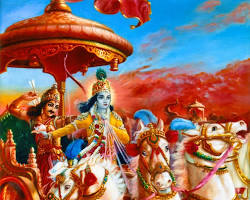
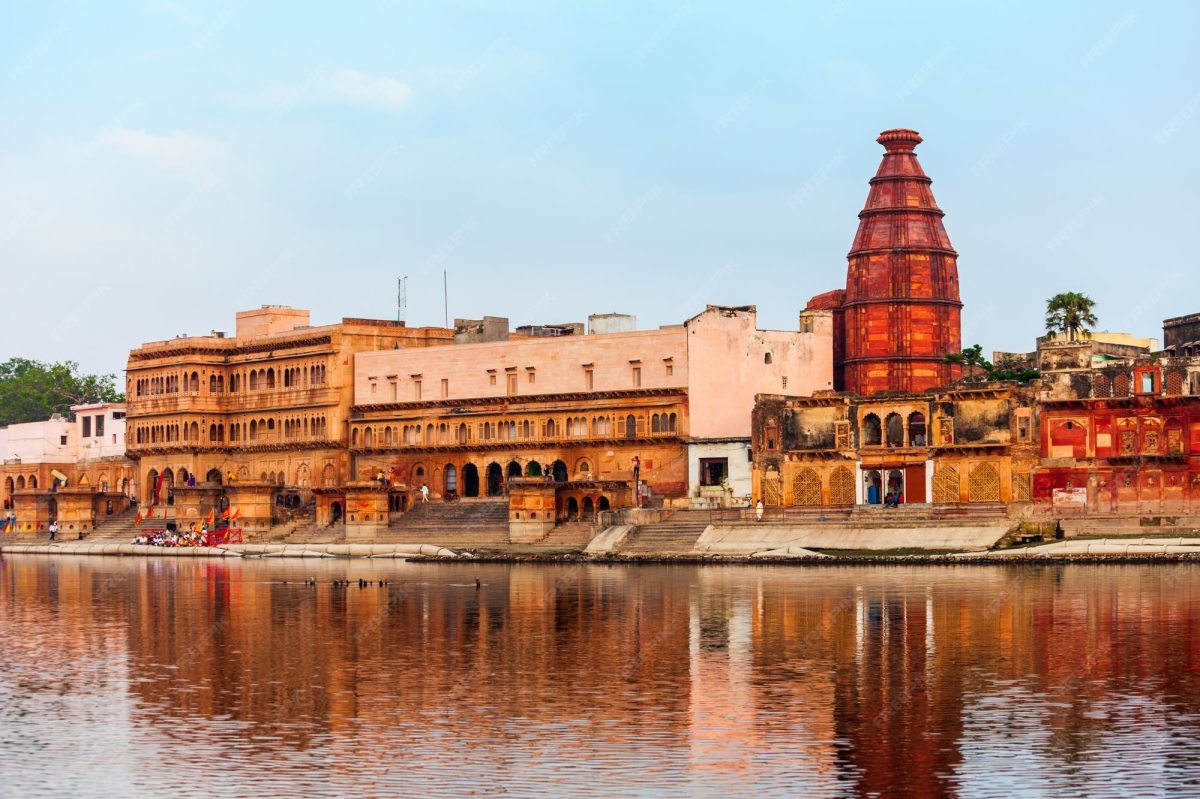

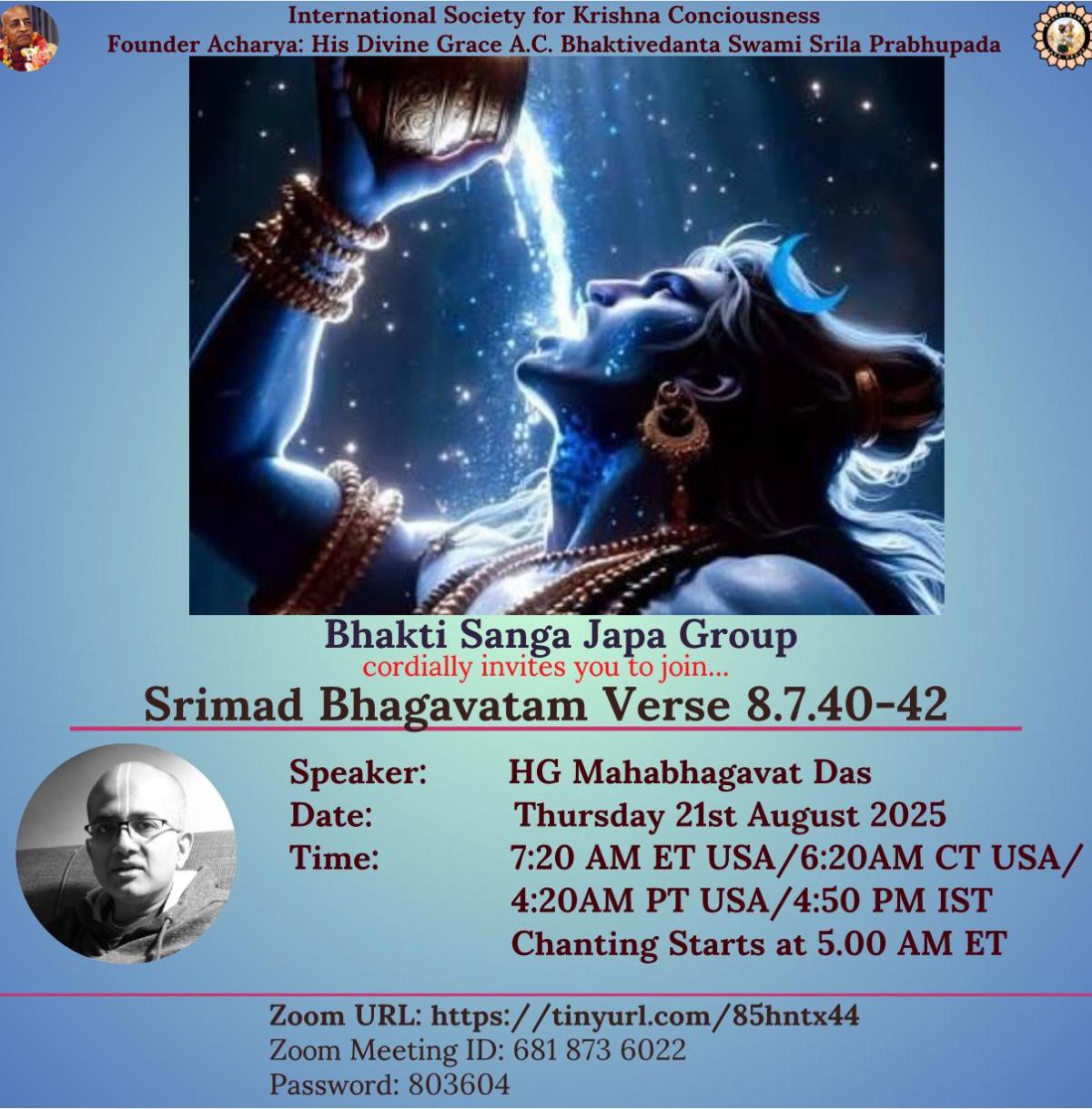
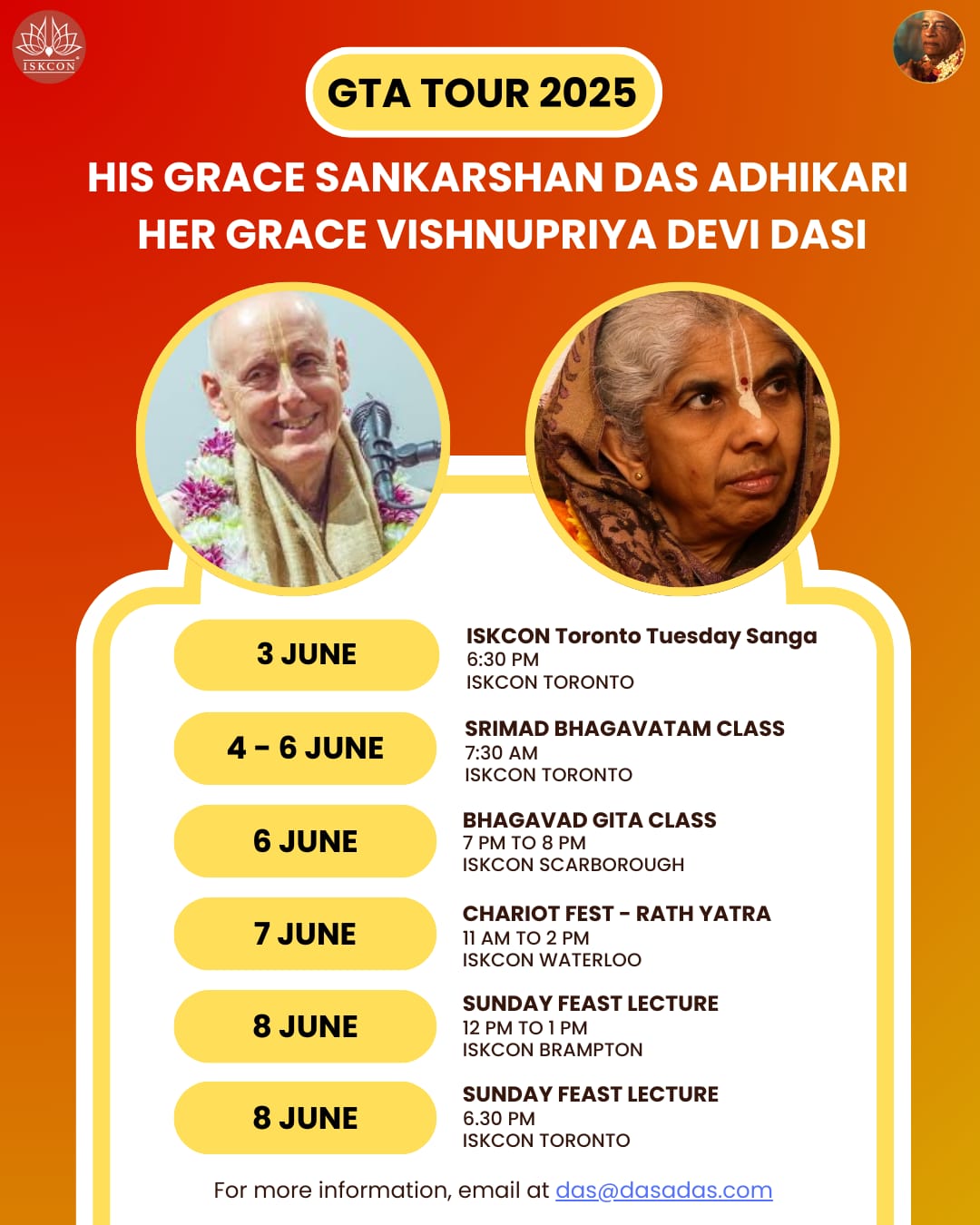

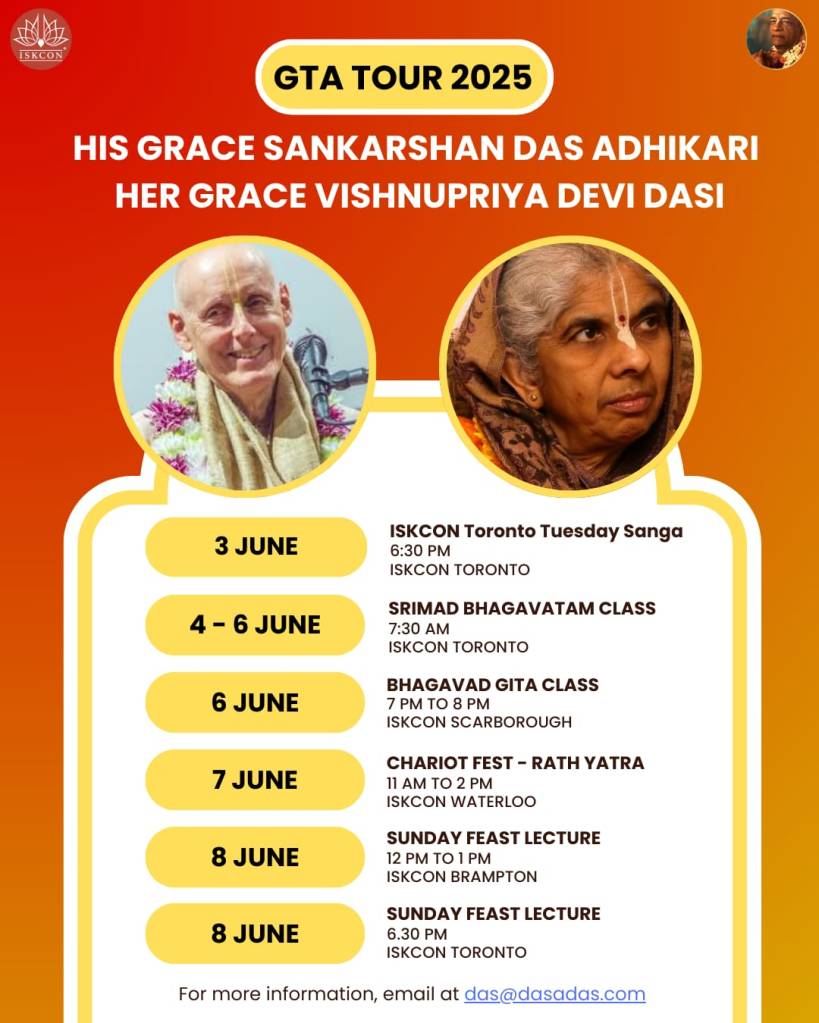


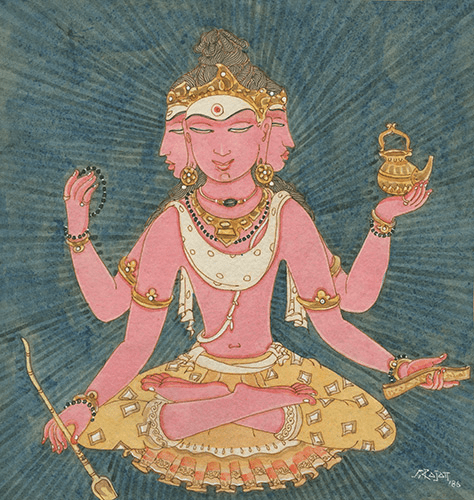


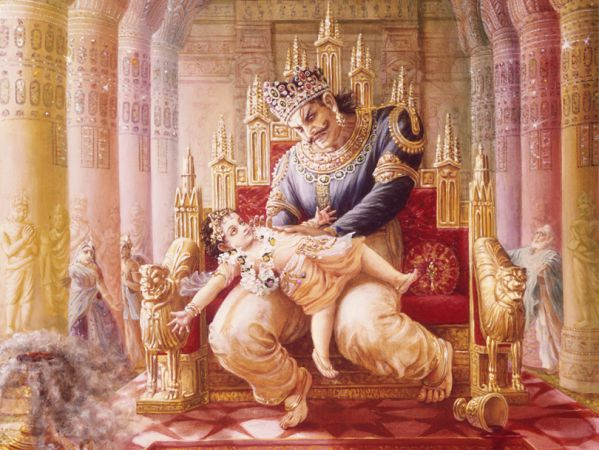

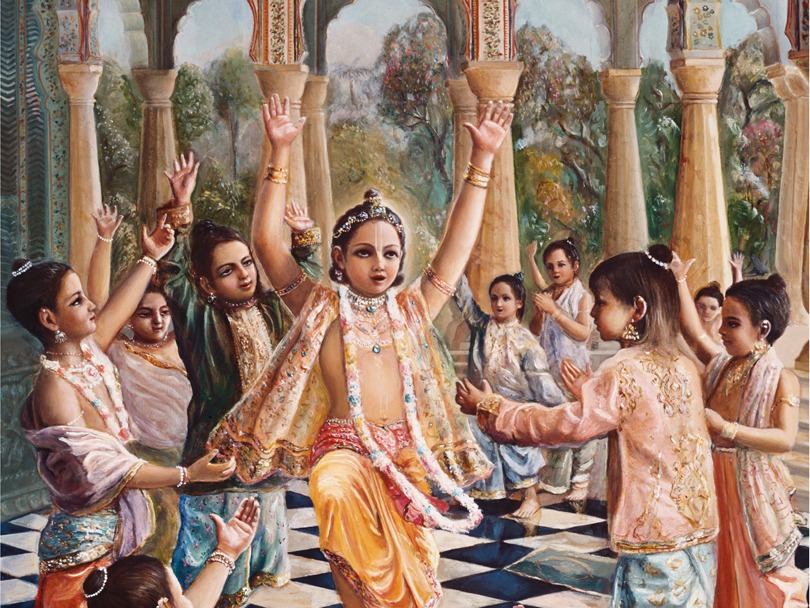
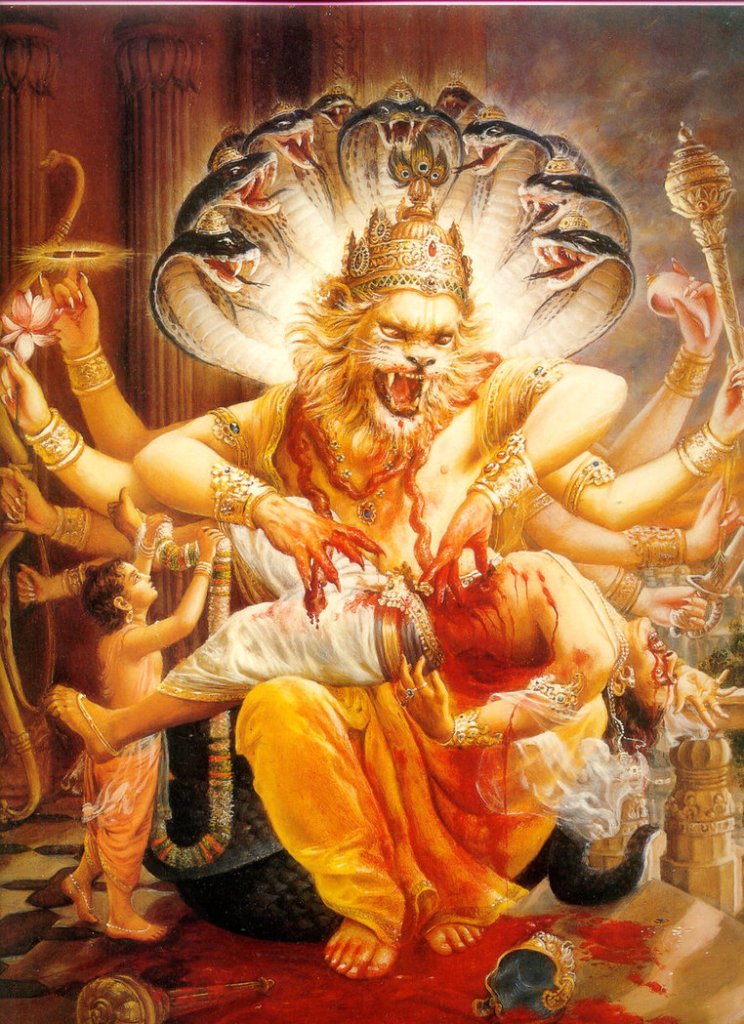
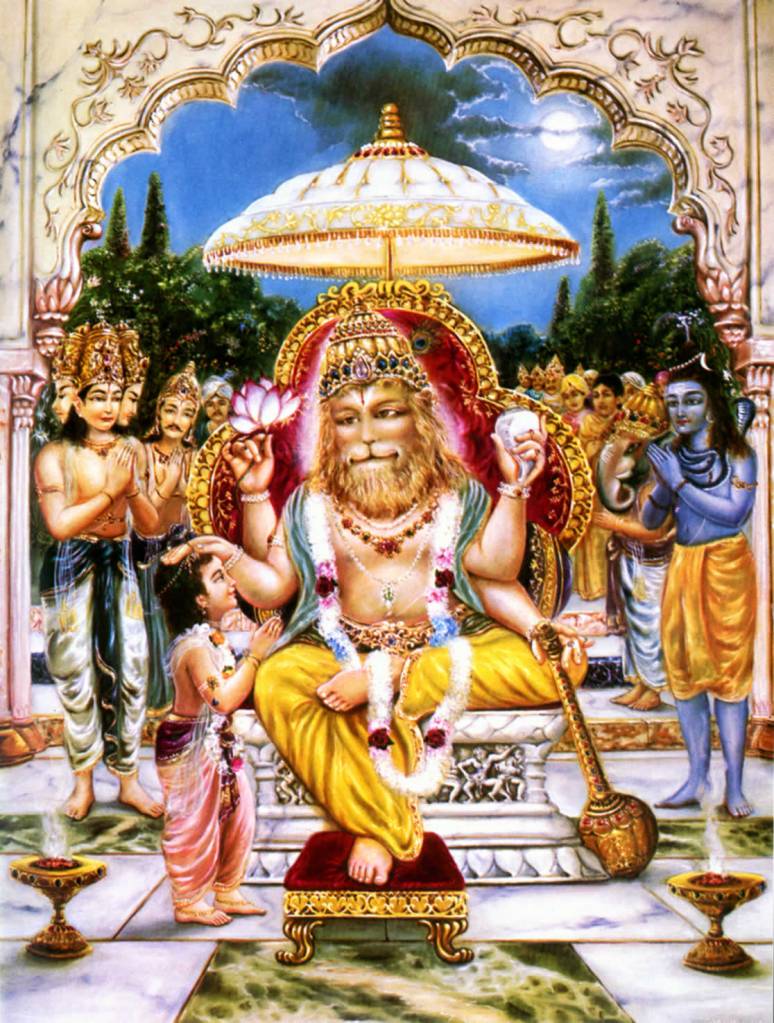
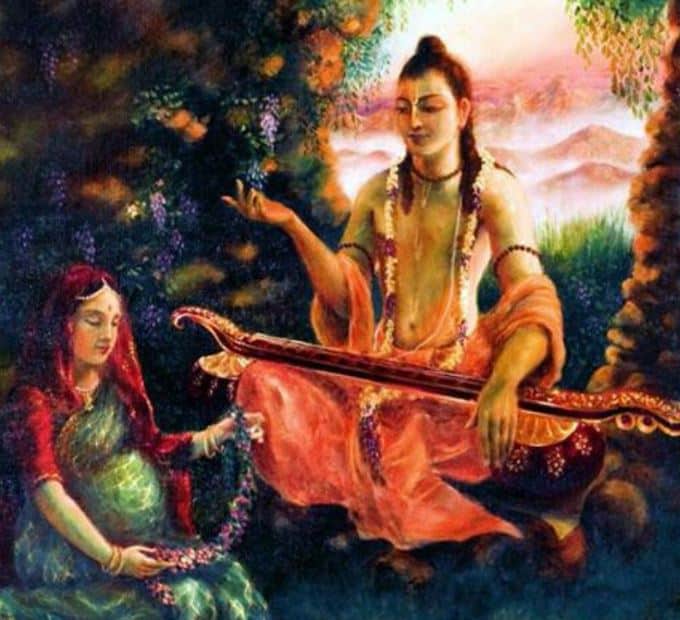


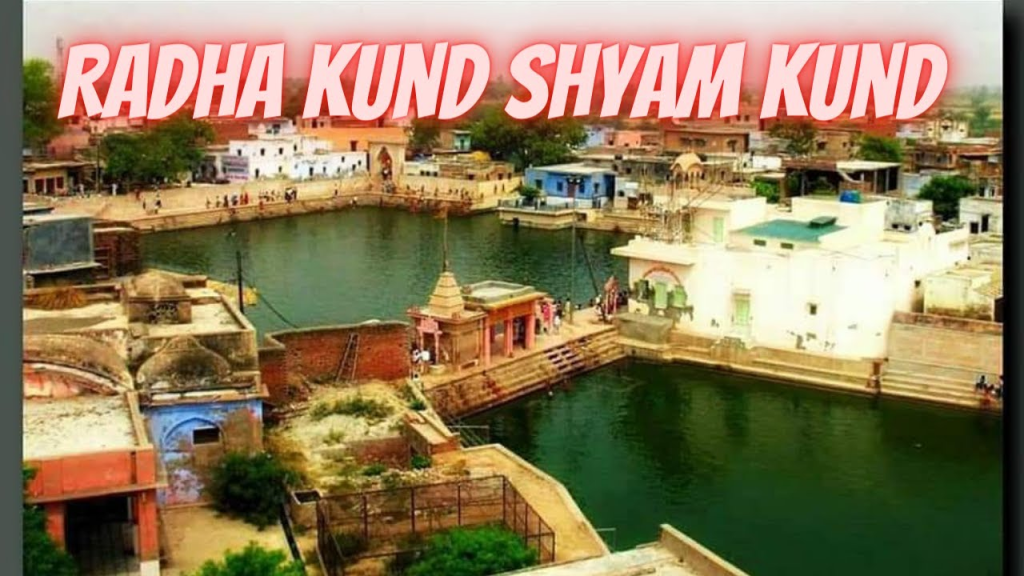
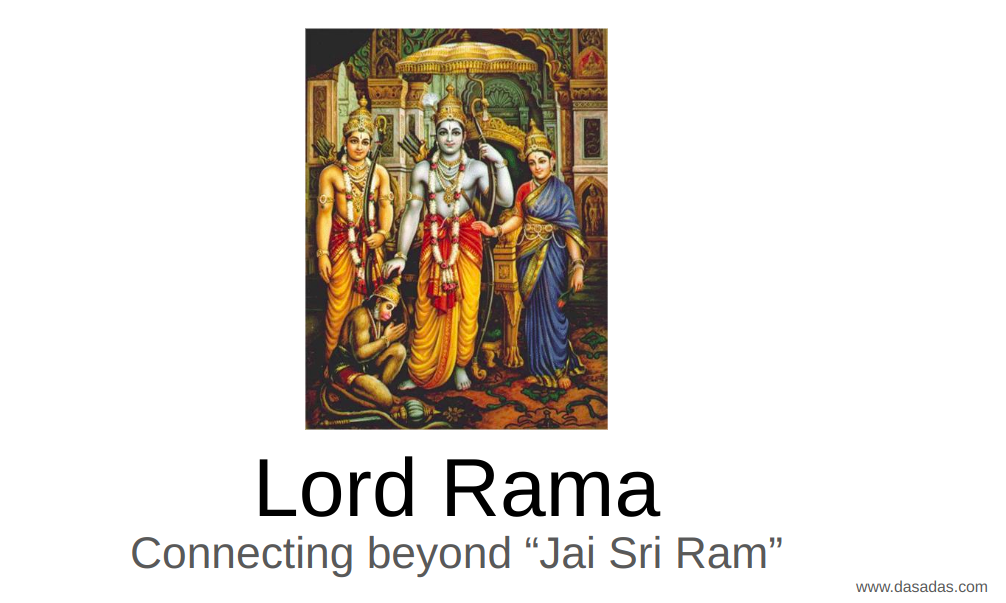
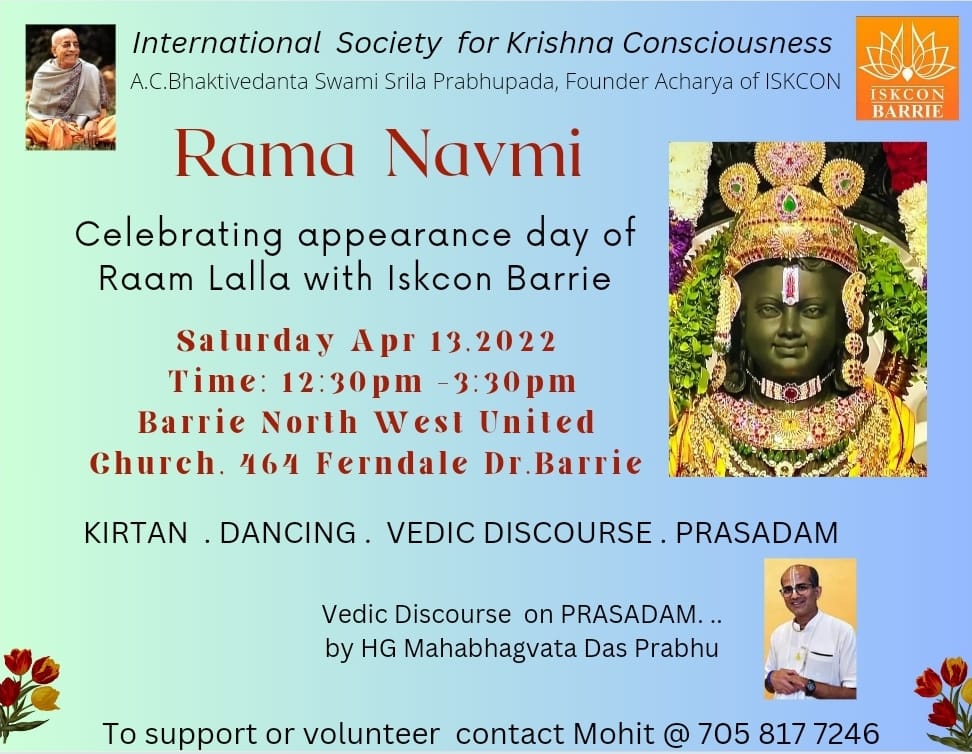
 Freedom through Genuine Spiritual Progress