The blind dog comes to the fair

Ever feel like you’re running in circles, chasing things that look amazing but leave you feeling empty? 🐕🎪

Over 400 years ago, the legendary saint-poet Purandara Dasa wrote a masterclass in spiritual psychology using a stark, unforgettable metaphor: a blind dog wandering aimlessly into a chaotic village fair.

From treating sacred wisdom as mere “quotable quotes” to chasing fleeting illusions, this timeless piece, Kurudu Naayi Santege Bantante is a brilliant mirror for the human condition in material life.

Read this fresh English poetic adaptation and deep-dive explanation to discover why we get lost in the marketplace of life, and how to find our way back. 👇

#Philosophy #Spirituality #PurandaraDasa #IndianHeritage #PoetryOfLife

“Kurudu Naayi Santege Bantante” (ಕುರುಡು ನಾಯಿ ಸಂತೆಗೆ ಬಂತಂತೆ), composed by the 16th-century saint-poet Purandara Dasa, is a masterpiece. This piece of writing is inspired by Purandara Dasa’s great timeless song. I can’t describe in words how much I love this song.

The Blind Dog at the Fair

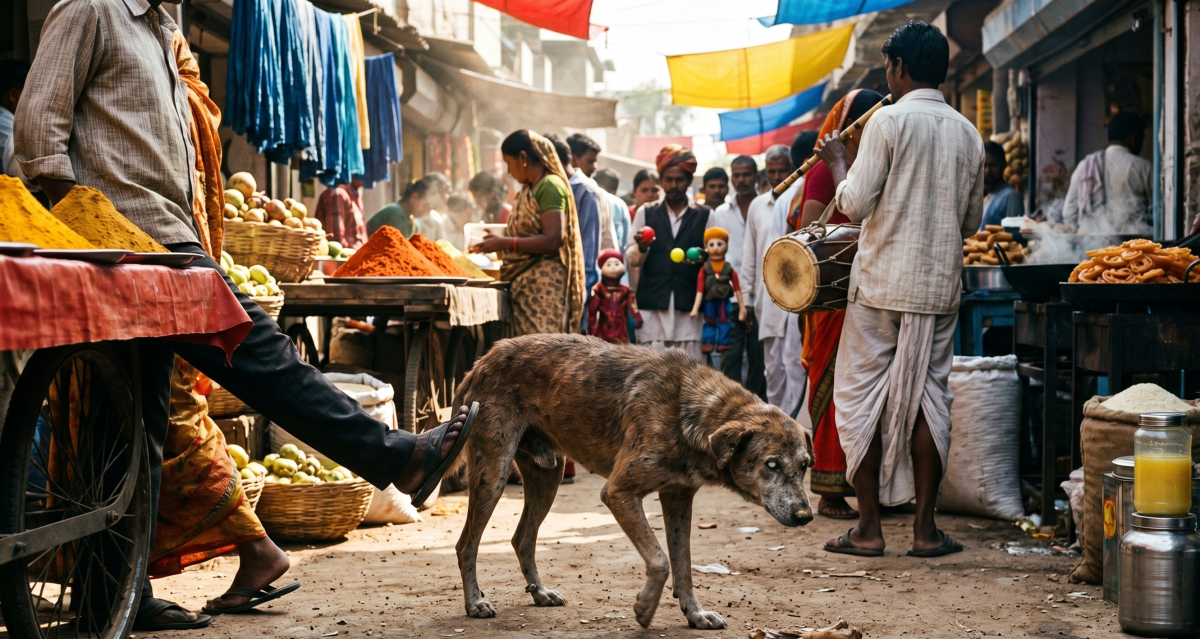
A blind dog wandered to the bustling fair, they say,

With sightless eyes and aimless paws, it stumbled on its way.

It knew not rules of traffic, nor where the paths aligned,

And plunged into the chaos, completely lost and blind.

Around it bloomed a riot of colors, vibrant, loud, and bright,

A grand kaleidoscope of life, hidden from its sight:

Mounds of golden turmeric, near heaps of scarlet spice,

Shining jars of liquid ghee, and sacks of polished rice.

Bright banners waved from canvas tents, trinkets caught the sun,

While sweetmeats fried, bubbling, enticing everyone.

Baskets filled with heavy fruits, and garments dyed in blue;

A dazzling sea of worldly wealth, fully out of view.

And through the crowd, the jugglers toss’d rings of painted wood,

While clever, dark-eyed magicians spun illusions where they stood.

With sleight of hand, they turned, stone into silver coin,

Inviting passing, hollow minds to marvel and to join.

The ragged buskers beat their drums and piped on hollow reeds,

Singing songs of fleeting joy to feed people’s greed.

A dancer spun in frantic steps, a puppeter held its string;

A thousand mock distractions in a loud, enchanted ring.

It spurned the trays of honeyed sweets and platters piled high,

To chew upon a broken bone, splintered, sharp, and dry.

Driven by a hungry belly, searching for a scrap,

It walked into a bustling store, right into a trap.

One vendor kicked it from the front, another struck its side,

With nowhere left to turn or run, and nowhere left to hide.

It yelped in pain but did not leave, sniffing for a bone,

Receiving blows of heavy sticks, and bruised by every stone.

For just a taste of garbage, it endured the market’s wrath,

Forgetting there was freedom outside that crowded path.

Such is fate of the mortal man who walks this earthly stage,

He enters into Samsara, a blinding, chaotic cage.

Through countless cycles, endless births, across a weary span,

It passed a million lifetimes just to win the form of man.

Yet blessed with rare human life, a prize beyond compare,

Squander’d; wandering, trapped in despair.

From garden unto garden, grove to grove, blindly runs,

And through the trackless forests, chasing shadows in the sun.

Bound tightly to its wife and child with fierce, attached embrace,

It anchored all its happiness within a changing face;

But when the hour of parting struck and swept them all away,

It stood alone in emptiness, with not a soul to stay.

It read the sacred Vedic texts just to quotable quote,

And left the inner wisdom, a lesson learned by rote.

Blinded it lost its way, despite the sacred lore,

And walked directly to the gates of Yamaraja’s door.

The priceless jewels of divine grace placed within its hand,

Yet like a clueless monkey, scattered in the sand.

And all this happened, all this grief, this tragic, blinding fall,

Because the foolish, wandering soul forgot the Lord of all.

It clean forgot sweet Krishna’s name, forgot Sri Ranga’s grace,

And turned its back on Vitthala to run this worldly race.

Ignorant of the spirit, blind to God’s design,

To chase the worthless dust of earth, rejecting the Divine.

To take the blows of fate and time, but crawl back for more,

Lured by the cheap illusions of the marketplace’s store.

Oh Purandara Vittala, hear a humble soul’s entreat

Guide me away from the market, back to Your lotus feet.

Purandara Dasa is known for using raw, everyday street imagery to convey profound Vedantic philosophy. In this song, he uses a biting, tragicomic allegory, a blind dog causing chaos at a village fair, to deliver a wake-up call to humanity about the nature of material existence.

I cannot ever do justice to his brilliance myself. But I can try to convey my appreciation for his deep devotion to Krishna and compassion upon souls like me.

1. The Blind Dog and the Fair

The core of the song rests on two brilliant metaphors:

  • The Blind Dog (Kurudu Naayi): Represents the spirit soul (Jivatma). It is “blind” because it lacks spiritual wisdom. It is driven entirely by its base, animalistic instincts… hunger, survival, and immediate sensory gratification.
  • The Market/Fair (Sante): Represents the material world (Samsara). A traditional Indian village market is temporary, loud, chaotic, and crowded. It sets up shop for a day and vanishes overnight, mirroring the fleeting, impermanent nature of worldly life.

When the blind dog stumbles into this chaotic marketplace, it has no map, no vision, and no understanding of how the market works. Similarly, souls plunge into the material world completely ignorant of our true purpose, navigating life purely by trial and error, mostly error.

2. Themes and Spiritual Lessons

The Illusion of Material Wealth (Maya)

The song describes the fair as incredibly vibrant, think piles of golden turmeric, scarlet spices, bubbling sweetmeats, jugglers, magicians, and buskers.

Samsara is not a boring wasteland, the material realm is dangerous precisely because it is so dazzling. The magicians and jugglers represent Maya (cosmic illusion). They perform tricks, turning stones into coins, symbolizing how the material world tricks us into believing that temporary worldly pleasures are permanent and valuable.

daivī hy eṣā guṇamayī mama māyā duratyayā / mām eva ye prapadyante māyām etāṁ taranti te

Translation: “This divine energy of Mine, consisting of the three modes of material nature, is difficult to overcome. But those who have surrendered unto Me can easily cross beyond it.”

https://vedabase.io/en/library/bg/7/14

The Misplaced Appetite (The Broken Bone)

One of the most poignant psychological observations in the song is the dog rejecting trays of honeyed sweets to chew on a dry, splintered, broken bone.

When a dog chews a dry bone, the sharp edges cut its own gums. The dog tastes its own blood but mistakenly believes the taste is coming from the bone. Purandara Dasa uses this to describe human desire: we reject the “honeyed sweet” of spiritual freedom and instead chase material pleasures that actively bind and hurt us, foolishly bleeding for joys that are entirely self-inflicted.

viṣayā vinivartante nirāhārasya dehinaḥ / rasa-varjaṁ raso ’py asya paraṁ dṛṣṭvā nivartate

Translation: “The embodied soul may be restricted from sense enjoyment, though the taste for sense objects remains. But, ceasing such engagements by experiencing a higher taste, he is fixed in consciousness.”

https://vedabase.io/en/library/bg/2/59

The Tragedy of Wasted Human Birth

Human life is incredibly rare, earned only after evolving through millions of lower lifetimes (as insects, birds, and animals).

Purandara Dasa laments that after finally achieving this precious human form, the soul wastes it. Instead of seeking Krishna, it walks “from garden to garden, forest to forest”, aimlessly wandering through the thickets of worldly distractions, entirely forgetting its own spiritual identity as an associate of God.

The Illusion of Temporary Relationships

The song sharply tackles human attachment (Moha). The soul binds itself fiercely to a spouse and children, building its entire universe around them. However, Purandara Dasa delivers a sobering truth: when the time of death arrives, the soul is ripped away from this environment. It enters the world alone, and it leaves the world alone. In the final hour, all worldly attachments are snatched away, leaving the soul to face its karmic accounts alone.

The Failure of Empty Intellectualism

Purandara Dasa was highly critical of ritualism and bookish knowledge devoid of true devotion (Bhakti). He notes that the soul might memorize and study all the Vedic texts, but if it lacks inner truth and humility, it will still lose its way. Intellectual pride only blinds the soul further, leading it straight to the gates of Yamaraja (the demigod in charge of Death and Judgment) to face inevitable punishment.

Lord Sri Krishna ridicules those who use the Vedas merely for temporary material gain or prestige (the “flowery words” or “quotable quotes”) rather than realizing that the ultimate purpose of all Vedic study is to know Krishna and serve Him.

yām imāṁ puṣpitāṁ vācaṁ pravadanty avipaścitaḥ / veda-vāda-ratāḥ pārtha nānyad astīti vādinaḥ

Translation: “People of small knowledge are very much attached to the flowery words of the Vedas, which recommend various fruitive activities… They say that there is nothing more than this.”

https://vedabase.io/en/library/bg/2/42-43

The Monkey and the Jewels

The poet uses a famous Kannada phrase, mangana kaiyalli manikyavante (like a precious gemstone in the hands of a monkey). A monkey has no concept of the value of a gemstone; it may simply play with it for a bit, surely get bored, and drop it in the sand somewhere. Divine grace, human consciousness, and the opportunity for spiritual perfection are the “priceless jewels” given to us, which many of us foolishly throw away to chase the worthless dust of material accumulation.

The Root Cause and the Remedy

Ultimately, Purandara Dasa asks: Why does the soul suffer like a stray dog being kicked from one market stall to the next?

The answer is simple: It forgot. It forgot the name of Krishna, it forgot the grace of Sri Ranga (Krishna), and it turned its back on our best friend and well-wisher, Krishna. The continuous “kicks and blows” we receive from fate, time, illness, and heartbreak are the natural consequences of wandering through the marketplace of Samsara unguided.

ye hi saṁsparśa-jā bhogā duḥkha-yonaya eva te / ādy-antavantaḥ kaunteya na teṣu ramate budhaḥ

Translation: “An intelligent person does not take part in the sources of misery, which are due to contact with the material senses. O son of Kuntī, such pleasures have a beginning and an end, and so the wise man does not delight in them.”

https://vedabase.io/en/library/bg/5/22

The wise person walks away from the market stalls of illusion, while the “blind dog” stays and helplessly takes the blows.

The song concludes not in despair, but with the classic signature (Ankita Mudra) of the poet. The only way out of the chaotic, abusive market of materialistic life is to stop chasing the scraps of the world, surrender the false ego, and find permanent refuge at the lotus feet of Purandara Vitthala (Krishna).

sarva-dharmān parityajya mām ekaṁ śaraṇaṁ vraja / ahaṁ tvāṁ sarva-pāpebhyo mokṣayiṣyāmi mā śucaḥ

Translation: “Abandon all varieties of religion and just surrender unto Me. I shall deliver you from all sinful reactions. Do not fear.”

https://vedabase.io/en/library/bg/18/66

I like this song because the song really sings my story, and likely yours. Fortunately for me, my master has already searched out and found me, has claimed me, and by his torchlight of knowledge, my blindness is disappearing rapidly.

This song gives me great hope. I know am on my way back home. Won’t you come with me?

Hear this song in Kannada.

Kannada lyrics and lyrics in latin scripts with diacritics below, with gratitude to Smt. Meera Subbarao. Especially in the original lyrics of the great Purandara Dasa, they have a haunting melody and reminder that stays long after we’ve heard it just once.

Original Lyrics

ಕುರುಡು ನಾಯಿ ಸಂತೆಗೆ ಬಂತಂತೆ || PA ||
ಅದು ಯಾತಕೆ (ಯಾಕೆ) ಬಂತೋ || A PA ||

ಖಂಡ ಸಕ್ಕರೆ ಹಿತವಿಲ್ಲವಂತೆ ಖಂಡ ಎಲುಬು ಕಡಿದಿತಂತೆ
ಹೆಂಡಿರ ಮಕ್ಕಳ ನೆಚ್ಚಿತಂತೆ ಕೊಂಡು ಹೋಗುವಾಗ ಯಾರಿಲ್ಲವಂತೆ || 1 ||

ಭರದಿ ಅಂಗಡಿ ಹೊಕ್ಕಿತಂತೆ ತಿರುವಿ ದೊಣ್ಣೆಲಿ ಇಕ್ಕಿದರಂತೆ
ಮರೆತರಿನ್ನು ವ್ಯರ್ಥವಂತೆ ನರಕದೊಳಗೆ ಬಿದ್ದಿತಂತೆ || 2 ||

ವೇದಶಾಸ್ತ್ರವನೋದಿತಂತೆ ಗಾದೆಯ ಮಾಡಿ ಬಿಟ್ಟಿತಂತೆ
ಹಾದಿ ತಪ್ಪಿ ನಡೆದು ಯಮನ ಬಾಧೆಗೆ ತಾ ಗುರಿಯಾಯಿತಂತೆ || 3 ||

ನಾನಾ ಜನ್ಮವನೆತ್ತಿತಂತೆ ಮಾನವನಾಗಿ ಹುಟ್ಟಿತಂತೆ
ಕಾನನಕಾನನ ತಿರುಗಿತಂತೆ ತಾನು ತನ್ನನೆ ಮರೆಯಿತಂತೆ || 4 ||

ಮಂಗನ ಕೈಯ ಮಾಣಿಕ್ಯದಂತೆ ಹಾಂಗೂ ಹೀಂಗೂ ಕಳೆದೀತಂತೆ
ರಂಗವಿಠಲನ ಮರೆತಿತಂತೆ ಭಂಗ ಬಹಳ ಪಟ್ಟಿತಂತೆ || 5 ||

kuruḍu nāyi santege bantante || PA ||

adu yāke bantō || A PA ||

khaṇḍa sakkare hitavillavante khaṇḍa elubu kaḍiditante

heṇḍira makkaḷa neccitante koṇḍu hōguvāga yārillavante || 1 ||

bharadi aṅgaḍi hokkitante tiruvi doṇṇeli ikkidarante

maretarinnu vyarthavante narakadoḷage bidditante || 2 ||

vēdaśāstravanōditante gādeya māḍi biṭṭitante

hādi tappi naḍedu yamana bādhege tā guriyāyitante || 3 ||

nānā janmavanettitante mānavanāgi huṭṭitante

kānanakānana tirugitante tānu tannane mareyitante || 4 ||

maṅgana kaiya māṇikyadante hāṅgū hīṅgū kaḷedītante

raṅgaviṭhalana maretitante bhaṅga bahaḷa paṭṭitante || 5 ||

I pray never to forget the import of this song, may Sri Purandara Dasa and all the great Vaishnava saints guide me back home.

Hare Krishna Hare Krishna Krishna Krishna Hare Hare Hare Rama Hare Rama Rama Rama Hare Hare
The Hare Krishna Mahamantra

How Spiritual Practices Combat Material Pollution

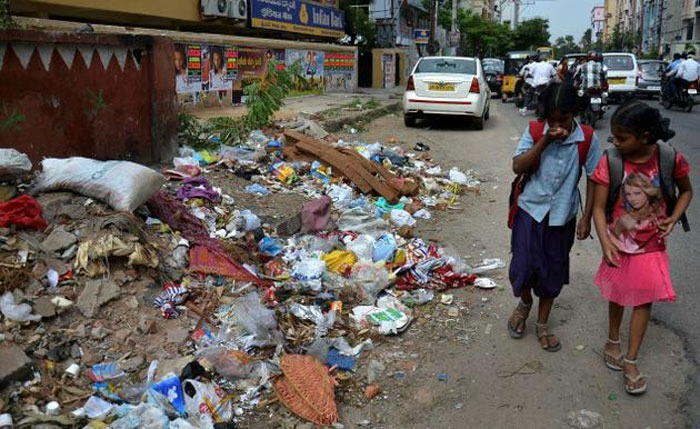
Hyderabad, like many other cities, is a vibrant chaos of litter. Dedicated street cleaners face a relentless battle against the chronic litterbugs who trash the city daily. Despite their morning efforts, the streets revert to their messy state by evening. This mirrors our spiritual lives where temporary cleansings fail to eliminate deeper impurities. The battle against sin and distraction is exacerbated by our habits that pollute consciousness. The antidote? Fully embrace Krishna Consciousness—an all-encompassing practice that brings clarity, purpose, and purity to both streets and spirit.

I am here in India presently, the booming bustling messy city of Hyderabad.

Every morning, I walk back from the temple after the morning program. I admire the cleaners busily cleansing the streets of all sorts of garbage… pieces of paper, plastic wrappers, cigarette butts, and more.

Street Sweepers in Hyderabad

They work quite hard, actually. They diligently sweep and clean up everything. They collect it all, put it into their carts, and take it all away. At about 8 AM in the morning, everything looks so neat and clean!

But come the afternoon, the streets look almost the same as they did before. This, despite all the hard work by the cleaners of Hyderabad!

No matter how much the cleaners clean, Hyderabad streets remain as messy as ever.

What just happened?

Litterbug city

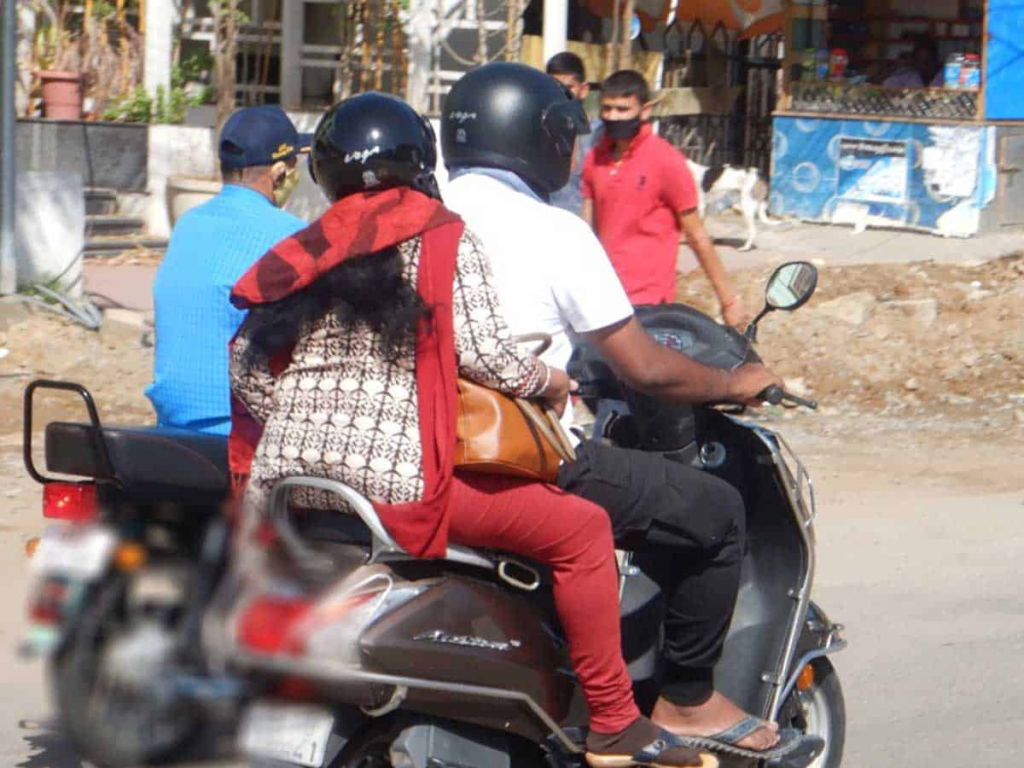
The culprits are the citizens (no offense intended) of Hyderabad! Most of them are chronic litterbugs… I saw one man on a motorcycle. He opens up a sachet of tobacco. He pops the contents into his mouth and discards the wrapper right there. All this while he is stopped in traffic.

Motorcycle riders in Hyderabad

A child peels the wrapper off a sweet. She pops it into her mouth. Then she discards the wrapper.

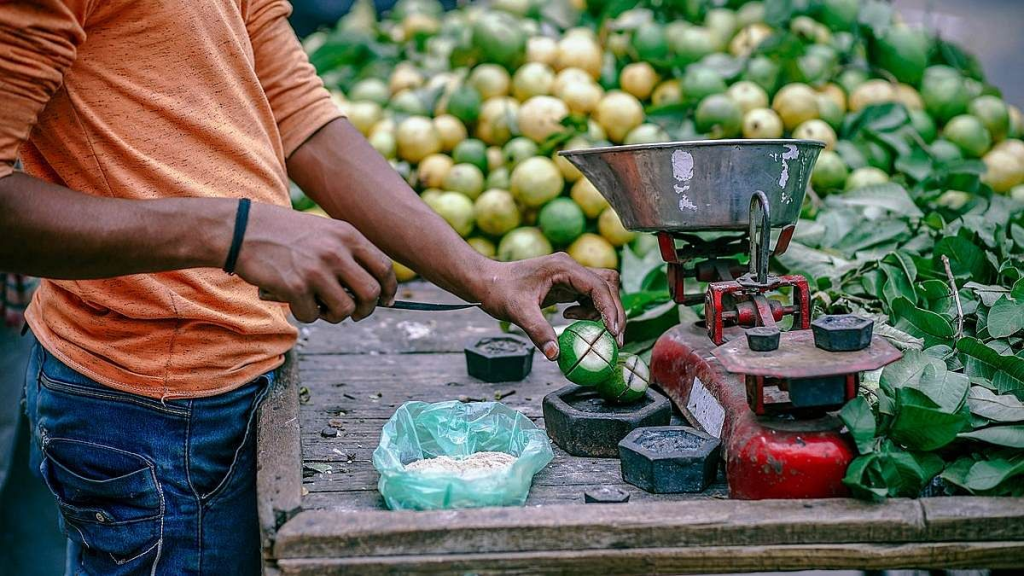
A street vendor is preparing some fruit for sale… He discards all the peels in a heap behind his cart.

A fruit vendor in Hyderabad

A housewife has just swept her home, and she dumps the rubbish right on the street outside her house.

A man in a business suit is in a chauffeured car. He rolls down the tinted window of his fancy car. He out throws out an envelope, carefully torn into tiny bits. He spits out a stream of red tobacco induced liquid.

Boys light firecrackers on the street – it is a few weeks to Diwali. They’re getting a head start on the merriment… Every firework is left right there on the street where it went off… Bits of plastic, paper tubes, shredded paper.

Multiply that 11 Million times… the population of Hyderabad. It’s a recipe for one messy place!

Then the next morning, the cleaners will be at it again… sweep, collect, throw.

But Hyderabad looks as messy as ever, day after day. The rivers are open sewers, drains are clogged with plastic film… People have been spitting all over the place.

The cleaners don’t stand a chance, they are outnumbered!

Spiritual Cleansing, Materialistic Littering

On the spiritual path, people often engage in cleanups… Prayers, Purificatory rituals, penances, austerities… But sometimes we feel discouraged when there is no progress.

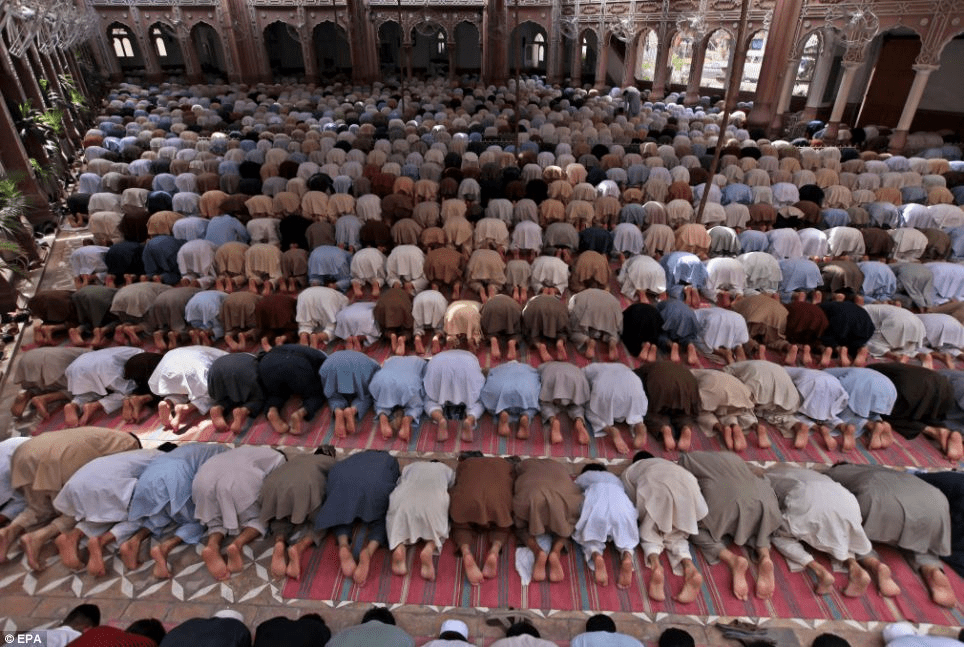
Faithful Muslims Praying

Let’s say someone prays or meditates (cleansing the consciousness) for 5 minutes, 20 minutes, or even two hours every day. Or more. What happens for the remaining time during the day?

It’s the same thing – gotta’ stop littering for the effects of the cleaning to show!

The streets of Hyderabad are cleaned each morning. But the actions of the chronic litterbugs make it seem futile. Similarly, our consciousness can be littered by where we choose to focus our attention.

It is important to focus our consciousness in a way that doesn’t litter our consciousness with more materialistic garbage.

The elephant’s bath

In a picturesque analogy from the Bhagavatam, King Parikshit makes this astute observation. He observes the souls passing in turn through regions of enjoyment and purgatory throughout the Universe. Souls are rewarded with heavenly pleasures for their pious activities, and punished for their sinful activities.

King Parikshit receives transcendental knowledge from the great sage Sukadeva Goswami

These pious and impious activities don’t cancel each other out. The after-effects of both must be experienced separately. Enjoyment for pious deeds, and suffering for the impious. And every such activity leaves behind a seed of future entanglement.

Many of us on the spiritual path are very keen to avoid the sinful activities. But all too often, we still fall victim.

क्‍वचिन्निवर्ततेऽभद्रात्‍क्‍वचिच्चरति तत्पुन: ।
प्रायश्चित्तमथोऽपार्थं मन्ये कुञ्जरशौचवत् ॥ १० ॥

kvacin nivartate ’bhadrāt
kvacic carati tat punaḥ
prāyaścittam atho ’pārthaṁ
manye kuñjara-śaucavat

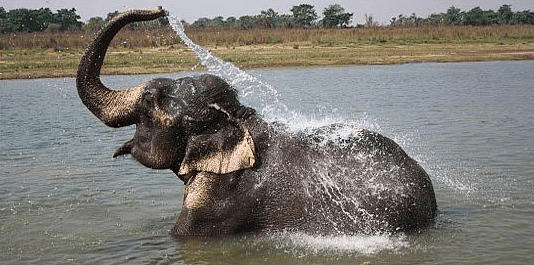
Sometimes one who is very alert so as not to commit sinful acts is victimized by sinful life again. I therefore consider this process of repeated sinning and atoning to be useless. It is like the bathing of an elephant, for an elephant cleanses itself by taking a full bath, but then throws dust over its head and body as soon as it returns to the land.

https://vedabase.io/en/library/sb/6/1/10/

An elephant bathes himself with clean water
An elephant showers himself with mud

Many of us do the same… we engage in purification, and then we cover our consciousness with dirt.

What is that “dirt”… It is activities which cover our spiritual consciousness with material contamination. Think television, newspapers, mundane movies, games of crickets and soccer, video games, internet gossip and worse.

Why?

It’s so important to lose the habit of littering our consciousness!

Lord Krishna says this in His Song, the Bhagavad Gita, the Song of God…

विषया विनिवर्तन्ते निराहारस्य देहिनः ।
रसवर्जं रसोऽप्यस्य परं दृष्ट्वा निवर्तते ॥ ५९ ॥

viṣayā vinivartante
nirāhārasya dehinaḥ
rasa-varjaṁ raso ’py asya
paraṁ dṛṣṭvā nivartate

Though the embodied soul may be restricted from sense enjoyment, the taste for sense objects remains. But, ceasing such engagements by experiencing a higher taste, he is fixed in consciousness.

https://vedabase.io/en/library/bg/2/59/

You see, the taste for sense objects remains. There is facility, there is time, and so, we fall headlong.

But is there a way to prevent this? How to avoid the fall?

केचित्केवलया भक्त्या वासुदेवपरायणा: ।
अघं धुन्वन्ति कार्त्स्‍न्येन नीहारमिव भास्कर: ॥ १५ ॥

kecit kevalayā bhaktyā
vāsudeva-parāyaṇāḥ
aghaṁ dhunvanti kārtsnyena
nīhāram iva bhāskaraḥ

Translation

Only a rare person who has adopted complete, unalloyed devotional service to Kṛṣṇa can uproot the weeds of sinful actions with no possibility that they will revive. He can do this simply by discharging devotional service, just as the sun can immediately dissipate fog by its rays.

https://vedabase.io/en/library/sb/6/1/15/

The process of Krishna Consciousness is so sublime. There is Krishna Consciousness activity to immerse ourselves twenty four hours a day.

24/7 Spiritual Engagement

We can start with rising early for Mangala Arati. We can engage in a full morning program of hearing, chanting, and worship. Our consciousness becomes charged up with Krishna. We can then insert Krishna Conscious thoughts, words, and deeds throughout the day as we go about our duties.

And of course, someone who rises early is also forced to rest early. So much trouble avoided!

And of course, genuine spiritualists do not litter. Not their consciousness, not their homes, nor their streets.

Let us take advantage of this process! Want to avoid littering your streets of your consciousness? Want to know how?

P.S: I have nothing against the city or the people of Hyderabad. It is practically the same story in every village, town, or city in the world. It is the terrible practice of littering, both spiritual and material, but especially the spiritual littering that I’m advocating against.

Poor St. Patrick

St. Patrick is the patron saint of Ireland, he brought Christianity to Ireland. Why then is he associated with excessive alcohol consumption? Poor St. Patrick.

As I write this, it is St. Patrick’s day. St. Patrick brought Christianity to Ireland. While Christianity is a wide range of beliefs, and some Christians are more austere than others, it is amazing to note how many people use St. Patrick’s day to eat like hogs and transform their consciousness to a lowly animal-like state, all in the name of St. Patrick.

Legend has it that St. Patrick drove the snakes out of Ireland, though some say there were no snakes there to begin with. Some others say that this is a reference to how, by the introduction of Christianity, St. Patrick drove out paganism, represented by snakes.

And how did it start that the poor old St. Patrick got saddled with excessive indulgence to mark his day, the day of his disappearance? Note I say disappearance, not death, because great saints never die, they simply disappear from our vision, even an ordinary soul does not really die, simply changes bodies.

many Christians fast for Lent, the period of time before Easter. The regulations are strict, some live only by bread and water for 40 days before Easter. Someone made a foolish decision to let the Christians put their restrictions aside and indulge in eating, drinking, and all sorts of merry-making on this day. And, this easing was interpreted in this sort of pathetic, drunken, animalistic behaviour as we see on St. Patrick’s day especially much of the western world.

विषया विनिवर्तन्ते निराहारस्य देहिनः ।
रसवर्जं रसोऽप्यस्य परं दृष्ट्वा निवर्तते ॥ ५९ ॥

viṣayā vinivartante
nirāhārasya dehinaḥ
rasa-varjaṁ raso ’py asya
paraṁ dṛṣṭvā nivartate

Though the embodied soul may be restricted from sense enjoyment, the taste for sense objects remains. But, ceasing such engagements by experiencing a higher taste, he is fixed in consciousness.

https://vedabase.io/en/library/bg/2/59/

It is clearly stated that in order to let go of a lower taste, one must develop a higher taste, and without this, after the end of denial comes overindulgence – because the underlying taste remains!

It also shows the calibre of the leadership and populace who cannot change the consciousness from a lower taste to a higher taste…

श्वविड्‍वराहोष्ट्रखरै: संस्तुत: पुरुष: पशु: ।
न यत्कर्णपथोपेतो जातु नाम गदाग्रज: ॥ १९ ॥

śva-viḍ-varāhoṣṭra-kharaiḥ
saṁstutaḥ puruṣaḥ paśuḥ
na yat-karṇa-pathopeto
jātu nāma gadāgrajaḥ

Men who are like dogs, hogs, camels and asses praise those men who never listen to the transcendental pastimes of Lord Śrī Kṛṣṇa, the deliverer from evils.

https://vedabase.io/en/library/sb/2/3/19/

Since St. Patrick is associated with driving away the snakes of ignorance, please see here what the Bhagavatam says…

बिले बतोरुक्रमविक्रमान् ये
न श‍ृण्वत: कर्णपुटे नरस्य ।
जिह्वासती दार्दुरिकेव सूत
न चोपगायत्युरुगायगाथा: ॥ २० ॥

bile batorukrama-vikramān ye
na śṛṇvataḥ karṇa-puṭe narasya
jihvāsatī dārdurikeva sūta
na copagāyaty urugāya-gāthāḥ

One who has not listened to the messages about the prowess and marvelous acts of the Personality of Godhead and has not sung or chanted loudly the worthy songs about the Lord is to be considered to possess earholes like the holes of snakes and a tongue like the tongue of a frog.

https://vedabase.io/en/library/sb/2/3/20/

Poor St. Patrick! May he be at peace even after knowing that most of those he tried to save have completely strayed from his instructions to them and are making a mockery of his memory.

As for Ireland, and everyone who wishes to be saved from sliding down, following in the footsteps of St. Patrick, this is the fastest method for a consciousness upgrade. Just chant…

Chanting the Hare Krishna Mahamantra is the fastest way to a consciousness upgrade.

St. Patrick may not have known this Maha mantra himself as Europe was in the dark ages an not yet ready for this sublime mantra back then. But when St. Patrick hears this mantra, he will surely join us. Now we are in the Golden Age. This would be the real St. Patrick’s day if you could chant this mantra even once! Try it!