Why a Dog? And Why Blind? Unpacking Purandara Dasa’s Master Metaphor

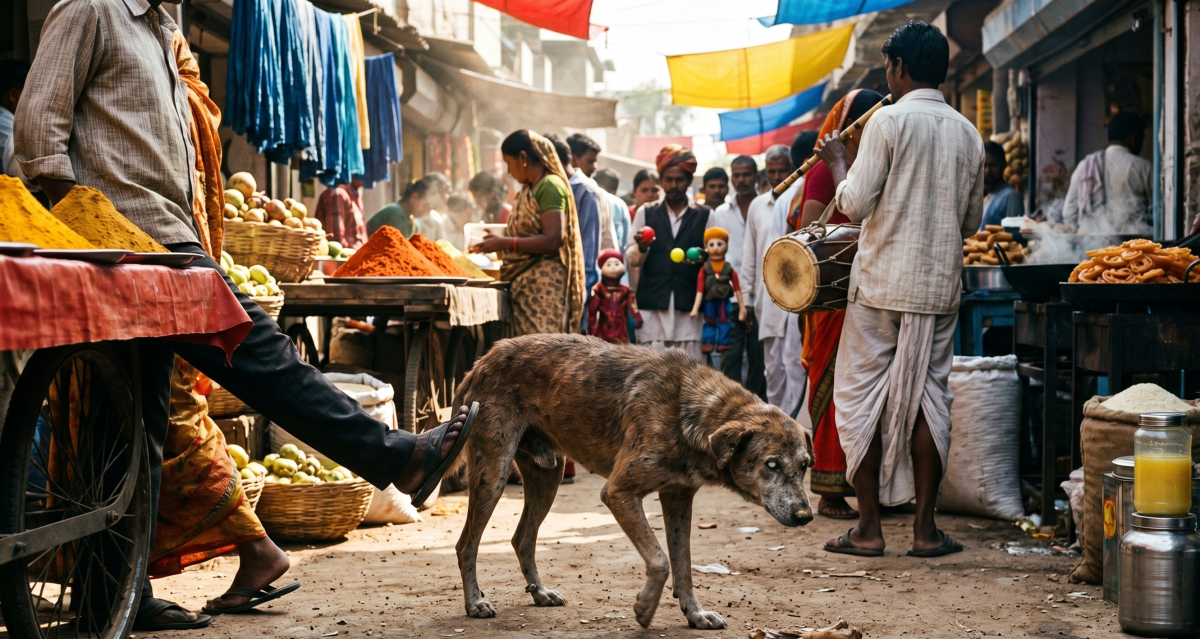
Why would a 16th-century saint-poet choose a blind street dog wandering into a crowded village market to describe the human condition? In my previous post, we explored Purandara Dasa’s masterclass in spiritual psychology, Kurudu Naayi Santege Bantante. But behind this allegory lies a deeper question: out of 8.4 million species of life, why specifically a dog? And why blind?

Today, we peel back the layers of this brilliant metaphor. By examining raw animal behavior alongside timeless Vedic scriptures, we discover an uncomfortable truth: this sightless, wandering dog isn’t just poetry, it is a mirror holding up our own lives.

In a previous post, A blind dog comes to the fair, I promised you a more detailed exploration of the 16th-century saint-poet Purandara Dasa’s timeless song, “Kurudu Naayi Santege Bantante”.

In this article, we will focus on the sheer genius of his chosen imagery: Why did he specifically choose a “dog”? And why a “blind dog” at that? This is what we’re focusing on n this article.

ಕುರುಡು ನಾಯಿ ಸಂತೆಗೆ ಬಂತಂತೆ
ಅದು ಯಾತಕೆ (ಯಾಕೆ) ಬಂತೋ

kuruḍu nāyi santege bantante

adu yāke bantō

A blind dog stumbled to the bustling fair,

With sightless eyes and an aimless tread;

Ah, who can say what brought it to the market square,

Or by what strange desire it was led?

Though it is impossible to fully grasp the inner depth and complete import of a great saint like Purandara Dasa, we can make a humble attempt to understand the brilliant lessons hidden inside this poignant analogy, and see how it directly mirrors the wisdom of the Śrīmad-Bhāgavatam and Bhagavad-gītā.

Translating High Philosophy into Everyday Street Language

The profound truths contained in Sanskrit scriptures like the Bhagavad-gītā and Śrīmad-Bhāgavatam can sometimes feel distant or abstract to ordinary people busy navigating the struggles of daily life. This is where the compassionate genius of saint-poets like Purandara Dasa shines.

As a prominent leader of the Haridasa movement and the father of Carnatic music, Purandara Dasa made it his mission to take high Vedantic philosophy out of exclusive scholastic circles and bring it straight to the streets. Instead of overwhelming everyday listeners with dense technical terminology, he wrapped timeless spiritual psychology in raw, unforgettable, real-world imagery.

By recasting Samsara (the endless cycle of material birth and death) as a noisy, chaotic village fair (sante), and the illusioned spirit soul as a blind dog wandering through it, Purandara Dasa transformed complex theology into a vivid wake-up call that anyone, from a scholar to a street vendor could immediately grasp and feel in their heart.

Out of 8,400,000 Species of Life, Why a “Dog”?

According to Vedic knowledge, the soul travels through 8.4 million species of life across endless cosmic cycles. So why did Purandara Dasa select a dog to represent the soul adrift in the material world?

A dog possesses a psychological profile that uncannily reflects conditioned human nature. In fact, in the commentary to Śrīmad-Bhāgavatam 2.3.19, the acharyas detail these exact traits: a dog wags its tail for anyone who offers a scrap of bread, barks fiercely at strangers, submits completely to a stronger opponent by rolling on its back, yet fights bitterly over a bone with its equals, and mercilessly subdues the weak.

Purandara Dasa draws on these precise characteristics to hold up a mirror to our own lives:

  1. Very Relatable: Dogs have lived alongside human society since antiquity, making their behavior instantly recognizable to all of us.
  2. Fickle Faithfulness: A dog exhibits intense devotion, but primarily to whoever provides it with immediate sensory gratification or food.
  3. Hostile to Strangers: It barks at, mistrusts, and attacks anyone outside its familiar circle.
  4. Unpredictable Loyalty: Despite its reputation for loyalty, a dog can unexpectedly turn on and bite the very master who feeds it.
  5. Fiercely Territorial: It is especially inimical to competitors, viciously guarding its small patch of dirty pavement or territory.
  6. Flattering to the Strong: It knows how to be submissive, rolling over and flattering a proven stronger opponent to avoid a thrashing.
  7. A Dog-Eat-Dog World: When survival is on the line, dogs can be ruthless. Take Jack London’s The Call of the Wild, when sled dogs fight, the loser, even if stronger than the rest, ends up torn to shreds and eaten by the rest of the pack.
  8. Endless Sensory Greed: A dog is perpetually greedy, sniffing around for new sensory experiences, pacing endlessly with its tongue hanging out.

We Are Like That Dog

When we examine this list honestly, a sobering realization hits home: we are like that dog.

(If my use of the word “we” throughout this article felt presumptuous or brought any offense, please forgive me. I speak first and foremost of myself and those who share in my struggles.)

In our material conditioning, we are experts at making high-minded resolutions, but terrible at living up to them.

Imagine a dog sitting on a foul heap of garbage, quietly pondering, seemingly reconsidering its life choices after finding nothing of value. The very moment someone throws a fresh bag of new garbage onto the heap, off the dog runs to investigate.

We do the exact same thing. We recognize the emptiness of worldly pursuits, vow to pursue a higher spiritual life, and then abandon our resolve the instant a shiny new distraction is tossed into our path.

Lord Kapila describes this tragic loop of worldly attachment in Śrīmad-Bhāgavatam 3.30.20:

तत्राप्यनाथवत् क्षेत्रे गृहेत्ताभिरुपेक्षितः ।

यथा गृहे शुनाहारमुपानीतमश्नन् भूङ्क्ते ॥

tatrāpy anāthavat kṣetre gṛhe tābhir upekṣitaḥ

yathā gṛhe śunāhāram upānītam aśnan bhūṅkte

Translation: “In old age, neglected by the very family members he spent his entire life maintaining, he remains at home like a pet dog (śunā), eating whatever few scraps are reluctantly thrown to him.”

We slave our entire lives for material attachments, only to wind up like an old household dog, taking whatever scraps our illusory masters toss our way. From top dog to a nobody.

But Why Blind?

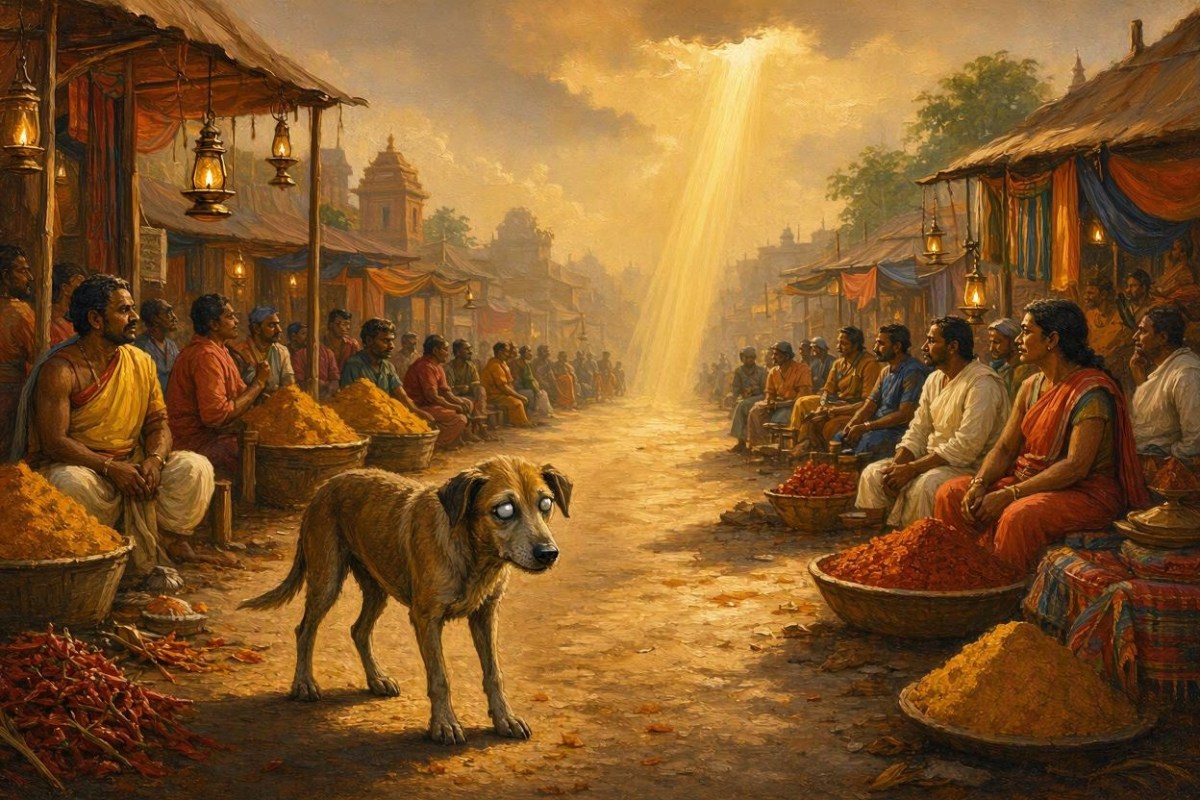
Purandara Dasa didn’t just choose a dog; he wrote about a blind dog wandering into the middle of a chaotic village fair.

A dog naturally relies heavily on its smell, but it uses vision to navigate safely. A blind dog can “smell” something delicious sitting inside a shop stall, but it cannot see the danger standing in its path, the heavy carts, the narrow traps, or the vendor holding a stick. Driven purely by its nose, it marches straight into a beating.

This spiritual blindness is a central theme throughout Vedic literature. In Śrīmad-Bhāgavatam 7.5.31, Prahlāda Mahārāja poignantly describes the tragic state of souls who lack spiritual vision:

न ते विदुः स्वार्थगतिं हि विष्णुं दुराशया ये बहिरर्थमानिनः ।

अन्धा यथान्धैरुपनीयमानाः तेऽपीशतन्त्र्यामुरुदाम्नि बद्धाः ॥

na te viduḥ svārtha-gatiṁ hi viṣṇuṁ

durāśayā ye bahir-artha-māninaḥ

andhā yathāndhair upanīyamānāḥ

te ‘pīśa-tantryām uru-dāmni baddhāḥ

Translation: “Persons who are strongly entrapped by the consciousness of enjoying material life do not know that the ultimate goal of human life is Lord Viṣṇu. Like blind men led by another blind man (andhā yathāndhaiḥ), they fall off the path and remain tightly bound by the strong ropes of material nature.”

This loss of vision is described in Bhagavad-gītā 2.67:

इन्द्रियाणां हि चरतां यन्मनोऽनुविधीयते ।

तदस्य हरति प्रज्ञां वायुर्नावमिवाम्भसि ॥

indriyāṇāṁ hi caratāṁ yan mano ‘nuvidhīyate

tad asya harati prajñāṁ vāyur nāvam ivāmbhasi

Translation: “As a strong wind sweeps away a boat on the water, even one of the roaming senses on which the mind focuses can carry away a man’s intelligence.”

Just as scent sweeps away the blind dog’s caution, our untamed senses sweep away our intelligence (prajñā). We can “smell” the fleeting pleasures of the material world, and our desires pull us forward. But without the eyes of spiritual knowledge (jnana), we remain blind to the karmic traps and the inevitable blows of fate waiting at every stall.

Freedom from Illusory Masters

The great Vaishnava saint Śrī Rūpa Gosvāmī captured this exact plight in a prayer that is frequently cited throughout the Śrīmad-Bhāgavatam purports (Bhakti-rasāmṛta-sindhu 3.2.35):

कामौदीनां कति न कतिधा पालिता दुर्निदेशास्

तेषां जाता मयि न करुणा न त्रपा नोपशान्तिः ।

उत्सृज्यैतानथ यदुपते साम्प्रतं लब्धबुद्धिस्

त्वामायातः शरणमभयं मां नियुङ्क्ष्वात्मदास्ये ॥

kāmādīnāṁ kati na katidhā pālitā durnideśās

teṣāṁ jātā mayi na karuṇā na trapā nopaśāntiḥ

utsṛjyaitān atha yadu-pate sāmprataṁ labdha-buddhis

tvām āyātaḥ śaraṇam abhayaṁ māṁ niyuṅkṣvātma-dāsye

Translation: “O my Lord, there is no limit to the unwanted orders of my material masters such as lust, anger, and greed. Although I have served them so faithfully for so long, they have shown no mercy to me, nor have I felt any shame, nor any peace. O Lord of the Yadus, now that my intelligence has finally awakened, I abandon them all. I come to You today to take shelter at Your fearless lotus feet. Please engage me in Your service.”

The underlying lesson here is profound: while we may appear to be serving various external masters in this world, we are actually serving only those who gratify our senses. In truth, no matter who the external master seems to be, we remain bound in servitude to our own ruthless, merciless material senses.

Returning to Our True Home

The tragic truth underlying Purandara Dasa’s poem is that the soul’s aimless wandering through this chaotic marketplace is entirely unnecessary. We are not native to this world of birth, disease, old age, and death; our true home is in the eternal spiritual realm (Vaikuntha). As eternal fragmental parts of the Supreme Lord, we have simply strayed away, mistaking the noisy, temporary stalls of Samsara for our permanent residence. We can end this grueling cycle of wandering the moment we stop surrendering to ruthless, illusory masters and accept our original, true Master, Śrī Kṛṣṇa.

In Bhagavad-gītā 15.6 & 15.7, Lord Kṛṣṇa reminds us of our real identity and our true home:

न तद्भासयते सूर्यो न शशाङ्को न पावकः ।

यद्गत्वा न निवर्तन्ते तद्धाम परमं मम ॥

ममैवांशो जीवलोके जीवभूतः सनातनः ।

मनःषष्ठानीन्द्रियाणि प्रकृतिस्थानि कर्षति ॥

na tad bhāsayate sūryo na śaśāṅko na pāvakaḥ

yad gatvā na nivartante tad dhāma paramaṁ mama

mamaivāṁśo jīva-loke jīva-bhūtaḥ sanātanaḥ

manaḥ-ṣaṣṭhānīndriyāṇi prakṛti-sthāni karṣati

Translation: “That supreme abode of Mine is not illumined by the sun or moon, nor by fire or electricity. Those who reach it never return to this material world.. The living entities in this conditioned world are My eternal fragmental parts. Due to conditioned life, they are struggling very hard with the six senses, which include the mind.”

Echoing this, Śrīmad-Bhāgavatam 10.14.58 confirms that once we surrender to our true Master, the vast, dangerous ocean of material existence shrinks to nothing:

समाश्रिता ये पदपल्लवप्लवं महत्पदं पुण्ययशोमुरारेः ।

भवाम्बुधिर्वत्सपदं परं पदं पदं पदं यद्विपदां न तेषाम् ॥

samāśritā ye pada-pallava-plavaṁ mahat-padaṁ puṇya-yaśo-murāreḥ

bhavāmbudhir vatsa-padaṁ paraṁ padaṁ padaṁ padaṁ yad vipadāṁ na teṣām

Translation: “For those who have accepted the boat of the lotus feet of the Supreme Lord, the ocean of the material world is like the water contained in a calf’s footprint. Their destination is paraṁ padam, the spiritual realm where there are no miseries, rather than this world where there is danger at every step.”

A Humble Prayer

Purandara Dasa’s metaphor is not an insult; it is a merciful wake-up call to help us open our spiritual eyes. In that spirit, let us pray together:

O my dear Śrī Kṛṣṇa, You are the most merciful benevolent ever-merciful Master, and yet I am chasing all sorts of illusory masters who abuse me more than anything else.

Please kindly release me from the bondage of these illusory masters and let me take shelter at Your lotus feet.

Please allow me to bring other such blind dogs like myself into Your eternal shelter.

Hare Krishna Hare Krishna

Krishna Krishna Hare Hare

Hare Rama Hare Rama

Rama Rama Hare Hare
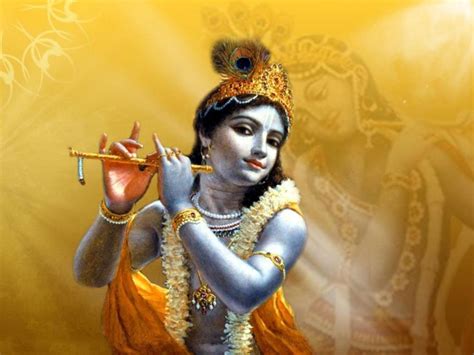
Lord Krishna, the Supreme Personality of Godhead

In the next post we will explore the next two lines of the song.

ಖಂಡ ಸಕ್ಕರೆ ಹಿತವಿಲ್ಲವಂತೆ ಖಂಡ ಎಲುಬು ಕಡಿದಿತಂತೆ
ಹೆಂಡಿರ ಮಕ್ಕಳ ನೆಚ್ಚಿತಂತೆ ಕೊಂಡು ಹೋಗುವಾಗ ಯಾರಿಲ್ಲವಂತೆ || 1 ||

khaṇḍa sakkare hitavillavante khaṇḍa elubu kaḍiditante

heṇḍira makkaḷa neccitante koṇḍu hōguvāga yārillavante || 1 ||

Translation:

Pure rock sugar held no sweetness to his taste,

Yet on dry and splintered bones his teeth he placed.

He spurned the honeyed bliss that sets the spirit free,

To crunch on sharp despair in blind captivity.

He doted on his wife and children day and night,

And anchored all his love within their changing sight.

Yet when the final hour called his breath away,

Not one could join his soul upon that lonely way.

Letters from Death

What if you could make a deal with Death itself, a promise that before your time comes, you’d receive written warnings to prepare? In this retelling of a classic, a man believes he has outsmarted his mortal fate by securing a divine pact with Yamaraja, the god of death. Yet as decades pass and his body ages, he misses the warning signs right in front of him. With timeless Vedic wisdom from the Srimad Bhagavatam and Bhagavad-gita, we explore the letters we all receive, the value of our allotted breaths, and how to truly prepare for our most transition.

Once upon a time, there lived a man who was utterly terrified of dying. He pondered long and hard about how to escape his mortal fate until a clever thought struck him: How could a friend ever kill a friend?

Determined to save his own skin, he embarked on a path of intense austerities, severe penances, and disciplined efforts to earn the favor of Yamaraja, the god of death. Impressed by his dedication, Yamaraja appeared before him and offered his friendship.

Seizing the moment, the man placed his ultimate wish before his new powerful friend: “I never want to die.”

Yamaraja chuckled softly. “My friend, no one can live forever in this material world. Eternal life exists only in the spiritual realm. However, because of our friendship, I will do this for you: I will send you letters in advance to warn you when your time is drawing near, so you have ample opportunity to prepare. Until that final moment comes, you will not see me.”

Overjoyed with this arrangement, the man happily agreed. He walked away with supreme confidence. He had a royal guarantee: Death would write to him first.

Decades rolled by, and the man built a magnificent life. He was blessed with a devoted wife who was both his partner and his soulmate. His children grew up brilliant and successful, eventually bringing loving grandchildren into the world. In his business, he amassed greater wealth and prestige than ever before. Respected by his community, young people routinely sought his wisdom on careers, family, and success.

Yet, as the years advanced, changes began to occur, subtly at first.

First came digestive troubles. His well-wishers gently suggested he lighten his diet and slow down, but the man simply popped digestive pills and continued feasting as before.

Then his hair began to turn gray and fall out. Undeterred, he dyed his locks, got hair transplants, took medications, and carried on as if his youth were eternal.

Next, his knees and joints started to ache. He visited top physiotherapists and chiropractors, consumed endless supplements, tried novel exercise routines, and kept trying to move at full speed.

Then, the mirror began revealing new, undeniable truths. His youthful complexion started to fade; deep wrinkles carved lines into his forehead, and his skin began to lose its elasticity and sag. At the same time, his metabolism slowed, causing stubborn weight to cling to his waistline. Did he recognize these signs for what they were? Not at all. He fought back with a vengeance. He booked regular appointments for Botox and dermal fillers, slathered on expensive anti-aging serums, and underwent chemical peels and subtle facelifts to pull his skin taut once more. To battle his changing shape, he turned to modern fat-reduction procedures… liposuction, CoolSculpting, and rigid fad diets, relentlessly trying to carve out the silhouette of a much younger man.

Eventually, his teeth failed him, so he replaced them with sparkling new implants. His eyes grew dim and weak, so he underwent modern laser surgeries and wore stylish designer glasses.

Throughout it all, caring friends urged him to rein in his worldly pursuits and begin preparing himself for the inevitable. But he dismissed their warnings. Why give up the good life when things were going so well? Besides, he had an agreement. Yamaraja hadn’t sent a single letter yet!

Then came a day unlike any other. The man fell gravely ill, not with a passing cold or mild fever, but a collapse that forced his family to rush him to the hospital. Specialists swarmed his room, hooking his body up to a labyrinth of IV lines, monitors, and tubes.

Even as he lay in that hospital bed, surrounded by weeping relatives, the man remained blissfully confident. I am not going to die today, he thought. Yamaraja promised me letters, and my mailbox has been empty.

Suddenly, the man felt the atmosphere in the room grow icy cold. Standing at the foot of his bed was Yamaraja, accompanied by his fierce attendants, ready to sever the soul from the body to which the man had clung so desperately.

Shocked and betrayed, the man looked at his powerful friend and cried out, “Yamaraja! How could you betray our pact? You swore you would write to me so I could prepare! Why didn’t you send me a single letter before coming to take me?”

Yamaraja smiled with deep compassion and laughed softly.

“My dear friend,” Yama replied, “do you truly believe I sent you no letters? What was the trouble in your stomach? What were the sharp pains in your knees and hips? What was the graying of your hair, the sagging of your skin, and the slowing of your body? Did you expect paper and ink when I have billions of souls across the universe to attend to? Every physical decline was a letter delivered directly to your body, but you chose to try to erase the ink with scalpels, injectables, and pills rather than read the message.”

Before the man could reply, his time was up. He had to immediately depart in the company of his friend, the god of death.

And everything and everyone else he cherished so much? Stayed behind. He did carry all his karmic reactions with him though, that was his baggage. Plus a seed of goodness from meeting Yamaraja.

Reading the Mail in Our Own Lives

How many of us, right now, are sitting on a stack of unopened letters from death?

It sounds jarring to call death a “friend,” but in truth, death is our most constant companion. Death is born with us the very moment we take our first breath. If a child turns seven years old today, it simply means that seven years of that child’s life have already died—bringing them seven years closer to the final curtain.

Beyond holding up a mirror to our mortality, death is also a friend because it offers us the ultimate grace of renewal. It allows us to lay down the heavy burdens of old traumas, heartbreaks, and emotional scars that we were never meant to carry forever. Death grants us fresh energy, a clean slate, and another youthful body to continue our soul’s journey. Above all, death is an act of divine mercy that gives every one of us a second chance—a fresh opportunity to learn, evolve, and turn inward, no matter how terribly we may have squandered this current life.

As the Bhagavad-gita (2.27) reminds us:

jatasya hi dhruvo mrtyuh

“For one who has taken birth, death is strictly certain.”

Vedic wisdom teaches that our lifespan is not measured merely by years on a calendar, but counted in the exact number of breaths allotted to us at birth. Once those breaths are exhausted, our time in this vessel is finished. We have total freedom in how we choose to spend those breaths, but we cannot purchase a single extra breath with all the wealth in the world.

This fundamental truth is vividly highlighted in the Srimad Bhagavatam (2.3.18):

तरवः किं न जीवन्ति भस्त्राः किं न श्वसन्त्युत ।

न खादन्ति न मेहन्ति किं ग्रामे पशवोऽपरे ॥

taravaḥ kiṁ na jīvanti bhastrāḥ kiṁ na śvasanty uta

na khādanti na mehanti kiṁ grāme paśavo ‘pare

Translation: “Do the trees not live? Do the bellows of a blacksmith not breathe? Do the beasts all around us not eat and discharge semen?”

The commentary explains that the physical body is maintained by a finite quantity of life-air (prana) operating through respiration. Every soul enters a physical vessel with a preallocated quota of breath dictated by past karma. Merely inhaling and exhaling does not constitute true living. Even a blacksmith’s bellows draws air.

Furthermore, Srimad Bhagavatam (2.3.17) warns us of how relentlessly time consumes this finite allowance:

आयुर्हरति वै पुंसामुद्यन्नस्तं च यन्नसौ ।

तस्यर्ते यत्क्षणो नीत उत्तमश्लोकवार्तया ॥

āyur harati vai puṁsām udyann astaṁ ca yann asau

tasya ṛte yat-kṣaṇo nīta uttama-śloka-vārtayā

Translation: “Both by rising and by setting, the sun decreases the duration of life of everyone, except one who utilizes time by discussing topics of the Supreme Personality of Godhead.”

When Yamaraja’s letters arrive in our mailbox, a new gray hair, a sudden ache in the back, a decline in energy, or a diagnosis, we generally react in one of three ways:

  1. We ignore them. Like the man in the story, we take pills, apply dye, undergo procedures, and pretend the warning never arrived.
  2. We panic and distract ourselves. We rush out to buy shiny sports cars, seek out new romantic flings, or undergo desperate cosmetic alterations to outrun the clock.
  3. We prepare. We recognize the warning for what it is, a graceful reminder to turn our attention toward what truly matters. Krishna promises in Bhagavad-gita 8.6, our state of mind at death determines our next destination.

History and sacred texts offer profound examples of those who knew how to receive these notifications. King Parikshit received a formal seven-day notice of his death and spent every remaining second absorbed in spiritual hearing and contemplation. King Khatvanga had a notice of just forty-eight minutes, yet he immediately withdrew his mind from worldly attachments and achieved spiritual perfection in that brief window.

Some people receive no tangible notice at all; death simply arrives unannounced. But most of us are blessed with plenty of advance mail.

I have received many letters from Yamaraja over the years. At first, I brushed them off. But recently, the tone of those letters has grown far more urgent. Recognizing the signals, I have decided to take them seriously and invest my remaining breaths into spiritual perfection.

How about you? How many letters from Yamaraja have arrived in your mailbox so far, and what do you plan to do with the next one?

A Prayer

Krishna, my dear best friend and well-wisher, You are not only my friend, but a friend of all souls. You reside in our hearts as that all-knowing Supersoul, Paramatma. However, You don’t impose. You remind us of whatever we want to remember, and cause us to forget what we want to forget (BG 15.15).

My dear Lord, please, could You cut off all my material attachments save to You and those dear to You? Please, may I use every single breath I have in remembrance and glorification of You. Please, could You bless me that I may take Your message to everyone who needs it?

Hare Krishna Hare Krishna

Krishna Krishna Hare Hare

Hare Rama Hare Rama

Rama Rama Hare Hare

Krishna enjoys the company of His devotee

The blind dog comes to the fair

Ever feel like you’re running in circles, chasing things that look amazing but leave you feeling empty? 🐕🎪

Over 400 years ago, the legendary saint-poet Purandara Dasa wrote a masterclass in spiritual psychology using a stark, unforgettable metaphor: a blind dog wandering aimlessly into a chaotic village fair.

From treating sacred wisdom as mere “quotable quotes” to chasing fleeting illusions, this timeless piece, Kurudu Naayi Santege Bantante is a brilliant mirror for the human condition in material life.

Read this fresh English poetic adaptation and deep-dive explanation to discover why we get lost in the marketplace of life, and how to find our way back. 👇

#Philosophy #Spirituality #PurandaraDasa #IndianHeritage #PoetryOfLife

“Kurudu Naayi Santege Bantante” (ಕುರುಡು ನಾಯಿ ಸಂತೆಗೆ ಬಂತಂತೆ), composed by the 16th-century saint-poet Purandara Dasa, is a masterpiece. This piece of writing is inspired by Purandara Dasa’s great timeless song. I can’t describe in words how much I love this song.

The Blind Dog at the Fair

A blind dog wandered to the bustling fair, they say,

With sightless eyes and aimless paws, it stumbled on its way.

It knew not rules of traffic, nor where the paths aligned,

And plunged into the chaos, completely lost and blind.

Around it bloomed a riot of colors, vibrant, loud, and bright,

A grand kaleidoscope of life, hidden from its sight:

Mounds of golden turmeric, near heaps of scarlet spice,

Shining jars of liquid ghee, and sacks of polished rice.

Bright banners waved from canvas tents, trinkets caught the sun,

While sweetmeats fried, bubbling, enticing everyone.

Baskets filled with heavy fruits, and garments dyed in blue;

A dazzling sea of worldly wealth, fully out of view.

And through the crowd, the jugglers toss’d rings of painted wood,

While clever, dark-eyed magicians spun illusions where they stood.

With sleight of hand, they turned, stone into silver coin,

Inviting passing, hollow minds to marvel and to join.

The ragged buskers beat their drums and piped on hollow reeds,

Singing songs of fleeting joy to feed people’s greed.

A dancer spun in frantic steps, a puppeter held its string;

A thousand mock distractions in a loud, enchanted ring.

It spurned the trays of honeyed sweets and platters piled high,

To chew upon a broken bone, splintered, sharp, and dry.

Driven by a hungry belly, searching for a scrap,

It walked into a bustling store, right into a trap.

One vendor kicked it from the front, another struck its side,

With nowhere left to turn or run, and nowhere left to hide.

It yelped in pain but did not leave, sniffing for a bone,

Receiving blows of heavy sticks, and bruised by every stone.

For just a taste of garbage, it endured the market’s wrath,

Forgetting there was freedom outside that crowded path.

Such is fate of the mortal man who walks this earthly stage,

He enters into Samsara, a blinding, chaotic cage.

Through countless cycles, endless births, across a weary span,

It passed a million lifetimes just to win the form of man.

Yet blessed with rare human life, a prize beyond compare,

Squander’d; wandering, trapped in despair.

From garden unto garden, grove to grove, blindly runs,

And through the trackless forests, chasing shadows in the sun.

Bound tightly to its wife and child with fierce, attached embrace,

It anchored all its happiness within a changing face;

But when the hour of parting struck and swept them all away,

It stood alone in emptiness, with not a soul to stay.

It read the sacred Vedic texts just to quotable quote,

And left the inner wisdom, a lesson learned by rote.

Blinded it lost its way, despite the sacred lore,

And walked directly to the gates of Yamaraja’s door.

The priceless jewels of divine grace placed within its hand,

Yet like a clueless monkey, scattered in the sand.

And all this happened, all this grief, this tragic, blinding fall,

Because the foolish, wandering soul forgot the Lord of all.

It clean forgot sweet Krishna’s name, forgot Sri Ranga’s grace,

And turned its back on Vitthala to run this worldly race.

Ignorant of the spirit, blind to God’s design,

To chase the worthless dust of earth, rejecting the Divine.

To take the blows of fate and time, but crawl back for more,

Lured by the cheap illusions of the marketplace’s store.

Oh Purandara Vittala, hear a humble soul’s entreat

Guide me away from the market, back to Your lotus feet.

Purandara Dasa is known for using raw, everyday street imagery to convey profound Vedantic philosophy. In this song, he uses a biting, tragicomic allegory, a blind dog causing chaos at a village fair, to deliver a wake-up call to humanity about the nature of material existence.

I cannot ever do justice to his brilliance myself. But I can try to convey my appreciation for his deep devotion to Krishna and compassion upon souls like me.

1. The Blind Dog and the Fair

The core of the song rests on two brilliant metaphors:

  • The Blind Dog (Kurudu Naayi): Represents the spirit soul (Jivatma). It is “blind” because it lacks spiritual wisdom. It is driven entirely by its base, animalistic instincts… hunger, survival, and immediate sensory gratification.
  • The Market/Fair (Sante): Represents the material world (Samsara). A traditional Indian village market is temporary, loud, chaotic, and crowded. It sets up shop for a day and vanishes overnight, mirroring the fleeting, impermanent nature of worldly life.

When the blind dog stumbles into this chaotic marketplace, it has no map, no vision, and no understanding of how the market works. Similarly, souls plunge into the material world completely ignorant of our true purpose, navigating life purely by trial and error, mostly error.

2. Themes and Spiritual Lessons

The Illusion of Material Wealth (Maya)

The song describes the fair as incredibly vibrant, think piles of golden turmeric, scarlet spices, bubbling sweetmeats, jugglers, magicians, and buskers.

Samsara is not a boring wasteland, the material realm is dangerous precisely because it is so dazzling. The magicians and jugglers represent Maya (cosmic illusion). They perform tricks, turning stones into coins, symbolizing how the material world tricks us into believing that temporary worldly pleasures are permanent and valuable.

daivī hy eṣā guṇamayī mama māyā duratyayā / mām eva ye prapadyante māyām etāṁ taranti te

Translation: “This divine energy of Mine, consisting of the three modes of material nature, is difficult to overcome. But those who have surrendered unto Me can easily cross beyond it.”

https://vedabase.io/en/library/bg/7/14

The Misplaced Appetite (The Broken Bone)

One of the most poignant psychological observations in the song is the dog rejecting trays of honeyed sweets to chew on a dry, splintered, broken bone.

When a dog chews a dry bone, the sharp edges cut its own gums. The dog tastes its own blood but mistakenly believes the taste is coming from the bone. Purandara Dasa uses this to describe human desire: we reject the “honeyed sweet” of spiritual freedom and instead chase material pleasures that actively bind and hurt us, foolishly bleeding for joys that are entirely self-inflicted.

viṣayā vinivartante nirāhārasya dehinaḥ / rasa-varjaṁ raso ’py asya paraṁ dṛṣṭvā nivartate

Translation: “The embodied soul may be restricted from sense enjoyment, though the taste for sense objects remains. But, ceasing such engagements by experiencing a higher taste, he is fixed in consciousness.”

https://vedabase.io/en/library/bg/2/59

The Tragedy of Wasted Human Birth

Human life is incredibly rare, earned only after evolving through millions of lower lifetimes (as insects, birds, and animals).

Purandara Dasa laments that after finally achieving this precious human form, the soul wastes it. Instead of seeking Krishna, it walks “from garden to garden, forest to forest”, aimlessly wandering through the thickets of worldly distractions, entirely forgetting its own spiritual identity as an associate of God.

The Illusion of Temporary Relationships

The song sharply tackles human attachment (Moha). The soul binds itself fiercely to a spouse and children, building its entire universe around them. However, Purandara Dasa delivers a sobering truth: when the time of death arrives, the soul is ripped away from this environment. It enters the world alone, and it leaves the world alone. In the final hour, all worldly attachments are snatched away, leaving the soul to face its karmic accounts alone.

The Failure of Empty Intellectualism

Purandara Dasa was highly critical of ritualism and bookish knowledge devoid of true devotion (Bhakti). He notes that the soul might memorize and study all the Vedic texts, but if it lacks inner truth and humility, it will still lose its way. Intellectual pride only blinds the soul further, leading it straight to the gates of Yamaraja (the demigod in charge of Death and Judgment) to face inevitable punishment.

Lord Sri Krishna ridicules those who use the Vedas merely for temporary material gain or prestige (the “flowery words” or “quotable quotes”) rather than realizing that the ultimate purpose of all Vedic study is to know Krishna and serve Him.

yām imāṁ puṣpitāṁ vācaṁ pravadanty avipaścitaḥ / veda-vāda-ratāḥ pārtha nānyad astīti vādinaḥ

Translation: “People of small knowledge are very much attached to the flowery words of the Vedas, which recommend various fruitive activities… They say that there is nothing more than this.”

https://vedabase.io/en/library/bg/2/42-43

The Monkey and the Jewels

The poet uses a famous Kannada phrase, mangana kaiyalli manikyavante (like a precious gemstone in the hands of a monkey). A monkey has no concept of the value of a gemstone; it may simply play with it for a bit, surely get bored, and drop it in the sand somewhere. Divine grace, human consciousness, and the opportunity for spiritual perfection are the “priceless jewels” given to us, which many of us foolishly throw away to chase the worthless dust of material accumulation.

The Root Cause and the Remedy

Ultimately, Purandara Dasa asks: Why does the soul suffer like a stray dog being kicked from one market stall to the next?

The answer is simple: It forgot. It forgot the name of Krishna, it forgot the grace of Sri Ranga (Krishna), and it turned its back on our best friend and well-wisher, Krishna. The continuous “kicks and blows” we receive from fate, time, illness, and heartbreak are the natural consequences of wandering through the marketplace of Samsara unguided.

ye hi saṁsparśa-jā bhogā duḥkha-yonaya eva te / ādy-antavantaḥ kaunteya na teṣu ramate budhaḥ

Translation: “An intelligent person does not take part in the sources of misery, which are due to contact with the material senses. O son of Kuntī, such pleasures have a beginning and an end, and so the wise man does not delight in them.”

https://vedabase.io/en/library/bg/5/22

The wise person walks away from the market stalls of illusion, while the “blind dog” stays and helplessly takes the blows.

The song concludes not in despair, but with the classic signature (Ankita Mudra) of the poet. The only way out of the chaotic, abusive market of materialistic life is to stop chasing the scraps of the world, surrender the false ego, and find permanent refuge at the lotus feet of Purandara Vitthala (Krishna).

sarva-dharmān parityajya mām ekaṁ śaraṇaṁ vraja / ahaṁ tvāṁ sarva-pāpebhyo mokṣayiṣyāmi mā śucaḥ

Translation: “Abandon all varieties of religion and just surrender unto Me. I shall deliver you from all sinful reactions. Do not fear.”

https://vedabase.io/en/library/bg/18/66

I like this song because the song really sings my story, and likely yours. Fortunately for me, my master has already searched out and found me, has claimed me, and by his torchlight of knowledge, my blindness is disappearing rapidly.

This song gives me great hope. I know am on my way back home. Won’t you come with me?

Hear this song in Kannada.

Kannada lyrics and lyrics in latin scripts with diacritics below, with gratitude to Smt. Meera Subbarao. Especially in the original lyrics of the great Purandara Dasa, they have a haunting melody and reminder that stays long after we’ve heard it just once.

Original Lyrics

ಕುರುಡು ನಾಯಿ ಸಂತೆಗೆ ಬಂತಂತೆ || PA ||
ಅದು ಯಾತಕೆ (ಯಾಕೆ) ಬಂತೋ || A PA ||

ಖಂಡ ಸಕ್ಕರೆ ಹಿತವಿಲ್ಲವಂತೆ ಖಂಡ ಎಲುಬು ಕಡಿದಿತಂತೆ
ಹೆಂಡಿರ ಮಕ್ಕಳ ನೆಚ್ಚಿತಂತೆ ಕೊಂಡು ಹೋಗುವಾಗ ಯಾರಿಲ್ಲವಂತೆ || 1 ||

ಭರದಿ ಅಂಗಡಿ ಹೊಕ್ಕಿತಂತೆ ತಿರುವಿ ದೊಣ್ಣೆಲಿ ಇಕ್ಕಿದರಂತೆ
ಮರೆತರಿನ್ನು ವ್ಯರ್ಥವಂತೆ ನರಕದೊಳಗೆ ಬಿದ್ದಿತಂತೆ || 2 ||

ವೇದಶಾಸ್ತ್ರವನೋದಿತಂತೆ ಗಾದೆಯ ಮಾಡಿ ಬಿಟ್ಟಿತಂತೆ
ಹಾದಿ ತಪ್ಪಿ ನಡೆದು ಯಮನ ಬಾಧೆಗೆ ತಾ ಗುರಿಯಾಯಿತಂತೆ || 3 ||

ನಾನಾ ಜನ್ಮವನೆತ್ತಿತಂತೆ ಮಾನವನಾಗಿ ಹುಟ್ಟಿತಂತೆ
ಕಾನನಕಾನನ ತಿರುಗಿತಂತೆ ತಾನು ತನ್ನನೆ ಮರೆಯಿತಂತೆ || 4 ||

ಮಂಗನ ಕೈಯ ಮಾಣಿಕ್ಯದಂತೆ ಹಾಂಗೂ ಹೀಂಗೂ ಕಳೆದೀತಂತೆ
ರಂಗವಿಠಲನ ಮರೆತಿತಂತೆ ಭಂಗ ಬಹಳ ಪಟ್ಟಿತಂತೆ || 5 ||

kuruḍu nāyi santege bantante || PA ||

adu yāke bantō || A PA ||

khaṇḍa sakkare hitavillavante khaṇḍa elubu kaḍiditante

heṇḍira makkaḷa neccitante koṇḍu hōguvāga yārillavante || 1 ||

bharadi aṅgaḍi hokkitante tiruvi doṇṇeli ikkidarante

maretarinnu vyarthavante narakadoḷage bidditante || 2 ||

vēdaśāstravanōditante gādeya māḍi biṭṭitante

hādi tappi naḍedu yamana bādhege tā guriyāyitante || 3 ||

nānā janmavanettitante mānavanāgi huṭṭitante

kānanakānana tirugitante tānu tannane mareyitante || 4 ||

maṅgana kaiya māṇikyadante hāṅgū hīṅgū kaḷedītante

raṅgaviṭhalana maretitante bhaṅga bahaḷa paṭṭitante || 5 ||

I pray never to forget the import of this song, may Sri Purandara Dasa and all the great Vaishnava saints guide me back home.

Hare Krishna Hare Krishna Krishna Krishna Hare Hare Hare Rama Hare Rama Rama Rama Hare Hare
The Hare Krishna Mahamantra

Update: I will be writing a series of posts on this song, as there is so much depth there… This post will be updated to include links to those posts.

Awakening the Soul: HG Sriman Sankarshan Das Adhikari & HG Srimati Vishnupriya Mataji’s 2026 Ontario Tour

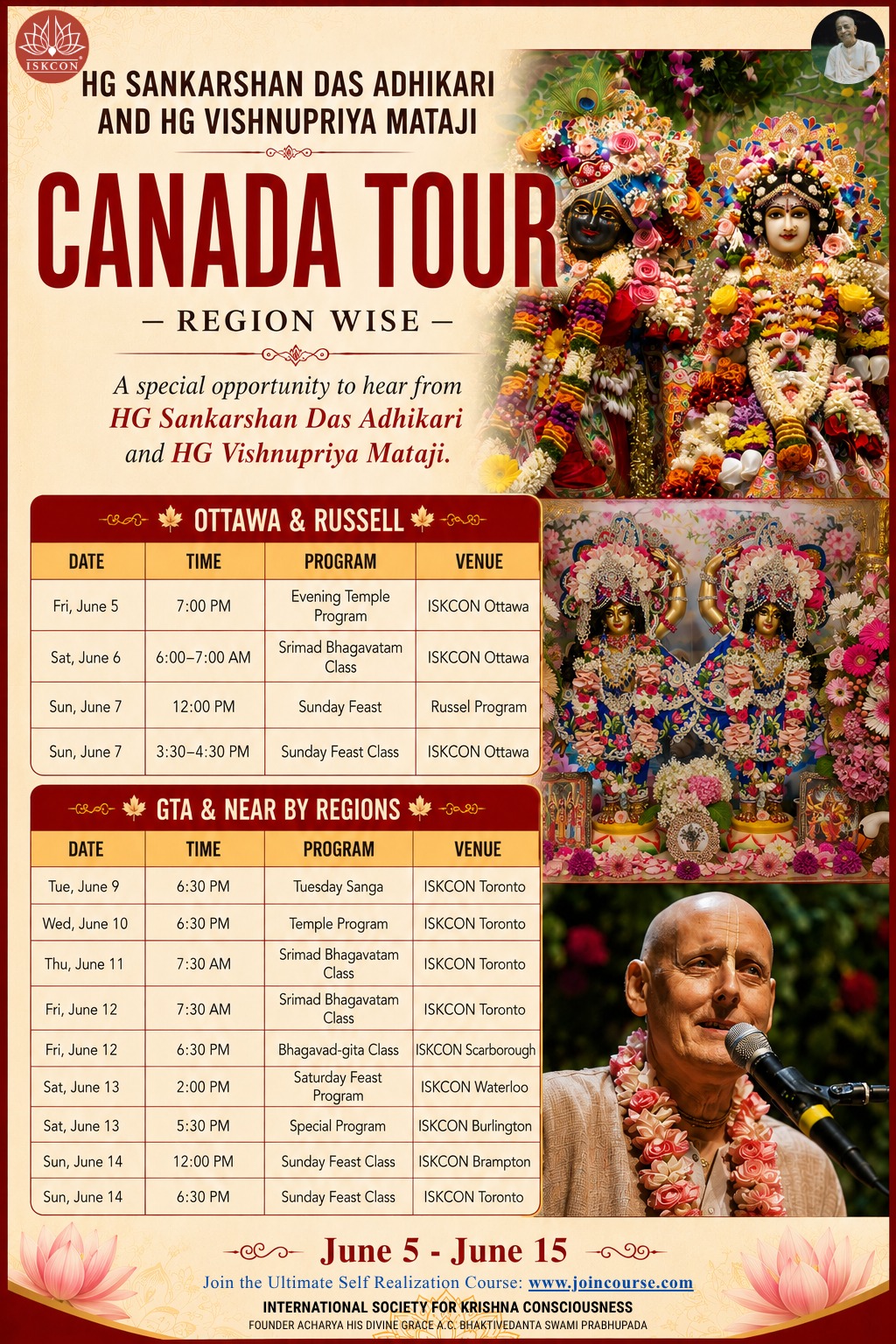
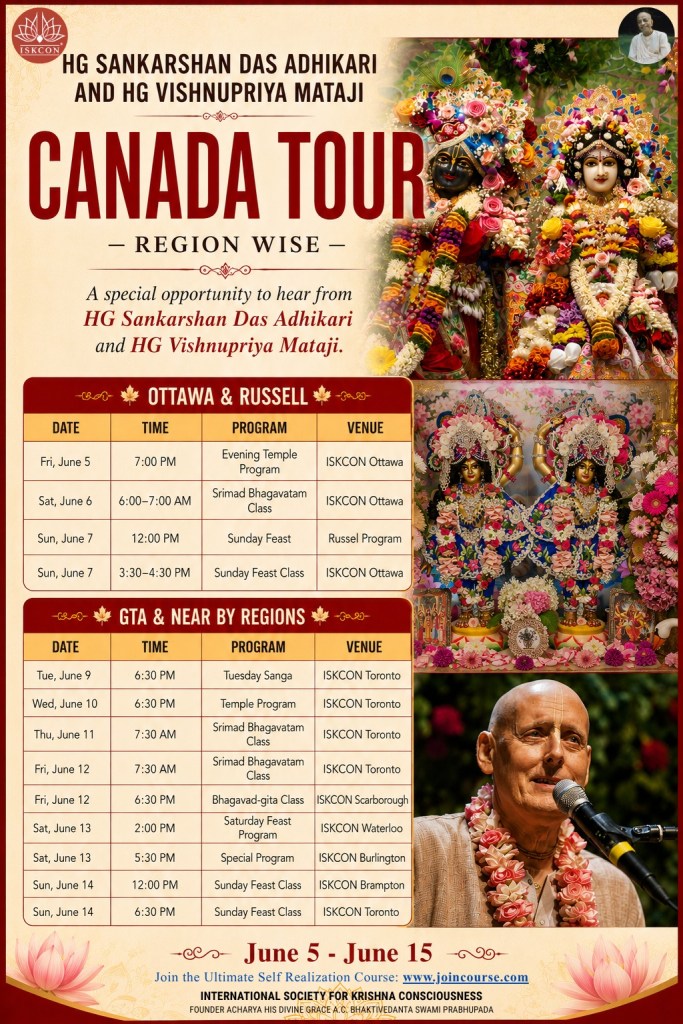
Looking for a profound spiritual reset this summer? This June, the International Society for Krishna Consciousness welcomes renowned teachers HG Sankarshan Das Adhikari and HG Vishnupriya Mataji for their highly anticipated 2026 Canada Tour across Ontario. From a 1960s counter-culture rock musician who shared stages with the Grateful Dead to a global spiritual guide, Sankarshan Das Adhikari—alongside Gurumata Vishnupriya Mataji—delivers a timeless, practical formula for world peace. Whether you are in Ottawa, the GTA, or downtown Toronto, explore our breakdown of their full lecture schedule, exclusive media archives, and free online courses to awaken your soul.

If you’ve been looking for a spiritual reset, some profound wisdom, or simply a community of warm, like-minded souls to chant and connect with, your calendar is about to get beautifully busy.

This June, the International Society for Krishna Consciousness (ISKCON) is hosting a highly anticipated lecture series featuring HG Sankarshan Das Adhikari and HG Vishnupriya Mataji. Whether you are a seasoned practitioner or just curious about the path of self-realization, this tour offers a rare opportunity to hear timeless spiritual truths delivered with deep realization, clarity, and practical wisdom.

Meet the Speakers

HG Sankarshan Das Adhikari (Srila Gurudeva)

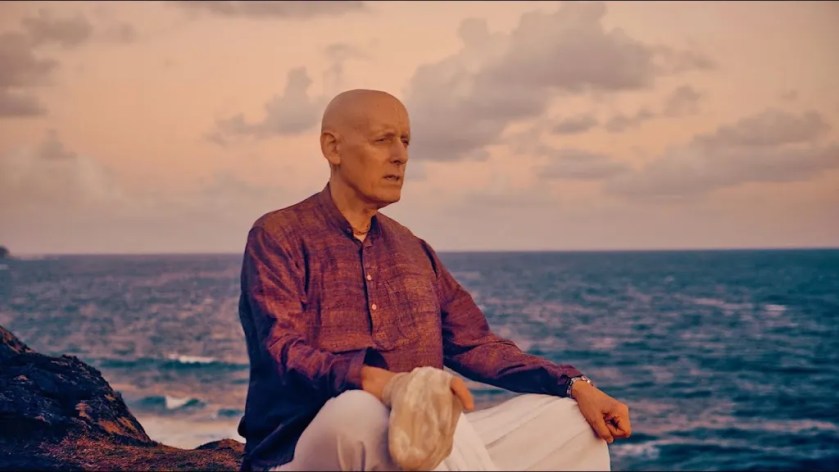
Srila Gurudeva His Grace Sriman Sankarshan Das Adhikari

Before anchoring his life in spiritual education, Sankarshan Das was a popular singer-songwriter rooted in the counter-cultural era of the 1960s. He shared stages with musical legends like Jefferson Airplane and the Grateful Dead, and became an instant sensation on the University of Texas campus in 1970 with his daily concerts at the George Washington statue and his stint as a house musician. His deepest desire through his music has always been to spark off a spiritual revolution for bringing perfect peace and happiness to the entire world.

In pursuit of that global peace and his own spiritual perfection, he underwent a period of deep prayer, soul-searching, and inquiry. This journey eventually led him to the feet of one of the greatest spiritual masters in history: His Divine Grace A.C. Bhaktivedanta Swami Prabhupada, the Founder-Acharya of ISKCON, who blessed him with perfect knowledge of the Absolute Truth and the formula to successfully bring perfect peace and happiness to the entire world population.

Today, from his home base in Austin, Texas, he regularly circles the globe out of love and compassion to enlighten human society in the most sublime peace formula. Online, he has successfully conducted a self-realization e-course for over 25 years, teaching this process of complete spiritual perfection to more than 55,000 students worldwide (http://www.joincourse.com), available in many languages. Fueled by ancient scriptural predictions of a total spiritual awakening of human society, his mission is to bring that transformation to life.

He is the author of many books, including the latest Divine Love Memoir: How I Discovered the Most Secret of All Secrets.

Explore more of his spiritual teachings, music, and media archives:

HG Vishnupriya Mataji (Srimati Gurumata)

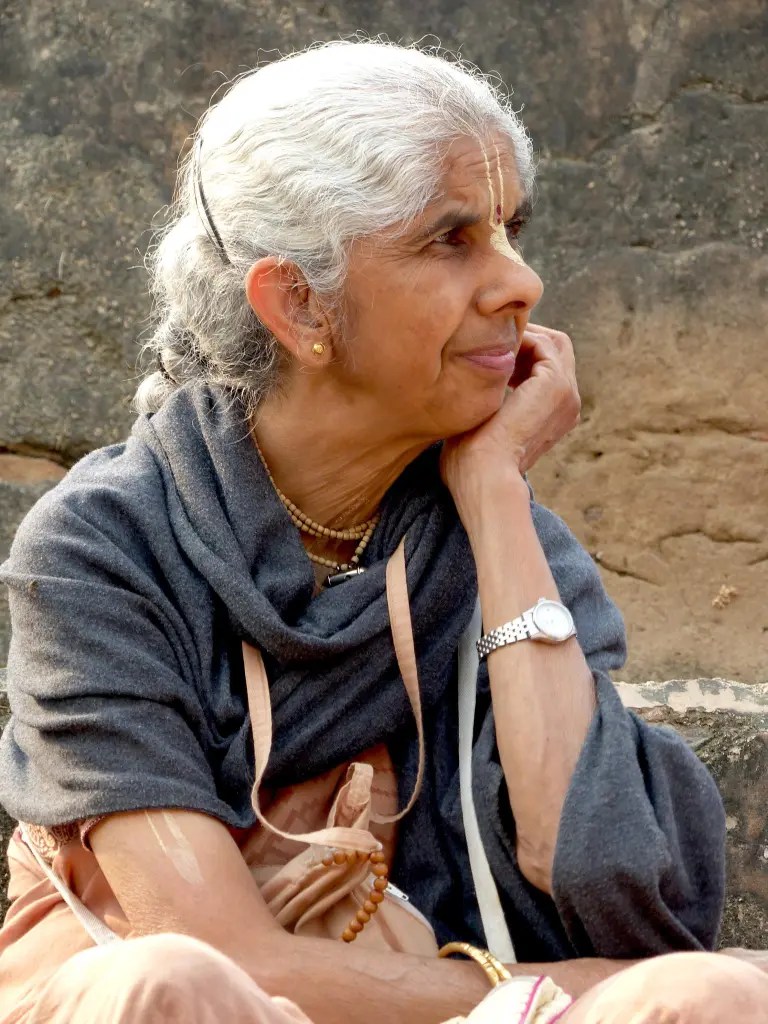
Gurumata Her Grace Vishnupriya Mataji

Practicing simple spirituality for over five decades, Her Grace Vishnupriya Devi Dasi often assists and accompanies Sankarshan Das Adhikari in his world deliverance mission. To students and disciples around the globe, she is affectionately known as “Gurumata”.

Though she plays a pivotal role in guiding and helping countless souls, Gurumata genuinely prefers to remain in the background. She is celebrated for her unique ability to elegantly and simply cut through all kinds of nonsense to strike directly at the root cause of all problems. As a master of practical spirituality, she is exceptionally expert at helping souls practically adopt a high spiritual standard gradually and sustainably.

To help you plan your attendance, we have broken down the tour schedule into three distinct levels of detail—ranging from the grand province-wide overview to a hyper-local deep dive.

1. The Macro View: The Full Ontario & Ottawa Kickoff

Best for: Anyone living in Ontario who wants to see the entire tour path at a glance, or those located in the capital region looking for the opening events.

Awaken the Soul 2026 Ontario Sriman Sankarshan Das Adhikari & Vishnupriya Mataji

The tour kicks off in the nation’s capital before making its way down to the Greater Toronto Area. If you are trying to coordinate travel or see which weekend dates fit your schedule best, this complete regional roadmap has you covered.

Ottawa & Russell Highlights (June 5 – June 7)

  • The Launch: The tour begins on Friday, June 5th at 7:00 PM at ISKCON Ottawa with an uplifting Evening Temple Program.
  • Early Risers: Catch an intimate, deeply philosophical Srimad Bhagavatam class on Saturday morning, June 6th at 6:00 AM.
  • Sunday Double-Feature: On June 7th, you can choose between a midday Sunday Feast in Russell (12:00 PM) or an afternoon Sunday Feast Class back at ISKCON Ottawa (3:30 PM).

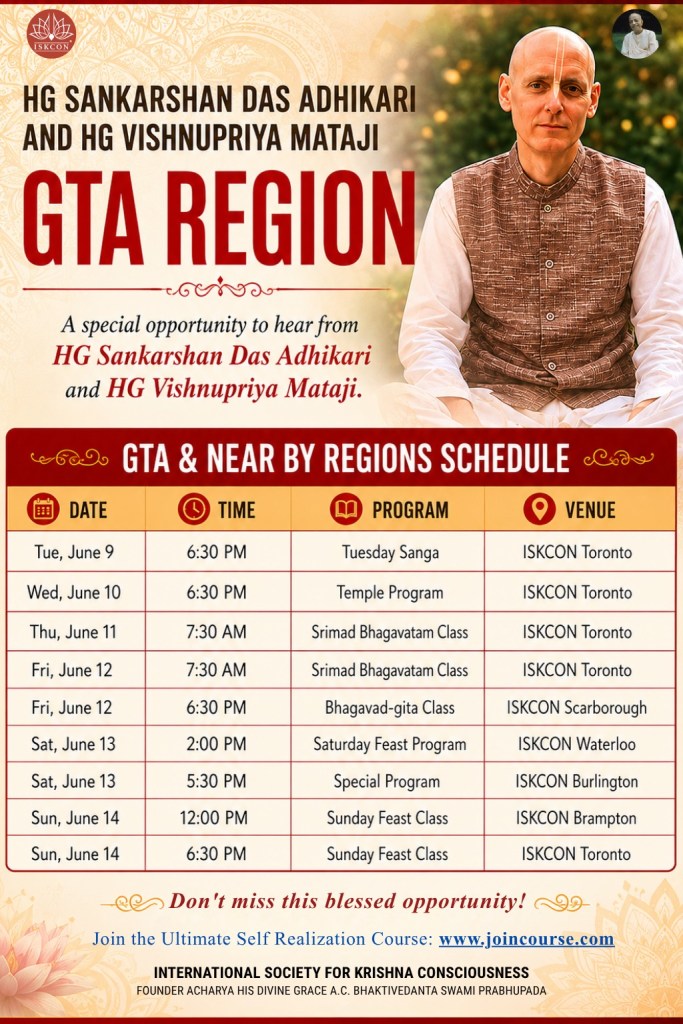
2. The Regional Zoom-In: Greater Toronto Area & Surrounding Hubs

Best for: Commuters and residents in the Golden Horseshoe area (Scarborough, Brampton, Mississauga, Waterloo, Burlington, and Toronto) who want to catch a local weekday or weekend program.

If you live in the GTA, you don’t have to drive into downtown Toronto to experience these enlightening discourses. The tour actively moves around the region to bring the wisdom directly to your neighborhood.

His Grace Sankarshan Das Adhikari & Her Grace Srimati Vishnupriya Mataji GTA Tour June 2026

Traveling the GTA Circuit (June 9 – June 14)

  • Mid-Week Wisdom: If you need a spiritual pick-me-up after work, Tuesday and Wednesday evenings feature 6:30 PM programs right in the heart of Toronto.
  • The Scarborough & Brampton Stops: Scarborough residents can attend a specialized Bhagavad-gita class on Friday, June 12th at 6:30 PM. Meanwhile, Brampton will host a lively Sunday Feast Class on June 14th at 12:00 PM.
  • Weekend Road Trips: Heading out of the immediate city? The tour makes special stops at ISKCON Waterloo (Saturday, June 13th at 2:00 PM) and ISKCON Burlington (Saturday, June 13th at 5:30 PM).

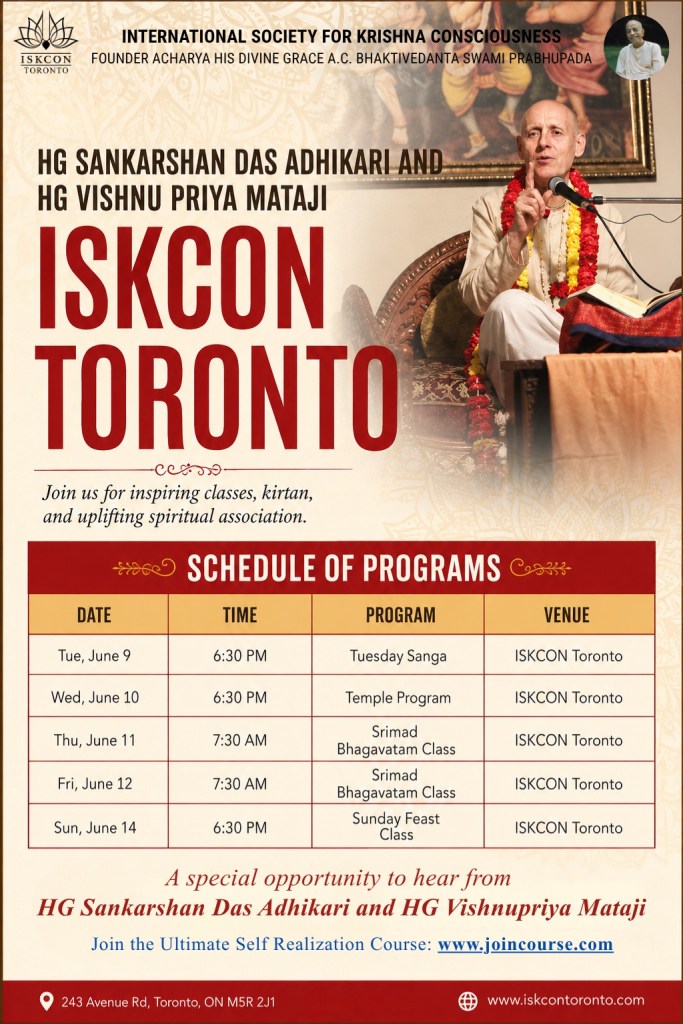
3. The Local Deep Dive: The ISKCON Toronto Hub

Best for: Core community members, downtown Toronto residents, or anyone planning to base their attendance out of the flagship Avenue Road temple.

For those who want to focus exclusively on the primary temple residency, this streamlined schedule cuts out the travel noise and zeros in on the five essential programs happening right at the historic ISKCON Toronto headquarters.

His Grace Sriman Sankarshan Das Adhikari & Her Grace Srimati Vishnupriya Mataji June 2026 ISKCON Toronto Programs

Your ISKCON Toronto Cheat-Sheet

If you are planning to visit the main temple, bookmark these exact times:

DateTimeProgram TypeVenue
Tue, June 96:30 PMTuesday SangaISKCON Toronto
Wed, June 106:30 PMTemple ProgramISKCON Toronto
Thu, June 117:30 AMSrimad Bhagavatam ClassISKCON Toronto
Fri, June 127:30 AMSrimad Bhagavatam ClassISKCON Toronto
Sun, June 146:30 PMSunday Feast ClassISKCON Toronto

Venue Address: 243 Avenue Rd, Toronto, ON M5R 2J1

More Info:www.iskcontoronto.com

Can’t Make it in Person? Take the Wisdom Home

If your schedule doesn’t align with the physical tour dates, or if you leave the lectures craving a deeper understanding of the science of the soul, you don’t have to miss out.

You can sign up for The Ultimate Self Realization Course, the free online journey conducted by Sankarshan Das Adhikari that has already transformed the lives of over 34,000 students.

Have Questions About the Tour?

Whether you need directions to a specific venue, want to know more about the festival prasadam (sanctified vegetarian feasting), or have a question about the lecture topics, the organizing team is here to help.

  • Get in touch: Send an email directly to das@dasadas.com with your inquiries, and a local coordinator will get back to you shortly.

Mark your calendars, embrace this message within your heart of hearts, and get ready for an unforgettable week of inspiring classes, soul-stirring kirtan, and uplifting spiritual association!

Please share with your networks!