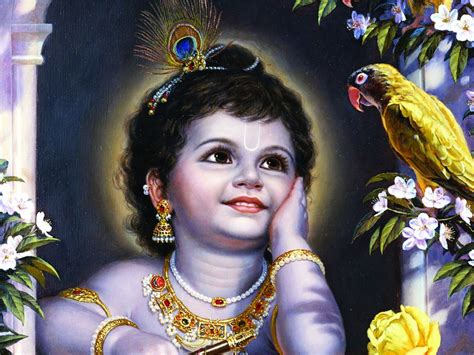
Why do we put our hands up when we say “Haribol”?

A devotee inquires about the significance of raising hands during the chant “Hari bol.” Another devotee explains that this gesture represents voluntary surrender, drawing inspiration from Lord Chaitanya. It enhances one’s connection to Krishna, fostering sincerity and devotion. Ultimately, this practice brings individuals closer to their spiritual goals with heartfelt prayer.

Shivani Saxena, 5 July 2014

Hare Krishna,

My respected obeisances to You,

Srila gurudev and gurumata,

All glories to Srila Prabhupada.

If I may inquire: Why do we do hari bol in hands up position, what does it signify?

Hari bol…

Shivani

Shridhar Das, 8 July 2014

Hare Krsna Mataji!

Please accept my humble obeisances!

All Glories to Srila Gurudeva!

All Glories to Srila Prabhupada!

I will try answering the questions to my best:

1.Why do we do Haribol in hands up position, what does it signify?

Answers. One simple explanation for raising our hands when we say Haribol is because that’s what we read from Caitanya Caritamrta. The same applies when we chant Hare Krsna Mahamantra during lectures in unison or while singing arati. We read many times about Lord Chaitanya raising his hands up and blissfully chanting. He encouraged others to follow. We also follow His footsteps to convince Him that we are eager for the same taste, although far away.

What I was explained when I joined was it’s a sign of surrender. We all know what would happen if a criminal pointed a weapon at us. We would quickly raise our hands in surrender. He would force us by shouting “Hands up!” to make sure we obey his orders. Nevertheless, in bhakti the mood is of voluntary surrender. Out of love for the Lord, in surrender one chants Haribol!! Or during arati in the most surrendered mood. This is to convey one’s heartfelt prayers if the meaning of the song is understood. In the MOST surrendered mood, one prays: “Krsna, I am so helpless and such a fallen soul! Please help me surrender unto You!” or in the mood of glorifying Lord or His devotees. Ultimately, raising hands and singing puts the singer in a more surrendered state of mind. The more we surrender, the more Krsna is pleased with our sincerity despite difficulties. This helps us get closer to the ultimate goal.

your servant

Shridhar Das

Please subscribe to daily inspirational emails from His Grace Sriman Sankarshan Das Adhikari (Writings and lectures archived at www.sda-archives.com ), written fresh every day from his travels around the world sharing the highest spiritual knowledge with everyone. Sign up now at www.joincourse.com

Moonlight wakeup call

I strive to follow the spiritual practices such as rising early for meditation, but sometimes, being encased in dull matter, even though I am a spirit soul, I stumble. But by divine serendipity this morning, I got a loving moonlit wake-up call!

Generally, a spiritualist strives to rise early in the morning.

The time before sunrise is extremely precious for persons on the spiritual path. A most conducive time for meditation, spiritual reflection, and worship of the Supreme Lord.

It may appear like the depth of darkness to the materialist, but the early morning hours are very sublime.

या निशा सर्वभूतानां तस्यां जागर्ति संयमी ।
यस्यां जाग्रति भूतानि सा निशा पश्यतो मुनेः ॥ ६९ ॥

yā niśā sarva-bhūtānāṁ
tasyāṁ jāgarti saṁyamī
yasyāṁ jāgrati bhūtāni
sā niśā paśyato muneḥ

What is night for all beings is the time of awakening for the self-controlled; and the time of awakening for all beings is night for the introspective sage.

https://vedabase.io/en/library/bg/2/69

I too try my best to wake up as early as possible in the morning, but am encased inside a material body.

In general, a spiritualist is enjoined to practice perfect balance in the matter of rest, recreation, work, and food…

युक्ताहारविहारस्य युक्तचेष्टस्य कर्मसु ।
युक्तस्वप्‍नावबोधस्य योगो भवति दु:खहा ॥ १७ ॥

yuktāhāra-vihārasya
yukta-ceṣṭasya karmasu
yukta-svapnāvabodhasya
yogo bhavati duḥkha-hā

He who is regulated in his habits of eating, sleeping, recreation and work can mitigate all material pains by practicing the yoga system.

https://vedabase.io/en/library/bg/6/17

Sometimes, even the most well-meaning spiritualist can succumb to imbalances, as I do, ever so often.

My subtle material body consisting of mind, body, and false ego constrains me too often from pursuing spiritual life freely. Sometimes, the spirit and the mind may be willing but it could be the gross material body, made of earth, water, fire, air, and space that constrains me.

ममैवांशो जीवलोके जीवभूत: सनातन: ।
मन:षष्ठानीन्द्रियाणि प्रकृतिस्थानि कर्षति ॥ ७ ॥

mamaivāṁśo jīva-loke
jīva-bhūtaḥ sanātanaḥ
manaḥ-ṣaṣṭhānīndriyāṇi
prakṛti-sthāni karṣati

The living entities in this conditioned world are My eternal fragmental parts. Due to conditioned life, they are struggling very hard with the six senses, which include the mind.

https://vedabase.io/en/library/bg/15/7

This morning, my alarm was set for 4:00 AM, but somehow or other I did not rise, resolving to rise at 5:00 AM instead.

But then, shortly thereafter, the moon, who is almost full right now, positioned himself in the sky so he shone on my sleeping face with his full brilliance. As if to help the moon, the mirror behind my pillow on the mat joined in with a secondary reflection of the moonrays.

It was impossible to continue sleeping!

Krishna can be perceived through the light of the sun and the moon.

रसोऽहमप्सु कौन्तेय प्रभास्मि शशिसूर्ययो: ।
प्रणव: सर्ववेदेषु शब्द: खे पौरुषं नृषु ॥ ८ ॥

raso ’ham apsu kaunteya
prabhāsmi śaśi-sūryayoḥ
praṇavaḥ sarva-vedeṣu
śabdaḥ khe pauruṣaṁ nṛṣu

O son of Kuntī, I am the taste of water, the light of the sun and the moon, the syllable oṁ in the Vedic mantras; I am the sound in ether and ability in man.

https://vedabase.io/en/library/bg/7/8

My alarm clock and my determination to rise early may have waned, but the waxing moon got me!

Within a few minutes, I was energized by this merciful radiation, reminded of Krishna, and was able to rise refreshed and dive deep into meditation and worship.

Hare Krishna Hare Krishna Krishna Krishna Hare Hare Hare  Rama Hare Rama Rama Rama Hare Hare

The moonlight is an energy of Krishna, the ability for me to engage in acts of Krishna Consciousness are also a gift from Krishna. So it is best to engage my God-given ability in the service of Krishna.

Thanks to that completely undeserved beautiful start to the day, despite all other obstacles or distractions, it has been a most blessed day!

Dear Krishna, thank you for making so many arrangements to help me, a dull recovering atheist, rise to the purpose of human life. Dear Srila Gurudeva, my dear spiritual master, thank you for your prayers and blessings on my behalf, which allow even me, a wretched lost soul, to bask in Krishna Consciousness, even if some of the time.

Little Krishna

What is “reflective” chanting?

What are the stages in chanting the Hare Krishna Maha Mantra? Especially, what is reflecting chanting? What are the benefits experienced by someone at the various levels of chanting?

Madumitha, 11 November 2014

Hare Krishna!

Please accept my humble obeisances.

All glories to Srila Prabhupada!

All glories to Guru and Gauranga!

Could you please elaborate on what is meant by ‘reflective chanting’. I understand that the offensive chanting stage is when a neophyte devotee commits offenses while chanting and the offenseless chanting stage is when one does not commit any offenses towards the Holy Name, but I am unable to understand what happens in this intermediate stage. It is also mentioned that it is in the reflective chanting stage that one attains a stage of emancipation. What does this mean? Doesn’t one become liberated at the offenseless chanting stage?  

Thanks, 

Madumitha

Srivatsa Das, 13 November 2014

Hare Krishna

Please accept my humble obeisances

All glories to Srila Gurudeva

 In previous yugas, the devotees attained purified goodness mode by training of yoga by a Brahmana or a bona fide spiritual master away from the devotee’s home under brahmacharya asrama.  In the present age,  it is not possible to have this,  but still, we can attain the same purified goodness or Vasudeva sattva stage by the easy process of chanting the mahamantra offencelessly and reading regularly Srimad Bhagavad gita and Srimad Bhagavatam along with other devotees. In both the cases we can see that the seed of bhakti has to be planted into the heart of the devotee by a bonafide spiritual master.

As the chanting continues along with other devotional services, purification starts.  The three stages of chanting as I understood are as follows:

1. offensive chanting –  In this stage purification starts

2.  intermediate stage of chanting – Attains liberation

3. in the offence-less chanting – in this stage one attains Vasudeva sattva stage by real love and devotion towards the Lord.  In this stage, the devotee might be present in this material world physically, but he is already in the Goloka Vrindavana serving the Lord at His lotus feet.

Waiting to read others understanding about the question

your servant

Srivatsa Das

Bhakta Sunil, 13 November 2014

Hare Krishna

Please accept my humble obeisances

All Glories to Srila Prabhupada

All Glories to the assembled devotees , in this group

Regarding your query about “Thought For the Day” of 10th November 2014 : 

—————————

Today’s Thought–Broadcast daily to over 16,000 subscriber in over 100 countries listed at: http://www.backtohome.com/countries 

The Offenseless Chanter Lives in God’s Kingdom

uploaded from ISKCON Austin, Texas USA

We read in Srila Prabhupada’s purport to Srimad Bhagavatam 2.2.30:

“There are three stages in chanting the holy name of the Lord. The first stage is the offensive chanting of the holy name, and the second is the reflective stage of chanting the holy name. The third stage is the offenseless chanting of the holy name of the Lord. In the second stage only, the stage of reflection, between the offensive and offenseless stages, one automatically attains the stage of emancipation. And in the offenseless stage, one actually enters into the kingdom of God, although physically he may apparently be within the material world.”

This is truly amazing! Even while apparently being situated in his material body the offenseless chanter of Krishna’s holy names is actually situated in Krishna’s pastimes in the spiritual world. What this means is that the devotee does not have to wait for the demise of his material body to go back to Godhead. He can gradually attain the perfection of going back to Godhead even while he is in his present body simply by becoming an offenseless chanter of the Hare Krishna mahamantra. At this perfectional stage while associating within his heart with Krishna, he will be externally engaged on this planet for bringing about a spiritual revolution and thus the influence of the age of Kali to go into remission.

Sankarshan Das Adhikari

www.joincourse.com

———————– 

On researching for your query , I understand that reflective chanting refers to the ‘clearing of offenses leading to liberation’. At this stage of chanting , one gets taste of the Holy Names or ‘namabhasa’

The following references ( courtesy webpage )  may help further clarify your doubts :

The three stages of chanting the holy name:

The simple process of offenselessly chanting and hearing the holy name of the Lord will gradually promote one very soon to the stage of emancipation. There are three stages in chanting the holy name of the Lord. The first stage is the offensive chanting of the holy name, and the second is the reflective stage of chanting the holy name. The third stage is the offenseless chanting of the holy name of the Lord. In the second stage only, the stage of reflection, between the offensive and offenseless stages, one automatically attains the stage of emancipation. And in the offenseless stage, one actually enters into the kingdom of God, although physically he may apparently be within the material world.

Srimad Bhagavatam 2.2.30

There are three stages in chanting the holy name of the Lord−the offensive stage, the stage of lessening offenses, and the pure stage. When a neophyte takes to the chanting of the Hare Krsna mantra, he generally commits many offenses. There are ten basic offenses, and if the devotee avoids these, he can glimpse the next stage, which is situated between offensive chanting and pure chanting. When one attains the pure stage, he is immediately liberated. This is called bhava−mahadavagni−nirvapanam. As soon as one is liberated from the blazing fire of material existence, he can relish the taste of transcendental life.

The Nectar of Instruction Text 7

There are three stages in chanting the holy name of the Lord. In the first stage, one commits ten kinds of offenses while chanting. In the next stage, namabhasa, the offenses have almost stopped, and one is coming to the platform of pure chanting. In the third stage, when one chants the Hare Krsna mantra without offenses, his dormant love for Krsna immediately awakens. This is the perfection.

Srimad Bhagavatam 5.24.20

________________________________

The namabhasa stage of chanting elevates one to the position of offenseless chanting:

[Chand Kazi to his orderlies]: “‘The Hindus chant the name Hari because that is the name of their God. But you are Muhammadan meat−eaters. Why do you chant the name of the Hindus’ God?’ The meat−eater replied, ‘Sometimes I joke with the Hindus. Some of them are called Krsnadasa, and some are called Ramadasa. Some of them are called Haridasa. They always chant “Hari, Hari,” and thus I thought they would steal the riches from someone’s house. Since that time, my tongue always vibrates the sound “Hari, Hari.” I have no desire to say it, but still my tongue says it. I do not know what to do.’ Another meat−eater said, ‘Sir, please hear me. Since the day I joked with some Hindus in this way, my tongue chants the Hare Krsna hymn and cannot give it up. I do not know what mystic hymns and herbal potions these Hindus know.'”

Sometimes demoniac nonbelievers, not understanding the potency of the holy name, make fun of the Vaisnavas when the Vaisnavas chant the Hare Krsna maha−mantra. This joking is also beneficial for such persons. Srimad−Bhagavatam, Sixth Canto, Second Chapter, verse 14, indicates that the chanting of the Hare Krsna maha−mantra, even in joking, in the course of ordinary discussion, in indicating something extraneous, or in negligence, is called namabhasa, which is chanting that is almost on the transcendental stage. This namabhasa stage is better than namaparadha. Namabhasa awakens the supreme remembrance of Lord Visnu. When one remembers Lord Visnu, he becomes free from material enjoyment. Thus he gradually comes forward toward the transcendental service of the Lord and becomes eligible to chant the holy name of the Lord in the transcendental position.

Sri Caitanya caritamrta Adi−lila 17.197−202

__

Hope this helps,

Sincerely,

Bhakta Sunil

Guru Vandana devi dasi, 13 November 2014

Hare Krishna!

When the mirror is covered by dust it does not reflect our image clearly. But when it is polished a clear picture is reflected from the impressions on it.Similarly when our minds are covered with material contamination our reflections on holy name are not clear.

Gradually as the transcendental sound of the holy names cleanses the dust of our heart and leads to the reflective stage where one is able to reflect the names or remember the Lord.The stage is when one is free from material anxieties, lamentation, hankering and is elevated to brahma bhutah stage.

your servant

Guru Vandana devi dasi

Sulakshana devi dasi, 14 November 2014

Hare Krishna

Please accept my humble obeisances

All glories to Srila Gurudeva and Smt Gurumataji!

All Glories to Srila Prabhupada!

Thank you Guru Vandana mataji for such a nice explanation.

Your humble servant,

Sulakshana devi dasi

Mahabhagavat Das SDA, 22 November 2014

Hare Krishna!

Answer from Srila Gurudeva below. Note the specific meaning of the word “reflective/reflection” in this context coming to us from Srila Prabhupada. I hope this clears all doubts.

Sincerely,

Mahabhagavat Das

———- Forwarded message ———-

From: Sankarshan Das Adhikari

Date: Fri, Nov 14, 2014 at 7:41 AM

Subject: Re: [sda_students:4624] Question regarding thought for the day Nov 10,2014

To: Mahabhagavat Das SDA

From: ISKCON Austin, Texas USA

My Dear Mahabhagavat,  

Please accept my blessings.

All glories to Srila Prabhupada.

Srila Prabhupada has used this term for the clearing stage:

The first stage is the offensive chanting of the holy name, and the second is the reflective stage of chanting the holy name. The third stage is the offenseless chanting of the holy name of the Lord. In the second stage only, the stage of reflection, between the offensive and offenseless stages, one automatically attains the stage of emancipation. And in the offenseless stage, one actually enters into the kingdom of God, although physically he may apparently be within the material world. 

purport to  SB 2.2.30

Reflection means  serious thought or consideration.  So in the clearing stage one is deeply thoughtful about his chanting.  In other words, he is carefully chanting and trying to avoid all of the offenses. 

I hope this meets you in the best of health and in an ecstatic mood.

Your ever well-wisher,

Sankarshan Das Adhikari

kṛṣṇe matir astu (“May you become Krishna conscious”).

From: Mahabhagavata Das <mahabhag…@gmail.com>

Date: Wednesday, November 12, 2014 at 3:55 PM

To: Sankarshan Das Adhikari <s…@backtohome.com>

Subject: Fwd: [sda_students:4624] Question regarding thought for the day Nov 10,2014

Dear Srila Gurudeva,

Please accept my humble obeisances.

All glories unto your divine grace.

The following question was asked on your students’ group. I cannot understand exactly why you used the specific word “reflective” to mention the intermediate “clearing” stage. Instead of speculating, it is better you answer the question, will post it to the entire group.

your servant,

Mahabhagavat Das

Madhumitha, 22 November 2014

Hare Krishna!

Please accept my humble obeisances.

All glories to Srila Prabhupada!

All glories to Guru and Gauranga!

Thank you very much Prabhus and Matajis for clarifying this for me. I understand it now.

Thanks,

Madumitha

Please subscribe to daily inspirational emails from His Grace Sriman Sankarshan Das Adhikari ( Writings and lectures archived at www.ecstaticmedia.com ), written fresh every day from his travels around the world sharing the highest spiritual knowledge with everyone. Sign up now at www.joincourse.com

So you want to serve the needy?

Would you like to help others? How do you know you are actually helping them and not prolonging their misery? How do you know you are not getting entangled in an endless web of actions and reactions?

Some say “manava seve madhava seva“, which means “by serving the needy man, you serve God”. Let us examine this… if you feed the hungry, or clothe the naked, or try to heal the sick… will that actually help them? Sure, there is some temporary relief from the pangs of material suffering. If temporary relief is your goal, sure, but what if you want to really help them out of this mess they are in? You surely cannot feed, clothe, or shelter someone forever. Even if you did, you cannot protect them from old age, disease, and eventually death.

They are suffering primarily because they are spirit souls masquerading as material bodies. The material body gets hungry, gets sick, gets old, and dies, and this is the main cause of problems.

So yes, we can serve God by serving the souls, but how we serve them determines if we become the cause of their emancipation or the cause of their (and our own!) continued bondage.

The law of karma is very complicated, and impossible to trace out fully due to the immense complexity, but it is very very precise. It will surely pay back in just measure every single reaction to every single action.

So yes, eye for an eye, tooth for a tooth. Not to be administered by us, but we do become instruments of that, mostly unwittingly. What personal enmity did the soldiers from Nazi Germany have against the soldiers from America in the Second World War? Why did Guenter kill Billy? Why did Tommy kill Thorsten? They owed a debt to each other, one to kill, and one to be killed, and in that particular lifetime, one soul was born in Nazi Germany, and the other was born in America. Both were enlisted, and many souls’ karmic reactions came together and manifested as the Second World War.

Every single occurence in the world is simply an example of karmic debts… someone becomes a father, someone becomes a daughter, someone becomes the slaughtherer, someone becomes the slaughtered, and in this way, ad nauseum, someone becomes an exploiter, someone becomes the exploited.

Don’t believe me? OK, let us see, what could be the karmic reward for feeding a hungry man? To be fed yourself, maybe many times over, but being fed yourself primarily. And what does the person who was fed need to do? They need to repay their debt to you. This means that both to enjoy the benefit and to get paid back, both you and the person you fed need to take birth again. Birth again, old again, sick again, and surely death again.

Don’t forget that whatever you fed someone was also a living entity – whether seed, vegetable or animal. So, who pays the debt to that living entity. You both, benefactor and beneficiary.

Same with opening up hospitals – you will one day get free medical treatment yourself.

Opening up orphanages? You will be taken care of by benevolent strangers when you become an orphan yourself.

Any philanthropic activity on the material platform results in such karmic bondage, subtle or gross.

All this sounds depressing, no?

How to actually help someone? It is commonly understood that teaching someone to farm is far better than just feeding them a few meals. Knowing that each living entity is actually spiritual in nature wearing a material covering. It then stands to reason that teaching them to shed the material covering, or in other words, helping them be purely spiritual, that is the way to actually help someone.

Want to help someone? Help them be truly spiritual through your help, let them begin their journey back home. This starts with being purely spiritual yourself. If you cannot do this, then you can continue your philanthropy, don’t stop it, because one day you may progress further…

श्रेयो हि ज्ञानमभ्यासाज्ज्ञानाद्ध्यानं विशिष्यते ।
ध्यानात्कर्मफलत्यागस्त्यागाच्छान्तिरनन्तरम् ॥ १२ ॥

śreyo hi jñānam abhyāsāj
jñānād dhyānaṁ viśiṣyate
dhyānāt karma-phala-tyāgas
tyāgāc chāntir anantaram

If you cannot take to this practice, then engage yourself in the cultivation of knowledge. Better than knowledge, however, is meditation, and better than meditation is renunciation of the fruits of action, for by such renunciation one can attain peace of mind.

https://vedabase.io/en/library/bg/12/12/

So if you want to renounce the fruits of action, that is OK, but know that there is more, such as cultivation of knowedge, but the real deal – realized knowledge, you need to live your knowledge. Even better than the cultivation of knowledge is meditation, and what is the highest?

Being purely conscious of Krishna is higher.

What is even still higher?

And even higher?

And the highest?

मय्येव मन आधत्स्व मयि बुद्धिं निवेशय ।
निवसिष्यसि मय्येव अत ऊर्ध्वं न संशय: ॥ ८ ॥

mayy eva mana ādhatsva
mayi buddhiṁ niveśaya
nivasiṣyasi mayy eva
ata ūrdhvaṁ na saṁśayaḥ

Just fix your mind upon Me, the Supreme Personality of Godhead, and engage all your intelligence in Me. Thus you will live in Me always, without a doubt.

https://vedabase.io/en/library/bg/12/8/

Ultimately however, this the way to please God the most…

Generally it is advised that Bhagavad-gītā be discussed amongst the devotees only, for those who are not devotees will understand neither Kṛṣṇa nor Bhagavad-gītā. Those who do not accept Kṛṣṇa as He is and Bhagavad-gītā as it is should not try to explain Bhagavad-gītā whimsically and become offenders. Bhagavad-gītā should be explained to persons who are ready to accept Kṛṣṇa as the Supreme Personality of Godhead. It is a subject matter for the devotees only and not for philosophical speculators. Anyone, however, who tries sincerely to present Bhagavad-gītā as it is will advance in devotional activities and reach the pure devotional state of life. As a result of such pure devotion, he is sure to go back home, back to Godhead.

https://vedabase.io/en/library/bg/18/68/

Want to read more? Try this.

Help others, truly help them, start by helping yourself first.

You can start by chanting this purely spiritual mantra, even if just once:

Hare Krishna Hare Krishna

Krishna Krishna Hare Hare

Hare Rama Hare Rama

Rama Rama Hare Hare

The Maha Mantra, the Great Mantra for Deliverance from Material Bondage and Development of Pure Spiritual Nature

Try it out. Help me help others. Please let me know I may serve you on your spiritual journey.

Intoxication – do it right

Do you or any one you know do intoxication? Learn to do it right!

I met a young man who “sometimes takes magic mushrooms” to help him “advance spiritually”.

I said to him “mushrooms are a material substance – the spiritual quest is non-material, how can you reach the spiritual dimension with a mere hallucinogen?”

Think about it, if you need a substance to get you in the spiritual mood, then how will you transcend the material? Is that all your “spiritual experience” is? A chemically induced high?

No, the spiritual high is different, potent, and there is no substance that can even come close to the real thing.

Do you or anyone you know like to drink alcohol? Or smoke a little Marijuana? Drugs? Prescription Medication? Or some other hallucinogen? Are you into tea or coffee? Or tobacco in any form? Chocolate anyone?

In human life, our most precious gift is our highly developed consciousness. In other species of life, there is ample facility for the primitive needs of eating, sleeping, mating, and defending, but no other species offers the specific gift of highly evolved consciousness.

In the cycle between birth and death, if a person strives to use their consciousness to transcend the misery of birth, death, old age, and disease, or in other words, rediscover their eternal spiritual nature, that is good use of human life.

The process of liberation is brahma jijñāsā, the search for the Absolute Truth.

https://vedabase.io/en/library/sb/5/5/14/

When someone uses their human consciousness to strive to search for the Absolute Truth, then even if they do not attain to spiritual perfection in this life, they are sure to get another chance…

नेहाभिक्रमनाशोऽस्ति प्रत्यवायो न विद्यते ।
स्वल्पमप्यस्य धर्मस्य त्रायते महतो भयात् ॥ ४० ॥ nehābhikrama-nāśo ’sti
pratyavāyo na vidyate
sv-alpam apy asya dharmasya
trāyate mahato bhayāt

In this endeavor there is no loss or diminution, and a little advancement on this path can protect one from the most dangerous type of fear.

https://vedabase.io/en/library/bg/2/40/

As Srila Prabhupada writes…

Or, as the Christians say, “What profiteth a man if he gain the whole world yet suffer the loss of his eternal soul?”

https://vedabase.io/en/library/bg/2/40/

Intoxication of any kind causes a degradation of the consciousness.

Intoxication does not take you higher, it drags you lower.

What happens to a person who takes intoxicants? They lose their sobriety. This loss of sobriety is gross in some cases, such as someone who is drunk, or subtle in others, such as someone who becomes materially attached.

Even the “benign” substances such as tea, coffee, and chocolate keep us bound up to the material world, by increasing our attachment to the material world.

Are you on a spiritual journey? Then intoxicants will act to dampen your enthusiasm for spiritual perfection. Dear fellow spiritualists, please avoid all material intoxicants, and ensure your smooth journey to pure spiritual consciousness.

However, know that there is a Supreme Intoxication, the transcendental sound of the Names of God. There are unlimited names of God. You can chant any of them, and each of them will intoxicate you.

However, if you haven’t tried these Supreme Combination of Syllables, try them now.

The Hare Krishna Maha Mantra, the Mother Mantra, the Source of All Spiritual Wisdom

If you want to know how to do intoxication right, please let me serve you!

What is the Vedic Significance of New Years’ eve?

Bhakta Sunil, 9th January 2017

Hare Krishna

Is there a significance of staying awake till midnight of 31st December , as i understand that this is factually English new year?so is it necessary to stay awake till midnight of 31st December?

Regards,
Sunil

Deepak,9th Jan 2017

As far as i understand there is no significance to awake all night, but if you want chant what can be best than that. we do it for our piece or i can say not to feel embarrassed in society, in other words where people are doing many illicit things on that day, we enjoy and relish it by chanting or by associating with devotees.

Sorry if something wrong I said

your servant
Deepak

Dhrishtadyumna Das, 9th January 2017

Hare krishna
Please accept my humble obesiance

Srila prabhupada told , For us everyday is new year because krishna is everfresh & evernew & we are celebrating him , but these materialist people need to drink this poison to forget all the frustrations, misgivings of past year , we dont need to celebrate by being intoxicated as that is pleasure in mode of ignorance, we can celebrate by being intoxicated in holyname.
Morever this is not new year according to vedic tradition, as per vedic calendar the new year comes on diwali where we light candles, do puja , distribute sweets , gifts, buy new clothes & celebrate on the other hand if u see the way nowadays the people celebrate by getting drunk , vomiting sleeping till next day thus they welcome the new year in hangover, bcos that is the western culture of celebrating things by getting drunk to forget all miseries, people celebrate new year according to english calendar bcos all countries were ruled by british, europeans , thus they passed on their dirty culture to us .
A vaisnava can meditate that i have got a limited time to fulfill my goal to achieve krsna & i am one year closer to death , i should become more serious, sincere , determined & bring urgency in my chanting, taking shelter of srila prabhupada books, , we can welcome the new year by attending mangal arati,chanting in association of devotees, visiting the nearest temple or hearing a tape of our guru maharaj or srila prabhupada.

your servant
Dhrishtadyumna Das

Dra Varni, 9th January 2017

Hello & Hare Krsna! The tradition of ringing in the new year is “eternal time at work” The idea is a cultural tradition born out off cultural satisfaction through participation.

Sincerely,
dra

Naresh Poondla, 9 January 2017

Hare Krishna,
Yes, there is significance of awakening on 31st Dec midnight only

  • if you go to Hare Krishna temple for midnight mangala arthi and listen to kirtans and to be associated with devotees. You whole year will be glorified with the mercy of sri krishna.

Thanks
Naresh

Hemanga Das, 10th January 2017

Hare Krishna !

Please accept my humble obeisances
All glories to Srila Gurudev
All glories to Srila Prabhupada

I am part of Toronto congregation, every year we go along with our own Bhakti Marga Swami to Toronto downtown at midnight to share the mercy of Holy names with locals.You will be surprised how many souls get attracted to Harinam! Some come to temple that night with us after their party, chant some rounds and go back home. Can you imagine how much benefit they might have made?

I was one among many lost souls aimless roaming on streets on Dec. 31st night. Vaishnava’s came and saved me. There are many like me just waiting for mercy! Please spread the mercy of Lord Chaitanya. Every town and village

your servant,
Hemanga Das

Dra Varni, 10th January 2017

Hare Krsna, Yes, importance can be a memory attachment to time and other significant action on that day. Chanting rounds on this day can be the best action.

Thank You dra

Bhakta Sunil, 12th January 2017

Thanks again and again to each one for conversing on this topic which i relished

your insignificant servant,
Bhakta Sunil

Please subscribe to daily inspirational emails from His Grace Sriman Sankarshan Das Adhikari (Writings and lectures archived at www.sda-archives.com), written fresh every day from his travels around the world sharing the highest spiritual knowledge with everyone. Sign up now at www.joincourse.com

Consciousness, Higher or Lower

The quality of our consciousness can be chosen, either actively or passively. Where do you want to take your consciousness today?

Everything we think, say, or do, affects our consciousness. Everything we eat or drink affects our consciousness. Everything we hear or see affects our consciousness too. Our consciousness is shaped by our experiences. Does that sound hopeless or hopeful to you? You can choose your consciousness!

Recently I met one young aspiring spiritualist who had once imbibed some intoxicating substance to “reach a higher plane of consciousness”. I told him that if attaining to a higher plane of consciousness was so cheap that a mere substance could take us there, then all the drug addicts of the world would be sages, great saintly souls who can see the past, present and future, act with perfect equanimity, and help everyone they meet. But this is not the case.

A drunk man may be entertaining or irritating, but a drunk man is a drunk man, not a sober human even.

When we are intoxicated, we hallucinate. Hallucination is not a “higher plane of consciousness”, no matter what the drug peddler might tell you. Hallucination is a lower form of consciousness. Don’t hallucinate with substances, you can reach a higher plane of consciousness by proper meditation.

Substances like tea, coffee, chocolate, alcohol, cannabis, opioids, and drugs, they are all intoxicants. They don’t take our consciousness to a higher level, but to a lower level.

These are, at a high-level, states of consciousness:

  • Unconscious
  • Sub-conscious
  • Conscious
  • Super-Conscious

When most of us are asleep, we’re mostly unconscious, though there are certain things that happen at a sub-conscious level also.

When we’re awake, we’re generally conscious, but there are certain things that happen at a sub-conscious level too.

At the sub-conscious level, usually it is instincts, but also other complex phenomena, like for example suggestions and advertisements that are on a subtle level, always playing with our consciousness, inserting suggestions into our consciousness… making us feel that it is us who want those things or experiences…

यथा प्रकाशयत्येक: कृत्स्‍नं लोकमिमं रवि: ।
क्षेत्रं क्षेत्री तथा कृत्स्‍नं प्रकाशयति भारत ॥ ३४ ॥ yathā prakāśayaty ekaḥ
kṛtsnaṁ lokam imaṁ raviḥ
kṣetraṁ kṣetrī tathā kṛtsnaṁ
prakāśayati bhārata

O son of Bharata, as the sun alone illuminates all this universe, so does the living entity, one within the body, illuminate the entire body by consciousness.

https://vedabase.io/en/library/bg/13/34/

Because consciousness is the symptom of the soul, a symptom of life itself, all living entities are conscious. The quality, the fidelity of consciousness varies though. A plant is aware of very little, and hence conscious at a very low level, insect at a higher level, animal at an even higher level, and so on. Both a drunk human and a sober human are conscious, just that the drunk human’s consciousness is said to be closer to the consciousness of an animal than the sober human’s, in most cases anyways.

A soul in a dog’s body, even though conscious, can’t do much about it’s level of consciousness except accept whatever consciousness was imposed upon it by nature, viz, act like a dog.

Humans, on the other hand, possess a rare gift, in it that they can actively choose a state of consciousness. Consequently, humans can, if they choose to, act like animals or like trees or fish or birds or insects. That is a freedom afforded in human life.

However, only humans can actively choose a higher form of consciousness, super-consciousness. To be aware of what is going on, inside us at a spiritual level, inside our bodies and minds… to be able to see what consciousness someone else is at, and as this gets further developed, know more than can be afforded by the limits of space and time.

Every single thought, word, and deed we engage in, or are part of, for example, reading a novel or a newspaper, watching a movie or television, hanging out with a friend who loves politics or sports… each such experience shapes our consciousness.

When someone practices a genuine form of meditation that is centered around the Supreme Absolute Truth, such as, for example, the chanting of the Maha Mantra “the great chant”:

हरे कृष्ण हरे कृष्ण कृष्ण कृष्ण हरे हरे |
हरे राम हरे राम राम राम हरे हरे ||

Hare Krishna Hare Krishna Krishna Krishna Hare Hare
Hare Rama Hare Rama, Rama Rama Hare Hare

When properly heard and chanted, this mantra lifts the consciousness of the chanter towards super-consciousness. Try it out. Just hear yourself saying this mantra, and let me know if I can help.

इदं ज्ञानमुपाश्रित्य मम साधर्म्यमागता: ।
सर्गेऽपि नोपजायन्ते प्रलये न व्यथन्ति च ॥ २ ॥ idaṁ jñānam upāśritya
mama sādharmyam āgatāḥ
sarge ’pi nopajāyante
pralaye na vyathanti ca

By becoming fixed in this knowledge, one can attain to the transcendental nature like My own. Thus established, one is not born at the time of creation or disturbed at the time of dissolution.

https://vedabase.io/en/library/bg/14/2/

Where do you want to take your consciousness today?

Enter your email address to subscribe to this blog and receive notifications of new posts by email.

The Best Sacrifice / Yajna for this age

Deepak, 26th May 2015

Hare Krishna to all
Please accept my humble obeisances.
All Glories to GuruDev.
All Glories to Srila Prabhupada.

My question is :- which Yajnas should be perform in this Kaliyug and how to perform it

Hare Krishna

Rathin Mandal, 27th May 2015

Hare Krishna Deepak,

Please accept my humble obeisances,
All glories to Srila Gurudeva and Srimati Gurumataji,

All Glories to Srila Prabhupada.

For this age only Sankirtana Yajna is recommended. For doing the yajnas that were recommended in other ages, neither do we have that much of life span, nor physical strength and not enough resources. That is why other yajnas are not recommended.

your Servant
Rathin

Sridhar Das, 06th June 2015

Hare Krishna Deepak,

My humble obeisances to you,
All Glories to Srila Gurudeva and Srimati Gurumata!
All Glories to His Divine Grace Srila Prabhupada!

You have correctly read that Sankirtan Yajna is the recommended Yajna for this age as confirmed below:

kṛte yad dhyāyato viṣṇuṁ
 tretāyāṁ yajato makhaiḥ
dvāpare paricaryāyāṁ
 kalau tad dhari-kīrtanāt

“Whatever result was obtained in Satya-yuga by meditating on Viṣṇu, in Tretā-yuga by performing sacrifices, and in Dvāpara-yuga by serving the Lord’s lotus feet can be obtained in Kali-yuga simply by chanting the Hare Kṛṣṇa mahā-mantra.” (SB 12.3.52)

It can be performed by anyone irrespective of any past qualifications, irrespective of family backgrounds and can be chanted anytime and any place (we don’t carry beads in the bathroom though).

your servant
Sridhar Das

Please subscribe to daily inspirational emails from His Grace Sriman Sankarshan Das Adhikari (Writings and lectures archived at sda-archives.com), written fresh every day from his travels around the world sharing the highest spiritual knowledge with everyone. Sign up now at www.joincourse.com


Chanting Consciously or Attentively

Vandana Neeraye, 28th May 2015

Hare Krishna

Please accept my humble obeisance

All Glories to Shrila Prabupada

All Glories to Shrila Gurudev and Guru mataji

Hare Krishna

i know that when we chat it has to be without any offenses. But what does it mean to chant attentively or consciously.

Thank you

your servant,
Vandana

Sacinandana Das, 28th May 2015

Hare Krishna Vandana Mataji,
Please accept my humble obeisances!
All Glories to Srila Gurudeva and Srimati Gurumataji!
All Glories to His Divine Grace Srila Prabhupada!

If your question is whether there is a difference between chanting attentively and consciously, I had the same question months back. Ultimately, I preached to the mind to keep things simpler – Just hear the Holy Names attentively.

In other words, I find both as the same thing. Consciously hearing each syllable in Mahamantra – Hare Krishna Hare Krishna Krishna Krishna Hare Hare Hare Rama Hare Rama Rama Rama Hare Hare also means chanting attentively. And chanting attentively means consciously hearing each syllable in the mantra.

Offenceless chanting means chanting while avoiding all the 10 offences. If we chant without offences, i.e. avoid all the ten offences, we will then automatically be able to chant attentively. This was told to me by Srila Gurudeva personally. Also that, sometimes, the last thing in the list is the most important thing (as found here).

So we must keep striving to chant attentively despite success or failures, which happens by determination, enthusiasm, patience and causeless mercy of Guru and Krishna. Attentive chanting in brahma-muhrat is the ideal-most start of the day.

I seek prayers of all the readers that I may be able to do so.

your servant
Sacinandana Das

Mahabhagavat Das SDA, 28th September 2015

Dear Mother Vandana,

Please accept my humble obeisances.
All glories to Srila Gurudeva.
All glories to Srila Prabhupada.

Thank you for this question and Bhakta Shreyas’ nice answer which is complete.

I wanted to add a personal perspective.

As long as we remain alive in this body, it is impossible to chant “completely without consciousness”, because we know that dead bodies cannot chant Hare Krishna. However, it is possible for us to chant in a distracted or mechanical way, which is not fully effective, though any kind of chanting is always better than no chanting. The best thing to do is to notice when we are not paying attention to hearing our own chanting, and focus attention back to hearing the Mahamantra.

Srila Prabhupada once said, as recounted as “the shortest japa workshop” by one of his close disciples, when asked “what do with the distracted mind” that there is the mouth which chants, and the ears which hear, there is no question of the mind, in other words, chanting is as simple as chanting and hearing what one chants.

The example of mechanical chanting is Krishna has come to your door, knocking on your door, and you simply ignore Him. This is because the Hare Krishna Mahamantra is non-different from Sri Radha Krishna, as Krishna is non-different from His name “nama chintamani krishnas chaitanya rasa vigraha, purna shuddho nitya mukto abhinnatvam nama naminoh” – “abhinna’ = non-different, “nama” = name, and “naminoh” = owner of the name (Krishna).

When devotees say chant with attention, it means to recognize that Krishna is in His name and to pay attention to Hearing Him as He visits us out of His causeless mercy.

It is a daily and constant endeavor to anyone who is trying to chant.

Sincerely,
Mahabhagavat Das


Please subscribe to daily inspirational emails from His Grace Sriman Sankarshan Das Adhikari (Writings and lectures archived at sda-archives.com), written fresh every day from his travels around the world sharing the highest spiritual knowledge with everyone. Sign up now at www.joincourse.com

Scriptural basis for Chanting Hare Krishna Mahamantra

Janardan Mali, 24th September 2013

I had said that I am chanting Hare Krishna mantra every day 1600 times without the help of japamala.

You say ‘so thank you for that, please keep it up’.I do not know  why are you thanking me.

I also follow the  other methods prescribed by Shri Krishna in Srimad Bhagavad Gita for self realization.
You say that Chanting Hare Krishna is  the general easiest method of self realization for this age, and is the fastest path to spiritual perfection
given in the scriptures, it is not invented by anyone, it is specified as so in the Vedic literature.

I am eager to know the scriptures and the Vedic literature. Srimad Bhagavad-Gita  is timeless spiritual knowledge.

You also say that ‘in fact, the Hare Krishna Mahamantra includes ALL other Vedic mantras and is the origin of all Vedic traditions,
including the sacred syllable “Om” which is an impersonal expansion of Krishna of the all-pervading transcendence.

I know you could speak with greater authority and refute any  arguments. But sometimes scholars in response to the requirements of expediency
preach doctrines opposed to the dictates of their conscience and reflects clearly hypocrisy, mendacity and lack of religiosity, pride erroneously
exuding from intoxication of position. Supreme Lord Krishna describes the science of self-realization and the exact processes by which a
human being can establish their eternal relationship with God. In terms of pure, spiritual knowledge the Bhagavad- Gita is incomparable.
Its intrinsic beauty is that its knowledge applies to all human beings and does not postulate any sectarian ideology or secular view.

I am really sorry if I sound harsh.

Yours in Krishna Consciousness

Janardan Mali

Jagannatha dasa, 24th September 2013

My Dear Bhakta Janardan,

Please accept my respectful greetings.
All glories to Srila Gurudeva!
All glories to Srila Prabhupada!

I’ve read with pleasure that you are enjoying the chanting of Hare Krishna so much.  By doing this you are following in the footsteps of the six gosvamis of Vrindavan, headed by Srila Rupa Gosvami, who would dedicate their time to chanting a fixed number of Krishna’s holy names.  The followers of Sri Caitanya Mahaprabhu are generally known as Rupanugas because they follow the example of Srila Rupa Gosvami.  Our particular branch of the Caitanya tree is headed by His Divine Grace A.C. Bhaktivedanta Swami Prabhupada, the founder-acarya of the International Society for Krishna Consciousness.

The teachings of Krishna are eternally sweet, and become even sweeter by coming down to the present moment through Krishna’s pure devotees.  This is confirmed in Srimad-Bhagavatam 1.1.3:

nigama-kalpa-taror galitaṁ phalaṁ
 śuka-mukhād amṛta-drava-saṁyutam
pibata bhāgavataṁ rasam ālayam
 muhur aho rasikā bhuvi bhāvukāḥ

Translation:

O expert and thoughtful men, relish Śrīmad-Bhāgavatam, the mature fruit of the desire tree of Vedic literatures. It emanated from the lips of Śrī Śukadeva Gosvāmī. Therefore this fruit has become even more tasteful, although its nectarean juice was already relishable for all, including liberated souls.

We receive these teachings of Srila Prabhupada through His Grace, Sriman Sankarshan Das Adhikari prabhu’s Ultimate Self-Realization course, of which this e-group is an adjunct.  He is a bona fide spiritual master, who helps countless souls understand and apply the teachings of Lord Sri Krishna.

In Padma-Purana, it is said:

sampradaya-vihina ye mantras te nisphala matah
SrI-brahma-rudra-sanaka-vaisnava ksiti-pavanah

“Within the Vedas there are crores of perfected mantras. However, outside of the supervision of the guru in an actual sampradaya, one will only become confused and eventually fall into a dark well full of Mayavada philosophies. Under proper direction, the same mantra will deliver the highest achievements.”

Furthermore, Srila Prabhupada’s dedication to presenting his books in such a scholarly and authoritative way, making thousands of sincere disciples and grand-disciples, establishing centers etc. at such an advanced age, dealing with heartless drug-addicts and meat-eaters and empowering them to revive their original enlightened state of Krishna consciousness —- All of this, is testiment that he is free from hypocrisy, mendacity and pride.

Therefore, we follow Srila Prabhupada.

Srila Prabhupada instructs us to chant on japa mala.  As you come from a very respectable background, I’m sure you know that chanting on japa malas is nothing new, but a prominent feature of our sacrosanct Vedic tradition.

Now, one may not be able to take up all of Srila Prabhupada’s teachings just yet, but at least the principle of accepting Srila Prabhupada’s authority should not be resented, this includes his teachings on how to dress, chant, offer prasadam, and all other aspects of Vaisnava culture.

My dear sir, please excuse me for any pain I may have caused with my words, unintentionally.  I pray to please my beloved Spiritual master, and all devotees, including your good self.

your servant,
Jagannatha Dasa Brahmacari

Harish, 25th September 2013

Hare Krsna Dear Janardan Mali pr !

All glories to Srila Gurudeva !
All glories to Srila Prabhupada !
Hare Krsna Hare Krsna Krsna Krsna Hare Hare
Hare Rama Hare Rama Rama Rama Hare Hare

The Hare Krsna mahamantra is mentioned in various scriptures as the only means of deliverance in this dark age of Kali.

Chaitanya-bhagavata 1.14, Lord Caitanya Mahaprabhu speaking to Tapana Misra
“Listen my dear Misra, in Kali-yuga there is no need for severe penances or performance of opulent sacrifices; whoever worships the Supreme Lord Krsna he be crowned with fortune and success. So go back to your home and worship Lord Krsna with undeviating faith and attention, giving up falsehood and pretensions. By chanting the holy name of Lord Hari, Krsna, you will simultaneously obtain both the proper spiritual practice and the ultimate goal. In this age of quarrel and hypocrisy the only means of deliverance is chanting the holy name of the Lord. There is no other way. There is no other way. There is no other way. I am repeating this great chant for deliverance to you. This consists of sixteen names of the Supreme Lord with thirty two syllables: Hare Krsna Hare Krsna Krsna Krsna Hare Hare Hare Rama Hare Rama Rama Rama Hare Hare. By constantly chanting and worshiping this Maha Mantra, your heart will feel the first blossoming of love and God; then gradually you will understand the truth about the proper spiritual path and the ultimate spiritual goal.”

Kali-santarana Upanisad from Krsna Yajur Veda
Hare Krsna Hare Krsna Krsna Krsna Hare Hare
Hare Rama Hare Rama Rama Rama Hare Hare
iti sodasakam namnam kali-kalmasa-nasanam
natah parataropayah sarva-vedesu drsyate

The sixteen names of the Hare Krsna mahamantra “Hare Krsna Hare Krsna Krsna Krsna Hare Hare, Hare Rama Hare Rama Rama Rama Hare Hare” destroy all the inauspiciousness of the age of Kali.  This is the conclusion of all the Vedas.

Srila Bhaktivinoda Thakura says in his song Sri Nama from Gitavali
gay gora madhur sware
Hare Krsna Hare Krsna Krsna Krsna Hare Hare
Hare Rama Hare Rama Rama Rama Hare Hare

Lord Gaurasundara sings in a very sweet voice, Hare Krsna, Hare Krsna, Krsna Krsna, Hare Hare ; Hare Rama, Hare Rama, Rama Rama, Hare Hare

Agni Purana
hare Krsna hare Krsna Krsna Krsna hare hare
ratanti halaya vapi te krtartha na samsayah

Hare Krsna hare Krsna Krsna Krsna hare hare: Whoever chants this mantra, even neglectfully, will attain the supreme goal of life. Of this there is no doubt.

Brahmanda Purana 6.59-60
nama sankirtana deva tarakam brahma drsyate
Hare Krsna Hare Krsna Krsna Krsna Hare Hare
Hare Rama Hare Rama Rama Rama Hare Hare

The nama sankirtana(public chanting) of Hare Krsna maha-mantra delivers a complete revelation of all of spiritual reality.

Padma Purana, Svarga Khanda 50.6
harir eva samaradhyah sarva deve suresvarah
hari nama maha mantrair nasyatpapa pisacakam

All the grievous sins of one who worships Lord Sri Hari, the Lord of all lords, and chants the holy name, the maha-mantra, are removed.

Ananta-samhita (which is part of the Narada Pancaratra)
Hare Krsna Hare Krsna Krsna Krsna Hare Hare
Hare Rama Hare Rama Rama Rama Hare Hare
sodasaitani namani dvatrimsad varnakani hi
kalau yuge maha-mantrah sammato jivatarane
varjayitva tu namaitad durjanaih parikalpitam
chandobaddham susiddhanta viruddham nabhyaset padam
tarakam brahma-namaitad brahmana gurunadina
kalisantaranadyasu sruti-svadhigatam hareh
praptam sri brahma-sisyena sri naradena dhimata
namaitad-uttamam srauta-paramparyena brahmanah
utsrjyaitan-maha-mantram ye tvanyat kalpitam padam
mahanameti gayanti te sastra-guru langhanah
tattva-virodha-sanprktam tadrsam daurjanam matam
sravatha pariharyam syadatma-hitarthina sada
Hare Krsna Hare Krsna Krsna Krsna Hare Hare
Hare Rama Hare Rama Rama Rama Hare Hare

“Hare Krsna Hare Krsna Krsna Krsna Hare Hare, Hare Rama Hare Rama Rama Rama Hare Hare: This sixteen-name, thirty-two syllable mantra is the maha-mantra in the age of Kali by which all living beings can be delivered. One should never abandon chanting this maha-mantra and take to other so-called purificatory processes which are practiced by rascals, or engage in chanting other metrical compositions of the name of Krsna that are against the pure conclusions of the scriptures, or are filled with rasabhasa. About this divinely spiritual maha-mantra, which delivers one from material existence, the original guru, Lord Brahma, has said, kali-santararadi srutite, “The srutis have declared this mantra to be the best means of deliverance in the age of Kali”. Having all heard this from Brahma, the sons and disciples of Brahma, beginning with Narada, all accepted the Hare Krsna maha-mantra and, having meditated on it, attained perfection.”

Thank you

your servant,
Haladhar Das

SUPARTHA RUDRA, 25th September 2013

Hare Krishna,

Respected Janardan Prabhuji,

Please accept my pranam.

In addition to HG Jagannath Prabhuji’s wonderful answer, please find the following link for scriptural reference of chanting Hare Krishna, Hare Krishna, Krishna Krishna, Hare Hare/ Hare Rama, Hare Rama, Rama Rama, Hare Hare as the only way to be delivered in this kali yuga:

http://www.krishna.com/some-scriptural-references-hare-krishna-maha-mantra

your servant,
supartha

Mahabhagavat Das SDA, 25th September 2013

Dear Bhakta Janardan,

Hare Krishna!

Since the wonderful responses have given most of the information you had requested, I can now answer why I am thanking you for chanting, even though you are not yet chanting according to the spiritual master’s instructions.

This is because any chanting of

Hare Krishna Hare Krishna Krishna Krishna Hare Hare
Hare Rama Hare Rama Rama Rama Hare Hare

is better than no chanting of
Hare Krishna Hare Krishna Krishna Krishna Hare Hare
Hare Rama Hare Rama Rama Rama Hare Hare.

By chanting
Hare Krishna Hare Krishna Krishna Krishna Hare Hare
Hare Rama Hare Rama Rama Rama Hare Hare

you are not only benefiting yourself, but the living entities in the entire universe, including myself.

So thank you once again, for daily chanting

Hare Krishna Hare Krishna Krishna Krishna Hare Hare
Hare Rama Hare Rama Rama Rama Hare Hare

Finally, Srimad Bhagavad Gita is ONLY accessible and understandable truly to those who are in disciplic succession from Krishna. So therefore, unless you are reading Bhagavad Gita As It Is by His Divine Grace A. C. Bhaktivedanta Swami Prabhupada or another bona fide Acharya in disciplic succession who presents the knowledge As It Is, you haven’t gotten the point. Even though the Bhagavad Gita is open, it is an open secret. 🙂

I quote:
tad viddhi praṇipātena

paripraśnena sevayā

upadekṣyanti te jñānaḿ

jñāninas tattva-darśinaḥ

Translation: Just try to learn the truth by approaching a spiritual master. Inquire from him submissively and render service unto him. The self-realized souls can impart knowledge unto you because they have seen the truth. BG 4.34

Purport

The path of spiritual realization is undoubtedly difficult. The Lord therefore advises us to approach a bona fide spiritual master in the line of disciplic succession from the Lord Himself. No one can be a bona fide spiritual master without following this principle of disciplic succession. The Lord is the original spiritual master, and a person in the disciplic succession can convey the message of the Lord as it is to his disciple. No one can be spiritually realized by manufacturing his own process, as is the fashion of the foolish pretenders. The Bhāgavatam (6.3.19) says, dharmaḿ tu sākṣād bhagavat-praṇītam: the path of religion is directly enunciated by the Lord. Therefore, mental speculation or dry arguments cannot help lead one to the right path. Nor by independent study of books of knowledge can one progress in spiritual life. One has to approach a bona fide spiritual master to receive the knowledge. Such a spiritual master should be accepted in full surrender, and one should serve the spiritual master like a menial servant, without false prestige. Satisfaction of the self-realized spiritual master is the secret of advancement in spiritual life. Inquiries and submission constitute the proper combination for spiritual understanding. Unless there is submission and service, inquiries from the learned spiritual master will not be effective. One must be able to pass the test of the spiritual master, and when he sees the genuine desire of the disciple, he automatically blesses the disciple with genuine spiritual understanding. In this verse, both blind following and absurd inquiries are condemned. Not only should one hear submissively from the spiritual master, but one must also get a clear understanding from him, in submission and service and inquiries. A bona fide spiritual master is by nature very kind toward the disciple. Therefore when the student is submissive and is always ready to render service, the reciprocation of knowledge and inquiries becomes perfect. unquote

So kindly do not try to manufacture your own process, please follow the Acharyas in disciplic succession, and their direct instructions given according to time, place, and circumstance.

Hare Krishna!

Sincerely,
Mahabhagavat Das

Neelam sharma, 30th September 2013

Hare Krishna
Please accept my humble obeisance.

All glories to srila gurudeva and srimati gurumata.
All glories to srila Prabhupada.

Scriptural references on the Hare Krishna Maha-mantra

The Hare Krishna maha-mantra is mentioned in various scriptures as the only
means of deliverance in this age of Kali:

hare krishna hare krishna krishna krishna hare hare
hare rama hare rama rama rama hare hare

iti sodasakam namnam kali-kalmasa-nasanam
natah parataropayah sarva-vedesu drsyate
The sixteen names of the Hare Krishna maha-mantra: hare krishna hare krishna
krishna krishna hare hare, hare rama hare rama rama rama hare hare destroy all the inauspiciousness of the age of Kali. This is the conclusion of all
the Vedas. (Kali-santarana Upanisad from Krishna Yajur Veda)

hare krishna hare krishna krishna krishna hare hare

ratanti halaya vapi te krtartha na samsayah
Hare krishna hare krishna krishna krishna hare hare: Whoever chants this mantra, even neglectfully, will attain the supreme goal of life. Of this
there is no doubt. (Agni Purana)
nama sankirtana deva tarakam brahma drsyate
hare krishna hare krishna krishna krishna hare hare
hare rama hare rama rama rama hare hare
The nama sankirtana(public chanting) of Hare Krishna maha-mantra delivers a complete revelation of all of spiritual reality. (Brahmanda Purana 6.59-60)

mukti-hetuka taraka haya ‘rama-nama’
‘krishna-nama’ paraka haña kare prema-dana

“The holy name of Lord Rama certainly gives liberation, but the holy name of
Krishna transports one to the other side of the ocean of nescience and at last
gives one ecstatic love of Krishna.” (Chaitanya-charitamrita, Antya-lila 3.257

harir eva samaradhyah sarva deve suresvarah
hari nama maha mantrair nasyatpapa pisacakam
All the grievous sins of one who worships Lord Sri Hari, the Lord of all
lords, and chants the holy name, the maha-mantra, are removed. (Padma
Purana, Svarga Khanda 50.6)

hare krishna hare krishna krishna krishna hare hare
hare rama hare rama rama rama hare hare

sodasaitani namani dvatrimsad varnakani hi
kalau yuge maha-mantrah sammato jivatarane
varjayitva tu namaitad durjanaih parikalpitam
chandobaddham susiddhanta viruddham nabhyaset padam
tarakam brahma-namaitad brahmana gurunadina
kalisantaranadyasu sruti-svadhigatam hareh
praptam sri brahma-sisyena sri naradena dhimata
namaitad-uttamam srauta-paramparyena brahmanah
utsrjyaitan-maha-mantram ye tvanyat kalpitam padam
mahanameti gayanti te sastra-guru langhanah
tattva-virodha-sanprktam tadrsam daurjanam matam
sravatha pariharyam syadatma-hitarthina sada
hare krishna hare krishna krishna krishna hare hare
hare rama hare rama rama rama hare hare
“Hare krishna hare krishna krishna krishna hare hare, hare rama hare rama
rama rama hare hare: This sixteen-name, thirty-two syllable mantra is the maha-mantra in the age of Kali by which all living beings can be delivered.
One should never abandon chanting this maha-mantra and take to other so-called purificatory processes which are practiced by rascals, or engage
in chanting other metrical compositions of the name of Krishna that are against the pure conclusions of the scriptures, or are filled with
rasabhasa. About this divinely spiritual maha-mantra, which delivers one from material existence, the original guru, Lord Brahma, has said,
kali-santararadi srutite, “The srutis have declared this mantra to be the best means of deliverance in the age of Kali”. Having all heard this from
Brahma, the sons and disciples of Brahma, beginning with Narada, all accepted the Hare Krishna maha-mantra and, having meditated on it, attained
perfection.” (Ananta-samhita)
Ananta-samhita is part of the Narada Pancaratra”)

The maha-mantra is further mentioned in Chaitanya Charitamrita 1.7.83
(krishna-nama maha-mantrera), Chaitanya-charitamrita 3.9.56 (‘hare krishna,
hare krishna’ kahe avisrama), Narada Pancaratra, etc.

hare krishna krsneti krsneti mukhyan
mahascarya-namavali-siddha-mantran
krpa-murti-caitanya-deva upagitan
kadabhyasya vrndavane syan krtarth
“When will my heart become satiated by perfecting the chanting of the Hare Krishna maha-mantra in Sri Vrndavana Dhama, which the most merciful Sri
Caitanyadeva personally chanted and distributed to the fallen souls out of compassion? This wonderful maha-mantra is mixed with the mellows of love and
is the chief and the perfection of all other mantras. They are full of spiritual energies and glories.” (Sri Vrindavana Mahimamrta by Srila
Prabodhananda Sarasvati 17.89)

hare krishna rama nama gana dana karinim
soka moha lobha tapa sarva vigna nasinim
pada padma lubdha bhakta vrnda bhakti dayinim
gaura murtim asu naumi nama sutra dharinim
“He makes the gift of the song of the names ‘Hare, Krishna and Rama’, and destroys all obstacles such as sorrow, delusion, greed and suffering. He
gives the devotional service of Lord Krishna to the multitude of devotees who are eager for the shelter of His lotus feet. I fall down swiftly to
offer my prostrated obeisances to the Lord in His golden form, who holds a string of meditation beads.” (Srila Sarvabhauma Bhattacarya, Susloka-Satakam
23)

sri-radhar bhave ebe gora avatar
hare krishna nam gaura korila pracar
(Vasudev Ghosh’s bhajan “Jaya Jagannatha Sacira-nandana”, text 4)

Chaitanya-bhagavata Madhya-khanda 23.75-80: (trans. Kusakratha Das)
. The Lord personally taught them, “Please happily hear from Me the maha-mantra of Lord Krishna’s names. It is:

Hare Krishna Hare Krishna Krishna Krishna Hare Hare Hare Rama Hare Rama
Rama Rama Hare Hare
The Lord said, “Regularly chant japa of this maha-mantra.

In this way you will attain all perfections. Chant at any time and in any circumstance. There are no other rules for chanting.

Gather together, five or ten, in your own homes, clap hands and sing kirtana of these holy names.

You may also sing these words:
haraye namah krishna yadavaya namah gopala govinda rama sri-madhusudana
(‘I offer my respectful obeisances unto the Supreme Personality of Godhead, Krishna. He is the descendant of the Yadu family. Let me offer my respectful
obeisances unto Gopala, Govinda, Rama and Sri Madhusudana.’ Also see
Chaitanya-charitamrita 2.26.64)

Gathering at home with parents, wife, and children, please sing kirtana in this way.”

japato hari namani sthane sata-gunadhikah
atmanam ca punaty-uccair-japan srotrn-punati ca
“Compared to that person who is attached to chanting japa, the person who performs loud chanting of the holy name of Sri Hari is one hundred times
better. This is because the person who chants japa purifies himself, whereas the person who chants the holy name loudly in kirtana purifies himself, all
those who are with him, and everyone else who hear the holy vibration.”
(Naradiya Purana, Prahlada-vakya)

pasu-paksi-krma-adi balite na pare
sunile se harinama ta’ra saba tare
japile se krishna-nama apani se tare
ucca-sankirtane para-upakare kare
ata eva ucca kari’ kirtana karile
sata-guna phala haya sarva-sastre bole
“The animals, birds, and insects cannot chant the holy name, but by hearing the holy name chanted they can benefit. Chanting the japa of the holy name
of Krishna purifies oneself, but the loud sankirtana of the holy name of Krishna benefits all living beings. Therefore, loudly chant the holy name of
Krishna in kirtana, and you will get one hundred times the benefit of chanting japa. This is the verdict of all the sastras.” (
Chaitanya-bhagavata 1.16, Haridasa Thakura speaking)

“Listen my dear Misra, in Kali-yuga there is no need for severe penances or performance of opulent sacrifices; whoever worships the Supreme Lord Krishna

he be crowned with fortune and success. So go back to your home and worship Lord Krishna with undeviating faith and attention, giving up falsehood and
pretensions. By chanting the holy name of Lord Hari, Krishna, you will simultaneously obtain both the proper spiritual practice and the ultimate
goal. In this age of quarrel and hypocrisy the only means of deliverance is chanting the holy name of the Lord. There is no other way. There is no other
way. There is no other way. I am repeating this great chant for deliverance to you. This consists of sixteen names of the Supreme Lord with thirty two
syllables: Hare Krishna Hare Krishna Krishna Krishna Hare Hare Hare Rama

Hare Rama Rama Rama Hare Hare. By constantly chanting and worshiping this
Maha Mantra, your heart will feel the first blossoming of love and God; then
gradually you will understand the truth about the proper spiritual path and
the ultimate spiritual goal.” ( Chaitanya-bhagavata 1.14, Lord Caitanya
Mahaprabhu speaking to Tapana Misra)

In his purport to Caitanya-bhagavata Bhaktisiddhanta Sarasvati says very
clearly that Haridasa Thakura chanted either loudly or softly and that is
why his cave became Vaikuntha.
Chaitanya-bhagavata 1.16.172:
tabe haridasa ganga-tire gopha kari’
thakena virale ahar-nisa krishna smari’
“Then Haridasa went and found a cave on the bank of the Ganges. He remembered Krishna day and night as he resided alone in the cave.”

Purport: “While remaining in a solitary cave on the bank of the Ganges at Phuliya, Srila Thakura Mahasaya loudly chanted the names of Krishna and
passed his days and night remembering the pastimes of the Lord. Sometimes he would chant the sixteen name, thirty-two syllable, maha-mantra loudly
(uccaihsvare), and sometimes he would chant softly (mrdusvare). Every day he would complete the chanting of three hundred thousand holy names, or in a
year he would chant one hundred million names of Hari. Some people consider that chanting the names of Krishna in a solitary place is in the category of
“upamsu-japa,” or “chanting very mildly.” They say that this maha-mantra, or chanting the holy names of the Lord, should not be heard by others; only the
person who is chanting should hear. If the lips move, or if the holy names are recited, then they will automatically be heard by others. But if such
persons lack faith in the Vaisnavas who chant the holy names of the Lord, then by the influence of Kali they dare to quarrel with those Vaisnava
chanters.”
Bhaktivinoda Thakura says in his song Sri Nama from Gitavali:

gay gora madhur sware
hare krishna hare krishna krishna krishna hare hare
hare rama hare rama rama rama hare hare
Lord Gaurasundara sings in a very sweet voice, Hare Krishna, Hare Krishna,
Krishna Krishna, Hare Hare/ Hare Rama, Hare Rama, Rama Rama, Hare Hare.
——————————————————————–
your servant,
Nand Priya Devi Dasi

Please subscribe to daily inspirational emails from His Grace Sriman Sankarshan Das Adhikari (Writings and lectures archived at sda-archives.com), written fresh every day from his travels around the world sharing the highest spiritual knowledge with everyone. Sign up now at www.backtohome.com

Can someone chant Hare Krishna purely before initiation?

Sunil, June 5, 2012
Hare Krishna!

Please accept my humble obeisances.
All Glories to Srila Prabhupada

In the book “Nectar of Instruction” Text Seven, three stages of chanting are mentioned: offensive stage, stage of lessening offences and pure stage.

Can a person reach the pure stage of chanting before initiation?

Regards,
Sunil

Mahabhagavat Das SDA, June 5 2012
Hare Krishna Sunil Prabhu,

Nice question. And we are reading Nectar of Instruction this month in our book club too!

The short answer to your question is “no”.

Evidences:
1. In Nectar of Instruction verse 3, it is mentioned as one of the steps for spiritual perfection,
utsahan niscayad dhairyat
tat-tat-karma-pravartanat
sanga-tyagat sato vrtteh
sadbhir bhaktih prasidhyati
There are six principles favourable to the execution of pure devotional service: (1) being enthusiastic, (2) endeavouring with confidence, (3) being patient, (4) acting according to regulative principles (such as sravanam kirtanam visnoh smaranam [SB 7.5.23] — hearing, chanting and remembering Krsna), (5) abandoning the association of nondevotees, and (6) following in the footsteps of the previous acaryas. These six principles undoubtedly assure the complete success of pure devotional service.

->”(6) following in the footsteps of the previous acaryas.” – all the previous acharyas are duly initiated, there is not a single perfect individual who is not initiated, even Chaitanya Mahaprabhu Himself received initiation even though He is the Supreme Personality of Godhead in the form of His own devotee. So how can we be exempt?

2. In the Chaitanya Charitamrita, Madhya Lila 23.14-15, it is mentioned:
adau sraddha tatah sadhu-
sango ‘tha bhajana-kriya
tato ‘nartha-nivrttih syat
tato nistha rucis tatah
athasaktis tato bhavas
tatah premabhyudancati
sadhakanam ayam premnah
pradurbhave bhavet kramah
“‘In the beginning there must be faith. Then one becomes interested in associating with pure devotees. Thereafter one is initiated by the spiritual master and executes the regulative principles under his orders. Thus one is freed from all unwanted habits and becomes firmly fixed in devotional service. Thereafter, one develops taste and attachment. This is the way of sadhana-bhakti, the execution of devotional service according to the regulative principles. Gradually emotions intensify, and finally there is an awakening of love. This is the gradual development of love of Godhead for the devotee interested in Krsna consciousness.’

3. In the Padma Purana, it is stated and quoted in SB 6.3.20-21 purport by Srila Prabhupada:
“sampradaya-vihina ye mantras te nisphala matah”, this means that without disciplic succession any mantra does not yield the end result, the fruit.
The Hare Krishna Mahamantra is undoubtedly powerful, but its full power is perceived through surrender to the instruction of the bona fide spiritual master, when the mantra is received from the spiritual master in disciplic succession. It is not that the mantra is not powerful but that we are powerless to enter into its deepest mysteries without being admitted in by the bona fide spiritual master.

The desire to not surrender unto a bona fide spiritual master is actually an anartha – an unwanted habit. We have spent so many lifetimes in the attempt to be free of the authority, and so therefore, under material spell, we do not want to also take initiation from bona fide spiritual master.

I heard a lecture where this question was asked to Srila Gurudeva, and his answer was that one can reach maximum up to the “sadhu sangah” stage without initiation.

Actually, to be honest, formal initiation alone does not guarantee perfection – initiation is merely the first step, it “initiate”s us. After that there is the spiritual master’s mercy, and only when accompanied by relentless effort to serve the spiritual master and the devotees and trying to chant nicely, is an initiate liberated, as long as the spiritual master’s instructions are strictly followed.

your servant,
Mahabhagavat Das