Mahabhagavat Das SDA, Servant of the Servant of God- Spiritual Reflections of a Recovering Atheist
Author: Mahabhagavat Das SDA
I am a formally initiated disciple of His Grace Sriman Sankarshan Das Adhikari. My spiritual master was initiated by His Divine Grace A. C. Bhaktivedanta Swami Prabhupada in 1971. He is the author of the famous Ultimate Self Realization Course. Check it out at www.joincourse.com.
At a funeral in Toronto for a man from Kazakhstan, the author, even though unfamiliar with the deceased, reflects on his unexpected role in the cremation, arising from a shared devotion to Krishna. Krishna is the All-Knowing, All-Powerful Supreme Personality of Godhead. This unexpected connection demonstrates Krishna’s omniscience and the surprising spiritual connections that intertwine our lives.
I stood at the funeral home, my finger poised on the button, ready to press it. The button was connected to the circuit that would ignite the fire. The flames would transform the lifeless body to ashes. The material elements would be consumed. The spirit soul that once inhabited the body, freed from it’s current bondage, would be free to move on.
Normally, this service of offering fire at the end of life is reserved for the son of the deceased. But this was not my father. In fact, before the funeral, I had never met him personally for a long time. We had seen each other in the past. In 2012 or 2013, but no significant interactions after that, just once, a short conversation. Victor recalled me asking him if he’d read the Bhagavad Gita, and turns out, he had!
The departed gentleman was from Kazakhstan, and I am from India. The funeral was being conducted in Toronto. The gentleman had two daughters, and no sons.
So how was it that his daughter, Lilamayi, no (bodily) relation to me, picked me to serve her father in this way?
It turns out that both of us, the daughter of the man, and I are devotees of Krishna. We are both initiated into spiritual life by disciples of His Divine Grace A. C. Bhaktivedanta Prabhupada. Her spiritual master is His Holiness Sacinandana Swami, and my spiritual master is His Grace Sriman Sankarshan Das Adhikari.
And we have both served in the Krishna Consciousness Movement, the International Society for Krishna Consciousness, ISKCON, for many years. I saw the young lady first come into our community. I happily witnessed her journey, deeper and deeper involved in hearing and chanting about Krishna. She is a noted kirtan leader today, Her Grace Lilamayi Devi Dasi.
Who arranged all this?
Krishna arranged all this. It seemed like it was “right at the last minute” to us. But Krishna knew who the gentleman was. Krishna knows who I am. Krishna knows who his daughter is. Krishna knew what my service to these souls would be. All this, well before we even came together. Krishna knows what that soul’s future trajectory is. Krishna knows mine too.
वेदाहं समतीतानि वर्तमानानि चार्जुन । भविष्याणि च भूतानि मां तु वेद न कश्चन ॥ २६ ॥
vedāhaṁ samatītāni vartamānāni cārjuna bhaviṣyāṇi ca bhūtāni māṁ tu veda na kaścana
O Arjuna, as the Supreme Personality of Godhead, I know everything that has happened in the past, all that is happening in the present, and all things that are yet to come. I also know all living entities; but Me no one knows. https://vedabase.io/en/library/bg/7/26/
Dear Sri Krishna, you are omniscient. You are Omnipotent. You are the Supreme Well-wisher of us all.
A person in full consciousness of Me, knowing Me to be the ultimate beneficiary of all sacrifices and austerities, the Supreme Lord of all planets and demigods, and the benefactor and well-wisher of all living entities, attains peace from the pangs of material miseries.
My Dear Sri Krishna, I pray to remain your surrendered servant, and the servant of your servants. What shall I do for your devotees Krishna?
Who was Victor before? What is my connection to him? Only you know, Dear Krishna. You remember everything, and I, almost nothing. Surely you had mapped out an auspicious trajectory for Victor. Why else were there so many Vaishnavas chanting Your Holy Names at Victor’s funeral?
I pray never to forget you, Dear Krishna. Please help me to always remember You.
Victor gained a son after his death, and I, service to someone dear to Krishna.
I now recall the same prayers I offered on behalf of Victor, the fortunate soul You had me serve. It was my good fortune that You gave me this service. May I never forget Your magnanimity.
Let this temporary body be burnt to ashes, and let the air of life be merged with the totality of air. Now, O my Lord, please remember all my sacrifices, and because You are the ultimate beneficiary, please remember all that I have done for You.
अग्ने नय सुपथा राये अस्मान् विश्वानि देव वयुनानि विद्वान् । युयोध्यस्मज्जुहुराणमेनो भूयिष्ठां ते नमउक्तिं विधेम ॥ १८॥
agne naya supathā rāye asmān viśvāni deva vayunāni vidvān yuyodhy asmaj juhurāṇam eno bhūyiṣṭhāṁ te nama-uktiṁ vidhema
O my Lord, as powerful as fire, O omnipotent one, now I offer You all obeisances, falling on the ground at Your feet. O my Lord, please lead me on the right path to reach You, and since You know all that I have done in the past, please free me from the reactions to my past sins so that there will be no hindrance to my progress.
Recently returning from a transformative trip to India, I found jet lag to be an unexpected ally in my spiritual journey. Embracing early mornings, I engaged in meditation, reading, and serving Krishna. Instead of viewing jet lag negatively, I was able to leverage it to enhance my devotional practices and enrich my daily routine. What a blessing! Jet lag? Bring it on!
I have recently returned to Toronto from a hectic, exhausting, yet ecstatic trip to Bharat Bhumi, also known as India. I was away for a total of 14 days. Out of those, I got to spend 11 in the holy land.
The privilege of meeting, hearing from, and serving the sincere devotees of Krishna is, as always, a life changing experience.
I visited…
Frankfurt
Mantralayam
Hyderabad
Bengaluru
Pune
Mumbai
With a 10.5 hour time zone difference between Toronto and India, that is just enough to get jet lagged. Jet lag gets a bad rap… because the body clock is set to some other time zone. It wakes up at odd hours. It feels sleepy at odd hours and so on. There’s an entire cottage industry to help people cope with and overcome jet lag.
I even tried this app called “Timeshifter” but it was totally impractical for my lifestyle… for example it contained advice to use caffeine, which I avoid like the plague, and melatonin… It required specific times to go to sleep and wake up. There were also specific times to “see” light and to avoid it. This was almost like trying to hack the body and mind. It didn’t sit right with me. Was it really necessary to “overcome” jet lag? I wondered if jet lag can be leveraged for Krishna, for spiritual growth.
When I was in India, the jet lag was a great asset! I managed to wake up early enough to attend Mangala Arati. I completed my Sadhana. I got by with a short nap for the rest of the day. Early mornings, late nights, and the rest of the time spent in serving Krishna and His devotees, perfect!
When I got back to Toronto, for example this morning, I was up at 2AM. I wondered if I should try to go back to sleep… then I remembered that my Guru and Gurumata usually rise at this hour. They complete their japa, meditation on the Holy Names of Krishna on their beads, well before others rise… and then they can spend their whole day serving others on their spiritual journey.
So I decided to follow in their footsteps. After completing my meditation, I still had time to read, not one but parts of 2 books! Anyone who has a corporate career and a family understands the challenge. Finding quality time to read is incredibly hard. I still had enough time to complete Mangala Arati. Then I performed deity worship before getting an early start to the day!
In this way I will leverage jet lag to serve Krishna. And when the jet lag ends? I will simply go back to my earlier routine to serve Krishna!
Jet lag? Bring it on!
Of course, in all success, the credit goes to Guru and Krishna, as long as we are ready to be an instrument!
Now, in case you think that this idea to leverage jet lag in Krishna’s service somehow is mine… it is not.
Srila Rupa Goswami enunciated the principle of “avyartha–kālatvam — being free from wasting time”, this was over 500 years ago…
“ ‘When the seed of ecstatic emotion for Kṛṣṇa fructifies, the following nine symptoms manifest in one’s behavior: forgiveness, concern that time should not be wasted, detachment, absence of false prestige, hope, eagerness, a taste for chanting the holy name of the Lord, attachment to descriptions of the transcendental qualities of the Lord, and affection for those places where the Lord resides — that is, a temple or a holy place like Vṛndāvana. These are all called anubhāva, subordinate signs of ecstatic emotion. They are visible in a person in whose heart the seed of love of God has begun to fructify.’
My spiritual master has indeed planted the seed of pure devotional service in my heart. However, I cannot claim any success in cultivating devotional service. I am just sincerely trying to practice sadhana bhakti.
And I have examples of great Vaishnavas who travel around the world…
So I brought Prabhupada his breakfast, and then when he was finished I came and took everything out and Prabhupada laid down. So I went back, I said, “Prabhupada’s resting.” So Paramahamsa and I, we laid down. Of course, we fell asleep, we were out, and Prabhupada maybe took 15 minutes or something and he was up. So finally I heard a bell ring. So I went into Prabhupada’s room, and it happened a few times where I would literally try to wake up as I was offering obeisances and exercise my eyes so Prabhupada couldn’t tell that I was sleeping. I sat up, and as soon as I sat up he said, “Why are you sleeping? You’re like dead men. Everyone is awake. The karmis are all at work but not the devotees. No, they’re sleeping.” He said, “They’re sleeping very soundly. Why are you sleeping?” And, of course, when Prabhupada asked why were you doing something wrong, I never had a response because whatever you said, he would just take that apart. So I just said, “Prabhupada, I’m sorry.” “What about Paramahamsa? Why is he sleeping?” He said, “Call him in here.” He goes in and immediately Prabhupada says, “You are a sannyasi. Your business is to minimize bodily demands, minimize sleeping, minimize eating. Why are you sleeping?” Paramahamsa said, “Prabhupada, I have jet lag,” and I thought, “Oh, no!” And Prabhupada said, “Jet lag?” He said, “Well, we just flew from here and done this,” and Prabhupada said, “So I am also flying, I am doing the same thing. I am awake.” Then he said, “All right, go on. Go sleep if you want.“
Srila Prabhupada circled the globe twelve times in less than 10 years… and no one ever recalls a time when he was jet lagged.
Gopal Krishna Goswami, a dear disciple of Srila Prabhupada, traveled from continent to continent. He was always on the altar offering Mangala Arati to the local deities at the temple he was staying at. This was regardless of which time zone he came in from and which time zone he traveled to. I have personally witnessed this, arrived at midnight, 1AM, 2AM, but no, at 4:30am he was on the altar.
My own spiritual master, Srila Sankarshan Das Adhikari, has circled the globe more than 50 times. My Gurumataji Srimati Vishnupriya Devi Dasi has accompanied him. They have never let jet lag stand in the way of their service to Krishna. They are both up early. They chant their rounds and offer their service to Sri Sri Radha Damodar. Then, they follow a full schedule of service all day, working 12-16 hours most days.
So why should I not try to follow in their illustrious footsteps?
A Brahmachari is like a spiritual athlete, dedicated to serving the Supreme Truth, while a Bhramachari chases illusions—basically like a spiritual couch potato, confusing the finish line for a mirage in a desert. We dive into how society’s roles, like Brahmanas and Shudras, fit into this divine quest, reminding us that serving God is the real goal, whether you’re a householder or a renounced sage. Remember, folks: always be a Brahmachari, not a Bhramachari—that’s the real spiritual workout!
A Brahmachari is a person who is dedicated to the pursuit and service of the Supreme Absolute Truth.
ब्रह्म आचरति इति ब्रह्मचारी
brahma ācarati iti brahmacāri
And a Bhramachari is a person is the exact opposite.
The Sanskrit word “bhrama” means “illusion”.
So, someone who chases after illusory happiness is the opposite of someone who dedicates themselves to the Absolute Truth.
What got me thinking was a typo. The person writing was referring to a gentleman who is solidly dedicated to the Supreme Absolute Truth. At first I chuckled, but then I started thinking about the difference between the two.
I concluded that I can be one or the other at any given time, either I am engaged in the service of the Supreme Absolute Truth, or I am engaged in something frivolous that is temporary at best, illusory in nature.
Human society is divided by God into 4 natural orders of spiritual life, and 4 social orders, according to the natural qualities and work performed by the various people. And Brahmacharis can exist in all spiritual and social orders. This natural division is clearly visible in the nature and activities of people, it’s not the birth-based caste system as it has degenerated to.
According to the three modes of material nature and the work associated with them, the four divisions of human society are created by Me. And although I am the creator of this system, you should know that I am yet the nondoer, being unchangeable. https://vedabase.io/en/library/bg/4/13/
The 4 Social Orders are:
Brahmanas: The intelligent class, the “head” of society
Kshatriyas: The administrator class, the “arms” of society
Vaishyas: The mercantile community, merchants, traders, farmers, the “belly” of society
Shudras: The worker class, the “legs” of society
And then there are the 4 spiritual orders:
Brahmachari: The celibate student
Grihastha: The householder family man
Vanaprastha: The former householder, retired from family life
Sannyasa: The fully renounced order of life
However, no matter which social or spiritual order one may be situated in…
अत: पुम्भिर्द्विजश्रेष्ठा वर्णाश्रमविभागश: । स्वनुष्ठितस्य धर्मस्य संसिद्धिर्हरितोषणम् ॥ १३ ॥
O best among the twice-born, it is therefore concluded that the highest perfection one can achieve by discharging the duties prescribed for one’s own occupation according to caste divisions and orders of life is to please the Personality of Godhead. https://vedabase.io/en/library/sb/1/2/13/
All these 4 orders of society are meant to serve God in their own way, just like the different parts of the body serves the whole – the hand feeds the stomach, the leg moves the body, and the brain regulates the hand, stomach, and legs. One without the others is a handicapped body, not very effective. Neither is one more or less important than others.
By following the activities according to one’s own nature, and offering that in the service of God, one can indeed attain perfection.
By worship of the Lord, who is the source of all beings and who is all-pervading, a man can attain perfection through performing his own work. https://vedabase.io/en/library/bg/18/46/
Which now brings us to the main topic of our discussion…
No matter where we might fit into society, we are all meant to serve God with all our faculties, with all our gifts, with all our abilities, and all our resources.
This is how one may remain a Brahmachari, no matter where one may be situated in…
Brahmacharis in the Brahmachari Ashrama – these are either students or those dedicated to spiritual life without deviation, and/or preparing themselves for the renounced order, usually younger men, but also many older men. Being in young bodies or being inexperienced does not mean they can pursue unrestricted sense enjoyment.
Grihastha Brahmacharis, or those who pursue spiritual life even while accepting the responsibilities of householder or family life. It’s not that taking on family responsibilities give the person to pursue illusion in an unrestricted manner.
Vanaprastha Brahmacharis, or those who have retired from family life, or decided to marry a like-minded person dedicated to spiritual life – even while living as a married couple, they have no family responsibilities. However, just because they are not directly responsible for their family doesn’t mean they don’t accept responsibility for other Grihasthas and Brahmacharis. The dedicate themselves to being on “constant pilgrimage” and leveraging their life experience and spiritual knowledge to benefit others.
Sannyasa Brahmacharis, or those who are in the renounced order of life, with no family or social connections. But just because someone is in the renounced order of life doesn’t mean they don’t do anything. In fact, they adopt the whole world as their family, meeting others just so they can convey God Consciousness, Krishna Consciousness to them, and staying just long enough to deliver the message and keep moving on.
Importantly, one needs to remain focused on the goal of life, which is to attain spiritual perfection. The way one expresses one’s Brahmacharya, or dedication to spiritual advancement, may look different depending on which Varna and Ashram one is in, but the principles of a regulated spiritually focused life remain.
No matter if you are a man or woman, young or old, whether you wear white, or saffron, or any other colour… If you’re serious about spiritual life, then you must be a Brahmachari, in every thought, word, and deed.
So we have a choice, no matter what our official social and spiritual status might be. At every moment, with every thought, word, and deed, we all need to be Brahmacharis, not Bhramacharis.
This article explores the profound concept of Vaishnava Compassion through the examples of Jesus Christ, Vasudeva Datta, Ramanuja Acharya, and Srila Prabhupada. Each figure exemplifies immense compassion, willing to suffer for the sake of others. Their teachings inspire us to embody such selflessness and understanding in our own lives.
In the earlier two parts of this series of articles, we examined
“And Jesus answered and said unto him, Blessed art thou, Simon: for flesh and blood hath not revealed it unto thee, but my Father who is in heaven.” Mathew 16.17
God is perfect in every respect. God is full of all opulence. The compassion of Jesus is even more adorable because he is a son of God and not God Himself.
Jesus Christ appeared in a most desolate place, the dry and foreboding desert, at a time of great turmoil, the decay of the Roman empire, amidst the most wretched of all people, and tried to help them understand God consciousness. But the people of that day and age were so fallen that they tried to crucify their savior. Still, what Jesus has taught continues to resonate with so many souls, even though most misunderstand his teachings.
We adore Lord Jesus Christ is a Vaishnava Acharya. Why do I say that?
I will leave you with some quotes of Srila A. C. Bhaktivedanta Swami Prabhupada…
The Śrīmad-Bhāgavatam states that any bona fide preacher of God consciousness must have the qualities of titikṣā (tolerance) and karuṇā (compassion). In the character of Lord Jesus Christ we find both these qualities. He was so tolerant that even while he was being crucified, he didn’t condemn anyone. And he was so compassionate that he prayed to God to forgive the very persons who were trying to kill him. (Of course, they could not actually kill him. But they were thinking that he could be killed, so they were committing a great offense.) As Christ was being crucified he prayed, “Father, forgive them. They know not what they are doing.”
…Of course, the message that Christ preached was just according to his particular time, place, and country, and just suited for a particular group of people. But certainly he is the representative of God. Therefore we adore Lord Jesus Christ and offer our obeisances to him.
Once, in Melbourne, a group of Christian ministers came to visit me. They asked, “What is your idea of Jesus Christ?” I told them, “He is our guru. He is preaching God consciousness, so he is our spiritual master.” The ministers very much appreciated that.
Actually, anyone who is preaching God’s glories must be accepted as a guru. Jesus Christ is one such great personality. We should not think of him as an ordinary human being. The scriptures say that anyone who considers the spiritual master to be an ordinary man has a hellish mentality. If Jesus Christ were an ordinary man, then he could not have delivered God consciousness. (Science of Self Realization, Chapter 4, “Understanding Krsna and Christ)
A. C. Bhaktivedanta Swami Prabhupada
2. Vasudeva Datta – relatively unknown, but even greater compassion
It is tempting to think that Lord Jesus Christ is one of a kind. Such mercy as shown by Jesus Christ is practically unparalleled. But such personalities have been repeatedly sent by God all over the world. Before Jesus, after Jesus, and such personalities continue to walk the earth with us even today. Most of us do not have the eyes to see such great personalities for who they are. But thanks to revealed scripture, we know of many such personalities.
One great example is Vasudeva Datta, an eternal associate of Sri Chaitanya Mahaprabhu. Lord Chaitanya is Krishna Himself, God in the form of His own pure devotee.
Jesus Christ takes the sins of anyone who believes in Him or surrenders to him. But Vasudeva Datta wanted to indiscriminately take on the sinful reactions of all the living entities in this Universe!
I will quote an interaction from the Chaitanya Charitamrita…
Śrī Caitanya Mahāprabhu then embraced Vāsudeva Datta and began to speak of his glories as if He had a thousand mouths.
When Caitanya Mahāprabhu glorified him, Vāsudeva Datta immediately became very much embarrassed and shy. He then submitted himself, touching the Lord’s lotus feet.
Vāsudeva Datta told Caitanya Mahāprabhu, “My dear Lord, You incarnate just to deliver all conditioned souls. I now have one petition, which I wish You would accept.
“My Lord, You are certainly able to do whatever You like, and You are indeed merciful. If You so desire, You can very easily do whatever You want.
“My Lord, my heart breaks to see the sufferings of all the conditioned souls; therefore I request You to transfer the karma of their sinful lives upon my head.
“My dear Lord, let me suffer perpetually in a hellish condition, accepting all the sinful reactions of all living entities. Please finish their diseased material life.”
When Śrī Caitanya Mahāprabhu heard Vāsudeva Datta’s statement, His heart became very soft. Tears flowed from His eyes, and He began to tremble. In a faltering voice He spoke as follows.
Accepting Vāsudeva Datta as a great devotee, the Lord said, “Such a statement is not at all astonishing because you are the incarnation of Prahlāda Mahārāja. It appears that Lord Kṛṣṇa has bestowed complete mercy upon you. There is no doubt about it.
“Whatever a pure devotee wants from his master, Lord Kṛṣṇa doubtlessly grants because He has no duty other than to fulfill the desire of His devotee.
“If you desire the deliverance of all living entities within the universe, then all of them can be delivered even without your undergoing the tribulations of sinful activity. Text 168: “Kṛṣṇa is not incapable, for He has all potencies. Why would He induce you to suffer the sinful reactions of other living entities?
“Whosever welfare you desire immediately becomes a Vaiṣṇava, and Kṛṣṇa delivers all Vaiṣṇavas from the reactions of their past sinful activities.
“ ‘Let me offer my respectful obeisances unto the original Personality of Godhead, Govinda, who regulates the sufferings and enjoyments due to fruitive activity. He does this for everyone — from the heavenly King Indra down to the smallest insect [indra-gopa]. That very Personality of Godhead destroys the karmic reactions of one engaged in devotional service.’
“Because of your honest desire, all living entities within the universe will be delivered, for Kṛṣṇa does not have to do anything to deliver all the living entities of the universe.
“Just as there are millions of fruits on the uḍumbara tree, millions of universes float on the waters of the river Virajā.
“The uḍumbara tree is filled with millions of fruits, and if one falls down and is destroyed, the tree does not even consider the loss.
“In the same way, if one universe is vacated due to the living entities’ having been liberated, that is a very little thing for Kṛṣṇa. He does not take it very seriously.
“The entire spiritual world constitutes the unlimited opulence of Kṛṣṇa, and there are innumerable Vaikuṇṭha planets there. The Causal Ocean is considered the surrounding waters of Vaikuṇṭhaloka. Text 176: “Māyā and her unlimited material universes are situated in that Causal Ocean. Indeed, māyā appears to be floating like a pot filled with mustard seeds.
“Of the millions of mustard seeds floating in that pot, if one seed is lost, the loss is not at all significant. Similarly, if one universe is lost, it is not significant to Lord Kṛṣṇa.
“To say nothing of one universal mustard seed, even if all the universes and the material energy [māyā] are destroyed, Kṛṣṇa does not even consider the loss.
“If a person possessing millions of wish-fulfilling cows loses one she-goat, he does not consider the loss. Kṛṣṇa owns all six opulences in full. If the entire material energy is destroyed, what does He lose?”
Śrī Caitanya Mahāprabhu continued, “ ‘O my Lord, O unconquerable one, O master of all potencies, please exhibit Your internal potency to conquer the nescience of all moving and inert living entities. Due to nescience, they accept all kinds of faulty things, thus provoking a fearful situation. O Lord, please show Your glories! You can do this very easily, for Your internal potency is beyond the external potency, and You are the reservoir of all opulence. You are also the demonstrator of the material potency. You are also always engaged in Your pastimes in the spiritual world, where You exhibit Your reserved, internal potency, and sometimes You exhibit the external potency by glancing over it. Thus You manifest Your pastimes. The Vedas confirm Your two potencies and accept both types of pastimes due to them.’ ”
In both of the above cases, the compassion of Jesus and Vasudeva Datta was certainly great.
But the great Vaishnava Acharya Sri Ramanuja exhibited even greater compassion. He showed the way by which anyone can be freed from the effects of bondage due to sinful reactions.
Among many instances of Ramanuja’s vast compassion, here is just one.
Ramanuja was advised to get education from a highly respected teacher of the times, Goshtipurna, based in Tirukostiyur. Ramanuja was then based in Srirangam. Over 100 kms away. When Ramanuja approached him after his 100+km walk, Goshtipurna asked Ramanuja to come back another day. Ramanuja was disappointed but went back and came another day, walking all the way. This happened once, twice, a total of 18 times! This was just to test the earnestness of the aspiring disciple, Ramanuja. However, Ramanuja rose to the expectations and Goshtipurna gave him the mantra at last.
Just imagine, Ramanuja walked well over 3600 kms to get the mantra!
When the great teacher imparted the well-known mantra, he commanded Ramanuja to keep it an absolute secret. The reason was that those who heard it would be liberated. But if imparted to unworthy persons, Ramanuja would go to hell. Ramanuja considered this for some time. He then hastened to a nearby temple, quickly climbed to the top of its tower. Ramanuja then called out to the people to assemble there and loudly imparted the mantra to everyone.
When Goshtipurna got the news, he was furious. He called for his errant disciple right away. Ramanuja humbly expressed his willingness to go to eternal hell. He said he would reside in hell with great joy. Since so many others people who, otherwise might not progress to liberation would now surely get it, he was happy. Goshtipurna realized the magnanimity of Ramanuja and fell at his feet, giving him the title “Emperumanar” – He who is the most compassionate.
Ramanuja Acharya and his followers have popularized the mantra all over!
4. Srila Prabhupada – a modern example of Vaishnava Compassion
The glories of Srila Prabhupada are limitless! He appeared in this world 1896, and re-entered the spiritual realm in 1977.
Hundreds and Thousands of souls have written about this great modern-day saint. Writings about Srila Prabhupada will continue at least for the next 10,000 years.
Here is one little pastime that illustrates Srila Prabhupada’s most perfect example of Vaishnava Compassion.
When Srila Prabhupada was winding up his pastimes on our planet, he was apparently very ill.
One doctor, a very learned traditional healer, came to see Srila Prabhupada. He had an urgent, important piece of information that could prolong Srila Prabhupada’s life!
He said that when an Acharya allows a deity of himself to be worshipped while he is still in a living body, when people offer obeisances to that deity and touch the feet of the deity, the karmic reactions of the worshiper enter the living body of the Acharya.
In other words, Srila Prabhupada was accepting the sinful reactions of thousands upon thousands of people every day.
The doctor made an urgent request – he said, remove that deity, let people not worship you in deity form, and you will be immediately healed, cured from your ailment.
Srila Prabhupada refused. He softly muttered “do you not know why I have come?”
Srila Prabhupada came to take away our sufferings, and was willing to suffer, exactly in the mood of Jesus Christ, of Vasudeva Datta, of Ramanuja Acharya.
Such compassion is rare indeed, in our world.
We cannot imitate it, but we can certainly try to follow in their footsteps.
It is said that great personalities almost always accept voluntary suffering because of the suffering of people in general. This is considered the highest method of worshiping the Supreme Personality of Godhead, who is present in everyone’s heart.
If Buddhi means intelligence, and Jnana means knowledge, then to use one’s intelligence, does it means to speculate on the knowledge?
What does Krishna mean by “Buddi Yoga”?
Buddhi-Yoga is not just mundane intelligence! It’s the ultimate key to true devotion and liberation. Mixed with speculative knowledge however, Jnana dilutes pure bhakti, making it a distant dream. Real progress in spiritual pursuits demands a focus on Krishna alone, stripping away distractions, and achieving clarity in devotion. Are you ready to commit to the pursuit of spiritual perfection?
Bhakta Sunil, 26 February 2021
Please accept my humble obeisances All Glories to Srila Prabhupada
Does Buddhi-Yoga mean utilizing one’s intelligence to serve the Lord? If yes , is Buddhi Yoga the same as Gyaan-Yoga-Mishrit-Bhakti?
What is the difference between Buddhi-Yoga and Gyaan-Yoga-Mishrit-Bhakti?
your servant, sunil
Bhakta Sunil, 12 March 2015 Hare Krishna
To rephrase / add to the query : Can a person do Buddhi-Yoga if his bhakti is tinged with mental speculation?
your servant, sunil
Shridhar Das, 13 March 2015 Hare Krishna Sunil Prabhu, Please accept my humble obeisances! All Glories to his Divine Grace Srila Prabhupada!
“Buddhi-yoga itself is action in Kṛṣṇa consciousness; that is the highest intelligence.” “When one tries to go back home, back to Godhead, and takes fully to Kṛṣṇa consciousness in devotional service, his action is called buddhi-yoga. In other words, buddhi-yoga is the process by which one gets out of the entanglement of this material world.”(From the Purport)
“I am the source of all spiritual and material worlds. Everything emanates from Me. The wise” [budha] “who perfectly know this engage in My devotional service and worship Me with all their hearts.” (BG 10.8)
As per His Divine Grace Srila Prabhupada:
Intelligence means to know how to go back to home, back to Godhead.
Buddhi means intelligence and buddhi yoga is apt for bhakti yoga only because in various other yogas, the spiritualists are taking so much pain by changing their positions, locations, shelters, what not, but failing to realize – Krishna is complete, Krishna is everything and the only shelter.
For the same reason Krishna states – I will give you the “intelligence” by which you can come to me, hence this is real intelligence, real buddhi and hence buddhi yoga is bhakti yoga.
A broader understanding of buddhi yoga – To be able to discriminate whether our acts are on the platform of pure consciousness (pleasing Guru and Krishna) or on the platform of body? This technique of being able to rectify our own act is also buddhi yoga as per His Divine Grace.
Interestingly, this also connects with BG 2.49 and confirms buddhi yoga:
“O Dhanañjaya, keep all abominable activities far distant by devotional service, and in that consciousness surrender unto the Lord. Those who want to enjoy the fruits of their work are misers.” (BG 2.49)
I personally also relate this with vyavasaya-atmika buddhir (BG 2.41) – resoluteness in Krishna consciousness.
Finally, Srila Prabhupada again specifies Buddhi yoga from BG 10.10:
So what is that buddhi-yoga? Krsna says, tesam satata-yuktanam: “Persons who are twenty-four hours engaged,” satata… Satata means always. Engaged. What kind of engagement? Bhajatam priti-purvakam. This engagement means always trying to render some service to the Lord. How? Priti-purvakam: “with love and faith.” Not that “Oh, I have to do it? All right, let me do.” No. “Oh, I have to do it? Let me do it nicely.”(September 12, 1973, London)
I hope this helps us conclude clearly what Buddhi yoga ultimately means.
Regarding difference between the 2 yogas, Srila Prabhupada states:
All other yoga system, there is little tinge of vasudeva-bhakti, but not cent percent pure. It is mixed. Misra-bhakti. Misra-bhakti will not be immediately fruitful. It will take long, long time. Bahunam janmanam ante jnanavan mam prapadyate [Bg. 7.19]. Everything, there is some bhakti-yoga, but if it is not pure.then it will take very, very, very, very long time, bahunam janmanam. One janma means hundreds of years.
Jnana-misra-bhakti means affinity for scriptural knowledge or tendency towards monistic liberation among sadhakas. Instead of trying to serve, to know and to experience, we are more in the mood of trying to be a pandita without following. We already know pure devotional service is anyabhilasita sunyam jnana-karma-adi anavrtam – free of all desires except the desire to please Krishna.
I also had read Uddhava was among jnana-misra-bhakta, being a disciple of Brihaspati. For the same reason Lord Krishna chose him for Vrindavan so that he may take to pure devotional service while associating with the Vrajavasis, especially the gopis. However, position of Uddhava having Lord’s personal association is not to be considered as a subject of comparison.
Personally sharing, when I was researching the strict differences and understandings between jnana and jnana-misra-bhakti yoga an year ago, which has scholarly been distinguished by Srila Vishvanath Chakravarti Thakur and Srila Bhaktivinoda Thakura, I ultimately concluded – Let me take shelter of that which will help with my current struggle against the dirt in my heart and mind. If Krishna wants, He shall drag me to all these studies in future.
your servant, Shridhar Das
Bhakta Sunil, 16 March 2015 Hare Krishna Shridhar Prabhu
Please accept my humble obeisances All Glories to Srila Prabhupada
Prabhu amazing knowledge you shared
my , any doubts on this topic have been dispelled
All Glories to your enthusiastic endeavor
in humble mood, sunil
Mahabhagavat Das, 17 March 2015 Dear Devotees,
Hare Krishna!
As I was reflecting to find a concise way to describe the difference between Buddhi Yoga (Yoga of Intelligence) and Jnana-Mishra-Bhakti (Devotional Service tinged with the desire to become One with the Supreme), and very much inspired by Shridhar Prabhu’s’ answer, I also came across this wonderful purport by Srila Prabhupada in my regular study, it was very profound, and this is from the purport to SB 7.2.47:
“The living entity is bound by the subtle body, consisting of the mind, intelligence and false ego. At the time of death, therefore, the position of the mind becomes the cause for the next body. As confirmed in Bhagavad-gītā (8.6), yaṁ yaṁ vāpi smaran bhāvaṁ tyajaty ante kalevaram: at the time of death the mind sets the criteria for the spirit soul’s being carried to another type of body. If a living being resists the dictation of the mind and engages the mind in the loving service of the Lord, the mind cannot degrade him. The duty of all human beings, therefore, is to keep the mind always engaged at the lotus feet of the Lord (sa vai manaḥ kṛṣṇa-padāravindayoḥ). When the mind is engaged at the lotus feet of Kṛṣṇa, the intelligence is purified, and then the intelligence gets inspiration from the Supersoul (dadāmi buddhi-yogaṁ tam). Thus the living entity makes progress toward liberation from material bondage.”
What jumped out at me was “If a living being resists the dictation of the mind and engages the mind in the loving service of the Lord, the mind cannot degrade him.”, and then ” When the mind is engaged at the lotus feet of Kṛṣṇa, the intelligence is purified, and then the intelligence gets inspiration from the Supersoul (dadāmi buddhi-yogaṁ tam). Thus the living entity makes progress toward liberation from material bondage.”
In other words, as stated by Srila Prabhupada in the purport to BG 10.10, as referred by Shridhar Prabhu:
“In this verse the word buddhi-yogam is very significant. We may remember that in the Second Chapter the Lord, instructing Arjuna, said that He had spoken to him of many things and that He would instruct him in the way of buddhi-yoga. Now buddhi-yoga is explained. Buddhi-yoga itself is action in Kṛṣṇa consciousness; that is the highest intelligence. Buddhi means intelligence, and yoga means mystic activities or mystic elevation. When one tries to go back home, back to Godhead, and takes fully to Kṛṣṇa consciousness in devotional service, his action is called buddhi-yoga. In other words, buddhi-yoga is the process by which one gets out of the entanglement of this material world. The ultimate goal of progress is Kṛṣṇa. People do not know this; therefore the association of devotees and a bona fide spiritual master are important. One should know that the goal is Kṛṣṇa, and when the goal is assigned, then the path is slowly but progressively traversed, and the ultimate goal is achieved.”
So therefore, I would summarize that Buddhi Yoga means Bhakti Yoga, or pure devotional service, and every other mixup is an unfortunate distraction.
Sincerely, Mahabhagavat Das
Sudarshan Das, 20 March 2015 Hare Krishna,
I also had been thinking on the question and the following translations by His Divine Grace caught my attention which further supports Mahabhagavat Prabhuji’s mail.
BG 2.44:
bhogaiśvarya-prasaktānāṁ tayāpahṛta-cetasām vyavasāyātmikā buddhiḥ samādhau na vidhīyate
“In the minds of those who are too attached to sense enjoyment and material opulence, and who are bewildered by such things, the resolute determination for devotional service to the Supreme Lord does not take place.”
“A man engaged in devotional service rids himself of both good and bad reactions even in this life. Therefore strive for yoga, which is the art of all work.”
Here: buddhi-yuktaḥ — one who is engaged in devotional service
your servant, Sudarshan Das
Bhakta Sunil, 21 March 2015 Amazing finds Sudarshan Prabhu
Jaya
All Glories to your sincere endeavour
your insignificant servant, Bhakta Sunil
Shridhar Das, 21 March 2015 Hare Krishna!
All Glories to Srila Gurudeva and Srimati Gurumataji!
One time I had a good fortune to be near Srila Gurudeva while Srila Gurudeva was singing “Jaya Radhe Jaya Krishna Jaya Vrindavan” while departing from Gokula Vrindavan. Then when “Mahavan” was sung in the bhajan (kalindi jamuna jaya jaya mahavan”), Srila Gurudeva searched for Mahavan in Vedabase and further shared of the 12 forests, 5 situated in East and 7 in the West, separated by Yamuna, Mahavan maybe situated in the East. Then Srila Gurudeva shared few pastimes of Lord Krishna which connected with Mahavan. Then Srila Gurudeva asked me all that I remembered from the first part(which I typed above).
Srila Gurudeva inspired me to refer to Vedabase and research on topics although I had Vedabase 2014 lying on laptop desktop unused for a long time. Now these questions, an amazing one such as yours, are helping me to use Vedabase nicely and conclude as per acharyas. Therefore All Glories to Srila Gurudeva and your (Sunil Prabhu) question which are allowing me to follow my heart, at least begin with it in some way.
Mahabhagavat prabhuji, you have shared the dividing line and the science that takes from mishrit to shuddha bhakti from such a sublime purport from His Divine Grace that would have not sparked a bulb in my mind. Glad to have your association. Additions from Sudarshan Prabhu makes us seem that we had an essence conclusion of what buddhi-yoga is.
your servant, Shridhar Das
Please subscribe to daily inspirational emails from His Grace Sriman Sankarshan Das Adhikari (Writings and lectures archived at www.ecstaticmedia.com ), written fresh every day from his travels around the world sharing the highest spiritual knowledge with everyone. Sign up now at www.joincourse.com
Does birth matter in the eyes of God? What does it mean to be lowborn? Are women lowborn? Are merchants lowborn? Are workers lowborn? And if someone does happen to be “lowborn”, are they rejected by God?
In the Bhagavad Gita, Krishna emphasizes that all individuals, regardless of social standing or gender, have the potential for spiritual elevation through devotional service. True worth is defined by one’s internal consciousness, not external circumstances. By taking shelter in Krishna, everyone can attain the supreme destination, fostering hope for all.
Question:
B.G 9.32 says women are considered as low born. I answered this but somehow I am not satisfied with my answer. Please guide me on this.
Answer:
You are referring to the this verse from the Bhagavad Gita…
māṁ hi pārtha vyapāśritya ye ’pi syuḥ pāpa-yonayaḥ striyo vaiśyās tathā śūdrās te ’pi yānti parāṁ gatim
Synonyms
mām — of Me; hi — certainly; pārtha — O son of Pṛthā; vyapāśritya — particularly taking shelter; ye — those who; api — also; syuḥ — are; pāpa-yonayaḥ — born of a lower family; striyaḥ — women; vaiśyāḥ — mercantile people; tathā — also; śūdrāḥ — lower-class men; te api — even they; yānti — go; parām — to the supreme; gatim — destination.
Translation
O son of Pṛthā, those who take shelter in Me, though they be of lower birth – women, vaiśyas [merchants] and śūdras [workers] – can attain the supreme destination.
In this verse above, Krishna is covering over 90% of the human population, including men! So should we all take offense that Krishna is saying this?
Srila Prabhupada writes this in his purport:
It is clearly declared here by the Supreme Lord that in devotional service there is no distinction between the lower and higher classes of people. In the material conception of life there are such divisions, but for a person engaged in transcendental devotional service to the Lord there are not. Everyone is eligible for the supreme destination. In the Śrīmad-Bhāgavatam (2.4.18) it is stated that even the lowest, who are called caṇḍālas (dog-eaters), can be purified by association with a pure devotee. Therefore devotional service and the guidance of a pure devotee are so strong that there is no discrimination between the lower and higher classes of men; anyone can take to it. The most simple man taking shelter of the pure devotee can be purified by proper guidance. According to the different modes of material nature, men are classified in the mode of goodness (brāhmaṇas), the mode of passion (kṣatriyas, or administrators), the mixed modes of passion and ignorance (vaiśyas, or merchants), and the mode of ignorance (śūdras, or workers). Those lower than them are called caṇḍālas, and they are born in sinful families. Generally, the association of those born in sinful families is not accepted by the higher classes. But the process of devotional service is so strong that the pure devotee of the Supreme Lord can enable people of all the lower classes to attain the highest perfection of life. This is possible only when one takes shelter of Kṛṣṇa. As indicated here by the word vyapāśritya, one has to take shelter completely of Kṛṣṇa. Then one can become much greater than great jñānīs and yogīs.
Besides these, O mighty-armed Arjuna, there is another, superior energy of Mine, which comprises the living entities who are exploiting the resources of this material, inferior nature.
“Energy” indicates that the energy belongs to the “energetic”. For example, the sunshine is an energy of the sun. A living entity’s core nature is as a part-and-parcel of God. The living entities are “energies” of God. This is true whether someone is in a male body or a female body. The energetic is called “male” and the energy is called “female”. The “minute energy” is not the Supreme Energetic, God. Then, the only true “male” is God Himself, or Krishna, because other than God everyone is an energy.
In the same verse, Vaishyas and Shudras are also considered to be lowborn, and that includes men also. Why are Vaishyas included here? Vaishya means business person. If a business person cares only about money, and not about spiritual advancement, then are they not lowborn? A Shudra is a person who cannot do anything independently. A Shudra laments unnecessarily over inconsequential things. A Shudra lacks higher training. When a Shudra is not interested in spiritual advancement, then are they not lowborn?
A person who considers themselves a woman is definitely lowborn. A woman who they are a spirit soul in the body of a woman is elevated. The same thing applies to men also… For example a person who works for a salary is a Shudra, a worker. This is not dependent on their birth. Socially speaking, they are employed, so they are Shudra. A person who works in abominable professions is worse than a Shudra. If such a person uses their time and money to advance in Krishna Consciousness, they are ONLY externally a Shudra. Internally they are advancing spiritually. Thus, they are a Vaishnava. The internal consciousness of a person trumps the externals.
But the focus of the verse is not that someone is lowborn or highborn etc. It does not matter who or what someone is externally. Anyone can be elevated to the highest platform by devotional service to Krishna. We should not lose focus of what Krishna is saying and focus tangentially extracting some obscure meaning.
I leave you with this paraphrased quote of Krishna. Please try to understand it in the proper context
Those who take shelter in Me … Reach the supreme destination. – Lord Krishna
Srila Prabhupada, a great teacher, wrote prolifically. Even though his works are lucid and clear, there are many misunderstandings about his writings. One is that he insulted Lord Shiva. Is this true?
Question:
A devotee who has been with ISKCON for 7 years has asked this question… he says he does not agree with Srila Prabhupada’s purport to BG 2.62.
Lord Śiva was deep in meditation, but when Pārvatī agitated him for sense pleasure, he agreed to the proposal, and as a result Kārtikeya was born.
He says that this is not the real story also he doesn’t agree that Lord Shiva can be agitated.
Answer:
Thank you for writing to me about this. It is an important thing.
First and foremost we have to understand who is Srila Prabhupada. Srila Prabhupada is a pure devotee. As a pure devotee, Srila Prabhupada has no envy in his heart. Srila Prabhupada has no desire to criticize someone unnecessarily. He also has no tendency to try and pull someone down. In fact, Srila Prabhupada is on the Uttama Adhikari platform. As an Uttama Adhikari, he feels that everyone else is serving Krishna except himself. But Srila Prabhupada came down to the Madhyama Adhikari platform. On this platform, he suppressed his ecstatic emotions and took the role of a teacher of Krishna Consciousness. Thus he preached to us poor lost souls in the material world. Srila Prabhupada undertook an austerity for us. Just like Lord Shiva drank up the ocean of poison, Srila Prabhupada tolerated the poisonous nature of this material world. His sacrifice saves us all.
Great personalities accept voluntary suffering for the benefit of others
“tapyante loka taapena”, this is a verse from the Bhagavatam glorifying personalities like Lord Shiva and Srila Prabhupada.
tapyante loka-tāpena sādhavaḥ prāyaśo janāḥ paramārādhanaṁ tad dhi puruṣasyākhilātmanaḥ
It is said that great personalities almost always accept voluntary suffering because of the suffering of people in general. This is considered the highest method of worshiping the Supreme Personality of Godhead, who is present in everyone’s heart.
A devotee behaves differently with different kinds of personalities. A Madhyama Adhikari is a teacher/preacher… and his mission is to guide souls to spiritual perfection.
To Supreme Personality of Godhead or His plenary expansions, he offers prayers
To the devotees of Krishna, he makes friendship
To the innocent, he preaches Krishna Consciousness
Those envious of Krishna, he avoids
ईश्वरे तदधीनेषु बालिशेषु द्विषत्सु च । प्रेममैत्रीकृपोपेक्षा य: करोति स मध्यम: ॥ ४६ ॥
īśvare tad-adhīneṣu bāliśeṣu dviṣatsu ca prema-maitrī-kṛpopekṣā yaḥ karoti sa madhyamaḥ
An intermediate or second-class devotee, called madhyama-adhikārī, offers his love to the Supreme Personality of Godhead, is a sincere friend to all the devotees of the Lord, shows mercy to ignorant people who are innocent and disregards those who are envious of the Supreme Personality of Godhead.
Just as the Gaṅgā is the greatest of all rivers, Lord Acyuta the supreme among deities and Lord Śambhu [Śiva] the greatest of Vaiṣṇavas, so Śrīmad-Bhāgavatam is the greatest of all Purāṇas.
In the Brahma Samhita (kshiram yatha dadhi vikaaram) it is stated that Lord Vishnu transforms as Lord Shiva when Lord Vishnu is “in touch” with material energy. This is just like how milk turns to curds when touched with tamarind. In other words, Lord Vishnu and Lord Shiva have no difference of opinion. Krishna desires everyone to be His pure devotee. Similarly, Lord Shiva desires everyone to be Krishna’s pure devotee.
क्षीरं यथा दधि विकारविशेषयोगात् सञ्जायते न हि ततः पृथगस्ति हेतोः । यः शम्भुतामपि तथा समुपैति कार्या- -द्गोविन्दमादिपुरुषं तमहं भजामि ॥ ४५ ॥
kṣīraṁ yathā dadhi vikāra-viśeṣa-yogāt sañjāyate na hi tataḥ pṛthag asti hetoḥ yaḥ śambhutām api tathā samupaiti kāryād govindam ādi-puruṣaṁ tam ahaṁ bhajāmi
Just as milk is transformed into curd by the action of acids, but yet the effect curd is neither same as, nor different from, its cause, viz., milk, so I adore the primeval Lord Govinda of whom the state of Śambhu is a transformation for the performance of the work of destruction.
In fact, without the mercy of Lord Shiva, no one can become a Vaishnava. Lord Shiva and Parvati Devi are regarded as the father and mother of the material world. As you know, father and mother are the first teachers of every child.
As such, Lord Shiva is beyond all criticism. And as Lord Shiva is a pure devotee, Srila Prabhupada would never criticize Lord Shiva.
Srila Prabhupada is stating the fact.
Lord Kartikeya was born of Shiva and Parvati’s union. Lord Brahma, who is Lord Vishnu’s son is born directly from Himself without the help or assistance of Lakshmi Devi.
In the Valmiki Ramayana, Kartikeya is mentioned as the son of Rudra and Parvati. Agni and Ganga Devi aided in his birth. We accept Valmiki Muni as an utmost authority.
In the Mahabharata, Kartikeya is mentioned as the son of Shiva and Parvati. He emerged as a result of Lord Shiva’s sexual union with Parvati Devi. The details I will not mention here. Ganga Devi cultivated the seed of Lord Shiva. Agni Deva, the demigod in charge of fire, kept it warm.
Now, there is a third story, from the Shiva Purana… Lord Shiva was meditating. Parvati Devi was trying to attract him. Kamadeva tried to help but was burned to ashes by the wrath of Lord Shiva. Lord Shiva, being merciful, then paid attention to Parvati Devi. He married her, and Kartikeya was conceived.
There is additionally a Tamil version of the Skanda Purana in which another story is presented. I read that story in the Amar Chitra Katha comics as a child. Only later I learned where the story came from. The demigods prayed to Lord Shiva and pleased Him. As a result, Lord Shiva manifested 5 additional heads. From each head came one spark. Vayu Deva, the demigod in charge of the wind, carried these sparks and handed them to Agni Deva. Agni Deva then carried the sparks to Ganga Devi, who took them to Saravana lake. There, 6 boys were born. The 6 boys were merged into one by Krittika Devi. This marked the appearance of Kartikeya. He then defeated the demons Surapadma and Simhamukha. These demons surrendered to Kartikeya and became his assistant associates.
Valmiki Ramayana is the Absolute Truth. Mahabharata is also composed by Veda Vyasa. Therefore, we have 2 authoritative references to support Srila Prabhupada’s statement about Lord Shiva in BG 2.62.
Srila Prabhupada is a highly empowered Vaishnava Acharya who has presented Krishna Consciousness in the Brahma Madhva Gaudiya Sampradaya. Why should anyone accept an objection raised by an uncontrolled mind? Instead, whenever we hear the instruction of the Acharya, we should strive to understand how it is true. It’s not about whether it is true or not, but how it is true. This is called surrender. It may take time. It took me many years to surrender to my Guru Maharaja, but eventually I did. Whenever I had any doubts about Srila Prabhupada’s words, my spiritual masters helped me. They guided me with proper understanding to overcome that doubt.
To “disagree” with an Acharya, is simply immaturity.
Sometimes Acharyas disagree with each other. This is alright if they are of an equal stature. In that case, the rest of us must try to understand how they are right, all of them! Spiritual reality is truly wonderful. It is not one dimensional.
Puranic stories sometimes differ because they describe one kalpa (a day of Brahma) or another. On different days of Lord Brahma, there can be variations in some details.
Lord Shiva’s agitation by Parvati is not an insult to Lord Shiva.
Instead, it glorifies his great devotion to Sri Krishna. By personal example, Lord Shiva is showing how great Lord Krishna is. Lord Krishna remained without agitation even when surrounded by 3 Billion beautiful young gopis. The gopis were ready to do anything for Krishna. Krishna is an eternal Brahmachari, and the proof of this statement is Sri Bhishmadeva who has stated this personally!
Does this help?
Glossary – Personalities & Concepts mentioned in the article:
Acharya – A teacher in one of 4 authorized disciplic successions from God, who teaches by personal example
Bhishmadeva – Among the 12 greatest spiritual authorities of our universe, played a pivotal role in the Mahabharata, sometimes referred to as “grandsire” or “grandfather”
Brahma – The creator of this universe, son of Lord Vishnu
Brahma Samhita – The composition of Lord Brahma is a 100-chapter book. Only Chapter 5 is available. It can be found online at https://vedabase.io/en/library/bs
Deva – “Demigod”, also used as an honorific for divine personalities
Ganga – The most sacred river in our Universe, a liquid form of God
Gopis – The topmost saints, devotees of Krishna
Guru – Spiritual Master, also “heavy”
Kalpa – A day of Brahma, 4.32 Billion Years long
Kama – Literally “lust”, used to refer to the demigod in charge of love
Kartikeya – Son of Shiva and Parvati, the military commander of the demigods
Krishna – The Supreme Personality of Godhead, source of both spiritual and material realms, the One and Only appearing Himself in different forms and with different names
Krittika Devi – a demigoddess
Madhva Gaudiya Sampradaya – A current unbroken line of disciplic succession from God Himself, included below for reference
Madhyama Adhikari – defined above
Maharaja – King among men, used to refer to royalty and to renounced or exalted souls
Parvati – The consort of Lord Shiva, expanded as the material energy
Purana – Authorized history of the Universe, there are 18 such histories, 6 meant for those in the mode of goodness, 6 for those in the mode of passion, and 6 meant for those in the mode of passion
Ramayana – The pastimes of Lord Rama, the Personality of Godhead
Rudra – A son of Lord Brahma, born of his anger from his forehead
Simhamukha & Surapadma – Former demons who accepted the shelter of Kartikeya and became his assistants
Shiva – The auspicious one, also referred to as Rudra
Shiva Purana – The scripture describing the pastimes of Lord Shiva, meant for the benefit of those situated in the mode of ignorance
Sri – Opulence, refers to the Goddess of Fortune, or someone blessed with some extraordinary opulence
Uttama Adhikari – defined above
Valmiki – The author of the original Ramayana, disciple of Narada
Vayu Deva – The demigod in charge of the air and wind
If someone practices spiritual practices, then should their karmic reactions not get destroyed? Why do they suffer? Though the spiritual path can lead through suffering, it’s seen as a test of devotion rather than a punishment. Suffering serves to deepen one’s faith and understanding. Embracing challenges as divine mercy can transform experiences, encouraging resilience and growth. Ultimately, the journey fosters strength, love, and connection to God.
Jaanvi, 22 September 2014 Dear All,
Could you please tell me why do some people who are on the spiritual path i.e. going to temple, satsang, kirtan, seva and praying, get seriously ill and need to be hospitalized and suffer terribly.
Now, despite being on the Godly path..why so much suffering, I would assume the karmic reactions should be nullified for such people?
Hare Krsna. Jaanvi
Anuja Raghuvanshi, 23 September 2014 Dear Jaanvi Mataji,
Please accept my humble obeisances. All Glories to Srila Praphupada.
The problem you have mentioned has happened to me but i did not get seriously ill. I had fever and i had sore throat for a month, but i got over it. I realized in my mind that I was feeling an absolute lack of love in my life. Emotionally, it was like I needed a shelter.
I have always known that it’s an emotional lag in me. It created that upsurge internally. I consciously put in my 100% in Sri Krsna. I begged for his mercy to cleanse all my sins and bestow unlimited love.
I became absolutely all right and stronger. Sri Krsna, under his mercy, got me upright and fresh. It was almost as if he took my hand and drove me out of that dark night of my soul. Swami Radanath jee mentioned in one of his books that even if we feel loveless, it’s a dark night of the soul. We may feel dry during this time. At that time, one almost feels as if no Krsna exists. Krsna does exist, and we just have to keep strong and ask for his mercy.
I am sorry i am unable to quote the exact book in which i read this particular colored reference. Tomorrow I will be able to tell you better where exactly I read this above reference. Since I gave you my personal experience, I hope you can wait.
Hare Krsna ,
Warm Regards, Anuja Raghuvanshi
Rathin Mandal, 23 September 2014 Hare Krishna,
Please accept my humble obeisances, All glories to Srila Gurudeva and Srimati Gurumataji, All glories to Srila Prabhupada.
This is a nice question. And the answer to this also have very deep meaning. I can share my thoughts with my realizations.
It is true that even advance devotees seems to suffer like ordinary people externally. But it is not like the suffering of ordinary people. It is like when you switch off the fan, it loses its rotating energy. But still the fan makes few more revolutions before coming to a full stop. Similarly the suffering of a pure devotee is only residual. While a karmi is destined to suffer perpetually.
But we should not always see the suffering as a pain. There are devotee who embrace that suffering. After all that happened, Mata Kunti still prays to Sri Krishna. She says, “It is better to suffer so that I can remember you.” A pure devotee enjoys whatever he gets. Whether it is good or bad, doesn’t matter to them. MayaDevi may test the devotee. She wants to see if his devotion is sincere towards Sri Krishna. It checks if he is just faking it. During a test is becomes easier to see who a pure devotee. Otherwise, people will exploit it as a business. They will think that I chant Hare Krishna and expect Sri Krishna to do the work for me.
I can tell you a incident that I witnessed. Some Devotee’s house was burned down in lightening, he said that he any-ways wanted to remodel the house. So Sri Krishna has made it easier for him now. 🙂 We don’t hear this from regular people. 🙂
your servant Rathin
Jaanvi, 23 September 2014 Dear Matajis,
Thanks so much for your reply and experience.
However, what if the living entity is unable to tolerate the height of pain and suffering?
At that time, any other material person would say it is better to be attached to material life. They would argue this rather than follow the spiritual path.
Hare Krsna. Jaanvi
Mahabhagavat Das, 24 September 2014 Dear Mother Jaanvi,
Hare Krishna!
It is said that one definition of madness is to do the same thing and expect a different result. If I keep doing the same thing, what right do I have to expect a different result? If following the material path ensured avoidance of suffering, that may have been a reasonable strategy. Regardless of someone’s material expertise, suffering is inevitable. It arrives inevitably, like night follows day.
In the material world, sufferings are inevitable. No one can be spared this. This material world is a prison, it is not a pleasant place. If it were completely pleasant, it could not be material. That is the definition of the spiritual world “vaikuntha”, “vai + kuntha” or “vai=without + kuntha=suffering”.
To the materialist, the suffering is just reward. In trying to avoid the suffering, the materialist digs themselves deeper into the net. To the spiritualist, the suffering is motivation to hasten the journey back to Krishna. So the spiritualist simply tolerates and changes course to spiritualize all thoughts, words, and deeds.
When advanced spiritualists apparently suffer, it is to teach others who to behave in such situations. Krishna provides a token reaction when beginning spiritualists suffer. This reminds them that past actions have resulted in current misery. Therefore, they should not return to their previous pattern of lifestyle.
A person who cannot genuinely take responsibility for their own suffering often returns to a materialistic life. This is similar to an alcoholic or drug addict. Instead of actively facing life’s problems, they choose to remain in a drunken stupor to forget. However, “material intoxication” also causes suffering. This happens because everything one is attached to is snatched away at the moment of death. This occurs no matter how “important” someone may be.
The wise person prepares for this eventual forced eviction from this body here and now.
Sincerely, Mahabhagavat Das
Kamal Caran Das, 28 September 2014 Hare Krsna.
Please accept my humble obeisances.
All glories to Srila Gurudeva & Srila Prabhupada. All glories to Sri Gaur Nitai.
Sri Krsna very nicely explains in very first stage of Gita that all the sufferings are due to the assumption of that self is the body (BG 2.13 & 14 ). Further He explains that never try to have right over the fruits of action as well never consider yourself the cause of the result ( BG 2.47 ).
Next He explains that what so ever is happening around us is the ‘act’ of the three modes of nature, which are under direct supervision of Supreme I.e. Himself (BG 3.27 & 7.14 ).
He also ensures that “ananyas cintanto mam, ye janah paryupaste; yes nitya abhiyuktanam, Yog ksemam vahami aham”..
If we carefully ponder this with all our experiences openly, while keeping hari nam japas regular, we can easily see the real picture of the material world. This helps us develop the strength to face any tough situation in life.
One shall not think that he will get rid of suffering because he is doing bhakti. This is the most important thing. Thinking so will not n bhakti but business. Running away of sufferings is the by product only.. Not the right but the causeless Mercy…
Please forgive me for the errors in message & may correct me..
Hare Krsna. your servant. Kamal Caran Das
Sacinandana Das, 8 November 2014 Hare Krishna Dear Devotees,
Please accept my humble obeisances.
All glories to Srila Gurudev and Srimati Gurumata. All glories to Srila Prabhupada.
This material world is like a jail. How can we expect good things happening in jail. This material world is full of suffering. If we are expecting good result while doing some devotional services, it is not pure devotional service. It was our choice to become God. That is the reason why we have to come to this material world. Now we have to suffer like anything. Actually its horrible. A pure devotee takes everything as a mercy of the Lord. Actually suffering is also a mercy of the Lord. We all should become pure devotees for the pleasure of Sri Guru, Krishna and Vaishnavas.
your servant, Sacinandana Das
Please subscribe to daily inspirational emails from His Grace Sriman Sankarshan Das Adhikari (Writings and lectures archived at www.ecstaticmedia.com ), written fresh every day from his travels around the world sharing the highest spiritual knowledge with everyone. Sign up now at www.joincourse.com
Suppose you want to help someone. Very noble! First do no harm. How can you tell if you are helping or hurting? Suppose we want to act with compassion… should we not understand what compassion is first? Here is a discussion about hte complexity of compassion and how well-intentioned actions in passion and ignorance cause harm. Effective compassion must be in the mode of goodness. But charity begins at home. If we are not compassionate with ourselves, we cannot be compassionate towards others. And how to be compassionate with ourselves?
This is part Two of a Series of Articles on Compassion. Part 1 is here. Part 3 is here
Let’s say we do somehow get past the most obvious schadenfreude for others. How to act with compassion?
How do we know if something is helping or hurting?
It is said, first, do no harm.
Take these situations… how would you “help” in these situations?
A crying, tantrum-throwing child is being firmly dealt with by a parent
A patient is on a very strict diet to allow their quick recovery
A homeless substance abuser is begging for money on the street
Would it be “compassion” to intervene in the first example of the child above? Should we stop the parent from being firm? No! The parent knows what the child needs. Maybe the child is hungry, maybe the child is tired and sleepy. The parent is being compassionate with that child, even if it’s not all kisses and hugs!
There is a second example of a sick friend on a strict diet. The patient asks you to sneak in a rich meal, they want to escape their bland, boring diet. You are his buddy. You really want your friend to have some great food! Would you be acting with compassion? No, you end up killing your friend with your “act of compassion”!
In the third example, the drug addict is on the street begging you for money. If you gave it to them, would that be compassionate? No, the person doesn’t know what is good for them! They will use your charity to hurt themselves, dig deeper into addiction! Maybe even die of an overdose!
Everything we experience in this world is composed of what is known as the modes of material nature. This includes substances, personalities, habits, and activities. It also encompasses the time of day or night, music, writing, and entertainment. Indeed, we can understand that these are the fundamental ingredients of material nature.
We can consider that trying to help someone is an intentional action. Being compassionate towards someone means acting to help that person. Being compassionate takes the form of charity.
Actions in the mode of passion give results that are sweet to start, but have a bitter end. Actions in the mode of ignorance bring results that are bitter in the beginning and bitter in the end.
The modes of material nature are three in number:
Goodness
Passion
Ignorance
Only actions in the mode of goodness produce a desirable result. They may taste bitter to start. This bitterness nevertheless, is only if someone is not situated in the mode of goodness.
The result of charity is highly misunderstood in our world. Not everything we consider charitable is actually beneficial! There are three kinds of charity defined by Krishna in the Bhagavad Gita.
Charity in the Mode of Goodness
Charity in the Mode of Passion
Charity in the Mode of Ignorance
Charity given out of duty, without expectation of return, at the proper time and place, and to a worthy person is considered to be in the mode of goodness.
But charity performed with the expectation of some return, or with a desire for fruitive results, or in a grudging mood is said to be charity in the mode of passion.
And charity performed at an impure place, at an improper time, to unworthy persons, or without proper attention and respect is said to be in the mode of ignorance.
The mode of goodness way to deal with an upset child is to let a parent handle the situation. This parent knows what the child actually needs. Others should not interfere.
The mode of goodness way to deal with a patient is to follow the physician’s prescription with food and medicine. This is true no matter how dissatisfied the patient is with a bland diet.
The mode of goodness way to deal with a drug addict on the street is to get them professional help. Seek assistance from those who are trained and qualified to help them.
How to “help” someone and not push them deeper into a hole?
Charity begins at home! To be compassionate with anyone else, I need to be compassionate with myself first!
What is that compassion? First, I must know the difference between what is compassion and what is not!
In a desert, say there is a mirage. If someone races towards that mirage, should I let them just run? Or should I stop them?
“trushna” is a Sanskrit word that indicates extreme thirst. This is a thirst that can never be quenched. An animal in the desert, running towards a mirage can never quench it’s thirst. In fact it will run to its death.
Similarly, conditioned souls in the material world are running, running running… Running with their tongues out, trying to get some taste, to quench their thirst. This they’re trying to do by pursuing sense gratification.
The conditioned living entities try to satisfy themselves by trying to satisfy the senses. At the extreme, this is hedonism. Everyone is on that trip, more or less.
Compassion is definitely not about gratifying the senses of a suffering soul.
The senses are like a fire! They can never be satisfied by giving them more gratification!
Think of it this way. If there’s a blazing fire, can it be put out by adding more fuel to it? No! A fire can be put out by cutting the supply of fuel and oxygen. But only an expert firefighter knows how to put out a really bad fire.
The senses are like fire, and sense gratification is like fuel. The senses can’t be satisfied, no matter how much we try to gratify them. They must be controlled for the soul to be satisfied.
Just like the expert firefighter, there are great souls who manifest compassion. They know actually what it means to “help” someone. We can learn from them and follow the process they have given us.
क उत्तमश्लोकगुणानुवादात्पुमान् विरज्येत विना पशुघ्नात् ॥ ४ ॥
nivṛtta-tarṣair upagīyamānād bhavauṣadhāc chrotra-mano-’bhirāmāt ka uttamaśloka-guṇānuvādāt pumān virajyeta vinā paśughnāt
Glorification of the Supreme Personality of Godhead is performed in the paramparā system, that is, it is conveyed from the spiritual master to disciple. Such glorification is relished by those no longer interested in the false, temporary glorification of this cosmic manifestation. Descriptions of the Lord are the right medicine for the conditioned soul undergoing repeated birth and death. Therefore, who will cease hearing such glorification of the Lord except a butcher or one who is killing his own self?
tad viddhi praṇipātena paripraśnena sevayā upadekṣyanti te jñānaṁ jñāninas tattva-darśinaḥ
Just try to learn the truth by approaching a spiritual master. Inquire from him submissively and render service unto him. The self-realized souls can impart knowledge unto you because they have seen the truth.
This is a Sankirtan Update, covering outings from Spring through Fall 2024. Many encouraging interactions with blessed souls. Covers, Toronto, Delhi, Hyderabad, Mantralayam and other interactions. Hare Krishna!
Dear Devotees,
Hare Krishna!
Please kindly accept my humble obeisances. All glories to Srila Prabhupada!
I pray that you are all well and in good health and spirits.
By your blessings I can join in this Hare Krishna movement, despite my disqualifications. Thank you!
It is hard to believe that it is the end of October. This is only my second Sankirtan update for 2024!
The next things have compressed my Sankirtan reports writing time, so this is inevitable:
1. More classes online and in person this year. There will be nearly 60 in 2024, double of 2023. This number is nothing for the great preachers. Still, for someone like me, it takes a lot of time to prepare for the classes. I also spend a lot of time going to the various places, etc.
2. More posts published to my website www.dasadas.com… 30+ articles, again nothing for the great preachers, but a lot of time spent in writing, researching, revising, etc.
3. Added to the temple services at ISKCON Toronto, which takes up 1 evening every week.
4. My Gurudeva ordered me to finish the Ultimate Self Realization Course Bhagavad Gita weekly lesson project. It is a great honour to serve my spiritual master Srila Sankarshan Prabhu on this.
5. Missed recording some outings and book count at the time… but I’m not going to speculate about those… best to count them as “not done” and do a bit more.
6. In several MSFs, focus on the Kirtan. Let other newer sankirtan warriors distribute books. Everyone needs to get the experience of distributing books. They should feel that ecstasy and surge of energy from book distribution. I felt privileged to support their distribution with my Kirtan, but of course, my personal book count was zero then.
I started writing this update in spring. I picked out this verse, which is not relevant any more. This is because it is now autumn/fall here in Toronto! Better late than never!
Of the hymns in the Sāma Veda I am the Bṛhat-sāma, and of poetry I am the Gāyatrī. Of months I am Mārgaśīrṣa [November-December], and of seasons I am flower-bearing spring. BG 10.35
Spring had certainly arrived in Toronto. The flowers were in full bloom and the cold winter has given way to a more pleasant spring. Of course, this is all short-lived, so I’m trying my best to make the most of it! With spring, the people are out. I am noticing that they are in a better mood. They are more likely to engage in a spiritual conversation.
Everything has gotten busier, of course. Sankirtan powers my spiritual life along with hearing and chanting. I make sure to go out regularly.
Summer & Fall Update
In summer, there were many outings, personally, as well as in a group. In the late summer/fall, there was a trip to Sri Bharat Bhumi, also called India in modern times… I came back with a severe flu. It took me time to regain lung capacity. Eventually, I was able to go out on Harinam and do both call and response myself!
There was quite a bit of book distribution in India, as you can see below. Now I look forward to rounding out the year with Harinam and Book Distribution outings in Toronto. This is my seva spot for now…
Please feel free to share this Sankirtan report with others… If it inspires even one soul to go out on Harinam or Book Distribution, we will all benefit. Even just once more will bring benefits for everyone. If one more spiritual book is distributed as a result, we will all benefit!
General Update
The number of devotees out on Sankirtan in and around Toronto has increased significantly. This comes after a bit of a dip. We have the young folks from Bhakti Academy going out more often. I was pleasantly surprised to find one young devotee in Brampton. His name is Saahil. He is very fired up for book distribution and goes out regularly. He sends me his updates and they greatly engladden and inspire me. In general, as long as this Sankirtan continues, the future of this world is very bright.
Sankirtan and book distribution in India is booming. It is really heartwarming to see just how many souls are taking Srila Prabhupada’s books. There are no lengthy conversations before a book changes hands there. Devotees go to Vrindavan, Mayapur, and other places of pilgrimage to recharge themselves spiritually. In the same way, I often draw great inspiration from Sankirtan in India… especially after the austere lonely Harinamas here in cold Toronto 🙂
Outings Summary
01 May 2024 – Old City Hall Harinam
10 May 2024 – Old City Hall Harinam
12 May 2024 – ISKCON Toronto Sunday feast distribution
17 May 2024 – Union Station Sankirtan with Bhakta Venkatesh – Bhakti Prabhava Swami reception
20 May 2024 – Home Program with Bhakti Prabhava Swami
24 May 2024 – Old City Hall Harinam
25 May 2024 – Waterloo Class & MSF
27 May 2024 – Old City Hall Harinam
3 Jun 2024 – YD Square RY Invitations
5 Jun 2024 – Old City Hall Harinam
15 Jun 2024 – Markham Music Festival
16 Jun 2024 – ISKCON Toronto Sunday Feast Distribution
18 Jun 2024 – Union Statation RY Invitations
22 Jun 2024 – ISKCON Barrie RY Books Distribution
24 Jun 2024 – YD Square RY Invitations
29 Jun 2024 – Toronto MSF
1 Jul 2024 – Canada Day Harinam
8 Jul 2024 – YD Square RY Card Distribution
13 Jul 2024 – RY Parade Distribution
13 Jul 2024 – RY Book Stall distribution
14 Jul 2024 – RY Book Stall distribution
21 Jul 2024 – Ottawa Parliament Hill Hill Harinam & Books
27 Jul 2024 – Ottawa RY parade & book stall distribution
10 Aug 2024 – ISKCON Scarborough RY Book Stall Distribution
17 Aug 2024 – Old City Hall Harinam & Books
20 Aug 2024 – Pearson Airport Distribution
22 Aug 2024 – ISKCON Hyderabad Book Stall Distribution
23 Aug 2024 – ISKCON Hyderabad Book Stall Distribution
24 Aug 2024 – Anantagiri Padmanabha Swamy Temple Distribution
26 Aug 2024 – P&T Colony Hyderabad Distribution
27 Aug 2024 – ISKCON Hyderabad SPL Sets Distribution
29 Aug 2024 – P&T Colony Post Office Distribution
30 Aug 2024 – ISKCON Juhu Book Stall Distribution
8 Sep 2024 – Mantralayam Book Distribution
9 Sep 2024 – Hyderabad SPL Distribution
13 Sep 2024 – ISKCON Hyderabad Book Stall Distribution
14 Sep 2024 – ISKCON Hyderabad Book Stall Distribution
17 Sep 2024 – Hyderabad SB Set Distribution
18 Sep 2024 – Hyderabad Travel Distribution
20 Aug – 19 Sep 2024 – India Daily Continuous Books Distribution
28 Sep 2024 – Old City Hall Toronto MSF
29 Sep 2024 – ISKCON Muskoka BG class + distribution
23 Oct 2024 – Old City Hall Harinam
27 Oct 2024 – ISKCON Toronto Sunday Feast distribution
New 44 2024 outings, Total 69/108 outings in 2024
It is now Oct 28, 2024 as I write this… I am 39 outings short of my annual target!
Here are some interactions that stood out…
Toronto Conversations
In Toronto, out on MSF, we meet many wonderful souls… one such soul was visiting from Paris. She stopped to chat with me. Her flight was leaving in less than 3 hours. When I reached Hyderabad, I shipped her some French Language books I had. The books included a note by His Grace Anandamaya Prabhu. He is a disciple of Srila Prabhupada from France and has lived and served Srila Prabhupada in Hyderabad for decades. No picture unfortunately, but this is what she wrote back:
“Dear Das, Wouahhh I don’t have the words and thanks a lot“. May she be blessed by Srila Prabhupada’s divine vani.
One day, I was out on Harinam Sankirtan at Old City Hall in Toronto. It was a beautiful afternoon and I got many nice responses from passersby. But the best response was from these 4 Muslim girls dressed in colourful clothes and headscarves… they walked by, looked at me, without looking at me, in the way of girls trained in modest behavior… then they went a few steps away. They took the obligatory pictures in front of the big red building known as Old City Hall. They discussed something amongst themselves, and a chosen representative asked “Excuse me, but what are you doing”… I paused, told them “Chanting the names of God. God is One, but our languages are many. I am chanting the names of God in Sanskrit, an ancient language.” I asked them where they were from, they said Lahore… I said I was from Bombay, practically a twin city of Karachi in so many ways. Their next question was “Why are you doing this here?” I answered “See, we are fighting with each other all over the world. We are focused on our differences, which come from bodily consciousness. If we come together and chant the names of the One God, we will overcome those differences. This can happen even if it’s in our own languages. We will achieve this by the mercy of God. God is fully present in His Names. The Quran lists at least 99 names. We know so many more from our scriptures.” We had a few more Q&A. Then the girls said “we love your message, can we offer you a donation”. They did make a donation. I showed them the books I had… they looked at each one carefully. They asked me “but these books, do they go against the Quran?” I told them, “If you see a name of God you don’t recognize, read it as Allah. It could also be Rahman, Rahim, or any other name you know.” Knowledge is knowledge. There is no such thing as Hindu knowledge or Muslim knowledge. Just like there is no Pakistani sun or Canadian sun.” They agreed with me. They selected “Beyond Birth and Death.” They told me, “We also believe that life exists after death.” And they did read some parts from each book. How pure is Srila Prabhupada! His words and instructions can inspire devout Muslim girls. They approached a strange man on the street to get a book! “We like your message”, they said before leaving. I then continued chanting blissfully. I rejoiced at the pure seed of Srila Prabhupada’s love for Krishna. It had been planted in their midst.
Another young man was from South America. He studied here in Canada for a semester. He went back home despite having good grades in his program. This was because he just couldn’t find a suitable part-time job to pay his school fees. But he went home with Srila Prabhupada’s books, and even though he was broke, carefully counted out a good donation! Picture attached.
One gentleman was railing against all the injustice heaped upon him. I connected with him by explaining that seeing others on a spiritual level prevents such things from happening. The Bhagavad Gita helps us achieve this understanding, so he took a Gita. Photo attached.
Mantralayam nuggets
One man in Mantralayam said he wanted to go to ISKCON Bangalore to get himself a Bhagavad Gita, but couldn’t. He was regretting his misfortune. Now he was here in Mantralayam and a Bhagavad Gita was waiting for him!
One lady in Mantralayam wanted a Gita, wanted a Gita, wanted a Gita, but didn’t have any money… I thought it was an excuse to not get it, one of many. But I was wrong. About 20 minutes later, the lady’s daughter ran up with a handful of cash. She took the Gita from me. Inside the Mantralayam temple, my wife witnessed the family taking selfies. The main sanctum was the background. Their brand new Bhagavad Gita was the foreground!
After my time budget in Mantralayam, I still had a couple of boxes of books left… and no vehicle nearby. The policemen on duty allowed my vehicle to drop me off with my boxes of books. However, they didn’t allow the vehicle to stay or park anywhere nearby… Now I was stuck, and couldn’t carry the boxes due to back issues… I approached two men nearby… they agreed to help me carry my books outside of the enclosure. I thought they might each carry a box. But no, one of them showed up with a motorbike. The books were safely transported. At the end of their seva, we got talking. Turns out both of them were off-duty policemen, relatively new in their careers. They both took books and made generous donations.
Hyderabad Interactions
I met a Muslim Security Poet Saintly Soul in Hyderabad… works at the Hyderabad Metro. I took rikshaws and cabs at first. Then I discovered how convenient and inexpensive the Metro was. It also offers so many book distribution opportunities! As soon as he got a book, this gentleman started composing poetry glorifying Sri Krishna right on the spot… At first, I didn’t know he was Muslim. When I found out, I said “I don’t know why people argue so much when He is One”… right after that, he was so warm and friendly. Our interactions were nectarean and he took books and Prasadam. I met him almost every day and every day he had some beautiful thing to say about Krishna. Photo attached.
A deaf and dumb store assistant was helping us find clothes for our son… When I showed him a book, he was so very enthusiastic to read it! Photo attached. Srila Prabhupada’s books are for everyone! Just because someone cannot speak or hear doesn’t mean they can’t read.
During my various travels, I faced baggage weight restrictions and non-availability of languages in temples. Because of this, I didn’t always have specific books in specific languages with me… so I took down addresses and shipped them when I got to a place where books were available… Shipping books in India is really inexpensive, BTW! Of course I made friends with many postal clerks… the one at the P&T Colony post office was really fascinated with my seva. As soon as I showed up with packages of books, this gentleman would make everyone else wait. He would skip me right to the front of the line. Of course he took books and made generous donations too. Photo attached.
Every time I was able to go out, a group of young men were quickly drawn to Srila Prabhupada’s books. Some would take them. Others would ask questions… At any given time, there were some young people in the scrum… Pictures attached.
On festival days, the crowds in the Indian temples were enormous. This made book distribution in the usual way impossible. When it was possible, they did BIG sponsorship campaigns, for example on Srila Prabhupada’s Vyasa Puja… many sets were distributed by devotees who could afford to buy sets, and given to those who could not. A picture is attached. Shravana Bhakti Radha Mataji, a servitor of Sri Radha Madan Mohan, sponsors a set for another devotee.
These are only a few of the stories… I couldn’t capture and share all the interactions. Many people only took small books, and there were so many. In any case, Krishna has orchestrated and recorded all those interactions and will help us all come closer to Him.
All this is possible only by your encouragement and blessings! Thank you!
If you or anyone you know wants to be notified if I’m going out on Harinam or giving a class, please let me know. Let us together flood this world with Harinam Sankirtan, Krishna Katha, and Srila Prabhupada’s books!
My 2024 goals summary so far is 69 outings, 47 classes delivered, and 307 Bhagavad Gita or equivalent distributed.
My lifetime goal of being an instrument in distributing 1 Lakh Gitas tracking is at 8,100/100,000 (8.1% of goal).
I can only set goals and pray for mercy, and try my best. But the Vaishnavas and Krishna can help fulfill the prayer, enable the effort and make the target possible to achieve. Please bless me, because your blessings are certainly potent!
Please engage in acts of Harinam Sankirtan wherever you are!
If you’re trapped in a cycle of self-sabotage, fully aware of your weaknesses, fully aware of what needs to be done, yet indulging in meaningless distractions. The remedy? Consistent dedication to Krishna through disciplined practice. Just like a sick person must stick to their medicine, embrace the struggle. Transformation may not be instantaneous, but it’s inevitable for those who truly commit.
Question
Hare Krsna Prabhu I have a question. I know what is good for me, what is right and wrong and the ISKCON philosophy. But i give in to my sense gratification. Instead of reading the Gita I read other novels for entertainment or be on my phone. Not able to put my 100% free time into reading Prabhupada’s books. Why is this. I find more ruci (taste) in mundane material temporary things even though i know the truth. How can I change my self. I am not able to control my mind. Its very much spiritual suicide my actions.
Answer
Hare Krishna!
Congratulations! Do you know that if you know the problem then that is half the solution? It is also like “well begun is half done”.
Most people don’t even know the problem. But you do! That is very fortunate!
Thank you for your nice question. The answer will benefit many more also. Of course, your identity will never be disclosed whenever you ask a question, especially if the question is sensitive…
All of us who are in the material realm in material consciousness have one thing in common. Those in the spiritual realm, or in spiritual consciousness do not have this problem.
We have tried for a very long time to forget Krishna, the Supreme Personality of Godhead. So, over these millions of lifetimes, we have developed our false sense of identity… that we are this mind or body that covers us. So, we feel that satisfying the mind or satisfying the senses will actually give us pleasure.
If this were true, then all of us in the material world would be extremely ecstatic… After all, so many of us of us are able to fulfill so many of our material desires on a daily basis!
Srila Rupa Goswami, in the Nectar of Instruction, compares our condition to that of a jaundiced person… I had jaundice once, everything sweet tasted bitter. When I was feeling unwell recently, even the sweetest of drinking water tasted bitter! But in a healthy condition of life, we know that water is not bitter. We also know that sweet things are not bitter. When the illness subsides, then we begin to taste everything as it is.
Similarly, Srila Rupa Goswami Prabhupada advises us…
The holy name, character, pastimes and activities of Kṛṣṇa are all transcendentally sweet like sugar candy. Although the tongue of one afflicted by the jaundice of avidyā [ignorance] cannot taste anything sweet, it is wonderful that simply by carefully chanting these sweet names every day, a natural relish awakens within his tongue, and his disease is gradually destroyed at the root. – https://vedabase.io/en/library/noi/7/
Please read that verse, translation, and purport before you continue further… Please read the verse and purport. The following will make sense only if you have done this now 🙂
So, now what is to be done?
Just as a sick person needs to take their medicine and follow a strict diet, we need to carefully follow the rules of Sadhana Bhakti.
Daily chant a minimum of 16 rounds attentively or as best as possible
Follow the regulative principles carefully
Read Srila Prabhupada’s books prayerfully
Sing the songs of the Vaishnava Acharyas regularly
Memorize chant the verses of the Bhagavad Gita and Srimad Bhagavatam as much as possible
Serve Krishna and His devotees as much as possible
On a practical level, “where attention goes, energy flows”… so when we pay attention to Krishna, then our energy also flows to Krishna. When we pay attention to Maya’s toys, then our attention also goes there.
The weight of our spiritual practices sinks into our consciousness… if I am less conditioned, then it happens very quickly… like those disciples of Srila Prabhupada who started chanting 16 rounds from one day to the next… or who surrendered immediately… but if I am more heavily conditioned, then it may take some time.
But rest assured, like millions of souls have attested and continue to profess, the process of Bhakti Yoga works unfailingly on everyone who sincerely tries. It is a scientific process, which means that when the process is followed without deviation, the result is sure. Srila Prabhupada says “Success is certain for the rigid practitioner.”
So, my request to you is not to get discouraged… sincerely try, just as a child learning to walk does not give up trying to walk.
Compassion is a complex and often misunderstood concept, as it calls for empathy towards all individuals, regardless of their circumstances. Balancing compassion for various groups can present challenges, especially when faced with conflicting needs and situations. Ultimately, striving for universal compassion is essential, despite the inherent difficulties in this pursuit. However, if we want to act with universal compassion, we should start with understanding what compassion is not! Schadenfreude, certainly not. Alas, it is more common than we think!
Compassion, this word is used very often. Someone wants us to have compassion upon the downtrodden and poor. Someone else wants us to have compassion upon the rich and powerful. Some want to be compassionate towards people with black skin. Others want to be compassionate upon the war veterans. Someone is working intently upon manifesting compassion towards those battling cancer.
This is part 1 of a 3 series of articles. Part 2 is here, and Part 3 is here.
I agree with them all. We should be compassionate with everyone in the whole world.
Do you agree that all those living entities mentioned above deserve to be treated with compassion? What about those not mentioned above? Do they deserve to be treated with compassion?
But for example, suppose I dedicate my life to, say, feeding hungry people. Now, all of my efforts are spent in finding the hungry, acquiring food and feeding them… how would I help the sick children, the war veterans, the people with black skin, and the cancer patients?
Or, if I invest all my time in trying to find a cure for Cancer… now how would I feed the hungry, take care of the sick children, the war veterans, the people with black skin?
Or maybe I do a little bit to help them all… donate to feed a few hungry people, donate to a charity helping war veterans, volunteer for a hospital that treats people with cancer… but then I notice that there are many more hungry, many more war veterans, many with cancer and many disadvantaged people with black skin!
What’s more, I find that the charity feeding the hungry is slaughtering innocent animals… the war veterans who are injured actually committed atrocities upon other people who are left in worse shape than them, some of the the people with cancer happened to be those who smoked all their lives, and some of the people with black skin are of poor character and have harmed many others…
Now what do I do?
Do I prioritize the “innocent” disadvantaged over those with a criminal background? Do I overlook Diabetes or Hypertension in my obsession over cancer? Do I ignore the elderly in my quest to help the children?
It appears that being compassionate is more difficult than it sounds at first!
It’s all extremely confusing and difficult to sort through!
I am just one teeny little soul, a tiny jiva, one little spirit soul among unlimited spirit souls. I have limited energy, limited time in this life, and very limited resources, power and influence in the world. And yet I want to be compassionate to all.
I don’t want to be compassionate to one group of living entities, say, sick children, and not be compassionate, say, to poor children who are not sick but lack education. I don’t want to be compassionate upon the hungry people of the world, and end up slaughtering animals to help temporarily prevent their hunger.
Do I have any hope of attaining my goal of being compassionate towards everyone then?
Can I be compassionate towards ALL souls?
Yes, in the Bhagavad Gita, Krishna speaks about compassion for all souls.
दया भूतेषु – dayā bhūteṣu – compassion for all living entities
More specifically, Krishna stresses that this quality, among a total of twenty size qualities, belong to those godly souls endowed with a divine nature.
So, clearly it is not hopeless to strive to be compassionate towards one and all.
In our present context though, we may not be “godly souls”, and we may not (yet) be endowed with a “divine nature”… what can we do?
First and foremost, we need to understand what compassion is not!
Yes, if we understand what is not compassion, then we should be able to steer our thoughts, words, and deeds in the direction of compassion.
Let’s look at the most obvious example of what is NOT compassion.
The American Heritage Dictionary Defines Schadenfreude as follows:
schadenfreude /shäd′n-froi″də/
noun
Pleasure derived from the misfortunes of others.
Malicious enjoyment derived from observing someone else’s misfortune.
Delight in another person’s misfortune.
We can safely say that someone who is feeling schadenfreude is not being compassionate!
Hey, I’m not like that!
So we may think. But here are just a few examples when we indulge in Schadenfreude…
Sports – what happens when a team you support wins, and a team you oppose loses? Do you feel happy?
Exams/Competition/Contests – what happens when you beat other competitors in an exam or competition? Do you feel elated?
Business – what happens when you defeat a competitor, win a contract from an opponent, or put another company out of business? Do you celebrate?
War – say the country you live in is at war with another country… no matter whose “fault” it was… if your army scores a “win”, does that not mean that someone on the other end is mourning a loved one?
Politics – say the party you support wins an election and comes to power… does that mean that the defeated parties had nothing good to offer to the world at all?
When we examine our world, we find that…
In fact, our whole world, our society is built on top of deriving pleasure from the misfortunes of others.
Where does it all come from, one would wonder…
Schadenfreude comes from envy… “I wish that you don’t have what you have, I wish I have it instead, and you don’t”… it originally begins with Envy of God, but that is a discussion for another article.
Where there is envy, there can never be true co-operation, there can only be competition, sometimes, cut-throat.
Countries, communities, clubs, societies, networks, organizations are formed on the basis of envy against others. The envy may be based on race, religion, nationality, language, education, political, cultural or economic factors. It does not matter what the criteria separating the “us” and “them” are. And all of them engage wholesale in this schadenfreude.
We’re all members of such propagators of schadenfreude whether unwillingly or not!
So we can think about how to live in a world where competition is the name of the game!
Compassion means the exact opposite of Schadenfreude… to feel pain at the sufferings of others.
OK, let’s say we do somehow get past the most obvious schadenfreude. How to act with compassion?
For example, what if I’m trying to “help” someone, but I only end up hurting the person I’m trying to help?
How do we know if something we are thinking, feeling, willing, saying, or doing is helping or hurting?
A reflection on the nature of religious conversion… does it often lack genuine transformation? What is religious conversion driven by? Let us not ignore the importance of personal development and the cultivation of qualities such as compassion, truthfulness, and humility, rather than merely changing religious labels!
A Hindu can convert to Islam or Christianity. A Christian can convert to Hinduism or Islam. And of course, a Muslim can give up his faith to become an agnostic or Hindu or Christian. Replace any label with any other label, an “X” can convert to “Y”.
When someone converts, then some rejoice, and others fret and fume. One lady once said to me, after revealing to me her previous background “don’t reveal this to anyone, those people, they will kill me if they find out.”. I was quite saddened to hear that someone could be so barbaric as to try and kill her.
Neither is religious conversion of any value, nor should we worry about it. Rest assured, it will have no effect whatsoever. Religious conversion is a farce. It is a political move at best. Why is that?
What is The Purpose of Religious Tradition?
Because, religious traditions, are like universities or other educational institutions. You don’t “convert” from Stanford to Yale, for example. Neither do you “convert” from computer science to mathematics.
Yes, you can transfer credits from one program to another, you can even switch from one university to another, but it is laughable to say that you have “converted” from studying to be, say, a doctor, to studying to be a medical researcher.
No matter if you are a doctor, or a lawyer, or a medical researcher or a mathematician or a software engineer or whatever… ultimately the result of your work is an income, which you use to meet your needs and wants. A religious tradition is similar, in it that you are meant to use your religious tradition toget closer to God! So don’t use your religious tradition for political purposes or any other lesser purpose!
Now, after an academic transfer, if you actually complete the requirements of your new program and put your acquired knowledge and experience to do better than before, then maybe the transfer was worthwhile, otherwise, it is like the farce of enrolling into a program, and doing nothing to actually fulfill the requirements!
Conversions Galore, and Re-Conversions Too!
I come from India, and throughout my history lessons, I studied how, starting about 2,500 years ago, “Hindus” were converting to Buddhism. Then, I read how, as the philosophy of Buddhism was defeated by great Acharyas such as Adi Shankaracharya, Sripad Ramanujacharya, and Sri Madhvacharya… all those former Buddhists reconverted to “Hinduism”.
Then later on, the Muslims invaded India from Central Asia, the Middle East, and those parts of the world… and they “converted” many of the “Hindus” into “Muslims”. Some of those “Muslims” later reconverted to being called “Hindus” while others adopted their new identities.
After a few hundred years, the Christian missionaries came to India, and began to “convert” Hindus, Muslims, and even the remaining Buddhists, into “Christians”. Some convert back, or to something else!
And this conversion roulette continues to be played today.
It is a farce. A person who professes some label, now claiming to profess some other label doesn’t change anything!
Labels Labels Everywhere
If you took some rotten fruit juice and put it into a different bottle labeled something… will the rotten fruit juice be transformed into nectar? No, rotten will remain rotten, maybe even become more so!
You can take an animal, let’s say, a dog, and you can label him a cat, but does he change to being a cat? Can you label a bird as a fish and now the “bird-labeled-fish” will be able to breathe under water and swim around like a fish?
Yes, you could try to indoctrinate the dog all you want… you could tell him “ok, now you are a cat… cats are ‘yours’ and dogs are the enemy”… will it work? No, the next time that dog sees a cat, he will be after it, barking away.
Similarly, if you take a person who is unable to, say, practice the high Brahminical standards… and you convert that person into, say, a Christian. Will there be any transformation in the person based on this conversion? No, that person will still not be able to follow the highest tenets of Christianity!
In this case, the religious conversion was just to avoid following higher standards. In this way, conversion for the sake of some temporary economic benefit, or social pressure, or frustration with the community – these are the signs of a farcical conversion!
Someone may convert to Christianity because of promise of money or a job or some gifts, like a blanket or a pot or a stove… some convert to Christianity to get access to an addiction recovery service.
After all, how many Christians can follow the ten commandments? In fact, most of the Christians were so incapable of following the ten commandments that they had to water them down! And still they are hard to follow for most people who profess Christianity.
Embodying the Essence!
But to a dedicated follower of the Vedic Principles, the ten commandments are nothing, merely common sense, not even some great philosophical revelation! They have no trouble naturally following the ten commandments!
So what is the real deal? The real deal is when a person’s consciousness is transformed, taking it from animal-like consciousness to a divine state of consciousness!
That is the test. When someone tells me “I am X” or “I am Y”… I look at whether the person has actually developed a love for God, a love for their fellow beings, and not just humans of a certain label. I look for qualities like compassion, cleanliness, truthfulness, punctuality, honesty, and so on. In fact, these are the qualities I try and cultivate within myself…
SYNONYMS kṛpālu—merciful; akṛta-droha—not defiant; satya-sāra—thoroughly truthful; sama—equal; nidoṣa—faultless; vadānya—magnanimous; mṛdu—mild; śuci—clean; akiñcana—without material possessions; sarva-upakāraka—working for the welfare of everyone; śānta—peaceful; kṛṣṇa-eka-śaraṇa—exclusively surrendered to Kṛṣṇa; akāma—desireless; anīha—indifferent to material acquisitions; sthira—fixed; vijita-ṣaṭ-guṇa—completely controlling the six bad qualities (lust, anger, greed, etc.); mita-bhuk—eating only as much as required; apramatta—without inebriation; māna-da—respectful; amānī—without false prestige; gambhīra—grave; karuṇa—compassionate; maitra—a friend; kavi—a poet; dakṣa—expert; maunī—silent.
TRANSLATION ”Devotees are always merciful, humble, truthful, equal to all, faultless, magnanimous, mild and clean. They are without material possessions, and they perform welfare work for everyone. They are peaceful, surrendered to Kṛṣṇa and desireless. They are indifferent to material acquisitions and are fixed in devotional service. They completely control the six bad qualities—lust, anger, greed and so forth. They eat only as much as required, and they are not inebriated. They are respectful, grave, compassionate and without false prestige. They are friendly, poetic, expert and silent.
Synonyms yasya — of whom; asti — there is; bhaktiḥ — devotional service; bhagavati — to the Supreme Personality of Godhead; akiñcanā — without any motive; sarvaiḥ — with all; guṇaiḥ — good qualities; tatra — there (in that person); samāsate — reside; surāḥ — all the demigods; harau — unto the Supreme Personality of Godhead; abhaktasya — of a person who is not devoted; kutaḥ — where; mahat-guṇāḥ — good qualities; manorathena — by mental speculation; asati — in the temporary material world; dhāvataḥ — who is running; bahiḥ — outside.
Translation All the demigods and their exalted qualities, such as religion, knowledge and renunciation, become manifest in the body of one who has developed unalloyed devotion for the Supreme Personality of Godhead, Vāsudeva. On the other hand, a person devoid of devotional service and engaged in material activities has no good qualities. Even if he is adept at the practice of mystic yoga or the honest endeavor of maintaining his family and relatives, he must be driven by his own mental speculations and must engage in the service of the Lord’s external energy. How can there be any good qualities in such a man?
In the Ādi-līlā of Caitanya-caritāmṛta, Chapter Eight, there is a description of some of the qualities of devotees. For example, Śrī Paṇḍita Haridāsa is described as being very well-behaved, tolerant, peaceful, magnanimous and grave. In addition, he spoke very sweetly, his endeavors were very pleasing, he was always patient, he respected everyone, he always worked for everyone’s benefit, his mind was free of duplicity, and he was completely devoid of all malicious activities. These are all originally qualities of Kṛṣṇa, and when one becomes a devotee they automatically become manifest. Śrī Kṛṣṇadāsa Kavirāja, the author of Caitanya-caritāmṛta, says that all good qualities become manifest in the body of a Vaiṣṇava and that only by the presence of these good qualities can one distinguish a Vaiṣṇava from a non-Vaiṣṇava. Kṛṣṇadāsa Kavirāja lists the following twenty-six good qualities of a Vaiṣṇava:
(1) He is very kind to everyone.
(2) He does not make anyone his enemy.
(3) He is truthful.
(4) He is equal to everyone.
(5) No one can find any fault in him.
(6) He is magnanimous.
(7) He is mild.
(8) He is always clean.
(9) He is without possessions.
(10) He works for everyone’s benefit.
(11) He is very peaceful.
(12) He is always surrendered to Kṛṣṇa.
(13) He has no material desires.
(14) He is very meek.
(15) He is steady.
(16) He controls his senses.
(17) He does not eat more than required.
(18) He is not influenced by the Lord’s illusory energy.
(19) He offers respect to everyone.
(20) He does not desire any respect for himself.
(21) He is very grave.
(22) He is merciful.
(23) He is friendly.
(24) He is poetic.
(25) He is expert.
(26) He is silent.
So let us all, with every means offered to us by our own religious tradition, strive to inculcate these qualities.
Let us not be a disgrace to our teachers, prophets, saints, philosophers, Gurus, Acharyas, Rabbis, Mullahs, Imams, Priests, Mentors, Pastors, Sangomas, and so on.
In fact, it will be an even bigger disgrace if we ourselves are in such a respectable position as to advise others, and we ourselves have none of the transformation, none of the qualities mentioned above.
Let us all be converted in the only way that matters, develop pure Love for God.
It’s the Festival of Lord Ganesha! Millions of people are praying for all sorts of benedictions. Do you know what Lord Ganesha’s highest blessing is? What will you ask for?
As I write this, today is an auspicious day known as Ganesh Chaturthi. It’s the 4th day of the month of Bhadra, according to the Luni-Solar Vedic calendar.
On this day, millions of people in India and other parts of the world worship Lord Ganesha, known by many names like Ganapati, Lambodara, Vakratunda, Mahakaya, Vighneshwara, Vinayaka, etc.
Lord Ganesha is a universal favourite, even among those who don’t follow the Vedic tradition. His rotund figure, his elephant head with big ears, tusks, long trunk and cheerful disposition makes him a very lovable deity.
Lord Ganesha, pictured with his Mother Parvati Devi, and Father Lord Shiva.
Lord Ganesha is the son of Mother Parvati and Lord Shiva, who are practically the parents of the material world. He is a very special deity, in charge of elimination of obstacles. Obstacles may be in many forms, and he is tasked with the service of removing them. And this is how Lord Ganesha is empowered…
yat-pāda-pallava-yugaṁ vinidhāya kumbha- dvandve praṇāma-samaye sa gaṇādhirājaḥ vighnān vihantum alam asya jagat-trayasya govindam ādi-puruṣaṁ tam ahaṁ bhajāmi
Synonyms yat — whose; pāda-pallava — lotus feet; yugam — two; vinidhāya — having held; kumbha-dvandve — upon the pair of tumuli; praṇāma-samaye — at the time of offering obeisances; saḥ — he; gaṇa-adhirājaḥ — Gaṇeśa; vighnān — obstacles; vihantum — to destroy; alam — capable; asya — of these; jagat-trayasya — three worlds; govindam — Govinda; ādi-puruṣam — the original person; tam — Him; aham — I; bhajāmi — worship.
Translation I adore the primeval Lord Govinda, whose lotus feet are always held by Gaṇeśa upon the pair of tumuli protruding from his elephant head in order to obtain power for his function of destroying all the obstacles on the path of progress of the three worlds.
There are very grand celebrations all over… attracting millions of souls. The opulence of these celebrations is hard to describe in words.
A temporary Opulent Ganesh Pandal setup in India.
Many souls undergo tremendous austerities and penances during this festival, which can span from 1 to 12 days. In return for these efforts, they ask for blessings which are often granted, depending on whether a person deserves those or not.
However, most of these blessings are temporary, like someone asking for more money, offspring, a better home, health, and so on…
Lord Ganesha accompanied by thousands of devotees, in procession
However, many of the “worshipers” also degrade themselves by indulging in low class activities like materialistic movie songs, partaking of meat, and intoxicants like tobacco, alcohol, and in these modern days, even hard drugs.
Then, in that intoxicated state, they dance for hours and hours, part of long processions.
What really saddens me though, is that most people don’t realize that the greatest blessing of Lord Ganesha are contained within the great magnum opus Mahabharata, as the 700-verse Bhagavad Gita.
Veda Vyasa recited the Mahabharata, all of 100,000 verses, and Lord Ganesha acted as His scribe… and in this way, the treatise became available to us, unfortunate conditioned souls.
Veda Vyasa Recites the Mahabharata, containing the Bhagavad Gita and Lord Ganesha serves as the scribe.
Within those 700 verses, one can learn about:
One’s own spiritual identity
The purpose of human life
The cause of one’s material bondage in the cycle of birth, death, old age, disease
The identity of the Supreme Absolute Truth, Krishna
One’s relationship with Krishna, and
The way to end this material tribulation once and for all
In fact, the Bhagavad Gita covers these main topics, covered in my Introduction to Bhagavad Gita series of classes, contact me to join:
Jiva – the spirit soul
Karma – the cycle of action and reaction
Prakriti – this material nature we currently inhabit
Kala – The Time Factor that moves everything
Bhagavan – the Supreme Absolute Truth, Krishna
Anyone who carefully studies and acts on the instructions of the Bhagavad Gita will not have any more obstacles… not just temporarily, but for all of eternity!
mat-karma-kṛn mat-paramo mad-bhaktaḥ saṅga-varjitaḥ nirvairaḥ sarva-bhūteṣu yaḥ sa mām eti pāṇḍava
My dear Arjuna, he who engages in My pure devotional service, free from the contaminations of fruitive activities and mental speculation, he who works for Me, who makes Me the supreme goal of his life, and who is friendly to every living being – he certainly comes to Me.
As I pass by the various installations of Lord Ganesha during my travels in the Holy Land of India, what I will be praying for? That all the obstacles in my pathway to understanding the Bhagavad Gita may be removed, and that I may serve Lord Ganesha in propagating the Bhagavad Gita all over the world, in every town and village.
How can we elevate those who are unfortunate and bereft of good sense? How can we make their lives auspicious and allow them to enjoy unending, ever increasing bliss for ever?
Hare Krishna!
In this most intriguing and enlightening conversation called the Srimad Bhagavatam, the tricky topics of attaining to the Supreme Absolute Truth are discussed in great detail.
In fact, the Bhagavatam says this “The highest truth is reality distinguished from illusion for the welfare of all.” SB 1.1.2 (fragment)
Relative truths may be good for some time, some place, and some circumstance, but that is not good enough because such partial truths leave out some section of living entities.
Join to find out!
TOPIC: ISKCON Mayapur English Bhagavatam Class
LOCATION: ISKCON Mayapur Campus, West Bengal, India
DATE📆: Monday, 2nd Sep 2024
TIME⌚: 10:30 PM. ET USA+Canada/ 8:30 PM. CT USA/ 8:30 PM PST USA/ 2:30 AM UK/ 11:30 AM MYT/ 8:00 AM IST
I will record audio, and the class will also be broadcast online on the ISKCON Mayapur English Channel.
दैवेन ते हतधियो भवत: प्रसङ्गा- त्सर्वाशुभोपशमनाद्विमुखेन्द्रिया ये । कुर्वन्ति कामसुखलेशलवाय दीना लोभाभिभूतमनसोऽकुशलानि शश्वत् ॥ ७ ॥
daivena te hata-dhiyo bhavataḥ prasaṅgāt sarvāśubhopaśamanād vimukhendriyā ye kurvanti kāma-sukha-leśa-lavāya dīnā lobhābhibhūta-manaso ’kuśalāni śaśvat
Synonyms daivena — by fate of misfortune; te — they; hata-dhiyaḥ — bereft of memory; bhavataḥ — of You; prasaṅgāt — from the topics; sarva — all; aśubha — inauspiciousness; upaśamanāt — curbing down; vimukha — turned against; indriyāḥ — senses; ye — those; kurvanti — act; kāma — sense gratification; sukha — happiness; leśa — brief; lavāya — for a moment only; dīnāḥ — poor fellows; lobha-abhibhūta — overwhelmed by greed; manasaḥ — of one whose mind; akuśalāni — inauspicious activities; śaśvat — always.
Translation O my Lord, persons who are bereft of the all-auspicious performance of chanting and hearing about Your transcendental activities are certainly unfortunate and are also bereft of good sense. They engage in inauspicious activities, enjoying sense gratification for a very little while.
Purport The next question is why people are against such auspicious activities as chanting and hearing the glories and pastimes of the Lord, which can bring total freedom from the cares and anxieties of material existence. The only answer to this question is that they are unfortunate because of supernatural control due to their offensive activities performed simply for the sake of sense gratification. The Lord’s pure devotees, however, take compassion upon such unfortunate persons and, in a missionary spirit, try to persuade them into the line of devotional service. Only by the grace of pure devotees can such unfortunate men be elevated to the position of transcendental service.
How can Krishna and Allah be the same person, when so many Muslims see the followers of Krishna as “kafirs” or non-believers worthy of being put to death?
Sri Krishna with Srimati Radha
Question
Hare krishna prabhuji! Please accept my humble obeisances All glories to Srila Prabhupada
Srila Prabhupada and Sankarshana Das Adhikari Maharaj have said time and again that Krishna and Allah are the same. I do understand both of them have dedicated all of their time to Bhakti yoga and hence have reached this understanding, however I don’t think I am able to wrap my head around this.
The thing is, the Quran talks about how all kafirs(non muslims) should be killed and so many things. Personally, I don’t believe that those fanatics who so-call kill in the name of Allah go to Jannah. I don’t think those people who destroyed a location of ISKCON Bangladesh and harassing the devotees there will get a place even in heaven. They also talk about eternal damnation for kafirs. I don’t believe in eternal damnation just cause you don’t follow this and that. Isn’t our karma that decides the country and religion we are born in? Those people who act like this are just fanatics ( religion with no philosophy). Krishna in BG says He is our friend, well wisher and more. He even sits in our heart even if we are demons. But in Quran, Allah is someone who would rather choose a sinful muslim than a pious kafir. How can we say Krishna and Allah are same? I am just not able to find any answer that puts me at ease. Why are there different religions in this world? Sorry to say, but wouldn’t the world be a better place if there was only Sanathana Dharma? This entire Allah and Krishna topic drives me crazy..
I would like to get the answers to my questions. Kindly forgive me for my offenses that I have inadvertently done .
Your confused servant…
Answer:
Hare Krishna!
I have read the Quran. It is a delightful text. Yes, there are some verses which can cause misunderstanding, but this is true also of Vedic scriptures… so therefore we have the GPS of Guru (spiritual master in disciplic succession), Sadhu (community of saintly souls), Shaastra (scripture)… in the Abrahamic cultures, only Shaastra – scripture is remaining… the Guru (disciplic succession) and Saadhu (communities of saintly souls) pillars have been destroyed by thousands of years of violence.
We need to understand this on the level of our highest understanding… for example, someone might think that Krishna is a “Hindu god”… but we know that Krishna is the Supreme Personality of Godhead.
Similarly, we have a better understanding of Allah than most Muslims… we understand that Allah is an impersonal name for Krishna.
If someone regards the devotee of Krishna as a kafir (non-believer), then that person is in ignorance because they don’t know who is a kafir and who is not. An atheist is a kafir… but we can’t expect everyone to understand… According to the Abrahamic traditions, we see that Muslims, Christans, and Jews are all called “brothers of the book” because their scriptures are practically all the same… and still they fight like cats and dogs. This is not the fault of their respective religious traditions or scriptures but that they have lost the context and culture that comes from Parampara – disciplic succession. For example the one of the ten commandments is “Thou Shalt Not Kill” and all the Christians do morning, evening, and night is kill, kill, kill, for breakfast, lunch and dinner.
Simply scripture alone can be easily weaponized… “Shastra” (weapon) and “Shaastra” (scripture) can be used in similar ways. Both of these can be used to protect or to destroy… recall that a knife in the hands of a surgeon is different from a knife in the hands of a criminal.
Now, as far as the Quran (scripture followed by Muslims) is concerned, it was taught to people who were not very advanced… for example the Quran contains instructions that from this day henceforth, no Muslim shall have a sexual relationship with his mother. Why is such an instruction given? Because such things were happening back then!
But it is not that the Quran does not contain the pathway to the highest instructions… In the conversation between Sri Chaitanya Mahaprabhu and Chand Kazi (See https://vedabase.io/en/library/cc/adi/17/), they argued on the basis of the respective Vedic and Islamic scriptures, and a common understanding was reached by mutual loving enlightened discussions. I have met many many advanced Muslims, who see Krishna as Allah Himself. In particular I have met at least 2 “Muslim Brahmins” in Hyderabad myself, and have interacted with many such saintly souls.
As far as Bangladesh goes, many more people have been killed in their recent riots, of all religious backgrounds, and to be honest, their sufferings are unfortunately going to be heavy… we should be compassionate upon them and not be caught up in the cycle of hatred. It is 100% sure that everyone gets their just dues. The low-class rascals who destroyed an ISKCON temple in Meherpur, Bangladesh will face the wrath of Allah, because know it or not, Lord Jagannath (Lord of the Universe) is Allah Himself, and ignorance of the law is no defense.
Also, you should know that I have met foolish so-called adherents of Sanatan Dharma also… they are no better than animals in human form… Such people, whether they called themselves Sanatan Dharmis or Muslims or Christians or Sikhs or any other designation does not matter, because they are still in animal consciousness… however, they can follow whatever they can manage to follow and gradually they will be elevated – we cannot judge the value of the tradition they are claiming to follow just by seeing that they are not very advanced.
So, in conclusion, as Srila Gurudeva has said, the perfectly Krishna Conscious person is simultaneously the best Muslim, Hindu, Christian, Sikh, Jew, and whatever other bona fide system of religion exists… Sanatana Dharma is not outside of these traditions… the perfection of those traditions is in Sanatana Dharma.
Don’t think that the average “Hindu” is properly following Sanatana Dharma (The Eternal Nature), most of them don’t even understand the meaning of Sanatana Dharma! 🙂 They think Sanatana Dharma is some sectarian religion followed only by Hindus!
I have written many articles on this subject matter, in general:
My humble request to you is to get fully immersed in Krishna Consciousness, so that we all can have the same vision as Srila Gurudeva Sankarshan Prabhu and Srila Prabhupada have. Are you already initiated in the disciplic succession of Srila Prabhupada’s disciples and grand-disciples? If not, what is your personal plan to get to that point?
Make full use of the context and culture which we still do have available!
What is the best way to understand Bhagavad Gita? Chant Hare Krishna! Doesn’t sound reasonable? How can chanting a mantra over and over again help me understand the Bhagavad Gita? What is the proof of the pudding? Is it not in the eating? Read more to find out how this works! Do you have questions?
Hare Krishna!
For those of you trying to understand Bhagavad Gita… here is a tip.
Bhagavad Gita is a study of consciousness… lower consciousness, higher consciousness, human, animal, or divine consciousness… and then, when one understands, then to practice, uplift our consciousness and act in the best possible way…
The only way to understand Bhagavad Gita better and better is to sharpen, refine, and clarify our own consciousness… it’s like if you have a blunt knife, it is hard to cut away impurities or imperfections, say, in a fruit or vegetable… but with a sharp knife, one can easily cut away undesirable portions…
So then, the question becomes… “How to sharpen, refine, and clarify my consciousness?”
The short answer? Chant the Hare Krishna Mahamantra!
Why? There is a lot of theory, and a lot of information about this, but it is not something that can be understood theoretically.
Why?
Because it is a practical, experiential thing!
Just like eating when you are hungry… no amount of theoretical reasoning can give you that feeling of satisfaction or fullness… but a simple plate of Krishna Prasada can satisfy you in all respects when you are hungry.
Chaitanya Mahaprabhu summarized this in his famous 8-verse prayer, the Shikshashtakam… “cheto darpana marjanam”… cleansing the mirror of the consciousness… is what Sri Harinam does, first and foremost.
ceto-darpaṇa-mārjanaṁ bhava-mahā-dāvāgni-nirvāpaṇaṁ śreyaḥ-kairava-candrikā-vitaraṇaṁ vidyā-vadhū-jīvanam ānandāmbudhi-vardhanaṁ prati-padaṁ pūrṇāmṛtāsvādanaṁ sarvātma-snapanaṁ paraṁ vijayate śrī-kṛṣṇa-saṅkīrtanam Synonyms cetaḥ — of the heart; darpaṇa — the mirror; mārjanam — cleansing; bhava — of material existence; mahā-dāva-agni — the blazing forest fire; nirvāpaṇam — extinguishing; śreyaḥ — of good fortune; kairava — the white lotus; candrikā — the moonshine; vitaraṇam — spreading; vidyā — of all education; vadhū — wife; jīvanam — the life; ānanda — of bliss; ambudhi — the ocean; vardhanam — increasing; prati-padam — at every step; pūrṇa-amṛta — of the full nectar; āsvādanam — giving a taste; sarva — for everyone; ātma-snapanam — bathing of the self; param — transcendental; vijayate — let there be victory; śrī-kṛṣṇa-saṅkīrtanam — for the congregational chanting of the holy name of Kṛṣṇa.
Translation “ ‘Let there be all victory for the chanting of the holy name of Lord Kṛṣṇa, which can cleanse the mirror of the heart and stop the miseries of the blazing fire of material existence. That chanting is the waxing moon that spreads the white lotus of good fortune for all living entities. It is the life and soul of all education. The chanting of the holy name of Kṛṣṇa expands the blissful ocean of transcendental life. It gives a cooling effect to everyone and enables one to taste full nectar at every step.’
ceto-darpaṇa-mārjanaṁ … cetaḥ — of the heart; darpaṇa — the mirror; mārjanam — cleansing;
What is the proof of this? I can cite my personal example… I got my Bhagavad Gita As It Is in my early twenties, and I had already read so many other editions without understanding anything… I read hundreds of times, without understanding much… for years and years, I read, thinking I had understood… but didn’t understand much, because my actual life didn’t change much… the proof of understanding is what we do with the knowledge, is it not?
But the moment I started chanting Hare Krishna, in 2005, things started falling into place, and my life was transformed. The process continues to this day.
So, what can you do to understand the Bhagavad Gita? Chant Hare Krishna!
Ask me if you don’t know… Do you know how to chant Hare Krishna?
Is there a festival that doesn’t exclude someone? Is there a festival that benefits everyone who comes across it? Is there such a festival at all?
Hare Krishna!
There are different kinds of festivals. Some celebrate their culture, some celebrate nationality, yet others celebrate a religious event.
Some festivals appeal to, say, Africans, or Indians, or Chinese people… yet other festivals appeal to those who like to drink a particular beverage or eat some particular food.
Some festivals are for children, some are for youth, some are for people pursuing a particular profession or professing a particular cause.
But is there a festival that is for all? Is there a festival that doesn’t exclude anyone?
If there is such a festival, it is called the Jagannatha Ratha Yatra, or the Chariot Festival of Lord Jagannath.
Ah, you may say, that’s an Indian festival… and that may be so, but for the last 50+ years, this festival has expanded to the Americas, Europe, Australia, Africa, every inhabited continent.
You might be forgiven for thinking this is a bunch of sentimental people pulling a cart with a rope, while singing, and dancing, and then feasting…
But there is a deep significance for anyone who comes across even just one of these festivals…
Someone may know nothing about Lord Jagannath or Krishna or any other spiritual matters
Someone may be a highly advanced spiritualists, practically at the cusp of spiritual perfection…
And someone may be someone in between…
This festival has something for everyone, the highest possible opportunity. What is that?
Join to find out!
TOPIC: ISKCON Ottawa Sunday Feast Class
LOCATION: 212 Somerset St E, Ottawa, Canada K1N 6V4
DATE📆: Sunday, 21st July 2024
TIME⌚: 3:30 PM. ET USA+Canada/ 2:30 PM. CT USA/ 12:30 PM PST USA/ 8:30 PM UK/ 4:30 AM MYT/ 2:00 AM IST
I will record audio, and the class will also be broadcast online on zoom.
One who knows the transcendental nature of My appearance and activities does not, upon leaving the body, take his birth again in this material world, but attains My eternal abode, O Arjuna.
Purport
The Lord’s descent from His transcendental abode is already explained in the sixth verse. One who can understand the truth of the appearance of the Personality of Godhead is already liberated from material bondage, and therefore he returns to the kingdom of God immediately after quitting this present material body. Such liberation of the living entity from material bondage is not at all easy. The impersonalists and the yogīs attain liberation only after much trouble and many, many births. Even then, the liberation they achieve – merging into the impersonal brahma-jyotir of the Lord – is only partial, and there is the risk of returning to this material world. But the devotee, simply by understanding the transcendental nature of the body and activities of the Lord, attains the abode of the Lord after ending this body and does not run the risk of returning to this material world. In the Brahma-saṁhitā (5.33) it is stated that the Lord has many, many forms and incarnations: advaitam acyutam anādim ananta-rūpam. Although there are many transcendental forms of the Lord, they are still one and the same Supreme Personality of Godhead. One has to understand this fact with conviction, although it is incomprehensible to mundane scholars and empiric philosophers. As stated in the Vedas (Puruṣa-bodhinī Upaniṣad):
“The one Supreme Personality of Godhead is eternally engaged in many, many transcendental forms in relationships with His unalloyed devotees.” This Vedic version is confirmed in this verse of the Gītā personally by the Lord. He who accepts this truth on the strength of the authority of the Vedas and of the Supreme Personality of Godhead and who does not waste time in philosophical speculations attains the highest perfectional stage of liberation. Simply by accepting this truth on faith, one can, without a doubt, attain liberation. The Vedic version tat tvam asi is actually applied in this case. Anyone who understands Lord Kṛṣṇa to be the Supreme, or who says unto the Lord, “You are the same Supreme Brahman, the Personality of Godhead,” is certainly liberated instantly, and consequently his entrance into the transcendental association of the Lord is guaranteed. In other words, such a faithful devotee of the Lord attains perfection, and this is confirmed by the following Vedic assertion:
tam eva viditvāti mṛtyum eti nānyaḥ panthā vidyate ’yanāya
“One can attain the perfect stage of liberation from birth and death simply by knowing the Lord, the Supreme Personality of Godhead, and there is no other way to achieve this perfection.” (Śvetāśvatara Upaniṣad 3.8) That there is no alternative means that anyone who does not understand Lord Kṛṣṇa as the Supreme Personality of Godhead is surely in the mode of ignorance and consequently he will not attain salvation simply, so to speak, by licking the outer surface of the bottle of honey, or by interpreting the Bhagavad-gītā according to mundane scholarship. Such empiric philosophers may assume very important roles in the material world, but they are not necessarily eligible for liberation. Such puffed-up mundane scholars have to wait for the causeless mercy of the devotee of the Lord. One should therefore cultivate Kṛṣṇa consciousness with faith and knowledge, and in this way attain perfection.
Ambitions are something everyone has, someone has high ambitions, someone has low ambitions, someone has ordinary ambitions, someone has extraordinary ambitions.
Someone wants to be very famous… someone wants to be very rich… someone wants to be very knowledgeable… someone aspires for strength and power…. someone may have a combination of different categories of ambitions.
But if we take all ambitions into account, what is the ultimate goal of all ambitions?
What is a worthy ambition and what is an unworthy ambition?
If we take “ambitions” as a broad category, then what is the ultimate goal of all ambitions?
Hare Krishna!
Ambitions are something everyone has, someone has high ambitions, someone has low ambitions, someone has ordinary ambitions, someone has extraordinary ambitions.
Someone wants to be very famous… someone wants to be very rich… someone wants to be very knowledgeable… someone aspires for strength and power…. someone may have a combination of different categories of ambitions.
Why does someone have any ambition?
What is a worthy ambition and what is an unworthy ambition?
If we take “ambitions” as a broad category, then what is the ultimate goal of all ambitions?
What is the ultimate goal of all ambition?
TOPIC: Srimad Bhagavatam verse 6.18.75
DATE📆: Sunday, 21st July 2024
TIME⌚: 7:30 AM. ET USA+Canada/ 6:30 AM. CT USA/ 4:30 AM PST USA/ 12:30 PM UK/ 8:30 PM MYT/ 5:00 PM IST
The class will be available on ISKCON Toronto’s Youtube Channel, and I will also record audio separately.
Please join online if you’re interested in joining this class, or let me know if you want to get a link to the recording.
Diti Vows to Kill King Indra
This chapter gives the history of Diti, the wife of Kaśyapa, and how she followed a vow to have a son who would kill Indra. It also describes how Indra attempted to foil her plan by cutting to pieces the son within her womb.
In relation to Tvaṣṭā and his descendants, there is a description of the dynasty of the Ādityas (sons of Aditi) and other demigods. Pṛśni, the wife of Aditi’s fifth son named Savitā, had three daughters — Sāvitrī, Vyāhṛti and Trayī — and very exalted sons named Agnihotra, Paśu, Soma, Cāturmāsya and the five Mahāyajñas. Siddhi, the wife of Bhaga, had three sons, named Mahimā, Vibhu and Prabhu, and she also had one daughter, whose name was Āśī. Dhātā had four wives — Kuhū, Sinīvālī, Rākā and Anumati — who had four sons, named Sāyam, Darśa, Prātaḥ and Pūrṇamāsa respectively. Kriyā, the wife of Vidhātā, gave birth to the five Purīṣyas, who are representatives of five kinds of fire-gods. Bhṛgu, the mind-born son of Brahmā, took his birth again from Carṣaṇī, the wife of Varuṇa, and the great sage Vālmīki appeared from Varuṇa’s semen. Agastya and Vasiṣṭha were two sons of Varuṇa and Mitra. Upon seeing the beauty of Urvaśī, Mitra and Varuṇa discharged semen, which they kept in an earthen pot. From that pot, Agastya and Vasiṣṭha appeared. Mitra had a wife named Revatī, who gave birth to three sons — Utsarga, Ariṣṭa and Pippala. Aditi had twelve sons, of whom Indra was the eleventh. Indra’s wife was named Paulomī (Śacīdevī). She gave birth to three sons — Jayanta, Ṛṣabha and Mīḍhuṣa. By His own powers, the Supreme Personality of Godhead appeared as Vāmanadeva. From His wife, whose name was Kīrti, appeared a son named Bṛhatśloka. Bṛhatśloka’s first son was known as Saubhaga. This is a description of the sons of Aditi. A description of Āditya Urukrama, who is an incarnation of the Supreme Personality of Godhead, will be offered in the Eighth Canto.
The demons born of Diti are also described in this chapter. In the dynasty of Diti appeared the great saintly devotee Prahlāda and also Bali, Prahlāda’s grandson. Hiraṇyakaśipu and Hiraṇyākṣa were the first sons of Diti. Hiraṇyakaśipu and his wife, whose name was Kayādhu, had four sons — Saṁhlāda, Anuhlāda, Hlāda and Prahlāda. They also had one daughter, whose name was Siṁhikā. In association with the demon Vipracit, Siṁhikā bore a son named Rāhu, whose head was severed by the Supreme Personality of Godhead. Kṛti, the wife of Saṁhlāda, bore a son named Pañcajana. Hlāda’s wife, whose name was Dhamani, gave birth to two sons — Vātāpi and Ilvala. Ilvala put Vātāpi into the form of a ram and gave him to Agastya to eat. Anuhlāda, in the womb of his wife, Sūryā, begot two sons, named Bāṣkala and Mahiṣa. Prahlāda’s son was known as Virocana, and his grandson was known as Bali Mahārāja. Bali Mahārāja had one hundred sons, of whom Bāṇa was the eldest.
After describing the dynasty of the Ādityas and the other demigods, Śukadeva Gosvāmī describes Diti’s sons known as the Maruts and how they were elevated to the position of demigods. Just to help Indra, Lord Viṣṇu had killed Hiraṇyākṣa and Hiraṇyakaśipu. Because of this, Diti was very envious, and she was eager to have a son who could kill Indra. By her service, she enchanted Kaśyapa Muni in order to beg from him a greater son to do this. In corroboration of the Vedic injunction vidvāṁsam api karṣati, Kaśyapa Muni was attracted to his beautiful wife and promised to grant her any request. When, however, she requested a son who would kill Indra, he condemned himself, and he advised his wife Diti to follow the Vaiṣṇava ritualistic ceremonies to purify herself. When Diti, following the instructions of Kaśyapa, engaged in devotional service, Indra could understand her purpose, and he began observing all her activities. One day, Indra had the opportunity to see her deviating from devotional service. Thus he entered her womb and cut her son into forty-nine parts. In this way the forty-nine kinds of air known as the Maruts appeared, but because Diti had performed the Vaiṣṇava ritualistic ceremonies, all the sons became Vaiṣṇavas.
The ultimate goal of all ambitions is to become a servant of the Supreme Personality of Godhead. If an intelligent man serves the most dear Lord, who gives Himself to His devotees, how can he desire material happiness, which is available even in hell?
Purport
An intelligent man will never aspire to become a devotee to achieve material happiness. That is the test of a devotee. As Śrī Caitanya Mahāprabhu teaches:
na dhanaṁ na janaṁ na sundarīṁ kavitāṁ vā jagad-īśa kāmaye mama janmani janmanīśvare bhavatād bhaktir ahaitukī tvayi
“O almighty Lord, I have no desire to accumulate wealth, nor do I desire beautiful women, nor do I want any number of followers. I only want Your causeless devotional service birth after birth.” A pure devotee never begs the Lord for material happiness in the shape of riches, followers, a good wife or even mukti. The Lord promises, however, yoga-kṣemaṁ vahāmy aham: “I voluntarily bring everything necessary for My service.”
Why the different deities have different roles? Aren’t they all one- svayam bhagwan krsna? Is Gopinath vigraha superior to all deities?
“Śrīla Sanātana Gosvāmī is the ideal spiritual master, for he delivers one the shelter of the lotus feet of Madana-mohana. Even though one may be unable to travel on the field of Vṛndāvana due to forgetfulness of his relationship with the Supreme Personality of Godhead, he can get an adequate opportunity to stay in Vṛndāvana and derive all spiritual benefits by the mercy of Sanātana Gosvāmī. Śrī Govindajī acts exactly like the śikṣā-guru (instructing spiritual master) by teaching Arjuna the Bhagavad-gītā. He is the original preceptor, for He gives us instructions and an opportunity to serve Him. The initiating spiritual master is a personal manifestation of Śrīla Madana-mohana vigraha, whereas the instructing spiritual master is a personal representative of Śrīla Govindadeva vigraha. Both of these Deities are worshiped at Vṛndāvana. Śrīla Gopīnātha is the ultimate attraction in spiritual realization.”
Answer:
Yes, Krishna is one. Just like a multi-faceted diamond shines in different colours, similarly Krishna manifests differently according to the need and desire of the devotee…
Take for example, a man… in the business world he may be called as “Mr. Rana”, by his friends as “Arpit”, by his wife as “honey” by his juniors as “sir”, by his friends as “Arpi”, by his kids as “dad”… and so on. It is not that the person is different, he is the same person, but manifesting differently to different people… he’s doing business in one place, obeying instructions in another place, and so on…
For example, we have Sri Radha Khirchor Gopinath on the altar, but to the person who is an atheist They manifest as a statue, to a person fearful of his mistakes, They appear as the Lawgivers… to a person in the mood of awe and reverence or not yet pure devotee… as Sri Lakshmi Narayana, in Their opulence etc.
What to speak of the deity… even Krishna will manifest Himself as the ishta deva of His devotee… for example to Murari Gupta, Chaitanya Mahaprabhu manifested as Lord Ramachandra as Murari Gupta is an incarnation of Hanuman… to one devotee as Varahadeva, to another as Narasimhadeva… when Krishna disappeared during the Rasa Lila, He tried to conceal Himself by appearing as Four-handed Narayana… but the Gopis’ love was so intense he couldn’t contain himself and appeared as Shyamasundar Krishna!
You will find many such instructions in the scriptures.
Please continue reading scrutinizingly and in a prayerful mood… does this help? Are there any other questions?
Lord Chaitanya Instructs Sanatana Goswami
Sri Radha Madana-Mohana, now in Karauli, Rajasthan, India
Sri Radha Govindaji, now in Jaipur, Rajasthan, India
Sri Radha Gopinath, now in Jaipur, Rajasthan, India
Many of us are enrolled in various programs… the program is designed to help us progress… but most of those enrolled don’t make any progress. Is enrollment alone sufficient to make progress?
My dear reader… consider this… suppose a student enrolls in a course of study at a prestigious university… Everywhere our student friend goes, they advertise… “I’m a student of such-and-such-course in so-and-so university”. Our student friend is met with pats on the back, and nods of approval… “yes”, everyone seems to say “that is a fantastic program at a great university”, and our student friend is quite pleased at this.
That’s it, our student friend is content with enrollment. Post-enrollment, apart from the bragging about the program they are enrolled in, we find that our student does not do anything else…
Attends no classes
Reads no textbooks
Does no research
Submits no assignments
Works on no projects
Does no practical work
Learns nothing about what they’re supposed to learn in that program
…
Now, my dear reader, would you expect our student friend to graduate, or even be allowed to stay on in the program?
Not at all! At minimum, our friend the student would forfeit their fees, potentially be kicked out of the program, and most definitely not get to see graduation!
We all would agree that this kind of enrollment in a program with no work done is of no real benefit.
And yet, the world is full of such students, enrolled in various Universities…
Hinduism
Christianity
Islam
Judaism
Buddhism
Jainism
Sikhism
this-ism
that-ism
…
Yes, my dear reader, all of these are universities… meant to teach us most important things:
Who we are, Be who we are
Know God, Love God
Know that everything and everyone is God’s, to love, cherish, and engage in the service of God
Each of these “universities” was created to cater to a particular set of persons, in a particular time, place, and circumstance.
And yet, there are so many who are “enrolled”, but are not doing any of the work needed to actually graduate.
What is graduation? Graduation means spiritual perfection, which is an eternally ever-increasing thing, there is no limit to perfection. Perfection is a journey.
According to this Vedic injunction, simply by understanding Kṛṣṇa one understands Brahman, Paramātmā, prakṛti, the illusory energy, the spiritual energy and everything else. Everything will be revealed.
The nectar of Your words and the descriptions of Your activities are the life and soul of those suffering in this material world. These narrations, transmitted by learned sages, eradicate one’s sinful reactions and bestow good fortune upon whoever hears them. These narrations are broadcast all over the world and are filled with spiritual power. Certainly those who spread the message of Godhead are most munificent.
Alas, despite the world being filled with people professing all kinds of faith, there are so few who broadcast the glories of the Lord in this way.
We see persons of all kinds of faith lacking the basic qualities that their tradition aims to inculcate… persons of “faith” but without compassion, without tolerance, without understanding, without knowledge, without purity, without simplicity, without love, without care, without human qualities even!
So what is to be done, my dear reader?
Go deep, deep, deeper into the University you are enrolled in.
In general, you may find you are at one of these levels:
Dutiful Religion – Where God is adored and worshipped out of Duty
Pure Love of God – Where God is Loved and Served in Loving Devotion
Different “Universities” cater to different profiles of students… you have the ones for really bright students, the ones where you can get a sports scholarship, ones where the standards aren’t that high, the ones meant for rich people, and so on… ultimately, you need to decide how far your University can take you.
If you find that your institution is a vocational college and not really very deep in terms of giving you full spiritual perfection, then, search out that deeper place, where all the information about God is fully available, and you get the pure unadulterated knowledge… and you get theory, practice, and examples of role models actually practicing perfection.
But, coming back to the original point, simply labeling yourself as a Hindu, Muslim, Christian, or any other “ism” is not sufficient. You need to actually go deep into your tradition and learn everything there is to learn, experience everything there is to experience, serve in every possible way, and strive for spiritual advancement at every step. You cannot afford to be complacent, because human life is rare, and human life is short.
Here are some humble suggestions from this servant of the servant of God…
Know that Religion, singular, is one… Religions, plural, is another name for politics
Read your scripture
Understand it deeply by discussion, don’t be lazy about it
Follow your religious tenets carefully, pragmatically, not fanatically
Read scriptures from other traditions
Observe the principles, don’t get hung up on the details of the differences
Be tolerant, patient, enthusiastic, and compassionate to others
Practice your faith, every moment, every day
Try and understand other traditions by principles
Focus on the common denominator in spiritual life
Know that God is the God of all creatures, not just people, not just your faith tradition
Proof of the pudding? Do you love God? Do you love all that is God’s?
Are you just enrolled, or are you on your way to graduating?
Lakshmi Puja is an essential aspect of Hindu Ritualistic practices, especially during Diwali or Deepavali. Lakshmidevi is worshipped as the Goddess of Fortune, and prayers are made to bestow wealth upon the worshippers. However, Lakshmidevi is also the wife of Lord Narayana. Should we attend, or should we avoid as a materialistic practice?
Hemanga Das, 15 August 2014
Hare Krishna Devotees!
Please accept my obeisances
All glories to Srila Prabhupada
The practice of performing Laxmi puja by householders in India is pretty common.My question is, What is the best thing to do when invited to Laxmi puja?
Can we attend these Pujas with an understanding that Laxmi is the wife Lord Narayana (One of Krishna’s incarnation) or should we see it as a demigod worship and refuse the invitation?
Thank you in advance.
your servant,
Hemanga Das
Bhakta Sunil, 19 August 2014
Hare Krishna
Please accept my humble obeisances
All Glories to Srila Prabhupada
Prabhu ji , this may not be answer to your question : Regarding Laxmi Puja during Diwali , I remember having heard that one should worship both Laxmi Mata and Narayana Bhagavan. I mean worship , not only Laxmi Mata during Laxmi Puja , but both Laxmi Mata and Narayana Bhagavan in the Laxmi Puja
Requesting readers to correct me if I am wrong
Humbly,
Sunil
Mahabhagavat Das SDA, 20 August 2014
Dear Hemanga Prabhu,
Please accept my humble obeisances.
All glories to Srila Gurudeva.
All glories to Srila Prabhupada.
It is true that it is not necessary for us to engage in demigod worship. The so-called Lakshmi Puja is essentially a prayer to the Goddess of wealth to please give wealth so that the worshiper may engage in sense gratification with the money. People want Lakshmi, but they don’t understand that where Lord Narayana goes, Lakshmidevi follows her husband.
However, as devotees in general society, if we outright reject all these things, then we will be seen as fanatics and we will not be effective in sharing Krishna consciousness with anyone.
So, since I know you are personally a fixed-up devotee, and I personally don’t see any risk if you go… I would say, weigh carefully all the pros and cons, and decide for yourself. Here are some advantages of going:
1. You make friendships with others and strengthen your relationships
2. You get a chance to share Krishna consciousness with others who may not come to temple etc.
3. You can pray to Lakshmidevi to please give you mercy so you can be a pure devotee – as long as you don’t pray to any demigod for sense gratification or consider any demigod the Supreme, you are fine.
You can take some books of Srila Prabhupada with you also, as presents for those who might not have them, on the auspicious occasion of Lakshmi Puja.
Sincerely,
Mahabhagavat Das
P.S: Srimati Lakshmidevi is also the primary link of the Sri Sampradaya, of which Sri Ramanujacharya is a great Vaishnava Acharya. We follow his instructions to this day!
Please subscribe to daily inspirational emails from His Grace Sriman Sankarshan Das Adhikari (Writings and lectures archived at www.ecstaticmedia.com), written fresh every day from his travels around our world and into the spiritual world, sharing the highest spiritual knowledge with everyone. Sign up now at www.joincourse.com
When one tries to offer wisdom to an envious fool, the fool only becomes angry just as feeding a poisonous snake only increases his venom. Hiranyakashipu, the world’s topmost atheist was furious with his saintly son Prahlada, and prepared to kill his five year old son with his own sword. What happened at that time?
Hare Krishna!
The Bhakti Sanga Japa Group connects Krishna conscious devotees from across the world, be it a neophyte, serious sadhaka, or just someone with a casual interest in spirituality, through online conference calls! Bhakti Sanga group facilitates devotee association with several classes and japa sessions during the day. Classes include lectures on Srimad Bhagavatam, Sri Caitanya Caritamrta, Children’s sessions on scriptures, festival/holy days and assorted spiritual topics. The Bhakti Sanga group provides an informal setting where devotees can seek answers regarding their sadhana, spiritual topics and practices. Come experience Krishna consciousness in the association of devotees, from the very convenience of your home, just a phone call away!
TOPIC: Srimad Bhagavatam verse 7.8.14-15
DATE📆: Tuesday, 11th June 2024
TIME⌚: 7:20 AM. ET USA/ 6:20 AM. CT USA/ 4:20 AM PST USA/ 12:20 PM UK/ 8:20 PM MYT/ 4:50 PM IST
The class will be available on Zoom and later uploaded online on their Youtube Channel.
Please join online if you’re interested in joining this class, or let me know if you want to get a link to the recording.
Lord Nṛsiṁhadeva Slays the King of the Demons
As described in this chapter, Hiraṇyakaśipu was ready to kill his own son Prahlāda Mahārāja, but the Supreme Personality of Godhead appeared in front of the demon as Śrī Nṛkeśarī, half lion and half man, and killed him.
Following the instructions of Prahlāda Mahārāja, all the sons of the demons became attached to Lord Viṣṇu, the Supreme Personality of Godhead. When this attachment became pronounced, their teachers, Ṣaṇḍa and Amarka, were very much afraid that the boys would become more and more devoted to the Lord. In a helpless condition, they approached Hiraṇyakaśipu and described in detail the effect of Prahlāda’s preaching. After hearing of this, Hiraṇyakaśipu decided to kill his son Prahlāda. Hiraṇyakaśipu was so angry that Prahlāda Mahārāja fell down at his feet and said many things just to pacify him, but he was unsuccessful in satisfying his demoniac father. Hiraṇyakaśipu, as a typical demon, began to advertise himself as being greater than the Supreme Personality of Godhead, but Prahlāda Mahārāja challenged him, saying that Hiraṇyakaśipu was not God, and began to glorify the Supreme Personality of Godhead, declaring that the Lord is all-pervading, that everything is under Him, and that no one is equal to or greater than Him. Thus he requested his father to be submissive to the omnipotent Supreme Lord.
The more Prahlāda Mahārāja glorified the Supreme Personality of Godhead, the more angry and agitated the demon became. Hiraṇyakaśipu asked his Vaiṣṇava son whether his God existed within the columns of the palace, and Prahlāda Mahārāja immediately accepted that since the Lord is present everywhere, He was also present within the columns. When Hiraṇyakaśipu heard this philosophy from his young son, he derided the boy’s statement as just the talk of a child and forcefully struck the pillar with his fist.
As soon as Hiraṇyakaśipu struck the column, there issued forth a tumultuous sound. At first Hiraṇyakaśipu, the King of the demons, could not see anything but the pillar, but to substantiate Prahlāda’s statements, the Lord came out of the pillar in His wonderful incarnation as Narasiṁha, half lion and half man. Hiraṇyakaśipu could immediately understand that the extraordinarily wonderful form of the Lord was surely meant for his death, and thus he prepared to fight with the form of half lion and half man. The Lord performed His pastimes by fighting with the demon for some time, and in the evening, on the border between day and night, the Lord captured the demon, threw him on His lap, and killed him by piercing his abdomen with His nails. The Lord not only killed Hiraṇyakaśipu, the King of the demons, but also killed many of his followers. When there was no one else to fight, the Lord, roaring with anger, sat down on Hiraṇyakaśipu’s throne.
The entire universe was thus relieved of the rule of Hiraṇyakaśipu, and everyone was jubilant in transcendental bliss. Then all the demigods, headed by Lord Brahmā, approached the Lord. These included the great saintly persons, the Pitās, the Siddhas, the Vidyādharas, the Nāgas, the Manus, the prajāpatis, the Gandharvas, the Cāraṇas, the Yakṣas, the Kimpuruṣas, the Vaitālikas, the Kinnaras and also many other varieties of beings in human form. All of them stood not far from the Supreme Personality of Godhead and began offering their prayers unto the Lord, whose spiritual effulgence was brilliant as He sat on the throne.
ŚB 7.8.14
एवं दुरुक्तैर्मुहुरर्दयन् रुषा सुतं महाभागवतं महासुर: । खड्गं प्रगृह्योत्पतितो वरासनात् स्तम्भं तताडातिबल: स्वमुष्टिना ॥ १४ ॥ evaṁ duruktair muhur ardayan ruṣā sutaṁ mahā-bhāgavataṁ mahāsuraḥ khaḍgaṁ pragṛhyotpatito varāsanāt stambhaṁ tatāḍātibalaḥ sva-muṣṭinā Synonyms evam — thus; duruktaiḥ — by harsh words; muhuḥ — constantly; ardayan — chastising; ruṣā — with unnecessary anger; sutam — his son; mahā-bhāgavatam — who was a most exalted devotee; mahā-asuraḥ — Hiraṇyakaśipu, the great demon; khaḍgam — sword; pragṛhya — taking up; utpatitaḥ — having gotten up; vara-āsanāt — from his exalted throne; stambham — the column; tatāḍa — struck; ati-balaḥ — very strong; sva-muṣṭinā — by his fist.
Translation Being obsessed with anger, Hiraṇyakaśipu, who was very great in bodily strength, thus chastised his exalted devotee-son Prahlāda with harsh words. Cursing him again and again, Hiraṇyakaśipu took up his sword, got up from his royal throne, and with great anger struck his fist against the column.
तदैव तस्मिन्निनदोऽतिभीषणो बभूव येनाण्डकटाहमस्फुटत् । यं वै स्वधिष्ण्योपगतं त्वजादय: श्रुत्वा स्वधामात्ययमङ्ग मेनिरे ॥ १५ ॥ tadaiva tasmin ninado ’tibhīṣaṇo babhūva yenāṇḍa-kaṭāham asphuṭat yaṁ vai sva-dhiṣṇyopagataṁ tv ajādayaḥ śrutvā sva-dhāmātyayam aṅga menire Synonyms tadā — at that time; eva — just; tasmin — within (the pillar); ninadaḥ — a sound; ati-bhīṣaṇaḥ — very fearful; babhūva — there was; yena — by which; aṇḍa-kaṭāham — the covering of the universe; asphuṭat — appeared to crack; yam — which; vai — indeed; sva-dhiṣṇya-upagatam — reaching their respective abodes; tu — but; aja-ādayaḥ — the demigods, headed by Lord Brahmā; śrutvā — hearing; sva-dhāma-atyayam — the destruction of their abodes; aṅga — my dear Yudhiṣṭhira; menire — thought.
Translation Then from within the pillar came a fearful sound, which appeared to crack the covering of the universe. O my dear Yudhiṣṭhira, this sound reached even the abodes of the demigods like Lord Brahmā, and when the demigods heard it, they thought, “Oh, now our planets are being destroyed!”
Purport As we sometimes become very much afraid at the sound of a thunderbolt, perhaps thinking that our houses will be destroyed, the great demigods like Lord Brahmā feared the thundering sound that came from the pillar in front of Hiraṇyakaśipu.
Jayananda Prabhu, or formally Jayananada Das Brahmachari is a legendary Vaishnava for anyone familiar with the Hare Krishna movement.
A disciple of His Divine Grace A. C. Bhaktivedanta Swami Prabhupada, Jayananda Prabhu became dear to everyone he met.
I once met an old hippie in Puerto Rico who had met Jayananda, and this old gentleman couldn’t stop talking about him, well over 50 years after he’d last met him!
Often referred to as “Johnny Ananda” Or “Joy Ananda”, even “Jolly Ananda”, Jayananda’s infectious enthusiasm brought many lost souls to the spiritual path. His deep humility continues to inspire millions around the world even today, over 50 years after his departure.
Jayananda Prabhu was not a “big leader” or a “Guru”, and didn’t hold any official position. But anyone who served with him revers him to this day.
Jayananda Prabhu, or formally Jayananada Dasa Brahmachari or Sri Srimad Jayananda Prabhu, is a legendary Vaishnava for anyone familiar with the Hare Krishna movement.
A disciple of His Divine Grace A. C. Bhaktivedanta Swami Prabhupada, Jayananda Prabhu became dear to everyone he met, even to those who were initially antagonistic towards him!
I once met an old hippie in Puerto Rico who had met Jayananda, and this old gentleman couldn’t stop talking about him, “the saint in your movement” well over 50 years after he’d last met him! A hard-nosed city official famous for browbeating the devotees, refusing permission, hassling them, when she learned that Jayananda had departed, broke down and cried!
Often referred to as “Johnny Ananda” Or “Joy Ananda”, even “Jolly Ananda”, Jayananda’s infectious enthusiasm brought many lost souls to the spiritual path, starting with lines like “hey, can you hold this nail for me?” while under a cart with only feet visible. His deep humility and pioneering service continues to inspire millions around the world even today, over 50 years after his departure.
Jayananda Prabhu was not a “big leader” or a “Guru”, and didn’t hold any official position. But anyone who served with him reveres him to this day.
These are some of Jayananda Prabhu’s divine qualities:
Attraction for Sri Krishna
Ever Enthusiastic
Deep Humility
Service Attitude
Freedom from Fault-finding
Loved – Dear to Everyone
Inclusive – Expert at Engaging Everyone
Frugality
Driven to Organize Ratha Yatra
Solid Relationship with Guru
Fearlessness
Ever Surrendered to Guru and Krishna
In this ISKCON Oakville Sunday Feast Class, we will learn more about this divine personality who departed young, before his spiritual master, starting with a prayer for his mercy.
Jayananda Prabhu earned a degree as a Mechanical Engineer, but preferred to drive a cab instead!
He gave everything he had to his spiritual master, because “I knew he didn’t want to cheat me so I wanted to work for him.”. And work he did!
This is what Srila Prabhupada wrote in his Preface to the Nectar of Devotion:
The Nectar of Devotion is specifically presented for persons who are now engaged in the Kṛṣṇa consciousness movement. I beg to offer my sincere thanks to all my friends and disciples who are helping me to push forward the Kṛṣṇa consciousness movement in the Western countries, and I beg to acknowledge, with thanks, the contribution made by my beloved disciple Śrīman Jayānanda Brahmacārī. My thanks are due as well to the directors of ISKCON Press, who have taken so much care in publishing this great literature. Hare Kṛṣṇa.
In fact, Jayananda Prabhu is a great saint born in America, and we should aspire to follow in his footsteps, so we pray that he may be merciful unto us all.
Surrender is terrible in the material world. It implies humiliation. But surrender is no bad word in the spiritual realm. Spiritual Surrender is victory! Surrender must be done intelligently though. And Surrender means Loving Devotional Service. How to do it though?
No one can swim out of the middle of the ocean
Yamini, 20 December 2014
Hare Krishna devotees, Please accept my humble obeisances! All glories to Srila Gurudeva and Srimati Guru Mataji.. All glories to Srila Prabhupada….
How can we completely surrender ourselves unto the lotus feet of our spiritual master and the Supreme Personality of Godhead?
Please allow me to become eternal servant and serve all of you and serve Srila Gurudeva…
your servant, Yamini
Lalit, 22 December 2014 Hare Krishna! Surrendering to Krishna doesn’t require any special effort if it is the real yearning from within.
Surrender not out of fear, desire, expectation or momentary disinterest in the world but surrender only by choice.
Surrender in absolute is becoming a non judgemental observer.
Let him steer.
Lalit
Mahabhagavat Das SDA, 23 December 2014 Dear Mother Yamini,
Hare Krishna!
If surrendering to Krishna did not require any special effort, every single person on the planet would be Krishna conscious. But it does require a conscious effort.
The thing is, most of us are conditioned souls – conditioning removes all element of choice, we simply act like robots, according to our conditioning… here comes sense gratification, and there goes the sense gratifier running after the sense gratification. Just like a dog runs after the bone… did the dog “choose” to go after the bone? No, it is a reflex due to the dog acting out of conditioned consciousness.
Similarly, practicing devotional service in spite of all material distractions means to develop, as Devamrita Swami Maharaja says “choice muscles”. Our conditioning is forcing us to go towards sense gratification, but we are still choosing to go towards Krishna.
What Bhakta Lalit said re “Let Krishna steer” is correct. How? Krishna has left clear unambiguous instructions in the Bhagavad Gita, and we are fortunate to have those instructions clearly explained in Bhagavad Gita As It Is by Srila Prabhupada. For example He says to work in Krishna consciousness without any expectations of results, to surrender results to Krishna. So it is not simply an empty “sit around and observe everything without judging” as the Mayavadis sometimes say, which is often just an excuse not to do any practical service to Krishna. It is an active engagement in the practice of Krishna consciousness, as you are doing.
Simply by following the instructions of the spiritual master sincerely, without doing so as a blind follower – in other words, strive to understand the spirit behind the spiritual master’s instructions while sincerely trying to follow, is key.
Srila Gurudeva mentions that we use the 3 main “GPS triangulation points” of Guru, Sadhu, Shastra and act accordingly.
Sincerely, Mahabhagavat Das
Please subscribe to daily inspirational emails from His Grace Sriman Sankarshan Das Adhikari (Writings and lectures archived at www.ecstaticmedia.com), written fresh every day from his travels around our world and into the spiritual world, sharing the highest spiritual knowledge with everyone. Sign up now at www.joincourse.com
The Names of God are Unlimitedly Sweet. Purandara Dasa, who was a multi-billionaire, gave up the sweeter than honey money to taste the delicious names of God.
He wrote a beautiful song about the sweetness of the Lord’s Names…
To the Milk of Rama’s Name, add the Sugar of Krishna’s Name
Add the Ghee* of Vitthala’s Name, and Smack your Lips!
Bring the Wheat of Single-Mindedness, Grind with the Stones of Renunciation
Draw out the Fine Flour of Simplicity, and Roll into Thin Vermicelli
In the Pot of your Heart, with the Green Gram of your Faith
Cook it all down with your Intelligence, and Serve to Hari’s plate
Oh Joy Oh Bliss when you Experience, and Let Out Satisfied Burps
Then remember Our Lord Eternal Vitthala, the Form of Eternal Bliss!
In Feasting on the Holy Name, I offered a glimpse of how those dedicated to the spiritual path can avoid things like eating and sleeping.
Here in this article, I offer a tangible example of a great soul who actually could taste the holy name… and convey that to those of us who may not yet be tasting.
There are many great souls with a tangible taste of the Holy Name of God, for example, the great saint Rupa Goswami wrote this verse…
“I do not know how much nectar the two syllables ‘Kṛṣ-ṇa’ have produced. When the holy name of Kṛṣṇa is chanted, it appears to dance within the mouth. We then desire many, many mouths. When that name enters the holes of the ears, we desire many millions of ears. And when the holy name dances in the courtyard of the heart, it conquers the activities of the mind, and therefore all the senses become inert.” – https://vedabase.io/en/library/cc/antya/1/99/
Where I come from, we know a great saint named Purandara Dasa.
Purandara Dasa was born Srinivasa Nayaka, son of a rich diamond merchant. Srinivasa was trained in the fine arts and received a solid spiritual education, but as he grew up, he morphed into a ruthless businessman, business above all else, shrewd, calculating, though completely honest. He was a famed jeweller and he had business interests in mortgages, real estate, farmland, and much much more… all this over 500 years ago!
His net worth was said to be the equivalent of 90 million gold coins. If one gold coin was just 10 grams, then that means he owned the equivalent of 900,000 kilograms of gold. In today’s price of gold, Srinivasa Nayaka had an estimated net worth of slightly over USD 68 Billion, or with the current exchange rate!
For the sake of my readers in India, that is Five Lakh Forty Seven Thousand Crore Rupees as of today, or 5,47,000 Crore Rupees!
But, God had delicious plans for Srinivasa Nayaka! He appeared in very interesting disguises to Srinivasa Nayaka. Once there was an intriguing pastime of the nose ring of his wife, Saraswati… and completely bewildered and smitten, when our hero was hopelessly in love with God, he was instructed by God to give away all his wealth and focus exclusively on devotional service. Srinivasa Nayaka had to part with his dearest possession, his wealth, to gain the wealth of God!
How often do we find a Billionaire who gives away $68Bn of wealth and engage himself as a Haridasa, a fully surrendered servant of God?
Srinivasa Nayaka did that, and received initiation from Vyasa Tirtha, a pre-eminent saint in the line of Sri Madhwacharya. Sripad Vyasa Tirtha happens to the the grand-spiritual master of Sripad Madhavendra Puri of the Brahma-Madhwa-Gaudiya Sampradaya, into which this humble author has received initiation from Sripad Sankarshan Das Adhikari, disciple of Srila A. C. Bhaktivedanta Swami Prabhupada.
Initiated as Purandara Dasa, and given the “pen name” of “Purandara Vitthala”, Purandara Dasa is said to have composed more than 475,000 “kritis” or songs. Unfortunately for us, we have only a few known to us today, approximately 1000. Purandara Dasa, like many other pure devotees, Haridasas, spontaneously composed beautiful songs.
His songs are collectively referred to as “Purandaropanishad”… which can be translated as the eternal instructions that bring us closer to the Lord.
His songs explain the most esoteric of concepts in a very simple way, and even ordinary souls such as myself can understand, appreciate, and relish them. The result of meditating on his songs is that our devotional service becomes stronger.
One of my favourite songs of Purandara Dasa is about the most delicious Names of God…
The Names of God are sweeter to Purandara Dasa, whereas to ordinary souls, Money is sweeter than honey, but Purandara Dasa gave all his vast wealth away to obtain the wealth of the Names of God
Rama Nama Payasake – To the Milk of Rama’s Name…
In Kannada Script, the song looks like this:
ರಾಮನಾಮ ಪಾಯಸಕ್ಕೆ ಕೃಷ್ಣನಾಮ ಸಕ್ಕರೆ ವಿಠಲನಾಮ ತುಪ್ಪವ ಬೆರೆಸಿ ಬಾಯಿ ಚಪ್ಪರಿಸಿರೊ
ಒಮ್ಮನ ಗೋಧಿಯ ತಂದು ವೈರಾಗ್ಯ ಕಲ್ಲಲಿ ಬೀಸಿ ಸುಮ್ಮನ ಸಜ್ಜಿಗೆ ತೆಗೆದು ಸಣ್ಣ ಸೇವೆಗೆ ಹೊಸೆದು
ಹೃದಯವೆಂಬೊ ಪಾತ್ರೆಯೊಳಗೆ ಭಾವವೆಂಬೊ ಎಸರು ಇಟ್ಟು ಬುದ್ದಿಯಿಂದ ಪಕ್ವವ ಮಾಡಿ ಹರಿವಾಣದೊಳಗೆ ನೀಡಿ
ಆನಂದ ಆನಂದವೆಂಬೊ ತೇಗು ಬಂದ ಪರಿಯಲಿ ಆನಂದಮೂರುತಿ ನಮ್ಮ ಪುರಂದರವಿಠಲ ನೆನೆಯಿರೊ
I will try to offer a translation for those who may not be conversant with Kannada…
To the Milk of Rama’s Name, add the Sugar of Krishna’s Name
Add the Ghee* of Vitthala’s Name, and Smack your Lips!
Bring the Wheat of Single-Mindedness, Grind with the Stones of Renunciation
Draw out the Fine Flour of Simplicity, and Roll into Thin Vermicelli
In the Pot of your Heart, with the Green Gram of your Faith
Cook it all down with your Intelligence, and Serve to Hari’s plate
Oh Joy Oh Bliss when you Experience, and Let Out Satisfied Burps
Then remember Our Lord Eternal Vitthala, the Form of Eternal Bliss!
– Purandara Dasa’s Rama Nama Payasake, translation by Mahabhagavata Dasa
* Ghee – Clarified Butter, a delicacy used to enhance the flavour of various dishes. Like most Bhakti experiences, it must be tasted and experienced in that way, there is no theoretical way to understand this flavour, the aroma, etc.
Now, my dear reader, please allow me to introduce the deep eternal spiritual truths contained in this simple 4-stanza song.
The Name of God is Sweet!
Is there any doubt about this Yes, beginners may not experience the sweetness, but it is not for lack of sweetness in the Lord’s names, but for the diseased tongue of the beginner to spiritual life… Rupa Goswami Says:
स्यात् कृष्णनामचरितादिसिताप्यविद्यापित्तोपतप्तरसनस्य न रोचिका नु । किन्त्वादरादनुदिनं खलु सैव जुष्टा स्वाद्वी क्रमाद्भवति तद्गदमूलहन्त्री ॥ ७ ॥
syāt kṛṣṇa-nāma-caritādi-sitāpy avidyā- pittopatapta-rasanasya na rocikā nu kintv ādarād anudinaṁ khalu saiva juṣṭā svādvī kramād bhavati tad-gada-mūla-hantrī
The holy name, character, pastimes and activities of Kṛṣṇa are all transcendentally sweet like sugar candy. Although the tongue of one afflicted by the jaundice of avidyā [ignorance] cannot taste anything sweet, it is wonderful that simply by carefully chanting these sweet names every day, a natural relish awakens within his tongue, and his disease is gradually destroyed at the root.
vyavasāyātmikā buddhir ekeha kuru-nandana bahu-śākhā hy anantāś ca buddhayo ’vyavasāyinām
Those who are on this path are resolute in purpose, and their aim is one. O beloved child of the Kurus, the intelligence of those who are irresolute is many-branched.
bhogaiśvarya-prasaktānāṁ tayāpahṛta-cetasām vyavasāyātmikā buddhiḥ samādhau na vidhīyate
In the minds of those who are too attached to sense enjoyment and material opulence, and who are bewildered by such things, the resolute determination for devotional service to the Supreme Lord does not take place.
Those who are not faithful in this devotional service cannot attain Me, O conqueror of enemies. Therefore they return to the path of birth and death in this material world.
indriyāṇi parāṇy āhur indriyebhyaḥ paraṁ manaḥ manasas tu parā buddhir yo buddheḥ paratas tu saḥ
The working senses are superior to dull matter; mind is higher than the senses; intelligence is still higher than the mind; and he [the soul] is even higher than the intelligence.
In the purport to the above verse, Srila Prabhupada writes…
With intelligence one has to seek out the constitutional position of the soul and then engage the mind always in Kṛṣṇa consciousness. That solves the whole problem. A neophyte spiritualist is generally advised to keep aloof from the objects of the senses. But aside from that, one has to strengthen the mind by use of intelligence. If by intelligence one engages one’s mind in Kṛṣṇa consciousness, by complete surrender unto the Supreme Personality of Godhead, then, automatically, the mind becomes stronger, and even though the senses are very strong, like serpents, they will be no more effective than serpents with broken fangs. But even though the soul is the master of intelligence and mind, and the senses also, still, unless it is strengthened by association with Kṛṣṇa in Kṛṣṇa consciousness, there is every chance of falling down due to the agitated mind. – BG 3.42 purport by A. C. Bhaktivedanta Swami Prabhupada
Spiritual Perfection Must be Offered to God
Srila Prabhupada summarizes, in his Nectar of Devotion…
By the process of executing regulated devotional service, one is actually elevated to the transcendental stage, beyond the material modes of nature. At that time one’s heart becomes illuminated like the sun. The sun is far above the planetary systems, and there is no possibility of its being covered by any kind of cloud; similarly, when a devotee is purified like the sun, from his pure heart there is a diffusion of ecstatic love which is more glorious than the sunshine. Only at that time is the attachment to Kṛṣṇa perfect. Spontaneously, the devotee becomes eager to serve the Lord in his ecstatic love.
O King, constant chanting of the holy name of the Lord after the ways of the great authorities is the doubtless and fearless way of success for all, including those who are free from all material desires, those who are desirous of all material enjoyment, and also those who are self-satisfied by dint of transcendental knowledge.
But we can see which taste is more delicious… the taste of untold wealth, or the taste of the Holy Names of God.
Purandara Dasa is the example.
Purandara Dasa is also known as the Father of Carnatic Classical Music, but above mere music is His simple devotion, which he expressed through music.
What will we give up to taste the most unlimitedly delicious sweet clear pure Names of God?
What if all you had to do was to chant this Mantra without giving anything else up?
My Dear Reader, would you please chant this Mantra even just once?
Purandara Dasa is a Mahabhagavata, a mighty pure devotee of the Lord, and this Mahabhagavata Dasa aspires to be the servants of his servants, and hankers to taste their delicious remnants.
Prahlada was a boy saint, all of 5 years old when his loving devotion attracted the Lord, known as Narasimha, to appear in His half-man half-lion incarnation. We will discuss the life, character, and instructions of Prahlada…
Hare Krishna!
ISKCON Kitchener-Waterloo-Cambridge is hosting a program on the occasion of Sri Narasimha Chaturdashi, the appearance of the half-man half-lion incarnation of God.
Prahlada dancing and chanting and instructing his classmates
DATE📆: Saturday, 25th May 2024
TIME⌚: 12:30 PM ET USA/ 11:30 AM CT USA/ 9:30 AM PST USA/ 6:00 PM UK/ 10:00 PM IST
PLACE: 405 King St N Waterloo, Ontario, Canada
The class will be available in person, broadcast online, and later as a recording. If you don’t know how to access the online broadcast, please contact.
Please join in person or online if you’re interested in joining this class, or let me know if you want to get a link to the recording.
Please read this summary from Srimad Bhagavatam Canto 7 (The Science of God), Chapters 5-10, for more information about the subject matter of the class.
Prahlāda Mahārāja, the Saintly Son of Hiraṇyakaśipu
Prahlāda Mahārāja did not carry out the orders of his teachers, for he was always engaged in worshiping Lord Viṣṇu. As described in this chapter, Hiraṇyakaśipu tried to kill Prahlāda Mahārāja, even by having a snake bite him and by putting him under the feet of elephants, yet he was unsuccessful.
Hiraṇyakaśipu’s spiritual master, Śukrācārya, had two sons named Ṣaṇḍa and Amarka, to whom Prahlāda Mahārāja was entrusted for education. Although the teachers tried to educate the boy Prahlāda in politics, economics and other material activities, he did not care for their instructions. Instead, he continued to be a pure devotee. Prahlāda Mahārāja never liked the idea of discriminating between one’s friends and enemies. Because he was spiritually inclined, he was equal toward everyone.
Once upon a time, Hiraṇyakaśipu inquired from his son what the best thing was that he had learned from his teachers. Prahlāda Mahārāja replied that a man engrossed in the material consciousness of duality, thinking, “This is mine, and that belongs to my enemy,” should give up his householder life and go to the forest to worship the Supreme Lord.
When Hiraṇyakaśipu heard from his son about devotional service, he decided that this small boy had been polluted by some friend in school. Thus he advised the teachers to take care of the boy so that he would not become a Kṛṣṇa conscious devotee. However, when the teachers inquired from Prahlāda Mahārāja why he was going against their teachings, Prahlāda Mahārāja taught the teachers that the mentality of ownership is false and that he was therefore trying to become an unalloyed devotee of Lord Viṣṇu. The teachers, being very angry at this answer, chastised and threatened the boy with many fearful conditions. They taught him to the best of their ability and then brought him before his father.
Hiraṇyakaśipu affectionately took his son Prahlāda on his lap and then inquired from him what the best thing was that he had learned from his teachers. As usual, Prahlāda Mahārāja began praising the nine processes of devotional service, such as śravaṇam and kīrtanam. Thus the King of the demons, Hiraṇyakaśipu, being extremely angry, chastised the teachers, Ṣaṇḍa and Amarka, for having wrongly trained Prahlāda Mahārāja. The so-called teachers informed the King that Prahlāda Mahārāja was automatically a devotee and did not listen to their instructions. When they proved themselves innocent, Hiraṇyakaśipu inquired from Prahlāda where he had learned viṣṇu-bhakti. Prahlāda Mahārāja replied that those who are attached to family life do not develop Kṛṣṇa consciousness, either personally or collectively. Instead, they suffer repeated birth and death in this material world and continue simply chewing the chewed. Prahlāda explained that the duty of every man is to take shelter of a pure devotee and thus become eligible to understand Kṛṣṇa consciousness.
Enraged at this answer, Hiraṇyakaśipu threw Prahlāda Mahārāja from his lap. Since Prahlāda was so treacherous that he had become a devotee of Viṣṇu, who had killed his uncle Hiraṇyākṣa, Hiraṇyakaśipu asked his assistants to kill him. The assistants of Hiraṇyakaśipu struck Prahlāda with sharp weapons, threw him under the feet of elephants, subjected him to hellish conditions, threw him from the peak of a mountain and tried to kill him in thousands of other ways, but they were unsuccessful. Hiraṇyakaśipu therefore became increasingly afraid of his son Prahlāda Mahārāja and arrested him. The sons of Hiraṇyakaśipu’s spiritual master, Śukrācārya, began teaching Prahlāda in their own way, but Prahlāda Mahārāja did not accept their instructions. While the teachers were absent from the classroom, Prahlāda Mahārāja began to preach Kṛṣṇa consciousness in the school, and by his instructions all his class friends, the sons of the demons, became devotees like him.
Prahlāda Instructs His Demoniac Schoolmates
This chapter describes Prahlāda Mahārāja’s instructions to his class friends. In speaking to his friends, who were all sons of demons, Prahlāda Mahārāja stressed that every living entity, especially in human society, must be interested in spiritual realization from the very beginning of life. When human beings are children, they should be taught that the Supreme Personality of Godhead is the worshipable Deity for everyone. One should not be very much interested in material enjoyment; instead, one should be satisfied with whatever material profits are easily obtainable, and because the duration of one’s life is very short, one should utilize every moment for spiritual advancement. One may wrongly think, “In the beginning of our lives let us enjoy material facilities, and in old age we may become Kṛṣṇa conscious.” Such materialistic thoughts are always useless because in old age one cannot be trained in the spiritual way of life. Therefore, from the very beginning of life, one should engage in devotional service (śravaṇaṁ kīrtanaṁ viṣṇoḥ). This is the duty of all living entities. Material education is infected by the three modes of nature, but spiritual education, for which there is a great need in human society, is transcendental. Prahlāda Mahārāja disclosed the secret of how he had received instructions from Nārada Muni. By accepting the lotus feet of Prahlāda Mahārāja, who is in the paramparā succession, one will be able to understand the mode of spiritual life. In accepting this mode of activity, there is no need for material qualifications.
After Prahlāda Mahārāja’s class friends had listened to Prahlāda Mahārāja, they inquired how he had become so learned and advanced. In this way the chapter ends.
What Prahlāda Learned in the Womb
In this chapter, to dissipate the doubts of his class friends, the sons of the demons, Prahlāda Mahārāja states how, within the womb of his mother, he had heard from the mouth of Nārada Muni, who had instructed him in bhāgavata-dharma.
When Hiraṇyakaśipu left his kingdom and went to the mountain known as Mandarācala to execute severe austerities, all the demons scattered. Hiraṇyakaśipu’s wife, Kayādhu, was pregnant at that time, and the demigods, mistakenly thinking that she carried another demon in her womb, arrested her. Their plan was that as soon as the child took birth they would kill him. While they were taking Kayādhu to the heavenly planets, they met Nārada Muni, who stopped them from taking her away and took her to his āśrama until Hiraṇyakaśipu’s return. In Nārada Muni’s āśrama, Kayādhu prayed for the protection of the baby in her womb, and Nārada Muni reassured her and gave her instructions on spiritual knowledge. Taking advantage of those instructions, Prahlāda Mahārāja, although a small baby within the womb, listened very carefully. The spirit soul is always apart from the material body. There is no change in the spiritual form of the living entity. Any person above the bodily conception of life is pure and can receive transcendental knowledge. This transcendental knowledge is devotional service, and Prahlāda Mahārāja, while living in the womb of his mother, received instructions in devotional service from Nārada Muni. Any person engaged in the service of the Lord through the instructions of a bona fide spiritual master is immediately liberated, and being free from the clutches of māyā, he is relieved of all ignorance and material desires. The duty of everyone is to take shelter of the Supreme Lord and thus become free from all material desires. Regardless of the material condition in which one is situated, one can achieve this perfection. Devotional service is not dependent on the material activities of austerity, penance, mystic yoga or piety. Even without such assets, one can achieve devotional service through the mercy of a pure devotee.Text 1: Nārada Muni said: Although Prahlāda Mahārāja was born in a family of asuras, he was the greatest of all devotees. Having thus been questioned by his class friends, the sons of the asuras, he remembered the words spoken to him by me and replied to his friends as follows.
Lord Nṛsiṁhadeva Slays the King of the Demons
As described in this chapter, Hiraṇyakaśipu was ready to kill his own son Prahlāda Mahārāja, but the Supreme Personality of Godhead appeared in front of the demon as Śrī Nṛkeśarī, half lion and half man, and killed him.
Following the instructions of Prahlāda Mahārāja, all the sons of the demons became attached to Lord Viṣṇu, the Supreme Personality of Godhead. When this attachment became pronounced, their teachers, Ṣaṇḍa and Amarka, were very much afraid that the boys would become more and more devoted to the Lord. In a helpless condition, they approached Hiraṇyakaśipu and described in detail the effect of Prahlāda’s preaching. After hearing of this, Hiraṇyakaśipu decided to kill his son Prahlāda. Hiraṇyakaśipu was so angry that Prahlāda Mahārāja fell down at his feet and said many things just to pacify him, but he was unsuccessful in satisfying his demoniac father. Hiraṇyakaśipu, as a typical demon, began to advertise himself as being greater than the Supreme Personality of Godhead, but Prahlāda Mahārāja challenged him, saying that Hiraṇyakaśipu was not God, and began to glorify the Supreme Personality of Godhead, declaring that the Lord is all-pervading, that everything is under Him, and that no one is equal to or greater than Him. Thus he requested his father to be submissive to the omnipotent Supreme Lord.
The more Prahlāda Mahārāja glorified the Supreme Personality of Godhead, the more angry and agitated the demon became. Hiraṇyakaśipu asked his Vaiṣṇava son whether his God existed within the columns of the palace, and Prahlāda Mahārāja immediately accepted that since the Lord is present everywhere, He was also present within the columns. When Hiraṇyakaśipu heard this philosophy from his young son, he derided the boy’s statement as just the talk of a child and forcefully struck the pillar with his fist.
As soon as Hiraṇyakaśipu struck the column, there issued forth a tumultuous sound. At first Hiraṇyakaśipu, the King of the demons, could not see anything but the pillar, but to substantiate Prahlāda’s statements, the Lord came out of the pillar in His wonderful incarnation as Narasiṁha, half lion and half man. Hiraṇyakaśipu could immediately understand that the extraordinarily wonderful form of the Lord was surely meant for his death, and thus he prepared to fight with the form of half lion and half man. The Lord performed His pastimes by fighting with the demon for some time, and in the evening, on the border between day and night, the Lord captured the demon, threw him on His lap, and killed him by piercing his abdomen with His nails. The Lord not only killed Hiraṇyakaśipu, the King of the demons, but also killed many of his followers. When there was no one else to fight, the Lord, roaring with anger, sat down on Hiraṇyakaśipu’s throne.
The entire universe was thus relieved of the rule of Hiraṇyakaśipu, and everyone was jubilant in transcendental bliss. Then all the demigods, headed by Lord Brahmā, approached the Lord. These included the great saintly persons, the Pitās, the Siddhas, the Vidyādharas, the Nāgas, the Manus, the prajāpatis, the Gandharvas, the Cāraṇas, the Yakṣas, the Kimpuruṣas, the Vaitālikas, the Kinnaras and also many other varieties of beings in human form. All of them stood not far from the Supreme Personality of Godhead and began offering their prayers unto the Lord, whose spiritual effulgence was brilliant as He sat on the throne.
Prahlāda Pacifies Lord Nṛsiṁhadeva with Prayers
As related in this chapter, Prahlāda Mahārāja, following the order of Lord Brahmā, pacified the Lord when the Lord was extremely angry after having killed Hiraṇyakaśipu.
After Hiraṇyakaśipu was killed, the Lord continued to be very angry, and the demigods, headed by Lord Brahmā, could not pacify Him. Even mother Lakṣmī, the goddess of fortune, the constant companion of Nārāyaṇa, could not dare come before Lord Nṛsiṁhadeva. Then Lord Brahmā asked Prahlāda Mahārāja to go forward and pacify the Lord’s anger. Prahlāda Mahārāja, being confident of the affection of his master, Lord Nṛsiṁhadeva, was not afraid at all. He very gravely appeared before the Lord’s lotus feet and offered Him respectful obeisances. Lord Nṛsiṁhadeva, being very much affectionate toward Prahlāda Mahārāja, put His hand on Prahlāda’s head, and because of being personally touched by the Lord, Prahlāda Mahārāja immediately achieved brahma-jñāna, spiritual knowledge. Thus he offered his prayers to the Lord in full spiritual knowledge and full devotional ecstasy. The instructions given by Prahlāda Mahārāja in the form of his prayers are as follows.
Prahlāda said, “I am not proud of being able to offer prayers to the Supreme Personality of Godhead. I simply take shelter of the mercy of the Lord, for without devotion one cannot appease Him. One cannot please the Supreme Personality of Godhead simply by dint of high parentage or great opulence, learning, austerity, penance or mystic power. Indeed, these are never pleasing to the Supreme Lord, for nothing can please Him but pure devotional service. Even if a nondevotee is a brāhmaṇa qualified with the twelve brahminical symptoms, he cannot be very dear to the Lord, whereas if a person born in a family of dog-eaters is a devotee, the Lord can accept his prayers. The Lord does not need anyone’s prayers, but if a devotee offers his prayers to the Lord, the devotee benefits greatly. Ignorant persons born in low families, therefore, can sincerely offer heartfelt prayers to the Lord, and the Lord will accept them. As soon as one offers his prayers to the Lord, he is immediately situated on the Brahman platform.”
Lord Nṛsiṁhadeva appeared for the benefit of all human society, not only for Prahlāda’s personal benefit. The fierce form of Lord Nṛsiṁhadeva may appear most awful to a nondevotee, but to the devotee the Lord is always affectionate as He is in other forms. Conditioned life in the material world is actually extremely fearful; indeed, a devotee is not afraid of anything else. Fear of material existence is due to false ego. Therefore the ultimate goal of life for every living entity is to attain the position of being servant of the servant of the Lord. The miserable condition of the living entities in the material world can be remedied only by the mercy of the Lord. Although there are so-called material protectors like Lord Brahmā and the other demigods, or even one’s own father, they are unable to do anything if one is neglected by the Supreme Personality of Godhead. However, one who has fully taken shelter of the Lord’s lotus feet can be saved from the onslaught of material nature. Therefore every living entity should be unattracted by material so-called happiness and should take shelter of the Lord by all means. That is the mission of human life. To be attracted by sense gratification is simply foolish. Whether one is a devotee of the Lord or is a nondevotee does not depend upon one’s birth in a high or low family. Even Lord Brahmā and the goddess of fortune cannot achieve the full favor of the Lord, whereas a devotee can very easily attain such devotional service. The Lord’s mercy is bestowed equally upon everyone, regardless of whether one is high or low. Because Prahlāda Mahārāja was blessed by Nārada Muni, Prahlāda became a great devotee. The Lord always saves the devotee from impersonalists and voidists. The Lord is present in everyone’s heart as the Supersoul to give the living being protection and all benefits. Thus the Lord acts sometimes as the killer and sometimes as the protector. One should not accuse the Lord for any discrepancies. It is His plan that we see varieties of life within this material world. All of them are ultimately His mercy.
Although the entire cosmic manifestation is nondifferent, the material world is nonetheless different from the spiritual world. Only by the mercy of the Supreme Lord can one understand how the wonderful material nature acts. For example, although Lord Brahmā appeared from the lotus seat that had grown from the abdomen of Garbhodakaśāyī Viṣṇu, he could not understand what to do after his appearance. He was attacked by two demons, Madhu and Kaiṭabha, who took away Vedic knowledge, but the Lord killed them and entrusted to Lord Brahmā the Vedic knowledge. Thus the Lord appears in every millennium in the societies of demigods, human beings, animals, saints and aquatics. All such incarnations are meant to protect the devotees and kill the demons, but this killing and protecting does not reflect any sense of partiality on the part of the Supreme Lord. The conditioned soul is always attracted by the external energy. Therefore he is subjected to lust and greed, and he suffers under the conditions of material nature. The Lord’s causeless mercy toward His devotee is the only means by which to get out of material existence. Anyone engaged in glorifying the Lord’s activities is always unafraid of this material world, whereas one who cannot glorify the Lord in that way is subjected to all lamentation.
Those interested in silently worshiping the Lord in solitary places may be eligible for liberation themselves, but a pure devotee is always aggrieved to see others suffering. Therefore, not caring for his own liberation, he always engages in preaching by glorifying the Lord. Prahlāda Mahārāja, therefore, had tried to deliver his class friends by preaching and had never remained silent. Although being silent, observing austerities and penances, learning the Vedic literature, undergoing ritualistic ceremonies, living in a solitary place and performing japa and transcendental meditation are approved means of liberation, they are meant for nondevotees or for cheaters who want to live at the expense of others. A pure devotee, however, being freed from all such deceptive activities, is able to see the Lord face to face.
The atomic theory of the composition of the cosmic manifestation is not factual. The Lord is the cause of everything, and therefore He is the cause of this creation. One should therefore always engage in devotional service by offering respectful obeisances to the Lord, offering prayers, working for the Lord, worshiping the Lord in the temple, always remembering the Lord and always hearing about His transcendental activities. Without these six kinds of activity, one cannot attain to devotional service.
Prahlāda Mahārāja thus offered his prayers to the Supreme Lord, begging His mercy at every step. Lord Nṛsiṁhadeva was pacified by Prahlāda Mahārāja’s prayers and wanted to give him benedictions by which Prahlāda could procure all kinds of material facilities. Prahlāda Mahārāja, however, was not misled by material facilities. Rather, he wanted to remain always a servant of the servant of the Lord.
Prahlāda, the Best Among Exalted Devotees
This chapter describes how the Supreme Personality of Godhead Nṛsiṁhadeva disappeared, after pleasing Prahlāda Mahārāja. It also describes a benediction given by Lord Śiva.
Lord Nṛsiṁhadeva wanted to bestow benedictions upon Prahlāda Mahārāja, one after another, but Prahlāda Mahārāja, thinking them impediments on the path of spiritual progress, did not accept any of them. Instead, he fully surrendered at the Lord’s lotus feet. He said: “If anyone engaged in the devotional service of the Lord prays for personal sense gratification, he cannot be called a pure devotee or even a devotee. He may be called only a merchant engaged in the business of give and take. Similarly, a master who wants to please his servant after taking service from him is also not a real master.” Prahlāda Mahārāja, therefore, did not ask anything from the Supreme Personality of Godhead. Rather, he said that if the Lord wanted to give him a benediction, he wanted the Lord to assure him that he would never be induced to take any benedictions for the sake of material desires. Exchanges of devotional service for lusty desires are always very prominent. As soon as lusty desires awaken, one’s senses, mind, life, soul, religious principles, patience, intelligence, shyness, beauty, strength, memory and truthfulness are all vanquished. One can render unalloyed devotional service only when there are no material desires in one’s mind.
The Supreme Personality of Godhead was greatly pleased with Prahlāda Mahārāja for his unalloyed devotion, yet the Lord provided him one material benediction — that he would be perfectly happy in this world and live his next life in Vaikuṇṭha. The Lord gave him the benediction that he would be the king of this material world until the end of the manvantara millennium and that although in this material world, he would have the facility to hear the glories of the Lord and depend fully on the Lord, performing service to Him in uncontaminated bhakti-yoga. The Lord advised Prahlāda to perform sacrifices through bhakti-yoga, for this is the duty of a king.
Prahlāda Mahārāja accepted whatever the Lord had offered him, and he prayed for the Lord to deliver his father. In response to this prayer, the Lord assured him that in the family of such a pure devotee as he, not only the devotee’s father but his forefathers for twenty-one generations are liberated. The Lord also asked Prahlāda to perform the ritualistic ceremonies appropriate after his father’s death.
Then Lord Brahmā, who was also present, offered many prayers to the Lord, expressing his obligation to the Lord for having offered benedictions to Prahlāda Mahārāja. The Lord advised Lord Brahmā not to offer benedictions to asuras as he had to Hiraṇyakaśipu, for such benedictions indulge them. Then Lord Nṛsiṁhadeva disappeared. On that day, Prahlāda Mahārāja was installed on the throne of the world by Lord Brahmā and Śukrācārya.
Thus Nārada Muni described the character of Prahlāda Mahārāja for Yudhiṣṭhira Mahārāja, and he further described the killing of Rāvaṇa by Lord Rāmacandra and the killing of Śiśupāla and Dantavakra in Dvāpara-yuga. Śiśupāla, of course, had merged into the existence of the Lord and thus achieved sāyujya-mukti. Nārada Muni praised Yudhiṣṭhira Mahārāja because the Supreme Lord, Kṛṣṇa, was the greatest well-wisher and friend of the Pāṇḍavas and almost always stayed in their house. Thus the fortune of the Pāṇḍavas was greater than that of Prahlāda Mahārāja.
Later, Nārada Muni described how the demon Maya Dānava constructed Tripura for the demons, who became very powerful and defeated the demigods. Because of this defeat, Lord Rudra, Śiva, dismantled Tripura; thus he became famous as Tripurāri. For this, Rudra is very much appreciated and worshiped by the demigods. This narration occurs at the end of the chapter.
The rules and regulations of the scripture are meant for purification. But all rules and regulations are within the mercy of the Lord, in other words, God is not a mechanical robot who prescribes punishments for unavoidable or accidental oversight of the rules. One should remember that God is not trying to catch us doing something wrong. We are almost always doing something or the other wrong. God is trying to catch us doing something right.
Question:
I did Ekadasi fast yesterday and time to end the fast was this morning – I hope I didn’t make a big mistake but I broke fast about 3 minutes after window of time.
Please can you advise how to not be punished too much for this as I’ve done most fasting for years and within prescribed times.
Demigods pray to Lord Vishnu at the boundary of the milk ocean
Background:
Spiritualists from all traditions have some form of fasting as part of their spiritual practices… Some Muslims fast for the month of Ramadan. Some Christians fast for Lent, before Easter. Some Jews fast on Yom Kippur and other days.
Vaishnavas, or those who follow the ancient texts such as the Bhagavad Gita and Srimad Bhagavatam, fast on several occasions, such as Ekadasi, the 11th day of each fortnight of the waxing and waning moon. There are specific rules for such fasting, such as the time when one ends the fast.
Answer:
Srila Prabhupada didn’t emphasize the time of ending one’s fast. We do try, but sometimes it just doesn’t work out.
For example yesterday I was in service from 4:45am-10pm, almost practically continuously. Then this morning I was in service again from 4:30am till now, approximately 5pm. There is still chanting to complete and the evening service of the Lord. I could only take breakfast at 7:45am, more than an hour after the official time to end fast today.
I’m not telling you all this for any other reason except to ask you… What sort of merciful Lord is Sri Krishna who gave the position of His Mother to Putana who came to kill Him disguising herself as a mother but smearing deadly poison on her breast?
So why will Krishna overlook your daily worship and sadhana and instead make you liable for a 3min delay in ending your fast? Can you see I’m trying to help you see the sweet merciful character of Sri Krishna who is all-merciful?
That is really the difference between Karma Kanda and Bhakti. In Bhakti we take shelter of the causeless mercy of the Lord.
And even if Krishna wants to use something that is like sinful reactions for my purification, my Lord is my best well-wisher so whatever He is is for my own best benefit. Please take full shelter of the lotus feet of Sri Krishna. Depend upon Him.
Prahlada is a great saint. He learned everything he knew while he was still in the womb of his mother Kayadhu, from Narada Muni, the great spiritual master. And his devotion manifested when he was a small child… so much so that Prahlada is known as one of the great Mahajanas, the great pure teachers of the Science of God.
In this SB 7.7.37, Prahlada instructs that the real problem of life is birth and death. Do you want to know how to stop this continuously whirling wheel of birth and death?
Attend this class to find out, watch the recording, or if you are pressed for time, just read this article!
Hare Krishna!
The Bhakti Sanga Japa Group connects Krishna conscious devotees from across the world, be it a neophyte, serious sadhaka, or just someone with a casual interest in spirituality, through online conference calls! Bhakti Sanga group facilitates devotee association with several classes and japa sessions during the day. Classes include lectures on Srimad Bhagavatam, Sri Caitanya Caritamrta, Children’s sessions on scriptures, festival/holy days and assorted spiritual topics. The Bhakti Sanga group provides an informal setting where devotees can seek answers regarding their sadhana, spiritual topics and practices. Come experience Krishna consciousness in the association of devotees, from the very convenience of your home, just a phone call away!
DATE📆: Tuesday, 14th May 2024
TIME⌚: 7:20 AM. ET USA/ 6:20 AM. CT USA/ 4:20 AM PST USA/ 12:20 PM UK/ 8:20 PM MYT/ 4:50 PM IST
The class will be available on Zoom and later uploaded online on their Youtube Channel.
Please join online if you’re interested in joining this class, or let me know if you want to get a link to the recording.
Chapter SB 7.7 What Prahlāda Learned in the Womb – Summary
In this chapter, to dissipate the doubts of his class friends, the sons of the demons, Prahlāda Mahārāja states how, within the womb of his mother, he had heard from the mouth of Nārada Muni, who had instructed him in bhāgavata-dharma.
When Hiraṇyakaśipu left his kingdom and went to the mountain known as Mandarācala to execute severe austerities, all the demons scattered. Hiraṇyakaśipu’s wife, Kayādhu, was pregnant at that time, and the demigods, mistakenly thinking that she carried another demon in her womb, arrested her. Their plan was that as soon as the child took birth they would kill him. While they were taking Kayādhu to the heavenly planets, they met Nārada Muni, who stopped them from taking her away and took her to his āśrama until Hiraṇyakaśipu’s return. In Nārada Muni’s āśrama, Kayādhu prayed for the protection of the baby in her womb, and Nārada Muni reassured her and gave her instructions on spiritual knowledge. Taking advantage of those instructions, Prahlāda Mahārāja, although a small baby within the womb, listened very carefully. The spirit soul is always apart from the material body. There is no change in the spiritual form of the living entity. Any person above the bodily conception of life is pure and can receive transcendental knowledge. This transcendental knowledge is devotional service, and Prahlāda Mahārāja, while living in the womb of his mother, received instructions in devotional service from Nārada Muni. Any person engaged in the service of the Lord through the instructions of a bona fide spiritual master is immediately liberated, and being free from the clutches of māyā, he is relieved of all ignorance and material desires. The duty of everyone is to take shelter of the Supreme Lord and thus become free from all material desires. Regardless of the material condition in which one is situated, one can achieve this perfection. Devotional service is not dependent on the material activities of austerity, penance, mystic yoga or piety. Even without such assets, one can achieve devotional service through the mercy of a pure devotee.
adhokṣajālambham ihāśubhātmanaḥ śarīriṇaḥ saṁsṛti-cakra-śātanam tad brahma-nirvāṇa-sukhaṁ vidur budhās tato bhajadhvaṁ hṛdaye hṛd-īśvaram
Synonyms
adhokṣaja — with the Supreme Personality of Godhead, who is beyond the reach of the materialistic mind or experimental knowledge; ālambham — being constantly in contact; iha — in this material world; aśubha–ātmanaḥ — whose mind is materially contaminated; śarīriṇaḥ — of a living entity who has accepted a material body; saṁsṛti — of material existence; cakra — the cycle; śātanam — completely stopping; tat — that; brahma–nirvāṇa — connected with the Supreme Brahman, the Absolute Truth; sukham — transcendental happiness; viduḥ — understand; budhāḥ — those who are spiritually advanced; tataḥ — therefore; bhajadhvam — engage in devotional service; hṛdaye — within the core of the heart; hṛt–īśvaram — to the Supreme Personality of Godhead, the Supersoul within the heart.
Translation
The real problem of life is the repetition of birth and death, which is like a wheel rolling repeatedly up and down. This wheel, however, completely stops when one is in touch with the Supreme Personality of Godhead. In other words, by the transcendental bliss realized from constant engagement in devotional service, one is completely liberated from material existence. All learned men know this. Therefore, my dear friends, O sons of the asuras, immediately begin meditating upon and worshiping the Supersoul within everyone’s heart.
Purport
Generally it is understood that by merging into the existence of Brahman, the impersonal feature of the Absolute Truth, one becomes completely happy. The words brahma-nirvāṇa refer to connecting with the Absolute Truth, who is realized in three features: brahmeti paramātmeti bhagavān iti śabdyate. One feels brahma-sukha, spiritual happiness, by merging into the impersonal Brahman because the brahmajyoti is the effulgence of the Supreme Personality of Godhead. Yasya prabhā prabhavato jagad-aṇḍa-koṭi. Yasya prabhā, the impersonal Brahman, consists of the rays of Kṛṣṇa’s transcendental body. Therefore whatever transcendental bliss one feels from merging in Brahman is due to contact with Kṛṣṇa. Contact with Kṛṣṇa is perfect brahma-sukha. When the mind is in touch with the impersonal Brahman one becomes satisfied, but one must advance further to render service to the Supreme Personality of Godhead, for one’s remaining merged in the Brahman effulgence is not always assured. As it is said, āruhya kṛcchreṇa paraṁ padaṁ tataḥ patanty adho ’nādṛta-yuṣmad-aṅghrayaḥ: one may merge in the Brahman feature of the Absolute Truth, but there is a chance that one may fall because of not being acquainted with Adhokṣaja, or Vāsudeva. Of course, such brahma-sukha undoubtedly eliminates material happiness, but when one advances through impersonal Brahman and localized Paramātmā to approach the Supreme Personality of Godhead in relationship with Him as a servant, friend, parent or conjugal lover, one’s happiness becomes all-pervading. Then one automatically feels transcendental bliss, just as one becomes happy seeing the shining of the moon. One acquires natural happiness upon seeing the moon, but when one can see the Supreme Personality of Godhead, one’s transcendental happiness increases hundreds and thousands of times. As soon as one is very intimately connected with the Supreme Personality of Godhead, one surely becomes free from all material contamination. Yā nirvṛtis tanu-bhṛtām. This cessation of all material happiness is called nirvṛti or nirvāṇa. Śrīla Rūpa Gosvāmī says in Bhakti-rasāmṛta-sindhu (1.1.38):
brahmānando bhaved eṣa cet parārdha-guṇīkṛtaḥ naiti bhakti-sukhāmbhodheḥ paramāṇu-tulām api
“If brahmānanda, the bliss of merging in the Brahman effulgence, were multiplied one hundred trillion times, it would still not equal even an atomic fragment of the ocean of transcendental bliss felt in devotional service.”
brahma-bhūtaḥ prasannātmā na śocati na kāṅkṣati samaḥ sarveṣu bhūteṣu mad-bhaktiṁ labhate parām
“One who is transcendentally situated at once realizes the Supreme Brahman and becomes fully joyful. He never laments or desires to have anything; he is equally disposed toward all living entities. In that state he attains pure devotional service unto the Lord.” (Bg. 18.54) If one advances further from the brahma-nirvāṇa platform, one enters the stage of devotional service (mad-bhaktiṁ labhate parām). The word adhokṣajālambham refers to keeping the mind always engaged in the Absolute Truth, who is beyond the mind and material speculation. Sa vai manaḥ kṛṣṇa-padāravindayoḥ. This is the result of Deity worship. By constantly engaging in the service of the Lord and thinking of His lotus feet, one is automatically freed from all material contamination. Thus the word brahma-nirvāṇa-sukham indicates that when one is in touch with the Absolute Truth, material sense gratification is completely nullified.
What do we call someone who does not recognize that they are suffering? What do you call someone who does not recognize the root cause of their suffering? What do you call someone who refuses to accept the cause of their suffering? We call them innocent, just like children, just like animals. And then we see them as spirit souls, and we try to serve them on their spiritual journey. Hare Krishna!
Have you ever seen an animal that is about to be slaughtered? In the modern world, that includes most chickens, goats, sheep, pigs, cows, fish, and buffaloes.
These sheep are being led to slaughter
Animals cannot see their impending doom
I have spent much time in the South Indian City of Hyderabad. This city has a large Muslim population. The Muslims celebrate a festival called Bakri-eid, when many Muslims sacrifice a goat to Allah. It is a common sight to see a Muslim man leading a goat somewhere just before Eid, or even on the day of.
As a child, I was tempted to innocently call out to the goat “run away goat, run away, you are about to be slaughtered”. But no, neither do I have the power to make a goat understand that his life is in danger, nor does the goat have the intelligence to understand his fate.
Even right before being slaughtered, the animal can be seen calmly gobbling up grass here and there, oblivious.
We can extrapolate… think about the animals being transferred in trains or trucks from one place to another. They are all going to be slaughtered, sooner or later.
What about us? Can we see our own sufferings?
As we go about the world, we see so many suffering souls. Some are hungry, some others are unclothed, hot, or cold… yet others are diseased. And everyone is striving, struggling, to solve these problems of life, food, shelter, and clothing, medical treatment, and so on.
It is of course, natural for a human being or an animal to mitigate an immediate danger. For example, once an animal senses that someone is causing it harm, for example the pain of a hook in it’s mouth, or a botched attempt at slaughter, it will flap about, bleat, moo, or make some other frantic sounds, maybe try to fight it’s attacker, and even try to run away, but alas, by then it is usually too late.
Similarly, we see human beings trying to mitigate their sufferings in so many ways.
But do they really recognize the actual cause of their suffering?
Does that woman who is being wooed ardently by that handsome, passionate, suave, smooth-talking man realize that once the man has had his fill of sensual gratification, she will be left behind after an “it’s not you, it’s me conversation.”?
Does that hard-working employee staying late and working long hours realize that a business change means he is to be on the next list of employees to be laid off due to a “Reduction in Force” or “Headcount cut” or “Re-organization”?
Does that person suffering poverty, pestilence, or war realize that they have created their own situation with their own past actions?
तत्तेऽनुकम्पां सुसमीक्षमाणो भुञ्जान एवात्मकृतं विपाकम् । हृद्वाग्वपुर्भिर्विदधन्नमस्ते जीवेत यो मुक्तिपदे स दायभाक् ॥ ८ ॥
tat te ’nukampāṁ su-samīkṣamāṇo bhuñjāna evātma-kṛtaṁ vipākam hṛd-vāg-vapurbhir vidadhan namas te jīveta yo mukti-pade sa dāya-bhāk
My dear Lord, one who earnestly waits for You to bestow Your causeless mercy upon him, all the while patiently suffering the reactions of his past misdeeds and offering You respectful obeisances with his heart, words and body, is surely eligible for liberation, for it has become his rightful claim.
How can we help everyone understand how to end this cycle of suffering?
Sometimes, not being satisfied with trying to please the senses, an intellectual may, instead, choose to live within the mind, for example in the realm of art, literature, poetry, scientific or mathematical endeavours, maybe even philosophy and speculation about God?
Does the frustrated intellectual, who has given up on gross materialistic gratification and is now involved in trying to satisfy the mind realize that he’s only headed towards insanity?
Neither the mind, nor the senses can ever be satisfied, as much as a fire can never be extinguished by giving it more fuel.
lust cannot be satisfied by any amount of sense enjoyment, just as fire is never extinguished by a constant supply of fuel. In the material world, the center of all activities is sex, and thus this material world is called maithunya-āgāra, or the shackles of sex life. In the ordinary prison house, criminals are kept within bars; similarly, the criminals who are disobedient to the laws of the Lord are shackled by sex life.
But unfortunately, most of the souls we come in contact with are not interested. They are content to pursue that next gourmet meal, that next sensual experience, that holiday, that next acquisition, be it a house or a car or some other shiny object. They are content to chase job after job, climbing the ladder to nowhere (more on that another time).
What do we call such a soul, even if in a human body?
We call such a person an animal in human form. You may be shocked at this. How dare I call a human being an animal? How arrogant and conceited of me! What sort of spiritualist am I, this Das?
यस्यात्मबुद्धि: कुणपे त्रिधातुके स्वधी: कलत्रादिषु भौम इज्यधी: । यत्तीर्थबुद्धि: सलिले न कर्हिचि- ज्जनेष्वभिज्ञेषु स एव गोखर: ॥ १३ ॥ yasyātma-buddhiḥ kuṇape tri-dhātuke sva-dhīḥ kalatrādiṣu bhauma ijya-dhīḥ yat-tīrtha-buddhiḥ salile na karhicij janeṣv abhijñeṣu sa eva go-kharaḥ
One who identifies his self as the inert body composed of mucus, bile and air, who assumes his wife and family are permanently his own, who thinks an earthen image or the land of his birth is worshipable, or who sees a place of pilgrimage as merely the water there, but who never identifies himself with, feels kinship with, worships or even visits those who are wise in spiritual truth — such a person is no better than a cow or an ass.
My dear reader, please understand that a spiritualist is just like an honest doctor. An honest doctor is not afraid to observe carefully and make the right diagnosis. From the doctor’s diagnosis comes a treatment plan, including diet, rest, exercise, and medicine. And from this comes a prognosis, some hope of hope, possibly.
But a doctor who sweeps the symptoms under a rug and pretends everything is just fine, is no doctor. Such a “doctor” is really an enemy in disguise.
And therefore, out of abundant compassion, we call such a human an animal. So that we may develop even more patience and compassion. After all, there is no point being too harsh with an animal or a child. We then try to coax and cajole and convince in this way or in that way.
Physician Heal Thyself
First things first. As a spiritualist, I seek to spot the times when I myself behave as if I were my mind or my body. And I strive to disassociate myself, my self interest from the urges of the body or the mind. If I can be honest with myself, then I will have a deep sense of humility and understanding as to why this is so difficult for me. My conditioning in the material world makes it extremely difficult, and I have been trying for decades!
So, what should I do? First and foremost, look in the mirror and be honest with myself at all times, places, and circumstances.
I cannot be like this kitten here!
Compassion and Equal Vision!
Just as we need to see ourselves and where we are, we need to see everyone with an equal vision, and understand that every spirit soul is precious!
Not all souls can be served in the same way… I cannot discuss philosophy with a dog, nor can I get a pig to appreciate delicious food.
विद्याविनयसम्पन्ने ब्राह्मणे गवि हस्तिनि । शुनि चैव श्वपाके च पण्डिता: समदर्शिन: ॥ १८ ॥
vidyā-vinaya-sampanne brāhmaṇe gavi hastini śuni caiva śva-pāke ca paṇḍitāḥ sama-darśinaḥ
The humble sages, by virtue of true knowledge, see with equal vision a learned and gentle brāhmaṇa, a cow, an elephant, a dog and a dog-eater [outcaste].
For 99% of the population, we just try to engage in the chanting of God’s names. We give them Krishna Prasada, sanctified food, which has been lovingly cooked for and offered to Krishna. We then drip in a little bit of the medicine of the philosophy, you are not this body, you are not this mind, you are a spirit soul.
And so the effort continues, many, many spiritual warriors trying to save one soul, lifetime after lifetime, in a concerted harmonious effort.
My dear soul, please help us with this greatest of all causes, please do your bit for yourself, and then turn to serve others and help them get on and stay on a spiritual journey. Hare Krishna!
The ISKCON Toronto Srimad Bhagavatam Class on 05 May 2024 at 7:30 AM (Eastern Time) will address the guidance of Lord Rishabhadeva on understanding our actions, the motivation behind them, and their consequences. The class will be recorded and shared. Join in person or online to explore how to avoid long-term pain for short-term gain, and how to find lasting happiness devoid of undesirable reactions.
Hare Krishna!
ISKCON Toronto Srimad Bhagavatam Class on 05 May 2024 7:30 AM (Eastern Time)
ISKCON Toronto, 243 Avenue Road, Toronto, ON, M5R 2J6
I will also record this class. Later on, I will send out a link of the recording to those who have expressed interest.
Please contact if you’re interested in this class.
Class Overview
Despite knowing that certain actions are not in one’s own best self-interest, why do people still act in that way? What impels them to hurt themselves?
This is one of the instructions spoken by Lord Rishabhadeva, an incarnation of Krishna, the Supreme Personality of Godhead. These instructions were given to his sons.
ŚB 5.5.4
नूनं प्रमत्त: कुरुते विकर्म यदिन्द्रियप्रीतय आपृणोति । न साधु मन्ये यत आत्मनोऽय- मसन्नपि क्लेशद आस देह: ॥ ४ ॥
nūnaṁ pramattaḥ kurute vikarma yad indriya-prītaya āpṛṇoti na sādhu manye yata ātmano ’yam asann api kleśada āsa dehaḥ
Synonyms nūnam — indeed; pramattaḥ — mad; kurute — performs; vikarma — sinful activities forbidden in the scriptures; yat — when; indriya-prītaye — for sense gratification; āpṛṇoti — engages; na — not; sādhu — befitting; manye — I think; yataḥ — by which; ātmanaḥ — of the soul; ayam — this; asan — being temporary; api — although; kleśa-daḥ — giving misery; āsa — became possible; dehaḥ — the body.
Translation When a person considers sense gratification the aim of life, he certainly becomes mad after materialistic living and engages in all kinds of sinful activity. He does not know that due to his past misdeeds he has already received a body which, although temporary, is the cause of his misery. Actually the living entity should not have taken on a material body, but he has been awarded the material body for sense gratification. Therefore I think it not befitting an intelligent man to involve himself again in the activities of sense gratification by which he perpetually gets material bodies one after another.
Purport Begging, borrowing and stealing to live for sense gratification is condemned in this verse because such consciousness leads one to a dark, hellish condition. The four sinful activities are illicit sex, meat-eating, intoxication and gambling. These are the means by which one gets another material body that is full of miseries. In the Vedas it is said: asaṅgo hy ayaṁ puruṣaḥ. The living entity is not really connected with this material world, but due to his tendency to enjoy the material senses he is put into the material condition. One should perfect his life by associating with devotees. He should not become further implicated in the material body.
In this exciting journey through Chapter 2 of the Bhagavad Gita, we delve into the essence of spiritual wisdom. Krishna compassionately guides Arjuna as he unveils profound truths about spirit, duty, devotion, and enlightenment. This immersive course offers a transformative experience, with online classes and accessible recordings. Join us for an enlightening exploration!
Hare Krishna!
We explored an introduction to the first part of Chapter 2, and now part 2 coming up.
Chapter 2 of the Bhagavad Gita is called “सांख्ययोग” / “Saankhya Yoga” – Contents of the Gita Summarized.
Krishna, the Perfect Teacher, summarizes the subject matter of the Bhagavad Gita in this course.
Arjuna, paralyzed by his material compassion, accepts Krishna as his spiritual master. Krishna first berates Arjuna, and then masterfully begins to instruct Arjuna.
Actually, Arjuna, as Krishna’s eternal associate, needs no instruction, but Arjuna is playing the part of the rest of us materially entangled souls so that Krishna can mercifully delivery the knowledge of the Bhagavad Gita to us, those whose need is great.
We explore how Krishna explains this knowledge from different perspectives… Krishna appeals to Arjuna’s sense of honour and chivalry as a warrior, then explains the fundamental spiritual truths regarding the soul, and in terms of the duty of the embodied soul, the art of work without attachment – karma yoga.
Krishna goes on to explain working in devotion, working in Love for the Supreme, Bhakti Yoga, with permanent and ever-increasing bliss beyond the short-lived results from the Vedic rituals.
Arjuna asks intelligent questions, and then Krishna describes the fully enlightened Bhakti Yogi, the perfect Jiva.
The topics introduced in this second chapter will be explained in detail in later chapters, and Chapter 2 serves as a key to the rest of the Gita.
We rely on the Bhagavad Gita As It Is with translations and purports by His Divine Grace A. C. Bhaktivedanta Swami Prabhupada, published by the Bhaktivedanta Book Trust, as our textbook.
Please contact if you’re interested in joining this course.
Next Class is online, on Friday May 3 / Saturday May 4, depending on your timezone. The class is online and recordings are available to everyone registered.
Thank you for engaging me in the study of Bhagavad Gita.
Sri Radha Kunda and Sri Shyam Kunda are sacred places of pilgrimage at Sri Govardhan, near Vrindavan. This class discusses the appearance pastime, and how to approach such a sacred site as this. There will also be a discussion as to what is stopping us from appreciating such spiritually elevated pastimes and topics, and what we can do to improve our spiritual standing.
Hare Krishna!
ISKCON Stouffville Program on 28 Apr 2024 5:15 PM (Eastern Time)
St. James Presbytarian Church, 6432 Main St, Stouffville, L4A 1G3
Appearance of Sri Radha Kunda
Sri Radha Kunda, along with Sri Shyam Kunda, are among the holiest places of pilgrimage for Vaishnavas. Located at the foot of Sri Govardhan near Vrindavan, they are most auspicious for any fortunate soul who can get a chance to visit them.
We will discuss the following at this class:
The Deliverance of the Demon Aristasura
The playful interactions of Krishna and the Gopis
The appearance of Sri Shyam Kunda
The appearance of Sri Radha Kunda
The disappearance and rediscovery of these sacred ponds
The depth of pastimes such as these, and why we don’t discuss them publicly except in an introductory form
Who cannot appreciate such pastimes
The condition of most of humanity at present
How to improve our spiritual life following the instructions of Srila Prabhupada.
The class will be recorded by ISKCON Stouffville and later uploaded online.
I will also record this class and broadcast it live. Later on, I will send out a link to the recording to those who have expressed interest.
Please contact if you’re interested in joining this class.
I strive to follow the spiritual practices such as rising early for meditation, but sometimes, being encased in dull matter, even though I am a spirit soul, I stumble. But by divine serendipity this morning, I got a loving moonlit wake-up call!
Generally, a spiritualist strives to rise early in the morning.
The time before sunrise is extremely precious for persons on the spiritual path. A most conducive time for meditation, spiritual reflection, and worship of the Supreme Lord.
It may appear like the depth of darkness to the materialist, but the early morning hours are very sublime.
What is night for all beings is the time of awakening for the self-controlled; and the time of awakening for all beings is night for the introspective sage.
Sometimes, even the most well-meaning spiritualist can succumb to imbalances, as I do, ever so often.
My subtle material body consisting of mind, body, and false ego constrains me too often from pursuing spiritual life freely. Sometimes, the spirit and the mind may be willing but it could be the gross material body, made of earth, water, fire, air, and space that constrains me.
The living entities in this conditioned world are My eternal fragmental parts. Due to conditioned life, they are struggling very hard with the six senses, which include the mind.
This morning, my alarm was set for 4:00 AM, but somehow or other I did not rise, resolving to rise at 5:00 AM instead.
But then, shortly thereafter, the moon, who is almost full right now, positioned himself in the sky so he shone on my sleeping face with his full brilliance. As if to help the moon, the mirror behind my pillow on the mat joined in with a secondary reflection of the moonrays.
It was impossible to continue sleeping!
Krishna can be perceived through the light of the sun and the moon.
O son of Kuntī, I am the taste of water, the light of the sun and the moon, the syllable oṁ in the Vedic mantras; I am the sound in ether and ability in man.
My alarm clock and my determination to rise early may have waned, but the waxing moon got me!
Within a few minutes, I was energized by this merciful radiation, reminded of Krishna, and was able to rise refreshed and dive deep into meditation and worship.
The moonlight is an energy of Krishna, the ability for me to engage in acts of Krishna Consciousness are also a gift from Krishna. So it is best to engage my God-given ability in the service of Krishna.
Thanks to that completely undeserved beautiful start to the day, despite all other obstacles or distractions, it has been a most blessed day!
Dear Krishna, thank you for making so many arrangements to help me, a dull recovering atheist, rise to the purpose of human life. Dear Srila Gurudeva, my dear spiritual master, thank you for your prayers and blessings on my behalf, which allow even me, a wretched lost soul, to bask in Krishna Consciousness, even if some of the time.
Hello, Hare Krishna! In the first 7 classes, we covered the Introduction to Bhagavad Gita, exploring Jiva, Prakriti, Karma, Kala, and Bhagavan. Moving on to individual chapter summaries, we will soon delve into Chapter 2. The course relies on the Bhagavad Gita As It Is with translations and purports by His Divine Grace A. C. Bhaktivedanta Swami Prabhupada. If interested, the next class is on Friday April 19 and Saturday April 20. Thank you for your engagement.
Hare Krishna!
After these first 7 introductory classes over the last 12 weeks…
Introduction to Bhagavad Gita
Jiva – the Spirit Soul
Prakriti – Material Nature
Karma – Work, Actions, Reactions
Kala – Time that Impels, Absolute & Relative
Bhagavan – Who is He and why should I care
Chapter 1 Summary – Arjuna Vishaada Yoga or Observing the Armies on the Battlefield of Kurukshetra
We are moving to individual chapter summaries. Chapter 2 Part 1 coming up.
Chapter 2 of the Bhagavad Gita called “सांख्ययोग” / “Saankhya Yoga” – Contents of the Gita Summarized.
Krishna, the Perfect Teacher, summarizes the subject matter of the Bhagavad Gita in this course.
We rely on the Bhagavad Gita As It Is with translations and purports by His Divine Grace A. C. Bhaktivedanta Swami Prabhupada, published by the Bhaktivedanta Book Trust, as our textbook.
Please contact if you’re interested in joining this course.
Next Class is on Friday April 19 / Saturday April 20, depending on your timezone. The class is online and recordings are available to everyone registered.
Thank you for engaging me in the study of Bhagavad Gita.
When facing physical pain, it’s natural to feel anxious. This anxiety can be debilitating if not channeled properly. However, this can be channeled to deepen Krishna Consciousness. Just like a cricket batsman flicks away a fast ball from an aggressive bowler to score many runs, embracing verses like 10.14.8 from Srimad Bhagavatam within the heart and leveraging hardships to increase devotion can lead to liberation. Just as a legitimate son inherits from his father, a sincere devotee will gain the mercy of the Lord and attain the kingdom of God.
Question
When I get any physical pain or physical health problem, I tend to get extremely anxious. How to deal with that?
Answer
The anxiety in response to physical pain is natural. After all your body is your home, home of the spirit soul.
If there is a fire or flood in our home we get anxious and take care to mitigate the issue. People spend their whole life maintaining their house and clothes and car.
India is full of people who are mad after cricket. So here is a cricket analogy… when a fast bowler sends a very fast ball the batsman who is skillful channels the energy of the bowler to score runs, just by flicking the ball away to the boundary.
We may not be able to avoid anxiety but we can channel that anxiety to increase our Krishna Consciousness. We can use the opportunity to remember that the present body is temporary, to remember Krishna and take to His shelter more deeply. Whenever I feel such pain I ask if this may be my last moment in this life and try to remember Krishna very sincerely and cry, even if internally, that I am not yet Krishna Conscious.
Verse 10.14.8 from Srimad Bhagavatam is my favorite to take shelter of when facing adverse situations. Learn it by heart and take shelter of that verse whenever you feel anxious.
तत्तेऽनुकम्पां सुसमीक्षमाणो भुञ्जान एवात्मकृतं विपाकम् । हृद्वाग्वपुर्भिर्विदधन्नमस्ते जीवेत यो मुक्तिपदे स दायभाक् ॥ ८ ॥
tat te ’nukampāṁ su-samīkṣamāṇo bhuñjāna evātma-kṛtaṁ vipākam hṛd-vāg-vapurbhir vidadhan namas te jīveta yo mukti-pade sa dāya-bhāk
Translation My dear Lord, one who earnestly waits for You to bestow Your causeless mercy upon him, all the while patiently suffering the reactions of his past misdeeds and offering You respectful obeisances with his heart, words and body, is surely eligible for liberation, for it has become his rightful claim.
Purport Śrīla Śrīdhara Svāmī explains in his commentary that just as a legitimate son has to simply remain alive to gain an inheritance from his father, one who simply remains alive in Kṛṣṇa consciousness, following the regulative principles of bhakti-yoga, automatically becomes eligible to receive the mercy of the Personality of Godhead. In other words, he will be promoted to the kingdom of God.
The word su-samīkṣamāṇa indicates that a devotee earnestly awaits the mercy of the Supreme Lord even while suffering the painful effects of previous sinful activities. Lord Kṛṣṇa explains in the Bhagavad-gītā that a devotee who fully surrenders unto Him is no longer liable to suffer the reactions of his previous karma. However, because in his mind a devotee may still maintain the remnants of his previous sinful mentality, the Lord removes the last vestiges of the enjoying spirit by giving His devotee punishments that may sometimes resemble sinful reactions. The purpose of the entire creation of God is to rectify the living entity’s tendency to enjoy without the Lord, and therefore the particular punishment given for a sinful activity is specifically designed to curtail the mentality that produced the activity. Although a devotee has surrendered to the Lord’s devotional service, until he is completely perfect in Kṛṣṇa consciousness he may maintain a slight inclination to enjoy the false happiness of this world. The Lord therefore creates a particular situation to eradicate this remaining enjoying spirit. This unhappiness suffered by a sincere devotee is not technically a karmic reaction; it is rather the Lord’s special mercy for inducing His devotee to completely let go of the material world and return home, back to Godhead.
A sincere devotee earnestly desires to go back to the Lord’s abode. Therefore he willingly accepts the Lord’s merciful punishment and continues offering respects and obeisances to the Lord with his heart, words and body. Such a bona fide servant of the Lord, considering all hardship a small price to pay for gaining the personal association of the Lord, certainly becomes a legitimate son of God, as indicated here by the words dāya-bhāk. Just as one cannot approach the sun without becoming fire, one cannot approach the supreme pure, Lord Kṛṣṇa, without undergoing a rigid purificatory process, which may appear like suffering but which is in fact a curative treatment administered by the personal hand of the Lord.
If a spirit soul is eternally existent, and karmic reactions only attach when in the material realm, how could spirit souls originally accumulate karmic debt?
Question:
If souls always existed , how did karmic substance get attached to the souls for the first time ?
Answer:
There are an unlimited number of spirit souls, manifesting eternally from Krishna for the purpose of having a loving relationship with Him. An infinitesimal fraction of them decide to enjoy separately from Krishna. That is an infinitely large number…
Why? Because for love, there must be free will. There must be the freedom to leave. Krishna does not force anyone to love Him. He gives them freedom to leave if they wish to.
But when a living entity comes from the spiritual realm, the only position fit for the soul is as Lord Brahma of a Universe. There are an unlimited number of Universes, and therefore an unlimited number of Brahma posts available.
Some of these Brahmas are Bhaktyonmukhi (devotionally inclined) Brahmas, in other words, they see the material world and make a U-turn and go back home back to Godhead, after that one lifetime as Brahma.
Some of them, foolishly, are Bahir Mukha (materially inclined) Brahmas, choose to experience other lifetimes, say, as Indra, Chandra, as an Apsara, and so on…
The way karmic reactions work, one karmic action is sufficient to create an unlimited number of reactions. Why? Think of a banyan tree that gives figs… how many seeds are there inside each fruit? And how many trees can sprout from one fruit? In other words, how many banyan trees are inside one little seed? Actions and reactions, easily and quickly pile up.
Remaining inside karma chakra, the cycle of fruitive action and reaction, or doing things like trying to be artificially nonviolent is of no use. We unavoidably create karmic reactions at every moment, just by breathing, speaking, eating, or sleeping.
Karmic reactions exist as manifest as fruits, unmanifest, hidden, in seed form etc., but they are gradually destroyed through the process of vishnu bhakti.
The introductory classes on Bhagavad Gita covered topics such as Jiva, Prakriti, Karma, Kala, and Bhagavan. Moving forward, individual chapter summaries will be explored. The course relies on the Bhagavad Gita As It Is with translations and purports by A. C. Bhaktivedanta Swami Prabhupada. The next class is scheduled for April 5/6. Those interested, contact for enrollment.
Hare Krishna!
After these first 6 introductory classes over the last 12 weeks…
Introduction to Bhagavad Gita
Jiva – the Spirit Soul
Prakriti – Material Nature
Karma – Work, Actions, Reactions
Kala – Time that Impels, Absolute & Relative
Bhagavan – Who is He and why should I care
We are moving to individual chapter summaries. Chapter 1 coming up.
Chapter 1 is of the Bhagavad Gita called “अर्जुनविषादयोग” / “Arjuna Vishada Yoga” – Arjuna’s lamentation. Srila Prabhupada translated the title as “”Observing the Armies on the BattleField of Kurukshetra”.
We rely on the Bhagavad Gita As It Is with translations and purports by His Divine Grace A. C. Bhaktivedanta Swami Prabhupada, published by the Bhaktivedanta Book Trust, as our textbook.
Please contact if you’re interested in joining this course.
Next Class is on Friday April 5 / Saturday April 6, depending on your timezone. The class is online and recordings are available to everyone registered.
Thank you for engaging me in the study of Bhagavad Gita.
On Easter Friday, reflecting on Jesus’ sacrifice, compassion, and forgiveness fills us with hope. While beliefs about Satan vary, turning inward reveals our own role in turning away from God – the cause of all problems. Instead of blaming external forces, let’s embrace personal responsibility and reconnect with God’s boundless love and grace. No one else can thwart our journey to knowledge and bliss. Hare Krishna!
I write this on Easter Friday. I reflect on the great sacrifice of Jesus Christ. I reflect on his deep compassion, humility, and grace. I reflect on his wonderful quality of forgiveness. I reflect on his instructions in the Bible.
Specifically, I reflect on this prayer of Jesus Christ, while he was being crucified, and the men in charge of this ghastly deed were gambling to divide his clothes amongst themselves… “Father, forgive them; for they know not what they do”.
One of my spiritual master’s favourite prayers is “not my will, but thine, be done.”.
In the Abrahamic traditions, Judaism, Christianity, and Islam, there is the idea of Satan.
Wikipedia says this about Satan… “”Satan, also known as the Devil, and sometimes also called Lucifer in Christianity, is an entity in Abrahamic religions that seduces humans into sin or falsehood. In Judaism, Satan is seen as an agent subservient to God, typically regarded as a metaphor for the yetzer hara, or “evil inclination”. In Christianity and Islam, he is usually seen as a fallen angel or jinn who has rebelled against God, who nevertheless allows him temporary power over the fallen world and a host of demons. In the Quran, Shaitan, also known as Iblis, is an entity made of fire who was cast out of Heaven because he refused to bow before the newly created Adam and incites humans to sin by infecting their minds with waswās (“evil suggestions”).
The most accurate Abrahamic idea about the concept of Satan is the one accepted in Judaism.
However, too many people around the world actually believe that Satan is some sort of a competitor to God. This is quite foolish.
Christians routinely denounce anyone who does not accept their particular sectarian view of God and His creation as “Satanic”. One intelligent agnostic lady, after asking uncomfortable questions sincerely, was labeled by some Christians as Satan!
It is not that asking questions and being inquisitive is bad! When one does not know things as they are, then one feels threatened by any question or idea that is not covered in one’s limited understanding.
But rest assured, God has absolutely NO competition!
God is known as “asamaurdhva” which is a combination or “asama” and “urdhva” which means He who has neither equal nor superior.
In the Bhagavad Gita, the Song of God, Krishna, the Supreme Personality of Godhead, describes His own opulences in great detail. But even Krishna acknowledges that it is impossible for us to understand all of His opulences because they are limitless.
It is tempting to blame some other personality for all the ills in the world, all the troubles we face. It is quite convenient to concoct the idea that somehow Satan is the cause of our ills.
But really, we have to look inward, and look at ourselves.
kṛṣṇa bhuli’ sei jīva anādi-bahirmukha ataeva māyā tāre deya saṁsāra-duḥkha
“Forgetting Kṛṣṇa, the living entity has been attracted by the external feature from time immemorial. Therefore the illusory energy [māyā] gives him all kinds of misery in his material existence.
It is us, with our own free will, who have chosen to turn away from God. It is not that someone else has incited or influenced us, it is our own individual personal decision.
When we decide to turn towards God again, and gradually purify our consciousness, we will see that God has absolutely no competitors.
The closest parallel from the Vedic tradition to the idea of Satan is “Maya”.
Maya is the illusory energy of God. And this energy does not affect anyone who is turned towards God in every thought, word, and deed. In fact, the very same Maya, who is acting as “Mahamaya” in the illusory aspect, now transforms into “Yogamaya”, or one who is diligently engaged in connecting the living entity and God’s energies in harmony with God.
The energy of the Lord called avidyā is the bewildering factor of the conditioned souls. The material nature is called avidyā, or ignorance, but to the devotees of the Lord engaged in pure devotional service, this energy becomes vidyā, or pure knowledge. This is confirmed in Bhagavad-gītā. The energy of the Lord transforms from mahā-māyā to yoga-māyā and appears to pure devotees in her real feature. The material nature therefore appears to function in three phases: as the creative principle of the material world, as ignorance and as knowledge.
But Maya is not any kind of competitor… she is a most dear servitor of God…
sṛṣṭi-sthiti-pralaya-sādhana-śaktir ekā chāyeva yasya bhuvanāni bibharti durgā icchānurūpam api yasya ca ceṣṭate sā govindam ādi-puruṣaṁ tam ahaṁ bhajāmi
The external potency Māyā who is of the nature of the shadow of the cit potency, is worshiped by all people as Durgā, the creating, preserving and destroying agency of this mundane world. I adore the primeval Lord Govinda in accordance with whose will Durgā conducts herself.
What are the stages in chanting the Hare Krishna Maha Mantra? Especially, what is reflecting chanting? What are the benefits experienced by someone at the various levels of chanting?
Madumitha, 11 November 2014
Hare Krishna!
Please accept my humble obeisances.
All glories to Srila Prabhupada!
All glories to Guru and Gauranga!
Could you please elaborate on what is meant by ‘reflective chanting’. I understand that the offensive chanting stage is when a neophyte devotee commits offenses while chanting and the offenseless chanting stage is when one does not commit any offenses towards the Holy Name, but I am unable to understand what happens in this intermediate stage. It is also mentioned that it is in the reflective chanting stage that one attains a stage of emancipation. What does this mean? Doesn’t one become liberated at the offenseless chanting stage?
Thanks,
Madumitha
Srivatsa Das, 13 November 2014
Hare Krishna
Please accept my humble obeisances
All glories to Srila Gurudeva
In previous yugas, the devotees attained purified goodness mode by training of yoga by a Brahmana or a bona fide spiritual master away from the devotee’s home under brahmacharya asrama. In the present age, it is not possible to have this, but still, we can attain the same purified goodness or Vasudeva sattva stage by the easy process of chanting the mahamantra offencelessly and reading regularly Srimad Bhagavad gita and Srimad Bhagavatam along with other devotees. In both the cases we can see that the seed of bhakti has to be planted into the heart of the devotee by a bonafide spiritual master.
As the chanting continues along with other devotional services, purification starts. The three stages of chanting as I understood are as follows:
1. offensive chanting – In this stage purification starts
2. intermediate stage of chanting – Attains liberation
3. in the offence-less chanting – in this stage one attains Vasudeva sattva stage by real love and devotion towards the Lord. In this stage, the devotee might be present in this material world physically, but he is already in the Goloka Vrindavana serving the Lord at His lotus feet.
Waiting to read others understanding about the question
your servant
Srivatsa Das
Bhakta Sunil, 13 November 2014
Hare Krishna
Please accept my humble obeisances
All Glories to Srila Prabhupada
All Glories to the assembled devotees , in this group
Regarding your query about “Thought For the Day” of 10th November 2014 :
“There are three stages in chanting the holy name of the Lord. The first stage is the offensive chanting of the holy name, and the second is the reflective stage of chanting the holy name. The third stage is the offenseless chanting of the holy name of the Lord. In the second stage only, the stage of reflection, between the offensive and offenseless stages, one automatically attains the stage of emancipation. And in the offenseless stage, one actually enters into the kingdom of God, although physically he may apparently be within the material world.”
This is truly amazing! Even while apparently being situated in his material body the offenseless chanter of Krishna’s holy names is actually situated in Krishna’s pastimes in the spiritual world. What this means is that the devotee does not have to wait for the demise of his material body to go back to Godhead. He can gradually attain the perfection of going back to Godhead even while he is in his present body simply by becoming an offenseless chanter of the Hare Krishna mahamantra. At this perfectional stage while associating within his heart with Krishna, he will be externally engaged on this planet for bringing about a spiritual revolution and thus the influence of the age of Kali to go into remission.
On researching for your query , I understand that reflective chanting refers to the ‘clearing of offenses leading to liberation’. At this stage of chanting , one gets taste of the Holy Names or ‘namabhasa’
The following references ( courtesy webpage ) may help further clarify your doubts :
The three stages of chanting the holy name:
The simple process of offenselessly chanting and hearing the holy name of the Lord will gradually promote one very soon to the stage of emancipation. There are three stages in chanting the holy name of the Lord. The first stage is the offensive chanting of the holy name, and the second is the reflective stage of chanting the holy name. The third stage is the offenseless chanting of the holy name of the Lord. In the second stage only, the stage of reflection, between the offensive and offenseless stages, one automatically attains the stage of emancipation. And in the offenseless stage, one actually enters into the kingdom of God, although physically he may apparently be within the material world.
There are three stages in chanting the holy name of the Lord−the offensive stage, the stage of lessening offenses, and the pure stage. When a neophyte takes to the chanting of the Hare Krsna mantra, he generally commits many offenses. There are ten basic offenses, and if the devotee avoids these, he can glimpse the next stage, which is situated between offensive chanting and pure chanting. When one attains the pure stage, he is immediately liberated. This is called bhava−mahadavagni−nirvapanam. As soon as one is liberated from the blazing fire of material existence, he can relish the taste of transcendental life.
There are three stages in chanting the holy name of the Lord. In the first stage, one commits ten kinds of offenses while chanting. In the next stage, namabhasa, the offenses have almost stopped, and one is coming to the platform of pure chanting. In the third stage, when one chants the Hare Krsna mantra without offenses, his dormant love for Krsna immediately awakens. This is the perfection.
The namabhasa stage of chanting elevates one to the position of offenseless chanting:
[Chand Kazi to his orderlies]: “‘The Hindus chant the name Hari because that is the name of their God. But you are Muhammadan meat−eaters. Why do you chant the name of the Hindus’ God?’ The meat−eater replied, ‘Sometimes I joke with the Hindus. Some of them are called Krsnadasa, and some are called Ramadasa. Some of them are called Haridasa. They always chant “Hari, Hari,” and thus I thought they would steal the riches from someone’s house. Since that time, my tongue always vibrates the sound “Hari, Hari.” I have no desire to say it, but still my tongue says it. I do not know what to do.’ Another meat−eater said, ‘Sir, please hear me. Since the day I joked with some Hindus in this way, my tongue chants the Hare Krsna hymn and cannot give it up. I do not know what mystic hymns and herbal potions these Hindus know.'”
Sometimes demoniac nonbelievers, not understanding the potency of the holy name, make fun of the Vaisnavas when the Vaisnavas chant the Hare Krsna maha−mantra. This joking is also beneficial for such persons. Srimad−Bhagavatam, Sixth Canto, Second Chapter, verse 14, indicates that the chanting of the Hare Krsna maha−mantra, even in joking, in the course of ordinary discussion, in indicating something extraneous, or in negligence, is called namabhasa, which is chanting that is almost on the transcendental stage. This namabhasa stage is better than namaparadha. Namabhasa awakens the supreme remembrance of Lord Visnu. When one remembers Lord Visnu, he becomes free from material enjoyment. Thus he gradually comes forward toward the transcendental service of the Lord and becomes eligible to chant the holy name of the Lord in the transcendental position.
When the mirror is covered by dust it does not reflect our image clearly. But when it is polished a clear picture is reflected from the impressions on it.Similarly when our minds are covered with material contamination our reflections on holy name are not clear.
Gradually as the transcendental sound of the holy names cleanses the dust of our heart and leads to the reflective stage where one is able to reflect the names or remember the Lord.The stage is when one is free from material anxieties, lamentation, hankering and is elevated to brahma bhutah stage.
your servant
Guru Vandana devi dasi
Sulakshana devi dasi, 14 November 2014
Hare Krishna
Please accept my humble obeisances
All glories to Srila Gurudeva and Smt Gurumataji!
All Glories to Srila Prabhupada!
Thank you Guru Vandana mataji for such a nice explanation.
Your humble servant,
Sulakshana devi dasi
Mahabhagavat Das SDA, 22 November 2014
Hare Krishna!
Answer from Srila Gurudeva below. Note the specific meaning of the word “reflective/reflection” in this context coming to us from Srila Prabhupada. I hope this clears all doubts.
Sincerely,
Mahabhagavat Das
———- Forwarded message ———-
From: Sankarshan Das Adhikari
Date: Fri, Nov 14, 2014 at 7:41 AM
Subject: Re: [sda_students:4624] Question regarding thought for the day Nov 10,2014
To: Mahabhagavat Das SDA
From: ISKCON Austin, Texas USA
My Dear Mahabhagavat,
Please accept my blessings.
All glories to Srila Prabhupada.
Srila Prabhupada has used this term for the clearing stage:
The first stage is the offensive chanting of the holy name, and the second is the reflective stage of chanting the holy name. The third stage is the offenseless chanting of the holy name of the Lord. In the second stage only, the stage of reflection, between the offensive and offenseless stages, one automatically attains the stage of emancipation. And in the offenseless stage, one actually enters into the kingdom of God, although physically he may apparently be within the material world.
Reflection means serious thought or consideration. So in the clearing stage one is deeply thoughtful about his chanting. In other words, he is carefully chanting and trying to avoid all of the offenses.
I hope this meets you in the best of health and in an ecstatic mood.
Your ever well-wisher,
Sankarshan Das Adhikari
kṛṣṇe matir astu (“May you become Krishna conscious”).
—
From: Mahabhagavata Das <mahabhag…@gmail.com>
Date: Wednesday, November 12, 2014 at 3:55 PM
To: Sankarshan Das Adhikari <s…@backtohome.com>
Subject: Fwd: [sda_students:4624] Question regarding thought for the day Nov 10,2014
Dear Srila Gurudeva,
Please accept my humble obeisances.
All glories unto your divine grace.
The following question was asked on your students’ group. I cannot understand exactly why you used the specific word “reflective” to mention the intermediate “clearing” stage. Instead of speculating, it is better you answer the question, will post it to the entire group.
your servant,
Mahabhagavat Das
Madhumitha, 22 November 2014
Hare Krishna!
Please accept my humble obeisances.
All glories to Srila Prabhupada!
All glories to Guru and Gauranga!
Thank you very much Prabhus and Matajis for clarifying this for me. I understand it now.
Thanks,
Madumitha
Please subscribe to daily inspirational emails from His Grace Sriman Sankarshan Das Adhikari ( Writings and lectures archived at www.ecstaticmedia.com ), written fresh every day from his travels around the world sharing the highest spiritual knowledge with everyone. Sign up now at www.joincourse.com
Why did Krishna help Kunti and the Pandavas? Was it because Kunti was Krishna’s aunt and the Pandavas were His cousins? Or is Krishna always impartial?
Also, why do devotees suffer?
And what is the purpose of the suffering of conditioned souls?
Krishna helped Kunti and Pandavas from a series of dangers because …
“Kuntidevi was a widow, and there was none to help her except
Krishna.”
Does it mean that the Lord helped mother Kunti and pandavas
out of sympathy (as a relative)?
your servant,
Brajanath Das
Mahabhagavat Das SDA, 15 January 2016
Dear Brajanath Prabhu,
Hare Krishna!
Please accept my humble obeisances.
All glories to Sri Guru and Gauranga.
All glories to Srila Prabhupada.
Your question is relevant and you are in good company, because other great personalities (in this particular case, Maharaja Parikshit, the grandson of Arjuna) have asked this question. I am quoting this from the synopsis of the first chapter of the seventh canto of Srimad Bhagavatam or
“In this chapter, in response to a question by Mahārāja Parīkṣit, Śukadeva Gosvāmī gives his conclusions concerning how the Supreme Personality of Godhead, although the Supersoul, friend and protector of everyone, killed the Daityas, the demons, for the sake of Indra, the King of heaven. In his statements, he totally refutes the arguments of people in general who accuse the Supreme Lord of partiality. Śukadeva Gosvāmī proves that because the body of the conditioned soul is infected by the three qualities of nature, dualities arise such as enmity and friendship, attachment and detachment. For the Supreme Personality of Godhead, however, there are no such dualities. Even eternal time cannot control the activities of the Lord. Eternal time is created by the Lord, and it acts under His control. The Supreme Personality of Godhead, therefore, is always transcendental to the influence of the modes of nature, māyā, the Lord’s external energy, which acts in creation and annihilation. Thus all the demons killed by the Supreme Lord attain salvation immediately.”
I request everyone to read at least the translations, if not the purports to that chapter (link above), to get a good understanding of this.
Generally, Krishna is impartial, but to a person who is devoted to Him, He becomes obliged in a certain way, this is not partiality but reciprocation of Love – anyone and everyone can access Krishna’s Love, but some choose not to. Krishna is very fair and discrete, He rewards everyone according to their own situation.
Krishna states His impartiality AND discretion openly:
samo ’haṁ sarva-bhūteṣu
na me dveṣyo ’sti na priyaḥ
ye bhajanti tu māṁ bhaktyā
mayi te teṣu cāpy aham
I envy no one, nor am I partial to anyone. I am equal to all. But whoever renders service unto Me in devotion is a friend, is in Me, and I am also a friend to him. BG 9.29
The purport of Srila Prabhupada contains some very profound but also elegantly simple points
Now, in the specific case of Mother Kunti and the Pandavas, they are all exalted devotees to have the Lord appear like an ordinary relative in their family, but it is not that the Lord is bound by the familial relationship but He is attracted by their pure love.
In fact, pure Bhakti, especially the stage of Raganuga Bhakti teaches us how we can follow in the footsteps of such great devotees. But that is for someone who is already practically a pure devotee, no material contaminations – if anything else other than Krishna attracts us more than Krishna, then we are not pure devotees yet, even if the attraction is on a subtle level.
Krishna is sympathetic to every single living entity, therefore He comes to the material world even though the material world is as pleasurable to Him as a dirty toilet bowl is to you. In the toilet bowl, some cockroaches might like to live there, but a decent person does not want to linger there… imagine, the material world is such a dirty filthy place, but the Lord repeatedly comes, He sends His pure representatives like Lord Jesus Christ, Prophet Mohammed, Srila Prabhupada, Srila Gurudeva, He leaves behind His books, the pure devotees leave behind systems, societies, and projects to help us come back to Krishna, but still so many of us make no effort to leverage all these facilities and purify ourselves of material contamination!
Other perspectives are always welcome, of course, they all need to be in harmony with Guru, Sadhu, and Shastra. 🙂
Sincerely,
Mahabhagavat Das
Brajanath Das, 19 January 2016
Pranams Mahabhagavat Prabhu for your wonderful answer. Krishna is Bhavagrahi, yet He let His devotees suffer because “Devotees sufferings are for their glorification and conditioned souls sufferings are for purification”. Could you elaborate it, please?
your servant,
Brajanath Das
Mahabhagavat Das, 19 January 2016
Dear Brajanath Prabhu,
This has also been discussed before on this group but I can’t seem to get access to the link(s).
Because the pure devotee sees everything as Krishna’s mercy, changes of material condition don’t affect them, and this attracts sincere seekers to devotional service because they see how in extreme situations the devotees are not actually undergoing any suffering.
This is described by Srila Prabhupada in his purport to one of Queen Kunti’s prayers:
Even the highest suffering of being separated from the devotees, or the spiritual master, or Krishna, that is experienced by advanced devotees in “vipralambha seva” or service in separation, and a highest form of ecstasy. “The ecstasy exhibited before the lover and beloved meet, the ecstasy experienced between them after meeting, the state of mind experienced by not meeting, and the state of mind experienced after meeting but fearing separation are called vipralambha. That vipralambha serves as a nourishing element for future meetings.” This is described in Srila Prabhupada’s book Teachings of Lord Chaitanya https://vedabase.io/en/library/tlc/
For materially conditioned souls, yes, the material suffering is a means to vanquish material attachments.
In that description, Srila Prabhupada explains how Krishna uses this so-called suffering to draw a devotee closer to Himself.
Devotees, please do feel free to add or correct.
Sincerely,
Mahabhagavat Das
Please subscribe to daily inspirational emails from His Grace Sriman Sankarshan Das Adhikari (Writings and lectures archived at https://ecstaticmedia.com/ ), written fresh every day from his travels around the world sharing the highest spiritual knowledge with everyone. Sign up now at www.joincourse.com
An eye for an eye, a tooth for a tooth? Where does that leave us all? And if we don’t want to get involved, what can we do instead?
All over the world, whether between nations, or between adherents of different religious traditions, or persons of different ideological beliefs, or even competing business interests, there is constant strife. This strife is increasing, not just disagreements but heinous acts of violence, including war.
The idea behind this is that “they harmed us, we must get them back”. But what is perceived as righteous by one group is perceived as an atrocity by another. That incident is then recorded and narrated as something that must be avenged.
And so the cycle continues.
For example, as I write this, there is a full-scale war going in Palestine between Hamas and Israel. There is another one going in Ukraine between the Russian and the Ukrainian governments. Similar conflicts rage on in parts of Asia, Africa, Australia, The Americas, and Europe.
Neither are these conflicts are localized… for example some supporters of Palestine are openly manifesting aggression against Jewish people. Some Ukrainians and Russians in other parts of the world don’t get along with each other, even if they belong to other common groups, such as nationality or profession.
Many unrelated parties have taken sides, looked at the available facts, and made a decision in their minds as to who is right, and who is wrong. They support the conflict by adding fuel to the fire, either with their thoughts, words, or deeds. Some may supply money and weapons, or intelligence.
Everyone who has taken sides has become implicated in these conflicts, sure to be drawn in just as a moth is drawn to a flame.
I don’t know how far back in time the seeds of hatred were sown in these conflicts. But I surely know that many many, countless seeds are being sown now. Many of those trees will bear innumerable trees, thorns, flowers, and fruit.
Based on our violent past, we have a violent present. Based on the violent present, we are sure to experience a violent future.
It is not that conflict is unavoidable. In the material world, where everyone has arrived with a “I’m #1, me first, me me me” consciousness, conflict is inevitable. Nor can violence be prevented, in a world in which simply to breathe or move or eat means to commit horrendous violence on other living entities.
Of course, not all violence is created equal. There is violence that comes naturally through the acts of God, and there is violence we beget on our own accord, often quite against the injunctions of God.
For example, in the Middle East, there are supposed to be at least 3, yes, three major “religions of peace”. They are all supposed to be “brothers of the book”… they all share the same prophets, and the same sets of instructions. And yet, they fight worse than cats and dogs. Yes, I’m talking about the Jews, Christians, and Muslims in the Middle East.
Why do they fight so?
So what is one to do with all this?
First of all, we must recognize that the Law of Karma dictates the” eye for an eye, tooth for a tooth” idea. Every action has an equal and opposite reaction, whether desirable or undesirable. The law of karma is infallible and inescapable.
What goes around, indeed does come around.
But more importantly, as my mentor Rupanuga Prabhu likes to say “Who died and made you judge”, in other words, we are not meant to intentionally try and become instruments of the Law of Karma.
Everyone will suffer earthquakes, pestilence, famine, heat, cold, and other vagaries of nature. Everyone is sure to grow old, get sick, and die. We don’t have to enforce any karmic reaction on anyone… their own genes are already encoded with the results of their karmic reactions.
The Law of Karma, according to the Universal arrangements of God, takes it’s own course. Horrible incidents will happen, even if we don’t try to cause them!
For example, a person who has wronged others will naturally end up being wronged himself. A cheater will surely get cheated. A merchant of death will surely reap death as profit.
A person will be born in the specific time, place, and circumstance that has been cooked up for them to experience the results of their past activities… no one needs to explicitly serve them justice…
Have you ever thought why one child is born in the relative safety of a country like Norway, and another is born in Gaza in the middle of the eye of the storm? It’s called karma, both individual and collective.
Why is one child born a prince and another born as the daughter of a prostitute?
Even so, due to our attachments with the external designations of the body, we surely may find ourselves getting involved, in one way or another, even if it may be well outside of our duty. How can we avoid getting swept away?
First of all, we must remember not to identify ourselves as this body.
The moment we identify ourselves as this body, then insults and injustices done to the body become part of our consciousness. Injustices done to bodies related to our bodies become as if our own. Even though the body is temporary, and is meant to bite the dust, still, the adopted consciousness that we, the riders of these bodies acquire, lasts well beyond the destruction of this body.
Next we must remember that God does not take sides
God is One. However, you may know God, we should know that God is God of all Creation, not just mine or yours. God is beyond all understandings of religion, God is beyond the limitations of space and time, and is the loving father of us all. If I commit an injustice, no matter whether I do it on my own account, or in the name of God, God does not take sides!
नादत्ते कस्यचित्पापं न चैव सुकृतं विभु: । अज्ञानेनावृतं ज्ञानं तेन मुह्यन्ति जन्तव: ॥ १५ ॥
nādatte kasyacit pāpaṁ na caiva sukṛtaṁ vibhuḥ ajñānenāvṛtaṁ jñānaṁ tena muhyanti jantavaḥ
Nor does the Supreme Lord assume anyone’s sinful or pious activities. Embodied beings, however, are bewildered because of the ignorance which covers their real knowledge.
Finally, we must remember that as we are not the Centre of the Universe.
Everyone acts according to what they think is in their greatest self interest. A thief may think that a fat stolen wallet is in his own best interest. A child may think that not going to school is in her own best interest. A politician might think that pitting one group of people against another is in his own best interest.
But they would all be sadly mistaken… because the thief doesn’t know that the owner of the wallet suffers and he himself will suffer too, the child does not know that without education she will suffer in the future, and the politician does not know that he will have to reap the same hatred he sows.
The real problem is that everyone is seeing the whole world as theirs to enjoy, to do with as they please. They don’t understand that indeed, they are not the owner…
Our world has become an unspeakable nightmare. Peace is destroyed replaced by brutal warfare. All hell is breaking loose on this planet right now, And for stopping it the leaders have no idea how.
But here is the peace formula. Please take it my friends. Please take it. You’ll see. It will not fail. Here is the peace formula. Please take it, my friends. Please take it. Surely peace will prevail.
We come into this world possessing nothing. And we leave from this world with absolutely nothing. But in the middle we fight and kill claiming this is mine. Ignoring the real owner who reclaims everything in time.
Yes, Here is the peace formula. Please take it my friends. Please take it. You’ll see. It will not fail. Here is the peace formula. Please take it, my friends. Please take it. Surely peace will prevail.
Now listen here all of you world leaders. If you want real peace, this you must now understand. There’s a Supreme Proprietor to whom everything belongs. What you think is yours is just now slipping through your hands. Acknowledge that Supreme Owner, Enjoyer, and Friend. Peace will come and this turmoil will completely end.
Yes, Here is the peace formula. Please take it my friends. Please take it. You’ll see. It will not fail. Here is the peace formula. Please take it, my friends. Please take it. Surely peace will prevail. Please take it. Worldwide peace will prevail.
Competition is encouraged in our world, in fact, it is ruthlessly cultivated through education, culture, and society… but is competition with ourselves as the centre based on envy of others, ultimately based on envy of God, worth the cost?
We cannot get rid of this scourge unless we co-operate with, instead of competing against each other. In fact, unless we co-operate with God, we cannot co-operate with others in the truest sense of the word.
But this co-operation is impossible unless we all have a single centre, the same goal.
Unless we all agree and keep a single centre, our efforts will always compete and clash against each other.
What is the way to escape this eye for an eye, tooth for a tooth then?
The only way to escape this eye for an eye, tooth for a tooth world, is to re-enter the spiritual realm, where birth, death, old age, and disease are absent, and the effects of time are conspicuous by their absence. That world is one where everyone is trying to give more than they receive, where everyone is trying to serve one another in their service to the Supreme, who I know as Krishna. That is a world where every step is a dance, and every word, a song, every tree is desire fulfilling, where the earth is made of touchstone, and water is the elixir of immortality. That is a world where the Supreme Lord Sri Krishna plays His flute, where every entity is fully conscious and ecstatically in love with Him. That is a world in which infinite cows make oceans of nectarean milk, where even the wild beasts are saintly, where there is no lamentation or anxiety from the past or future. That world is where everyone lives in the eternal ever present. That world is known as Goloka, and cannot be reached by those who remain in bodily consciousness or without pure devotion to God. Chanting Hare Krishna is the surest and fastest way to get there.
A person in full consciousness of Me, knowing Me to be the ultimate beneficiary of all sacrifices and austerities, the Supreme Lord of all planets and demigods, and the benefactor and well-wisher of all living entities, attains peace from the pangs of material miseries.
Once upon a time there was a bull. Then there was a warrior. And then there was a great saint. The bull became the warrior who became the saint when reminded of his legacy… how come? How does a bull become a saint?
Picture this…
A wealthy, handsome young man in full armour on horseback. A hot day in South Central India, where temperatures routinely exceed 40 Celsius or 104 Fahrenheit. They’re thirsty, parched, both the warrior and the horse.
Dhondo Pant Raghunath, our dashing warrior, suddenly chances upon a river. It’s cool waters were irresistible on the searing hot day. So, the young man rides his horse straight into the cool refreshing waters of the river, and both horse and man eagerly quench their thirst.
A sage sitting on the bank remarks “kim pashuh purva dehe? / किं पशुः पूर्व देहे?” or “why, were you an animal in your previous body?”.
Hearing this question instantly brought back a flood of past life memories in our young Dhondo Pant.
tatra taṁ buddhi-saṁyogaṁ labhate paurva-dehikam yatate ca tato bhūyaḥ saṁsiddhau kuru-nandana
On taking such a birth, he revives the divine consciousness of his previous life, and he again tries to make further progress in order to achieve complete success, O son of Kuru.
In his former lifetime, Dhondo Pant had been a bull.
Yes, four-legged bovine with horns, used as a beast of burden. He was in the service of the great Ananda Tirtha, or Sripad Madhvacharya. The bull was engaged in carrying the manuscripts of various scriptural texts and commentaries.
Madhvacharya is famous for having written commentaries, “bhashya / भाष्य” on the various fundamental texts of Vedic literature. If you have come across the commentaries of Sripad Madhvacharya, you may have noticed that they are not very easy to understand, even for a well-educated reader. Many of his disciples therefore requested permission to write commentaries on the commentaries “teeka / टीका”… but Madhvacharya refused them all.
He said “This bull here shall write the commentaries on my works“.
And the great sage on the riverbank recognized the soul, he saw the soul who wore the body of a bull, now wearing the body of this rich young man. The sage was the great Akshobhya Tirtha, a spiritual descendent of Sripad Madhvacharya. Such is the mercy of the spiritual master, who appears at the right time, at the right place, to claim a soul on behalf of God.
I am fortunate to be initiated in the same line of discplic succession.
By the mercy of my eternal spiritual master His Grace Sriman Sankarshan Das Adhikari and his divine spiritual master His Divine Grace A. C Bhaktivedanta Swami Prabhupada. In a similar way, my spiritual master approached me through the Internet, and answered my questions patiently, writing over 600 replies, before I recognized him as my spiritual master. I offer my respectful obeisances to my spiritual master for helping me recognize who I am and be myself. However, I am still unworthy, to be honest.
In any case, our bull-turned-young man immediately decided…
To renounce his materialistic life in a rich family, and take Sannyasa, the monastic order of pure devotion to Sri Krishna. He was now known as Jayatirtha. His father, Raghunath Deshpande, like any rich father, tried his best to stop his son, but in the end had to acquiesce to the divine destiny that was unfolding before his eyes.
Sri Jayateertha is famous as “Teekacharyaru / ಟೀಕಾಚಾರ್ಯರು”, or “The Master of the Commentaries. The word Acharya means one who teaches purely the instructions of God and personally lives those teachings. “Teeka” means commentary upon a commentary.
So, by the grace of Sri Jayatirtha…
the complex instructions of the Vedic literature of Madhvacharya was revealed to us, to study, understand, discuss, teach, and follow ourselves. His Samadhi still exists in Southern India, in Malkhed, Kalaburgi District, Karnataka. A saint who has entered Samadhi is not “dead”, one can go and receive their blessings just as one can receive blessings from a saint who still walks the earth amongst us. Near the Samadhi of Jayatirtha is the Samadhi of his spiritual master, Sri Akshobhya Tirtha.
What can we learn from this incident…
Of the warrior turned sage who was a bull in his former lifetime? That no matter how we engage in the service of God, it is always beneficial. What is more, no matter how small a thing someone does for God, that soul benefits beyond our comprehension.
नेहाभिक्रमनाशोऽस्ति प्रत्यवायो न विद्यते । स्वल्पमप्यस्य धर्मस्य त्रायते महतो भयात् ॥ ४० ॥
nehābhikrama-nāśo ’sti pratyavāyo na vidyate sv-alpam apy asya dharmasya trāyate mahato bhayāt
In this endeavor there is no loss or diminution, and a little advancement on this path can protect one from the most dangerous type of fear.
The great Jayananda Prabhu is a perfect example… he would often call out to a passerby, “Hey can you just hold this nail for me?”, and before you know it, by service to Krishna, the dull, unclean passerby has transformed into a bright-faced Vaishnava devotee!
In a similar way, we request donations from everyone we speak to. The donations are not for us, we don’t need anyone’s money. Krishna has given us enough. But anyone who gives, they benefit.
दातव्यमिति यद्दानं दीयतेऽनुपकारिणे । देशे काले च पात्रे च तद्दानं सात्त्विकं स्मृतम् ॥ २० ॥
dātavyam iti yad dānaṁ dīyate ’nupakāriṇe deśe kāle ca pātre ca tad dānaṁ sāttvikaṁ smṛtam
Charity given out of duty, without expectation of return, at the proper time and place, and to a worthy person is considered to be in the mode of goodness.
Sometimes we get a ride from someone, sometimes, we ask someone to help move some boxes or hold open a door… sometimes, we give an animal Krishna Prasada, or chant the Holy Name of Krishna loudly so they hear it.
prasāde sarva-duḥkhānāṁ hānir asyopajāyate prasanna-cetaso hy āśu buddhiḥ paryavatiṣṭhate
For one thus satisfied [in Kṛṣṇa consciousness], the threefold miseries of material existence exist no longer; in such satisfied consciousness, one’s intelligence is soon well established.
Anyone who comes in contact with someone engaged in devotional service is benefited. Whether it is the ant who comes in contact with the dust from the altar, or the bee who was intoxicated on some leftover nectar offered to Krishna, or the cockroach who lives in Radharani’s kitchen and feeds on leftover Prasadam.
When I got out on Harinam, pigeons and seagulls sometimes surround me. I am 100% certain that all those souls will come back as devotees, and Krishna will help me serve them again. I can’t wait to see them again, as bright-faced Vaishnavas!
There is also eyewitness evidence to the power of Prasada… food offered to the Lord, but more on that another day.
It doesn’t matter what your present condition is. Just engage somehow or other in Bhakti, pure devotional service. You will benefit beyond your wildest imagination! As one of my teachers, Vaisesika Prabhu, likes to say “do what you can, with what you have”
P.P.S: This is the disciplic succession with which I have received my spiritual knowledge and impetus to share this knowledge. Many branches and sub-branches of this disciplic succession have helped me, not to mention souls from so many other traditions from around the world. I am grateful to them all, too numerous to mention.
Do you strive to look good? Body building? Sculpting? Plastic Surgery? Fashion? Chic? Couture? Do you know that you may be bound up, trapped, shackled, your freedom of choice stripped from you? Do you know you could be trapped?
Are you into body building or body sculpting? Like for example, making sure those abs, biceps, triceps are just perfect? Do you invest in protein shakes and supplements just so you can make your body look just so? Have you undertaken plastic surgery to hide the ravages of time? Does it make you feel good when people admire your body?
Are you into trendy fashion or hair or makeup? Are you always up-to-date with your wardrobe striving to look like that fashion model on the ramp? Are you a fashionista? Do you strive to dress up or look chic? Are you constantly striving to turn heads with the way you look?
If you answered even a partial yes to one of the above questions, I’m sorry to say that you are a prisoner. You have been forcibly taken away from yourself and bound up, hand and foot. But your shackles, yeah, they look amazing.
Needless to say, it doesn’t matter how nice those shackles look, they’re still shackles. A shackled person has no freedom of movement. A shackled person also has extremely limited freedom of choice.
Why do I equate a sculpted body or a keen sense of fashion consciousness you ask? Please consider this.
देही नित्यमवध्योऽयं देहे सर्वस्य भारत । तस्मात्सर्वाणि भूतानि न त्वं शोचितुमर्हसि ॥ ३० ॥
Let’s say you drive a car, let’s say the car is of a particular brand, let’s say it is an old Honda. One fine day, if the car stops working while you are out and about, it just won’t go, you gotta’ get it towed. Were “you” towed or was it the car that was towed?
Now, let’s say you drive another car… and this time, the car is a brand new 2023 Jaguar. Now let’s say you were feeling hungry and you went to a service station… the attendants at the service station fawned over your new car, refueled it, inflated the tires, and handed you a bill. But they didn’t give you anything to eat. But did they not refuel you? Ah, not you? They refueled your car?
There is a story about a woman and her bird in a cage. She polished and polished and polished the cage every single day. But no matter how hard she polished her cage, the bird inside kept getting weaker and weaker… until one day the bird in the cage dropped dead. Well, duh, you might say, the woman forgot to feed the bird!
And that is exactly what being overly conscious of our body or our clothes does to us… this applies to our other vehicles too, our bikes or cars, our homes or offices… ultimately we are not these body, clothes, vehicles or dwellings.
We are spirit souls. Each and every one of us. Including the trees and the insects and the birds and the fish and the animals. Every living being is a spirit soul.
विद्याविनयसम्पन्ने ब्राह्मणे गवि हस्तिनि । शुनि चैव श्वपाके च पण्डिता: समदर्शिन: ॥ १८ ॥
vidyā-vinaya-sampanne brāhmaṇe gavi hastini śuni caiva śva-pāke ca paṇḍitāḥ sama-darśinaḥ
The humble sages, by virtue of true knowledge, see with equal vision a learned and gentle brāhmaṇa, a cow, an elephant, a dog and a dog-eater [outcaste].
When I flex my muscles and look in the mirror, when I dress to attract the attention of whoever is likely to be attracted by my attire, I am causing myself to forget that I am a spirit soul. I am causing the others to forget that I am a spirit soul. I am entrapping myself and others!
This consciousness is so pervasive and has become so deeply rooted in our psyche, that we feel we’re doing this for “me”, for ourselves. But it’s a mere reflection of us, a shadow at best.
Why is bodily consciousness so bad for us? Because this makes us forget the core of who we are, spiritual beings living in a world of illusory perceptions, unnecessarily suffering through the travails of the material realm.
Excessive attachment to the body and mind, to the point where a person neglects their true needs, which are spiritual in nature, is the cause of all our problems. In other words, a person may be in the human form of life, but is acting no better than a lifeless object or a soul living in the lower species.
तरव: किं न जीवन्ति भस्त्रा: किं न श्वसन्त्युत । न खादन्ति न मेहन्ति किं ग्रामे पशवोऽपरे ॥ १८ ॥
taravaḥ kiṁ na jīvanti bhastrāḥ kiṁ na śvasanty uta na khādanti na mehanti kiṁ grāme paśavo ’pare
Do the trees not live? Do the bellows of the blacksmith not breathe? All around us, do the beasts not eat and discharge semen?
Ultimately, bodily consciousness traps us in the most enticing of sensual pleasures, sex. Even if a person has become old or invalid, someone who has not cultivated spiritual consciousness is still entrapped by this deadly attraction.
Indeed, sex is the main thing that keeps a spirit soul entrapped!
yan maithunādi-gṛhamedhi-sukhaṁ hi tucchaṁ kaṇḍūyanena karayor iva duḥkha-duḥkham tṛpyanti neha kṛpaṇā bahu-duḥkha-bhājaḥ kaṇḍūtivan manasijaṁ viṣaheta dhīraḥ
Sex life is compared to the rubbing of two hands to relieve an itch. Gṛhamedhis, so-called gṛhasthas who have no spiritual knowledge, think that this itching is the greatest platform of happiness, although actually it is a source of distress. The kṛpaṇas, the fools who are just the opposite of brāhmaṇas, are not satisfied by repeated sensuous enjoyment. Those who are dhīra, however, who are sober and who tolerate this itching, are not subjected to the sufferings of fools and rascals.
As a child of God, we have a most wonderful life in the spiritual realm, complete in every respect. We are now just like a rebellious child of prosperous loving parents, living on the street without proper food, clothes, and shelter.
The living entities in this conditioned world are My eternal fragmental parts. Due to conditioned life, they are struggling very hard with the six senses, which include the mind.
Yes, to stay healthy, a body needs a balanced diet and exercise. Despite all this care, the body does grow old, get sick, and die. So doing anything beyond the minimum for the body is but a waste of time and energy.
Why, you ask? Well, just think about what will happen to our body after our death? Either it is offered to the fire and burned to ashes, or it is buried underground and becomes earth… or, in some cultures, the body is fed to the vultures, and ends up as the droppings of those birds.
deva-saṁjñitam apy ante kṛmi-viḍ-bhasma-saṁjñitam bhūta-dhruk tat-kṛte svārthaṁ kiṁ veda nirayo yataḥ
While living one may be proud of one’s body, thinking oneself a very big man, minister, president or even demigod, but whatever one may be, after death this body will turn either into worms, into stool or into ashes. If one kills poor animals to satisfy the temporary whims of this body, one does not know that he will suffer in his next birth, for such a sinful miscreant must go to hell and suffer the results of his actions.
To keep the mind healthy, it needs some amount of recreation and social interaction. The body assists the mind with this, giving it the stimulation it needs through the senses. The mind needs some amount of exercise too, but beyond that, no matter how much you serve the mind, it will remain as flickering, as unpredictable as ever. It will not stop flip-flopping either, one moment like, the next moment hatred… one moment happy, one moment sad. Now agreeing, now disagreeing. Will you make up your mind, my dear mind? No, the mind is the mind.
Unless the mind is engaged in the service of the intelligence it will remain bound up in its own little petty nonsense. The intelligence, which is beyond the mind, must be engaged in the service of the spirit soul.
And the spirit soul, which is a part-and-parcel of the Supreme Spirit, must be engaged in the service of the Supreme Divine. This Supreme Divine is referred to by many names depending on the knowledge and culture, but ultimately, is referred to as God in the impersonal sense. But of course, God is a Person, just not a person like us.
God is the eternally ever-perfect, manifesting each of us in order to have a loving personal relationship with us. He manifests uncountable living entities, and uncountable Universes. As long as we remain trapped in bodily consciousness, we can never make spiritual advancement.
Would you like to be free of your shackles? Ask me how!
Not long ago, Silicon Valley Bank collapsed. With over $209B in assets, it still collapsed. Where is your wealth? What is your wealth really? Who or what can protect your wealth?
Not long ago, Silicon Valley Bank, a large American bank, with over Two Hundred and Nine Billion Dollars in assets experienced a meltdown situation, where depositors tried to withdraw forty two billion dollars in one day. This is called a “run on the bank” and resulted in the bank collapsing.
Why did the depositors of the bank scramble to withdraw their money so quickly? Banks take your money, and then they try to invest it, keeping some of your money in cash, but most of it locked away in various types of investments, making them (usually) handsome returns. The amount of money they keep as cash, divided by the amount of money they invest, is called a “liquidity ratio”. And that liquidity ratio is strictly regulated. Despite this regulation, clearly, sometimes, the bank may just not have enough money to pay out!
The external reason of why Silicon Valley Bank crashed is because they had their money invested in bonds, which were dropping in value as interest rates rose. So, the bank was selling their bonds at a loss, and they were short by a couple billion dollars. The news got out and it was mayhem after.
Now, to put all that into perspective you know how much US$209B is? That is more than the total wealth of 103 different countries… Belarus, Jordan, Serbia, Slovenia, 103 of them. And it is more than the collective wealth of the world’s 44 poorest countries.
Think about it. Silicon Valley Bank had more wealth than 44 countries put together!
Ultimately the bank was bailed out by the US Government and purchased by another bank, but otherwise depositors would have lost a lot of money.
In this particular case, the US taxpayers were left holding the bill for the collapsed bank.
In general, people assume that such things, like banks, governments, police, armies, weapons, communities, families, wealth, and our own bodies and minds can be actually relied upon. But all of them are fallible soldiers, liable to fail at any moment without notice.
If a bank with that much wealth can collapse from one day to the next, what to speak of your wealth? Surely you don’t have US$209B to your name at a bank?
Neither will your wealth, nor your family, nor your community, society, country, your own personal strength or intelligence save you!
देहापत्यकलत्रादिष्वात्मसैन्येष्वसत्स्वपि । तेषां प्रमत्तो निधनं पश्यन्नपि न पश्यति ॥ ४ ॥
dehāpatya-kalatrādiṣv ātma-sainyeṣv asatsv api teṣāṁ pramatto nidhanaṁ paśyann api na paśyati
Persons devoid of ātma-tattva do not inquire into the problems of life, being too attached to the fallible soldiers like the body, children and wife. Although sufficiently experienced, they still do not see their inevitable destruction.
Further, on a related note, Srila Prabhupada writes this…
Such persons complacently believe that their nations, communities or families can protect them, unaware that all such fallible soldiers will be destroyed in due course of time.
In other words, nothing that we have anywhere in this world is safe.
So how to protect what is ours?
There is only one way.
In general, only that which we give away, we get to keep.
Give away money? You will get it back in your future lifetimes. Give love? You will receive much love. What you have today is a sum total of what you have given away in the past.
What do I mean by that? That the credit for giving something away is what we take with us. As in the case of Alexander the great, he left his wealth behind upon death, but the results of his activities – all his conquests – the karmic reactions for so many killed, hurt, etc., that he took with him to suffer afterwards. For every death, he had to suffer a death, for every maiming, he had to be maimed himself, for every bit of gold stolen from others, he had to be robbed himself, and so on.
What is your real wealth, anyways?
यं लब्ध्वा चापरं लाभं मन्यते नाधिकं तत: ।
yaṁ labdhvā cāparaṁ lābhaṁ manyate nādhikaṁ tataḥ
upon gaining this he thinks there is no greater gain
What is it that will satisfy you so much that you will think there is no greater gain? It cannot be money or any other possession, because with money, no matter how much someone has, they are never fully satisfied by it. It cannot be posessions, because the satisfaction one gets from one’s possessions is a continuous downward trend. It cannot be sensual experiences, because when one has some sensual pleasure, they only hanker for more.
There must be something more, something on a completely different dimension!
What is that greatest wealth?
It is the wealth of the soul, which is spiritual in nature. Not material.
The example that comes to mind is that of the six Goswamis of Vrindavan. When Rupa Goswami retired, his wealth equalled a boat full of gold coins. The Goswamis were exalted in every respect, born in rich, aristocratic families, hobnobbing with the rich and famous, and yet, it is said about them…
tyaktva turnam asesha-mandala-pati-srenim sada tuccha-vat
who kicked off all association of aristocracy as insignificant
So there you go, any wealth in any bank or locker or any kind of wealth we rely upon in the material world, whether it be our family, society, community, country, or any institution… we will have to leave it all behind, insurmountable time will take it all away.
What you will keep eternally is this:
नेहाभिक्रमनाशोऽस्ति प्रत्यवायो न विद्यते । स्वल्पमप्यस्य धर्मस्य त्रायते महतो भयात् ॥ ४० ॥
nehābhikrama-nāśo ’sti pratyavāyo na vidyate sv-alpam apy asya dharmasya trāyate mahato bhayāt
In this endeavor there is no loss or diminution, and a little advancement on this path can protect one from the most dangerous type of fear.
Taj Bibi was a Mughal queen. A wife of the great Mughal Emperor Akbar himself. But she is also a great Vaishnava saint. Her devotional songs are sung to this day. Her tomb is in Vrindavan. How did she make the journey from a mere Mughal Queen to an exalted pure devotee of Krishna?
It is often misunderstood that Krishna is the “God of the Hindus”, or “Hindu God”, or worse “A Hindu god”.
Nothing could be further from the truth, first of all, God is neither Hindu nor Muslim nor Christian nor Jewish nor any other designation you can think of.
God is God.
What to speak of God, even the devotee of God is beyond all material designations!
The very definition of devotion to God by the great Vaishnava saint Srila Rupa Goswami makes this abundantly clear.
“ ‘Bhakti, or devotional service, means engaging all our senses in the service of the Lord, the Supreme Personality of Godhead, the master of all the senses. When the spirit soul renders service unto the Supreme, there are two side effects. One is freed from all material designations, and one’s senses are purified simply by being employed in the service of the Lord.’
In other words, devotion to God is not possible for someone who is under material designations like Hindu, Muslim, Christian, Jew, or Indian, Pakistani, Chinese, American, African, Canadian.
By corollary, anyone who identifies with any material designation, has no devotion to God.
And when someone truly awakens to the Love of God, then nothing can stop them. Not the religion of their birth, not their gender, not their social or economic status, or their education. When Love of God awakens, it is a force that no other power can stop.
स वै पुंसां परो धर्मो यतो भक्तिरधोक्षजे । अहैतुक्यप्रतिहता ययात्मा सुप्रसीदति ॥ ६ ॥
sa vai puṁsāṁ paro dharmo yato bhaktir adhokṣaje ahaituky apratihatā yayātmā suprasīdati
The supreme occupation [dharma] for all humanity is that by which men can attain to loving devotional service unto the transcendent Lord. Such devotional service must be unmotivated and uninterrupted to completely satisfy the self.
Taj Bibi was born in a devout and well educated Muslim family. She was the daughter of a Maulvi, a Muslim priest well-connected to the Emperor Akbar. Practically, her father was one of Akbar’s spiritual advisors.
Growing up, she had a fascination for Allah that went beyond the instruction of the Quran. She wanted to see and serve Allah personally. She asked repeatedly if Allah could be seen… and all the Muslim religious leaders told her that if she went to Mecca and Medina on Hajj then she could see Allah. But she was dissuaded for being too young.
She was also exceedingly beautiful. When her father, Fadan Khan died, the Emperor Akbar married her and she became a respected Mughal Queen.
One day, on her way to Agra to see Emperor Akbar, she heard the bells of the famous Govindaji temple in Vrindavan. She asked her palanquin bearers what the sound was.
Little Allah!
Those are the bells of the temple of Govindaji, came the reply. She then asked who Govindaji was. The head Muslim Palanquin bearer answered “Oh, he is a little god of the Hindus”. Taj Bibi exclaimed “Oh! Chhota Allah”, which means “Little Allah”. She insisted on being taken to the temple.
When she reached there, because she was Muslim, she wasn’t allowed entry into the temple. So she sat at the doorway, mesmerized by the sight of Govindaji. She sat there and sang and sang and sang.
The palanquin bearers reminded her that the Emperor was waiting. She ordered the palanquin bearers to inform the emperor to release her from the marriage. Akbar, being an evolved spiritualist himself, agreed.
Taj Bibi then made Vrindavan her home and entered deep into the love of her Allah, she knew Allah as Krishna and saw Him personally in meditation every day.
She also received Vaishnava initiation from her spiritual master Sri Vitthalnath ji, a disciple of Sripada Vallabhacharya of the Pushtimarga Sampradaya.
She spent her life immersed in loving devotional service and wrote many many songs, written in the agony of separation from her beloved, Krishna, or Govindaji. Her songs are sung by devotees to this very day.
In fact, she left her mortal body behind one day, in the sacred land of Vrindavan, eager to catch Krishna who was close by, playing Holi (the festival of colours) with His dearest associates. She went to meet her Beloved in her spiritual form, leaving her mortal body behind.
Her tomb in Raman Reti bears witness to the life of this great saint who fell in love with Krishna despite being born a Muslim and being in the materially exalted position of being a queen of the great Mughal emperor Akbar.
Bhakti knows no barriers.
Not very long ago, when I gave a Bhagavatam class at ISKCON Hyderabad, there was one young lady who was asking me some very intense questions. I learned that she was a girl from a Muslim family, and her teachers were discouraging her from practicing Krishna Bhakti. I said to her that Allah was standing in front of her in the form of Sri Radha Madan Mohan, and He was visible as He is to those whose eyes are tinged with the salve of Love of God. She was clearly very moved by Sri Radha Madan Mohan, as she stood in front of Him with tears in her eyes.
And of course, many readers have expressed appreciation for the Muslim Brahmin in Hyderabad.
And how can you develop the eyes to see God?
Chant the names of God, even if according to your own tradition. If you are actually chanting the names of God, then you will see God everywhere, including in His deity form, and in every genuine name of God, you will feel ecstatic love.
एतन्निर्विद्यमानानामिच्छतामकुतोभयम् । योगिनां नृप निर्णीतं हरेर्नामानुकीर्तनम् ॥ ११ ॥
O King, constant chanting of the holy name of the Lord after the ways of the great authorities is the doubtless and fearless way of success for all, including those who are free from all material desires, those who are desirous of all material enjoyment, and also those who are self-satisfied by dint of transcendental knowledge.
If you would like to taste genuine spiritual bliss, please chant this mantra constantly:
There are many great saints, born in Muslim families, but who developed great devotion to Krishna and are exemplary in their devotional service. I will write about some of them in due course of time.
Why does Krishna take birth in this horrible material world? How does contact with Krishna help a soul? And what if we cannot associate with Krishna personally?
Today is the Appearance Day of Krishna. The festival is celebrated by hundreds of millions around the world. This festival is also called Sri Krishna Janmashtami or Gokulashtami.
Krishna is the Supreme Personality of Godhead. Krishna has many names.
But when someone learns that Krishna comes to this material realm via “birth”, that too in a prison cell, and then they learn that Krishna has parents… Vasudeva, Devaki, and foster parents Nanda and Yashoda… they are bewildered.
Are you sure, they ask, that this is God we are talking about? How can God have parents, and how can God have a form like you and me, how can God take birth?
But dear soul, please consider that if you and me, we have a form, then is God lesser than us to have no form? Krishna’s form, though, is not like ours. Krishna’s form is purely spiritual. Even in His deity form, Krishna’s form is purely spiritual.
Also consider that the “parents” of Krishna eternally love Him and want to serve Him in that way. Everyone knows that parents serve a child unceasingly! So why can God not grant that wish to His devotee?
But so many accept Krishna as a historical personality, famous, smart, strong, influential, but an ordinary person like you and me, a mortal with a material coil. Some accept Krishna as a soul on the way to spiritual perfection. Some go further and accept Krishna as a prophet, a messenger of God, one among many.
But of course, Krishna declares this in the Bhagavad Gita and the great spiritual masters like Shankaracharya, Ramanuja, and Madhva have accepted His words.
A person in full consciousness of Me, knowing Me to be the ultimate beneficiary of all sacrifices and austerities, the Supreme Lord of all planets and demigods, and the benefactor and well-wisher of all living entities, attains peace from the pangs of material miseries.
So, then, why does the Supreme Personality of Godhead come here, to this nasty place where most people misunderstand Him, defame Him, insult Him, try to kill Him, ignore Him, or in the worst case, never even come across Krishna!
Krishna takes birth so we don’t have to take another birth ourselves.
जन्म कर्म च मे दिव्यमेवं यो वेत्ति तत्त्वतः । त्यक्त्वा देहं पुनर्जन्म नैति मामेति सोऽर्जुन ॥ ९ ॥
janma karma ca me divyam evaṁ yo vetti tattvataḥ tyaktvā dehaṁ punar janma naiti mām eti so ’rjuna
One who knows the transcendental nature of My appearance and activities does not, upon leaving the body, take his birth again in this material world, but attains My eternal abode, O Arjuna.
Whenever and wherever there is a decline in religious practice, O descendant of Bharata, and a predominant rise of irreligion – at that time I descend Myself.
परित्राणाय साधुनां विनाशाय च दुष्कृताम् । धर्मसंस्थानार्थाय सम्भवामि युगे युगे ॥ ८ ॥
paritrāṇāya sādhūnāṁ vināśāya ca duṣkṛtām dharma-saṁsthāpanārthāya sambhavāmi yuge yuge
To deliver the pious and to annihilate the miscreants, as well as to reestablish the principles of religion, I Myself appear, millennium after millennium.
But to be honest, Krishna does not have to personally come to accomplish all this. He has many competent energies and empowered agents who can do this themselves.
So why does He come then?
No matter how you see God as, as God the Father, or God the Ultimate Master, or God the Best Friend, or God the Lover, or God Second to None… ultimately, Krishna is concerned about us, souls trapped in the material realm.
He comes to free us. How does he do that? In many ways.
We are here in the… material realm trying to enjoy. But what can we enjoy with these imperfect senses and decaying dying bodies? It is a mere reflection of enjoyment, a mere shadow of the real thing.
Krishna comes here and brings His eternal associates, places, paraphernalia, and pastimes, and with them, shows us the standard of real enjoyment.
Enjoyment that is:
Ever increasing
Never ending
Unlimitedly variegated
Regardless of what our own standard of enjoyment is here in the material realm, it is fluctuating and temporary, and the more you try to enjoy, the more it is the same old same old… And time takes it all away! Take any sensory experience. Why is anyone dissatisfied in the world with material sense gratification? Because it is, immediately or eventually, boring. Materialists are always looking for something more, something different, but ever dissatisfied despite tremendous endeavour.
It is a fact that when presented with genuine pleasure, the materially entrapped soul cannot appreciate. However, the more the conditioned soul comes in contact with Krishna, the more they are purified.
When Krishna comes and shows the standard of His character, then we are all attracted to following such a wonderful magnanimous person.
Take the example of Putana. Putana was a witch. She specialized in killing. Not just anyone, but little babies and children. She had killed thousands. She enjoyed various ways of torturing and killing them, and sucking their blood. She developed this into a way of life. She was expert in all kinds of murder, from poison to weapons. She was commissioned to kill Krishna by Kamsa, the demoniac tyrant.
She carefully thought about her modus operandi, and dressed herself as a beautiful celestial woman. So exquisite did she look that no one stopped her. She approached Krishna as a wet nurse, to feed Him. Her disguise and manner was masterful. And in a village, mothers often feed each other’s children. No one stopped her, so trusting and simple were Krishna’s associates.
She had smeared a deadly poison on her breast. Her plan was simple. Baby Krishna sucks, end of story.
But Krishna, He is impossible to kill. Even the rest of us are impossible to kill, because the spirit soul is immortal.
अच्छेद्योऽयमदाह्योऽयमक्लेद्योऽशोष्य एव च । नित्यः सर्वगतः स्थाणुरचलोऽयं सनातनः ॥ २४ ॥
acchedyo ’yam adāhyo ’yam akledyo ’śoṣya eva ca nityaḥ sarva-gataḥ sthāṇur acalo ’yaṁ sanātanaḥ
This individual soul is unbreakable and insoluble, and can be neither burned nor dried. He is everlasting, present everywhere, unchangeable, immovable and eternally the same
Kṛṣṇa who is known as Govinda is the Supreme Godhead. He has an eternal blissful spiritual body. He is the origin of all. He has no other origin and He is the prime cause of all causes.
In fact, Krishna only appears to enter the material world, but actually He never enters or leaves! After all, what does it mean to enter or exit when Krishna is all-pervading, inside and outside of everything and everyone simultaneously?
स एव स्वप्रकृत्येदं सृष्ट्वाग्रे त्रिगुणात्मकम् । तदनु त्वं ह्यप्रविष्ट: प्रविष्ट इव भाव्यसे ॥ १४ ॥
sa eva svaprakṛtyedaṁ sṛṣṭvāgre tri-guṇātmakam tad anu tvaṁ hy apraviṣṭaḥ praviṣṭa iva bhāvyase
My Lord, You are the same person who in the beginning created this material world by His personal external energy. After the creation of this world of three guṇas [sattva, rajas and tamas], You appear to have entered it, although in fact You have not.
Krishna sucked the poison, sucked the milk, and sucked out her very life!
Good riddance, someone might say. After all she was quite wicked.
Ah, but here is how Krishna is not only great but so sweet!
Krishna didn’t merely suck out the poison from her outside, Krishna sucked out the poison from Putana’s very heart! He washed her completely clean. Just by coming in contact with Krishna, Putana became spotless!
And because Putana approached him as a mother, even if with a heinous devious motive, still Krishna took the best of what she had to offer… she approached as a mother, and that position Krishna gave to Putana in the spiritual realm.
अहो बकी यं स्तनकालकूटं जिघांसयापाययदप्यसाध्वी । लेभे गतिं धात्र्युचितां ततोऽन्यं कं वा दयालुं शरणं व्रजेम ॥ २३ ॥
Alas, how shall I take shelter of one more merciful than He who granted the position of mother to a she-demon [Pūtanā] although she was unfaithful and she prepared deadly poison to be sucked from her breast?
Krishna chooses the highest and best of everyone to amplify, magnify, and enhance.
I got out on Sankirtan often. I sing Krishna’s names in public, and speak about Krishna, distribute spiritual literature, and try to get souls to serve Krishna in some way, according to their capacity.
Some take to it enthusiastically, singing along, dancing, taking books, making donations, having deep spiritual conversations. These are really the fortunate souls.
Some engage with Krishna, but not in such positive ways… they try to make fun, they tease, they try to insult or abuse. They are also fortunate souls.
Why is that?
If Krishna can give the highest position of “Mother of God” to a witch who came to poison Him, then what to speak of those who engage with Him?
Krishna is the Supreme Absolute Truth!
নাম চিন্তামণিঃ কৃষ্ণশ্চৈতন্যরসবিগ্রহঃ । পূর্ণঃ শুদ্ধো নিত্যমুক্তোঽভিন্নত্বান্নামনামিনোঃ ॥ ১৩৩ ॥
“ ‘The holy name of Kṛṣṇa is transcendentally blissful. It bestows all spiritual benedictions, for it is Kṛṣṇa Himself, the reservoir of all pleasure. Kṛṣṇa’s name is complete, and it is the form of all transcendental mellows. It is not a material name under any condition, and it is no less powerful than Kṛṣṇa Himself. Since Kṛṣṇa’s name is not contaminated by the material qualities, there is no question of its being involved with māyā. Kṛṣṇa’s name is always liberated and spiritual; it is never conditioned by the laws of material nature. This is because the name of Kṛṣṇa and Kṛṣṇa Himself are identical.’
In other words, by associating with the name of Krishna, you get the same benefit as associating with Krishna personally. There is no difference betweeen Krishna and His Name!
Do you want proof that Krishna and His Name are nondifferent?
In what is modern-day Kannauj (ancient Kanyakubja) in Northern India, there was a very decent young man named Ajamila. Trained to be a Vaishnava priest, he once went to the forest to collect some ingredients for the worship of Krishna.
In the forest, he saw what is a very common sight today… he saw an uncouth man embracing a prostitute in a sensuous way. Such a sight is sure to agitate a young man.
Not a self controlled soul as Krishna describes, but anyone who is below this standard…
आपूर्यमाणमचलप्रतिष्ठं समुद्रमापः प्रविशन्ति यद्वत् । तद्वत्कामा यं प्रविशन्ति सर्वे स शान्तिमाप्नोति न कामकामी ॥ ७० ॥
āpūryamāṇam acala-pratiṣṭhaṁ samudram āpaḥ praviśanti yadvat tadvat kāmā yaṁ praviśanti sarve sa śāntim āpnoti na kāma-kāmī
A person who is not disturbed by the incessant flow of desires – that enter like rivers into the ocean, which is ever being filled but is always still – can alone achieve peace, and not the man who strives to satisfy such desires.
Poor Ajamila was attracted to this uncultured woman, and became her keeper. The husband of a prostitute is most unfortunate. He cannot be happy, no matter how hard he may try to satisfy his wife. He gave up his wife and parents, and engaged in all sorts of abominable occupations like thieving, robbery, gambling, and murder, to maintain the prostitute and the 10 children he had with her.
Time flies, but like most of us, Ajamila didn’t notice.
Somehow or other, by inspiration from Krishna who sits in the heart as Paramatma, the Supersoul, he named his youngest son “Narayana”, which is another name of Krishna.
He was very attached to this little child, and would constantly call out “Narayana take your milk”, “Narayana wake up”, “Narayana, it is time for bed”, “Narayana careful that you don’t fall into that pond” and so on as a typical loving parent calls out to a small child.
Even thought he was 88 years of age, he didn’t notice that death was creeping up on him, so attached he was to this little child.
One day, the moment of his death arrived and he saw the Yamadutas, the servants of Yamaraja, the demigod in-charge of death. They were quite frightful looking. They engaged their tools in extracting Ajamila’s soul from the inner reaches of his heart.
In great pain and anxiety undergoing the process of death, he called out with tears to that which he was most attached to, his little child Narayana.
Hearing his plaintive cry, made in helplessness, the Vishnudutas, the servants of Lord Vishnu, appeared and forbade the servants of death from taking the soul.
Ajamila witnessed the conversation between the two sets of personalities, the Vishnudutas and the Yamadutas. The essence was that by that one cry of the name of Krishna, “Narayana”, his previous sinful activities were completely nullified.
Ajamila got a second chance to reform himself, and he took the second chance.
The key point to note here is that in recognition of some past spiritual service, Krishna inspired Ajamila to name his son after Himself. So he arranged for Ajamila’s deliverance.
Those of us who have already received the Holy Name of Krishna into our life, we should simply sincerely continue chanting.
When the Holy Name of Krishna appears, it means Lord Krishna Himself has appeared in our life.
And this is why we are saved by the Holy Name of Krishna.
As a fire burns dry grass to ashes, so the holy name of the Lord, whether chanted knowingly or unknowingly, burns to ashes, without fail, all the reactions of one’s sinful activities.
Dear reader, my dear Jivatma. Please chant the name of Krishna incessantly.
Krishna says that for a materially entangled spirit soul, the only way out of suffering is to surrender unto Him completely, abandoning all other attachments…
It may feel very difficult to unconditionally surrender, but, if you simply chant the names of Krishna, such surrender will be yours very soon.
You will feel unlimited ecstatic joy, if not immediately, then in due course of time, but very soon.
If someone like myself, a sinful former atheist can recover and feel ever increasing joy by chanting Hare Krishna, then what to speak of you, who are surely much better than me in every respect?
Maya, the illusory energy, is also an energy of God. So then, why does Maya test us so hard? Why does the illusory energy try so hard take us away from God, even if we are trying to get closer to God? This doesn’t seem to make sense! Please explain!
Priya Sundari Devi Dasi, 12 Dec 2014
Hare Krsna Prabhus
Please accept my humble obeisances
All glories to Srila Prabhupada
All glories to Gurudev
All glories to Vaishnavas
I was listening to some lectures by HH Radhanath Maharaj and the importance of relishing the holy name and fighting against Maya to ensure we don’t fall prey and continue to increase our love and taste for the Hare Krsna Maha Mantra.
I understand that Maya is the Lord’s external energy, so when she is a part of the Lord himself, why does she try so hard to take us away from Krsna? Is it purely because we’re in the material world?
But it makes me think, do we not have enough miseries in this material world? Birth, Disease, Old Age and Death… so why then does Maya try so hard to take us away from the Lord even when we take shelter of his pure devotees?
Apologies if my question has many parts to it and/or if I have misunderstood Maharaj’s lecture.
Haribol
your servant
Priya Sundari Devi Dasi.
*Krsne matir astu*
Jagannatha Dasa, 12 Dec 2014
to Satsang
Please accept my humble obeisances.
All glories to our beloved spiritual masters.
All glories to Srila Prabhupada!
Thank you for the inspiring question. I hope this reply will begin a chain of others sharing also!
Maya simply does quality control to make sure only pure lovers of the Lord and His devotees are in the spiritual world. Others are filtered out into various regions of this material world to enact our selfish dreams, which are more like nightmares. This can be gross as in the case of the animal forms, or subtle like humans or superhuman beings such as upadevas, demigods etc. The pure devotees act for Krishna’s pleasure only, manifesting that determination according to their situation. This is where duty comes in.
For most of us, duty seems like a burdensome chore. But for the mature devotees, duty is seen as with the eye of knowledge as the dependable means to get a good result for Krishna’s pleasure.
As the ignorant perform their duties with attachment to results, the learned may similarly act, but without attachment, for the sake of leading people on the right path. (https://vedabase.io/en/library/bg/3/25/)
Srila Prabhupada explains that the right path, mentioned here is Krishna consciousness. Maya is what we make of her. If we have the eyes of selfishness, greed and false ego, Maya acts as the three modes of nature to drive us circling about this karma chakra to get humiliated into humility. From there we can chant the holy names and get purified.
tṛṇād api su-nīcena taror iva sahiṣṇunā
amāninā māna-dena kīrtanīyaḥ sadā hariḥ
One who thinks himself lower than the grass, who is more tolerant than a tree, and who does not expect personal honor yet is always prepared to give all respect to others can very easily always chant the holy name of the Lord. (https://vedabase.io/en/library/cc/antya/6/239/)
With the eyes of love of Krishna, Maya acts as the “three modes” of spiritual nature:
In the final paragraph concluding the lengthy purport to this verse (Caitanya-caritamrta Adi-lila 4.62), Srila Prabhupada explains that these three modes are the internal energy of the Lord, and they manifest as the external energy in the forms goodness, passion and ignorance. From the highest angle of vision, everything is coming to help us, even maya, but we need proper vision. The devotees bless us with this vision. These are great treasures, and like any treasure they take time to accumulate.
your servant,
Jagannatha Dasa
Harihara Hota, 12 Dec 2014
Please accept my humble obeisances
All glories to Srila Prabhupada
All glories to Gurudev
All glories to Vaishnava Haribol
The question regarding maya is most important to manage life in a spiritual way which has been idealized by the revered Srila Prabhupada Maharaj.
Thank you for question
your servant
Harihara Hota
Mahabhagavat Das SDA, 13 Dec 2014
Dear Mother Priya Sundari,
Please accept my humble obeisances.
All glories to Srila Prabhupada.
Thank you for bringing this up. You may have heard answers to this and related questions, the answer by Jagannatha Prabhu is quite deep too.
Even thought birth, death, old age and disease affect 100% of the population, what percentage of the population even perceives them as evils? Even among devotees, how easy is it to slip into material consciousness? The pure devotee is giving us shelter, but are we really taking their shelter, or are we turning to our false ego and Maya for false shelter and temporary gratification?
I was scouring Srila Prabhupada’s Bhagavad Gita As It Is yesterday looking for what Krishna says and what Srila Prabhupada says:
1. Krishna mentions Maya in BG 7.14, where He simultaneously calls her “daivi” or divine and “duratyaya”, translated as very difficult to overcome, understand, to follow, or unavoidable, insurmountable, impossible to transcend, etc., except to those who surrender to Him.
2. We are in the material world because of one primary fault is us – we are “unsurrendered to Krishna”. In fact, we are envious of Krishna. The difference between jealousy and envy is that when I am jealous of you, I don’t like that you have what you have, or that you are what you are… but envy is more sinister. Envy means, I don’t like what you have, I don’t like who you are, I want you to not have it, I want it instead, and I don’t want you to be who you are, I want to be who you are instead. In other words, envy of Krishna means that the conditioned living entity wants to BE Krishna, kick Him out, and be Him instead. Seems very drastic, but that is why anyone is here, except of course the pure devotee, who has come here on a transcendental rescue mission. Our understanding is that this is the concept called “the original sin” by the Christians, “the forbidden fruit” is to partake of that envy of God.
3. Srila Prabhupada mentions in several one of his purports, but specifically one of them BG 3.17, that “By such clearing of consciousness, one becomes fully confident of his eternal position in relationship with the Supreme.”
4. So, in other words, the purpose of this “divine difficult” energy of Krishna is to clear the consciousness… so therefore, Maya’s purpose is to purify everyone of that terrible envy of Krishna… So, she promises everyone this land where they can think they are #1, but the problem is, she didn’t tell them there are countless such persons who want to be #1, and they are all fighting each other to be #1, case in point, our world. While they are here, she repeatedly pokes, prods, and gives correction to everyone who is here… Ultimately one among millions finally gets it and begins one’s journey back home, but it is Maya’s thankless job to purify that person also… she keeps poking and prodding to test if the person is “done”. When “done”, the person experiences Maya as “Yogamaya” as described in Jagannatha Prabhu’s email. To do her job effectively, she has to be terrible, scary etc… Vaisesika Prabhu says that Kali devi will not think twice about tearing out someone’s entrails and wearing it as a garland, that’s how “heartless” of a witch she is, as described in the songs of the Acharyas – but it is not that she is not doing her job or that she is not dear to Krishna!
I hope this helps?
your servant,
Mahabhagavat Das
Madumitha, 13 Dec 2014
Hare Krishna!
Please accept my humble obeisances.
All glories to Srila Prabhupada!
All glories to Guru and Gauranga!
I came across a weekly lesson pertaining to this question. I hope this helps a little.
Here’s an excerpt from it:
I was there in New Vrindavan, West Virginia in the summer of 1972 when a young hippy asked Srila Prabhupada, “If our purpose is to go back to Godhead, why is Maya so strong?” Without the slightest hesitation Srila Prabhupada profoundly and poetically answered, “Because your purpose is not strong.”
In other words Maya, the Lord’s illusory energy, only has power over us to the extent that we are not determined to go back to home, back to Godhead. If we are determined to become fully Krishna conscious and not take birth here again in this material world, the material energy will be powerless to do anything to stop us from achieving our goal.
So instead of being weak in our determination, we must become powerful in our determination.
His Grace Sriman Sankarshan Das Adhikari, Weekly Lesson from the Ultimate Self Realization Course
Could you please kindly answer to me, such a neophyte?
If Maya tests if a person is “done”, so she is terrible, scary, etc. – does this process stop when one becomes a pure devotee or only at the moment of death?
Thank You,
your servant,
Gabriele
Shahvir Balaporia, 15 Dec 2014
Hare Krishna!
Please accept my humble obeisances
All glories to Srila Prabhupada
Isn’t Yogmaya akin to the Kundalini shakti (force) which the yogis practicing chakra meditation frequently refer to? It is said that once the Kundalini shakti is awakened & starts rising through the chakra system one attains all kinds of superhuman powers (siddhis) eventually culminating into the final stage of self-realization. I think this is Yogmaya at work. Kindly correct me if i am wrong.
your humble servant,
Shahvir
Mahabhagavat Das SDA, 15 Dec 2014
Dear Mother Gabriele,
Hare Krishna!
Please kindly accept my humble obeisances.
All glories to Srila Gurudeva.
All glories to Srila Prabhupada.
There is a gradual transformation in the experience of a person as they get gradually purified of material propensities… Srila Prabhupada gives the example of the jaws of a cat… to the mouse, they are the jaws of death, but to the kitten, they are the safest place in the world. In this case, the materialist is compared to the mouse, and the pure devotee is compared to a kitten. The process is very gradual, it is subtle – the individual who is trying notices that they are being tested even though others may not notice… if they don’t clear the hurdle with help of what they have learned so far, then other devotees also notice – a gradually widening circle of devotees, so that the aspiring devotee can get help. This happens to me all the time, I do get help from my friends and mentors if I cannot manage to resolve something by myself, it is a really wonderful process, I can vouch for that.
Sincerely,
Mahabhagavat Das
Mahabhagavat Das SDA, 15 Dec 2014
Dear Sriman Shahvir,
Hare Krishna!
Anyone who is not connected with Krishna has no experience or knowledge or understanding of Yogamaya. By observing the process of kundalini yoga as described by Sri Krishna in the Bhagavad Gita starting with the verse 6.11 through 6.32, there are no kundalini yogis in modern-day society, in fact, a kundalini yogi cannot have cannot have a home, a family, any money, no phone, no job, no arrangements for food and sustenance, no contact with society whatsoever. Anyone who is claiming to practice kundalini yoga in modern day society is, for want of a better word, a fraudster, or cheater.
Sincerely,
Mahabhagavat Das
Shahvir Balaporia, 15 Dec 2014
Hare Krishna!
Please accept my humble obeisances
All glories to Srila Prabhupada
Dear Mahabhagavat Prabhuji,
Thank you very much for your guidance.
your humble servant,
Shahvir
Priya Sundari Devi Dasi, 16 Dec 2014
Hare Krsna Prabhus
Please accept my humble obeisances
All glories to Srila Prabhupada
All glories to Guru and Gauranga
All glories to Vaishnavas
My humble heartfelt thanks to all the devotees that have responded. Thank you Jagannatha Das Prabhu for the elaborate reply. It is my Guru Maharaj’s favorite verses, trinad api sunicena, taror api sahishnuna, amanina manadena, kirtaniya sada harih.
All glories to all your service.
Haribol
your servant
Priya Sundari Devi Dasi
*Krsne matir astu*
lease subscribe to daily inspirational emails from His Grace Sriman Sankarshan Das Adhikari (Writings and lectures archived at www.ecstaticmedia.com ), written fresh every day from his travels around the world sharing the highest spiritual knowledge with everyone. Sign up now at www.joincourse.com


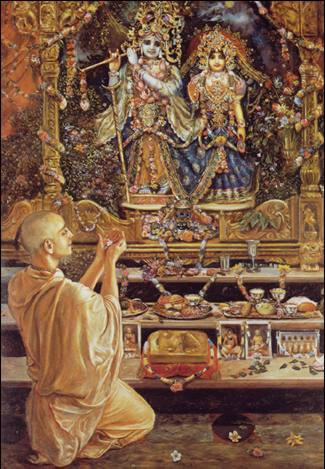
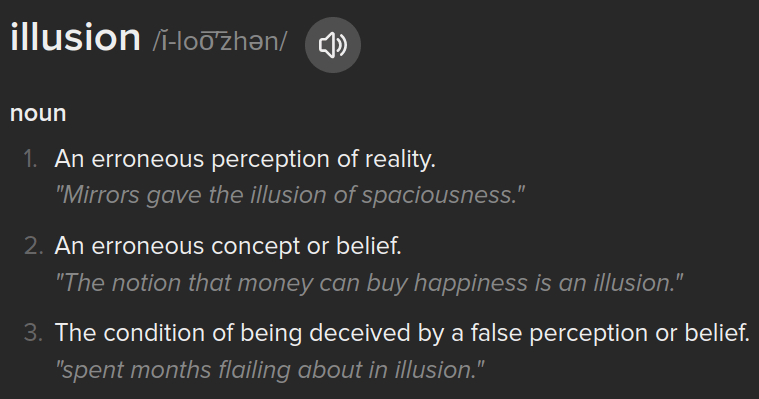


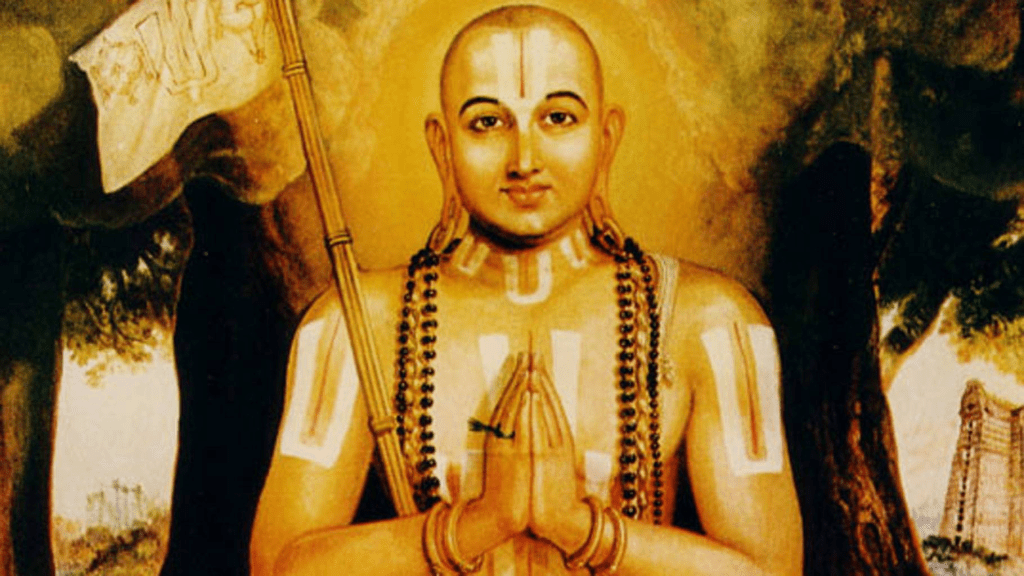

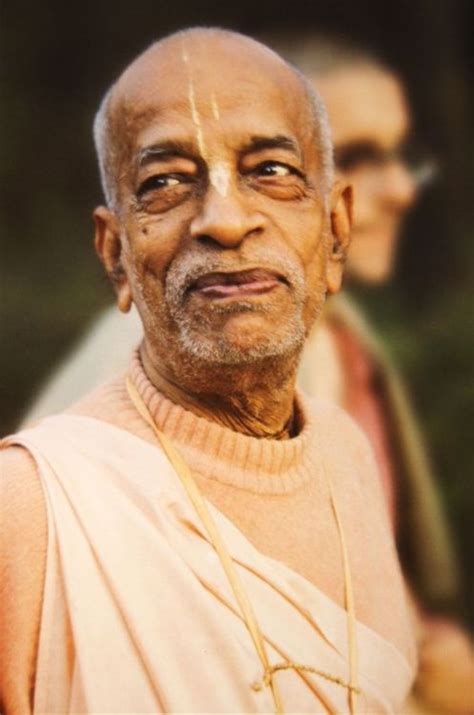

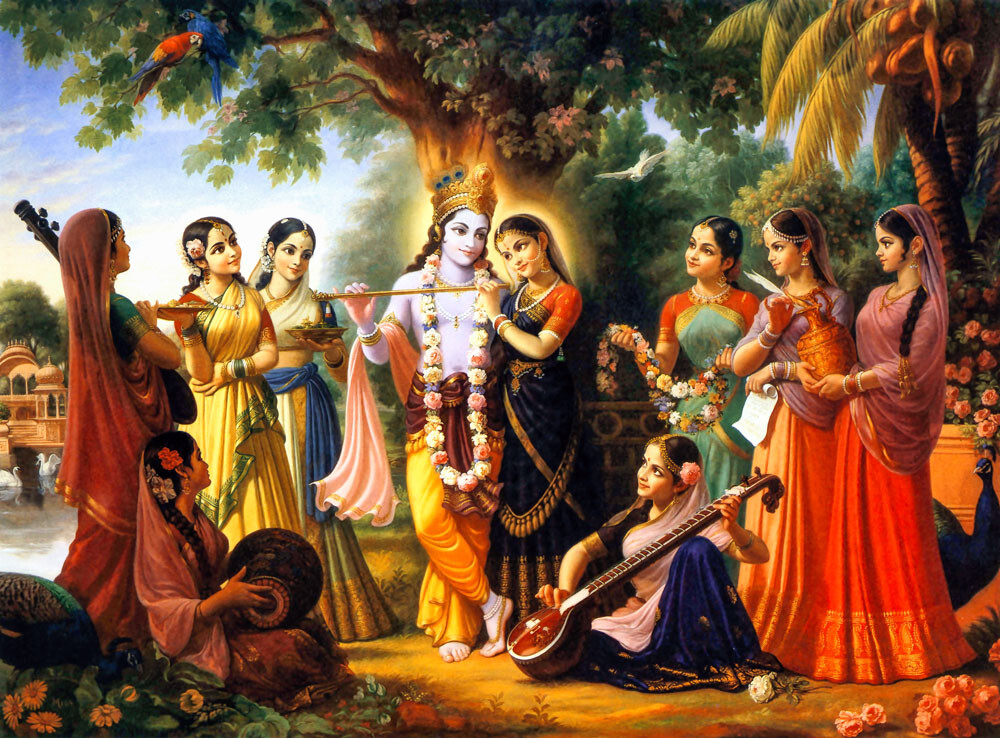

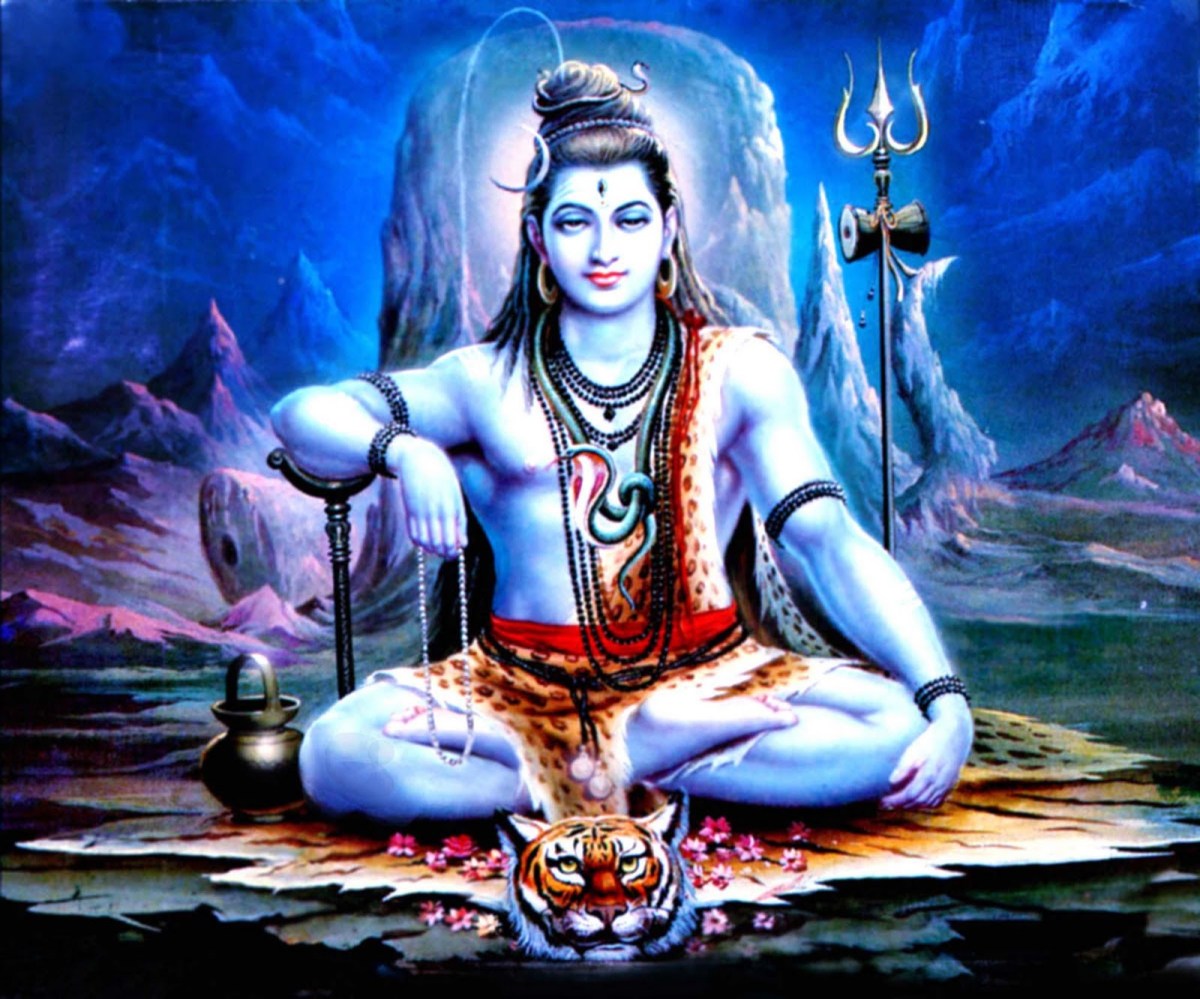

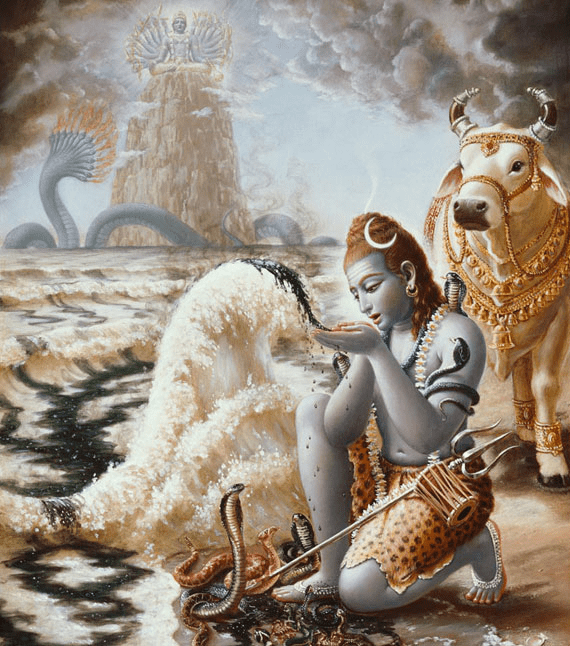







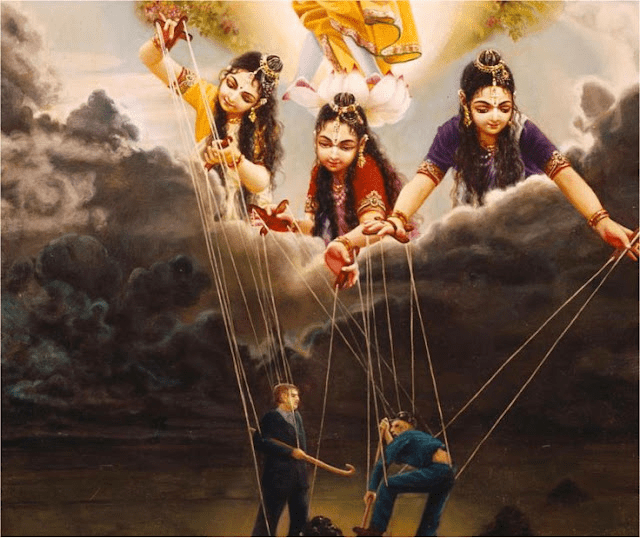










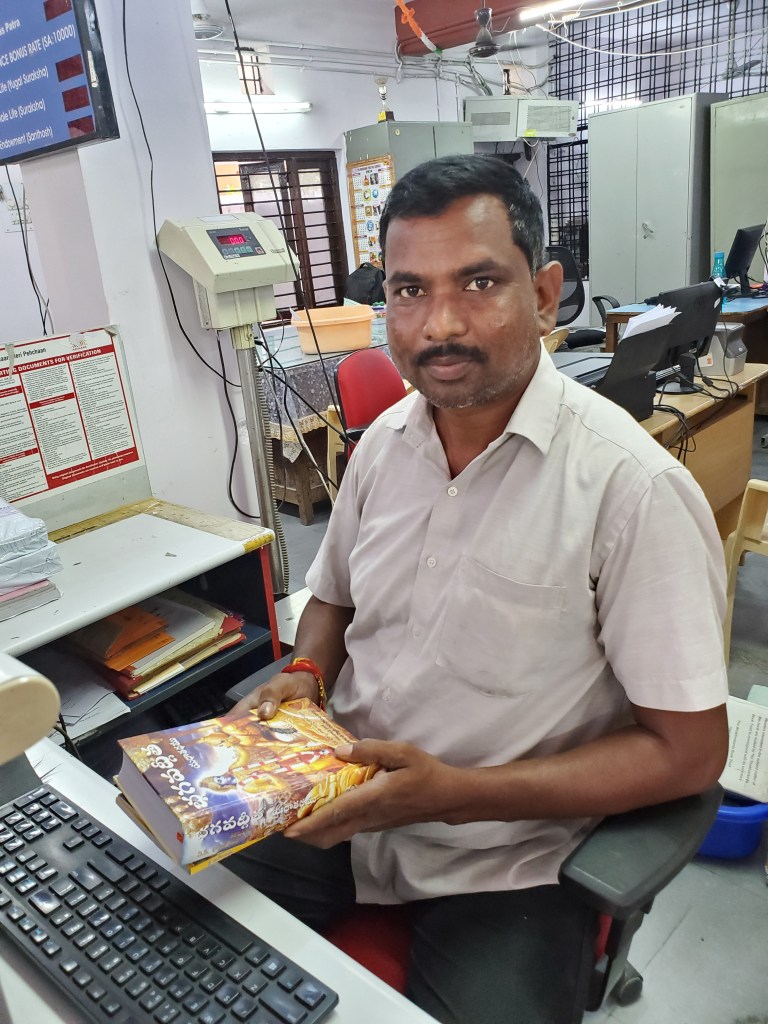
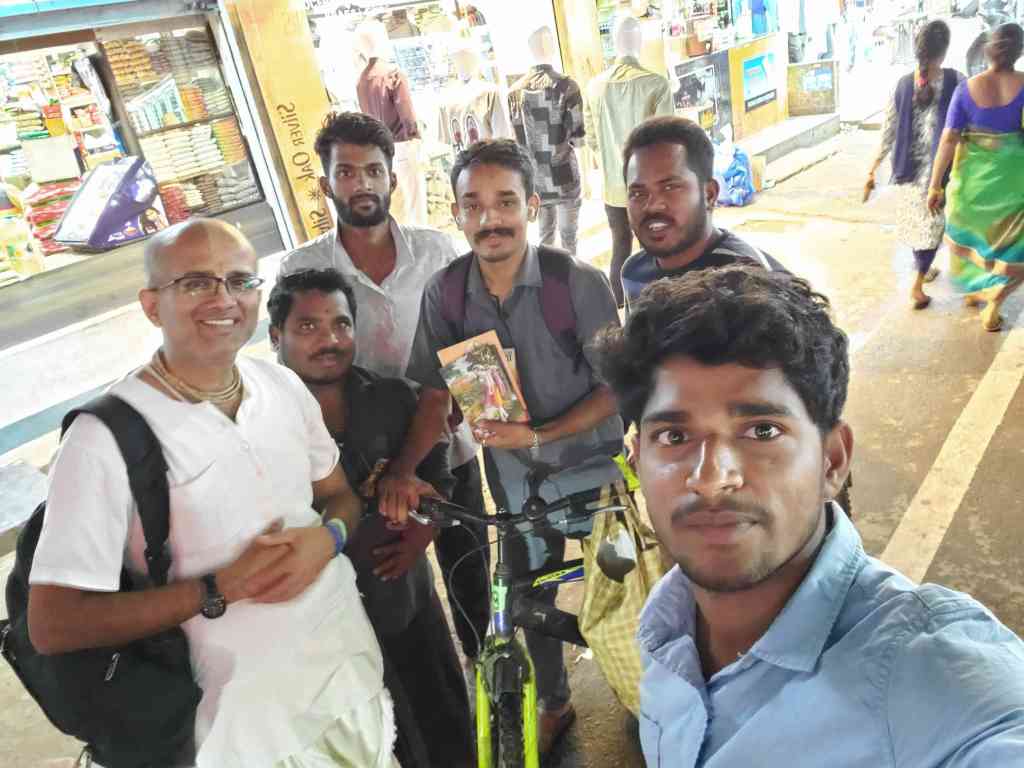
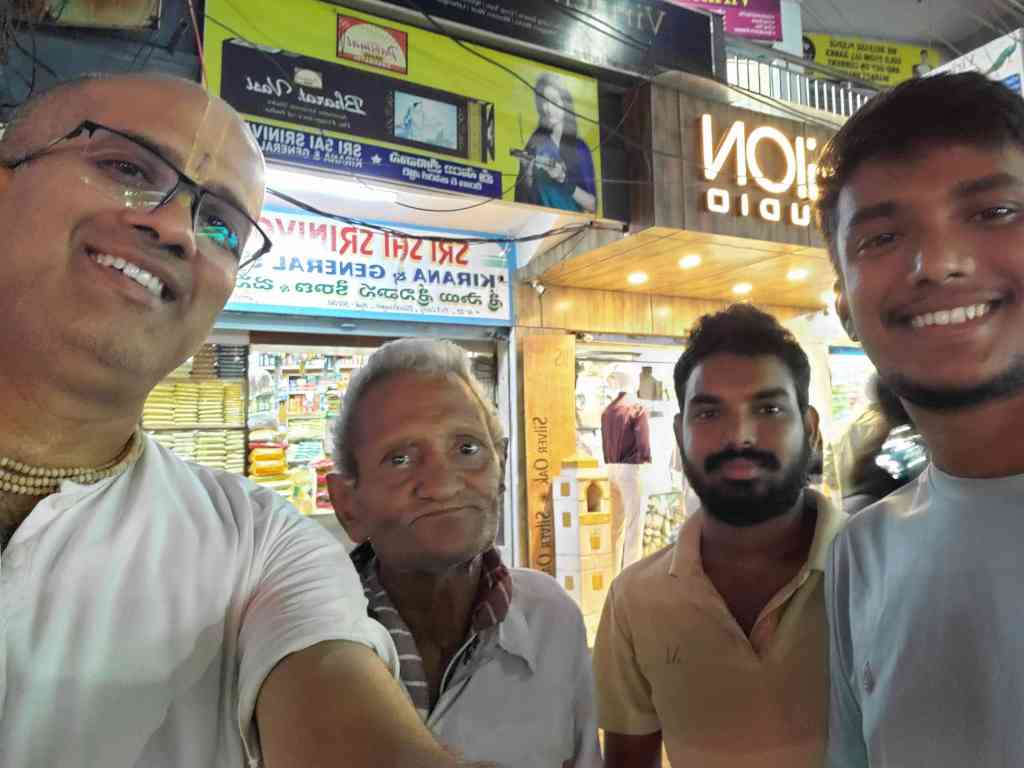
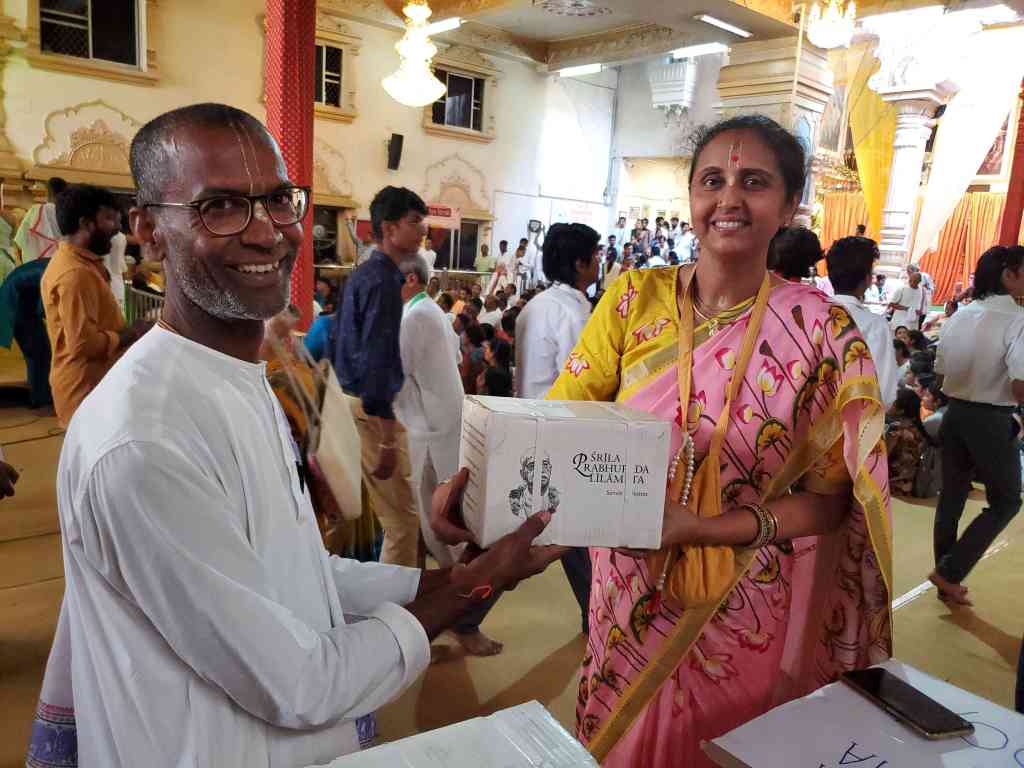








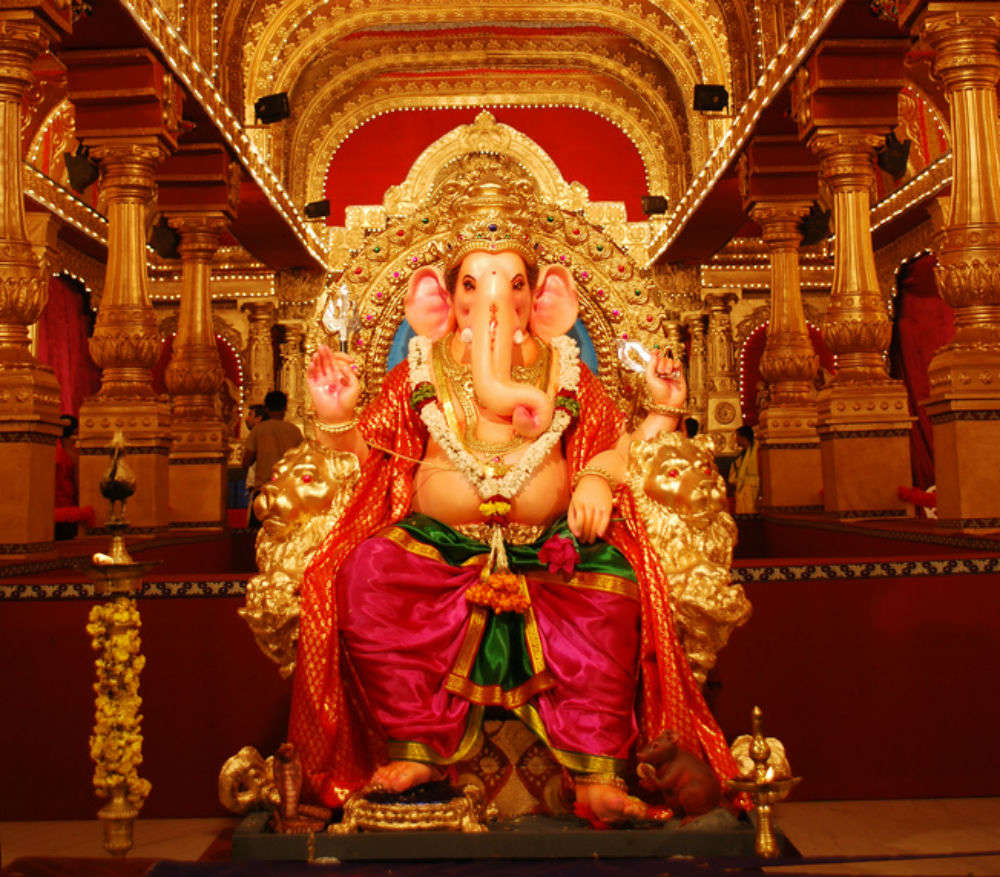
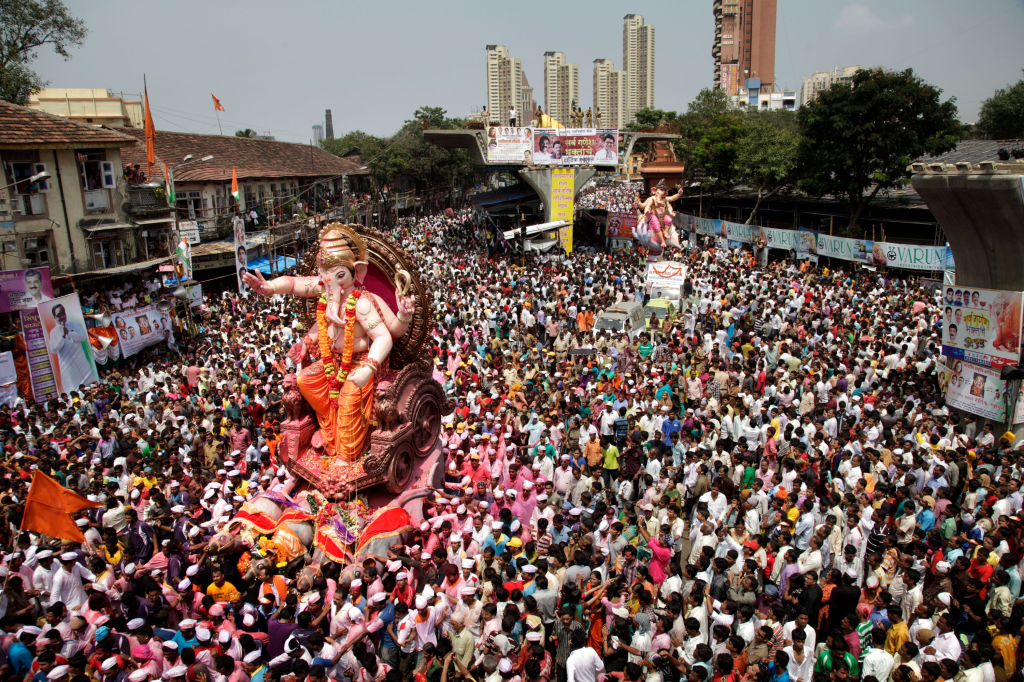


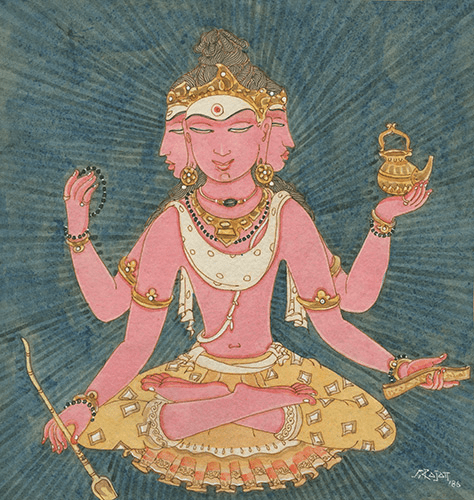
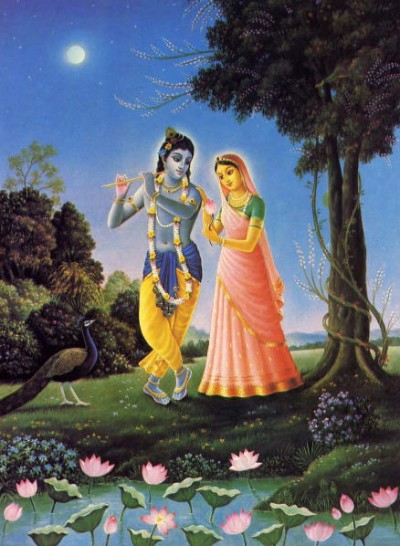




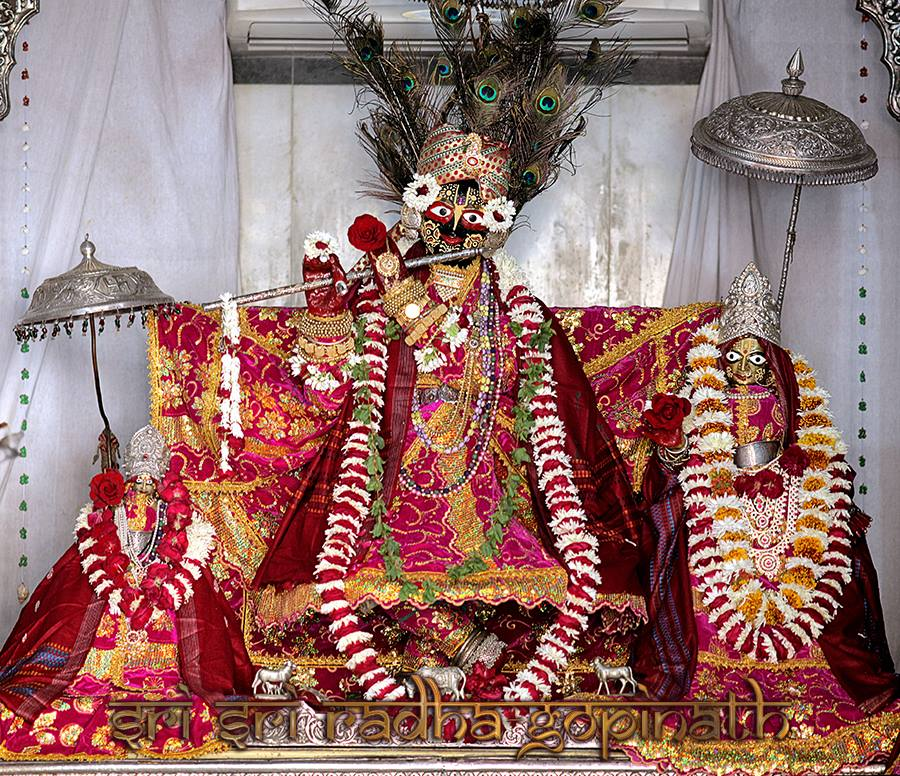


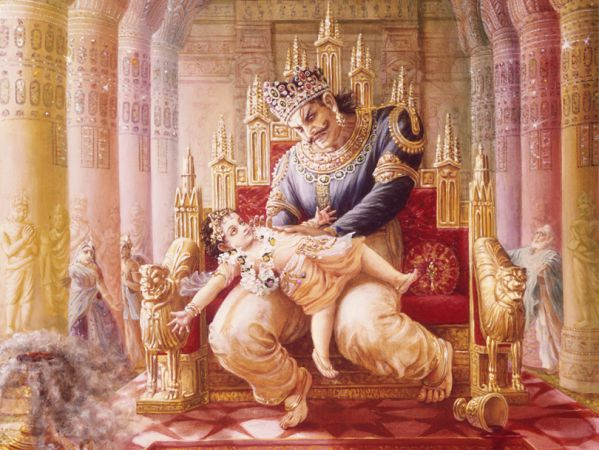




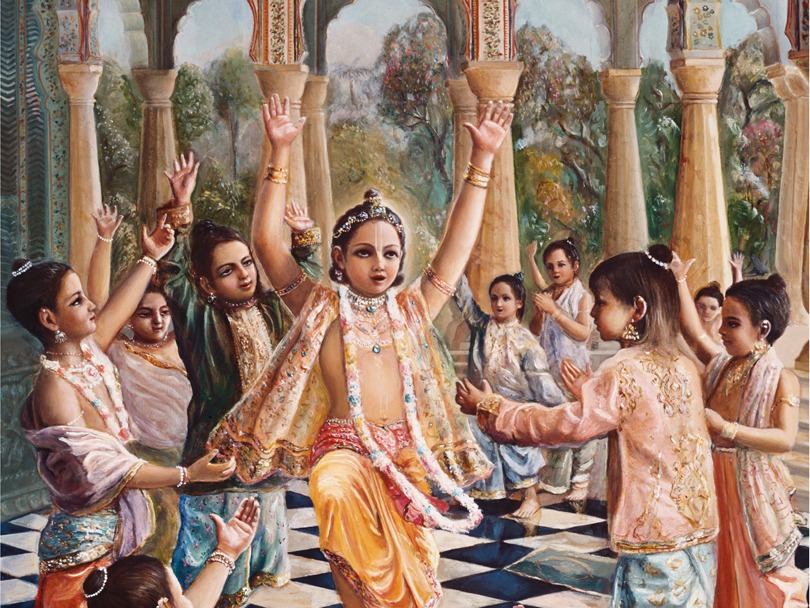
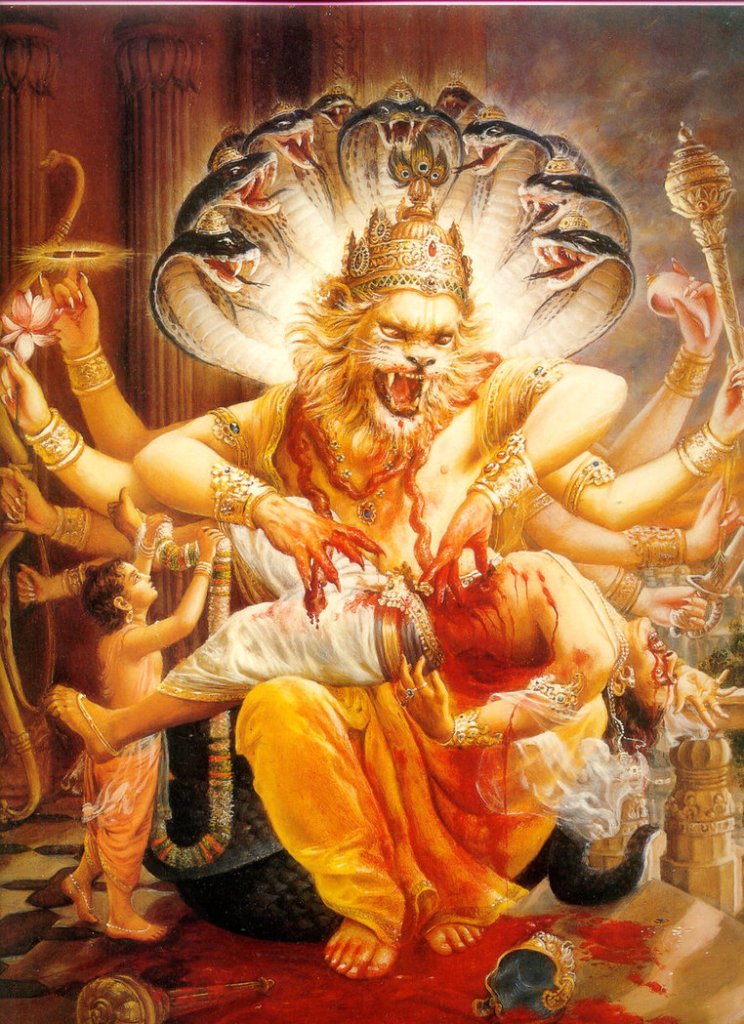
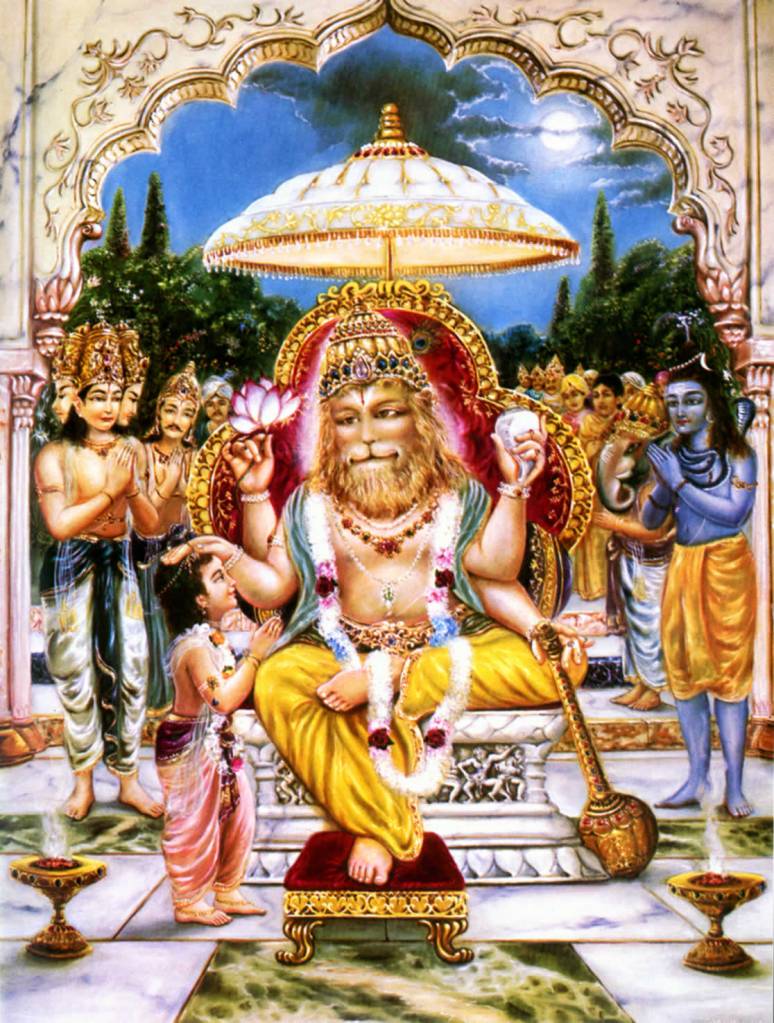


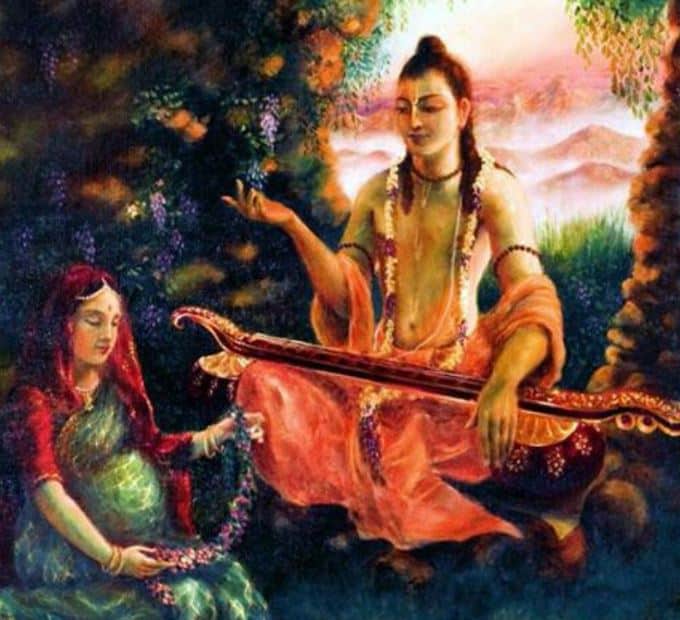





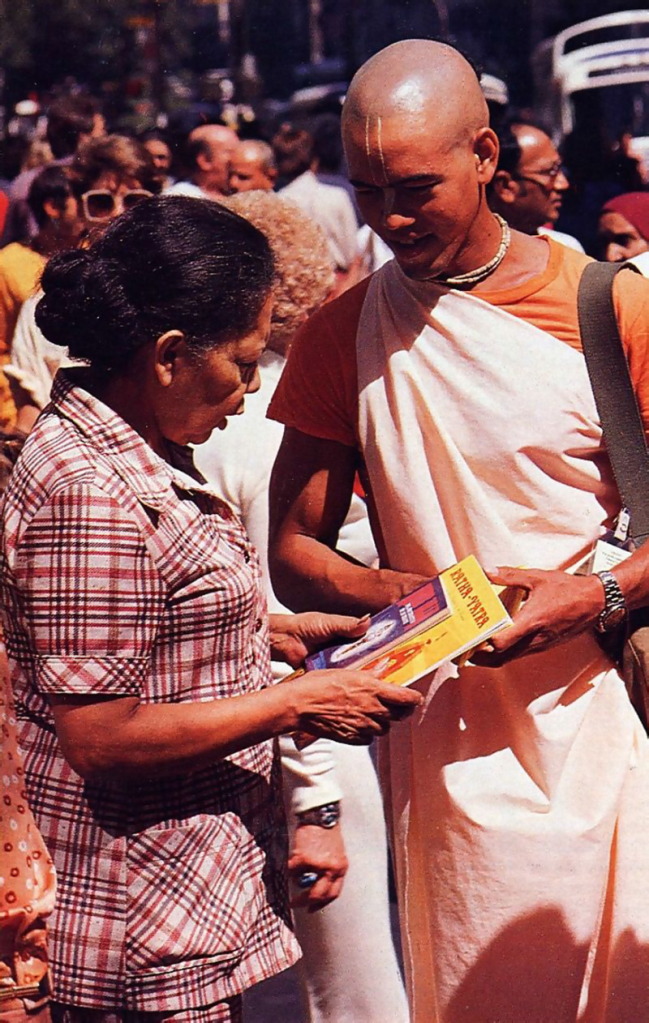




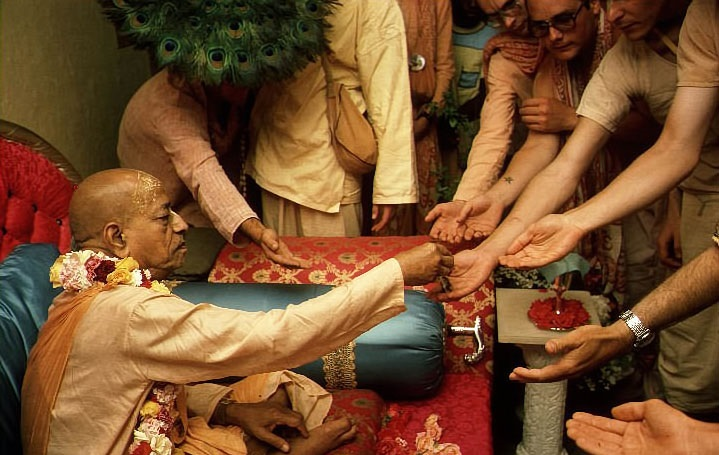


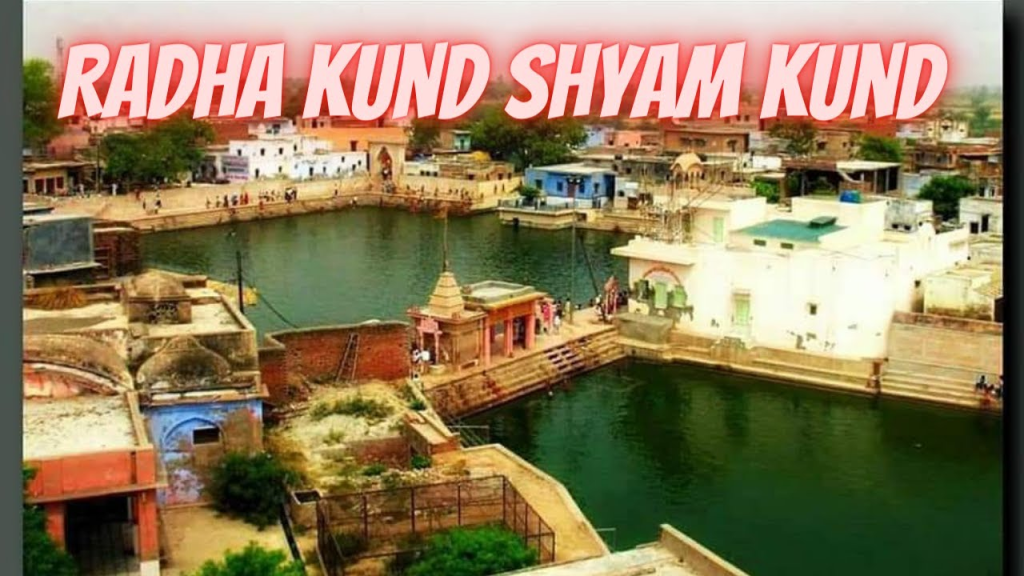


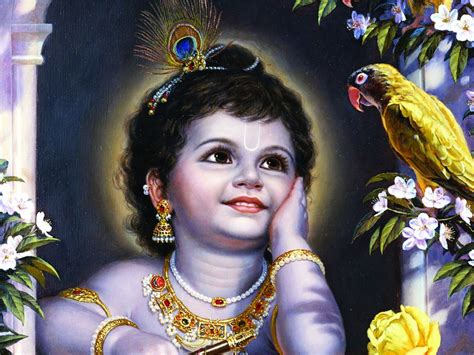



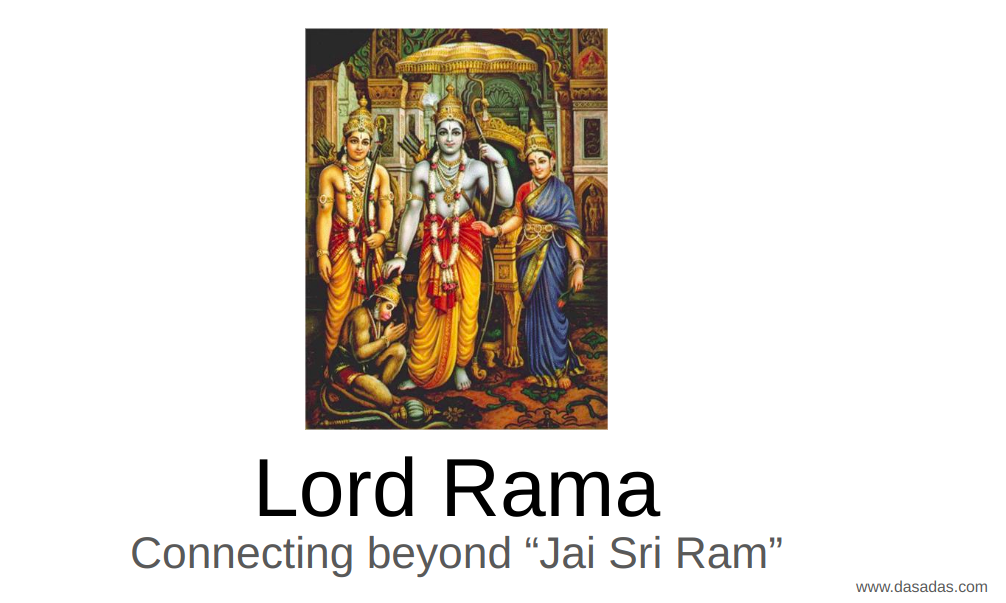














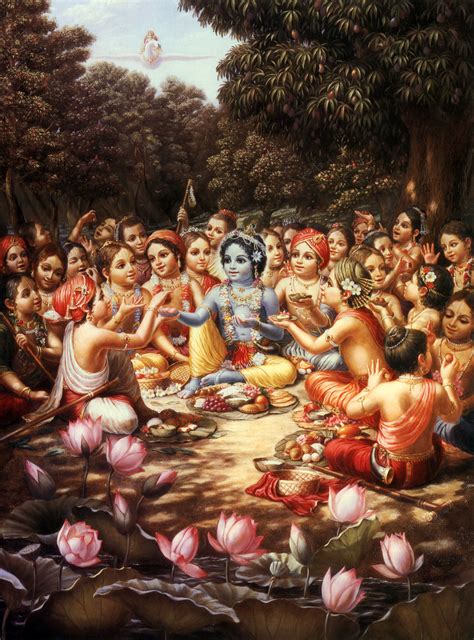


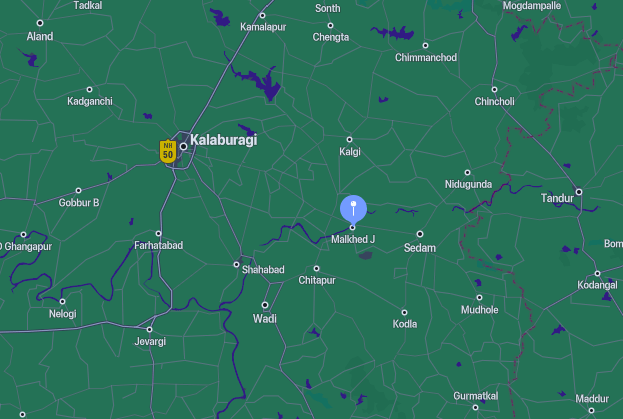










![The humble sages, by virtue of true knowledge, see with equal vision a learned and gentle brāhmaṇa, a cow, an elephant, a dog and a dog-eater [outcaste]. BG 5.18](https://dasadas.com/wp-content/uploads/2023/09/image-31.png?w=1024)